
Outdoor Elevator Planning for Second-Story Florida ADUs

Share this article

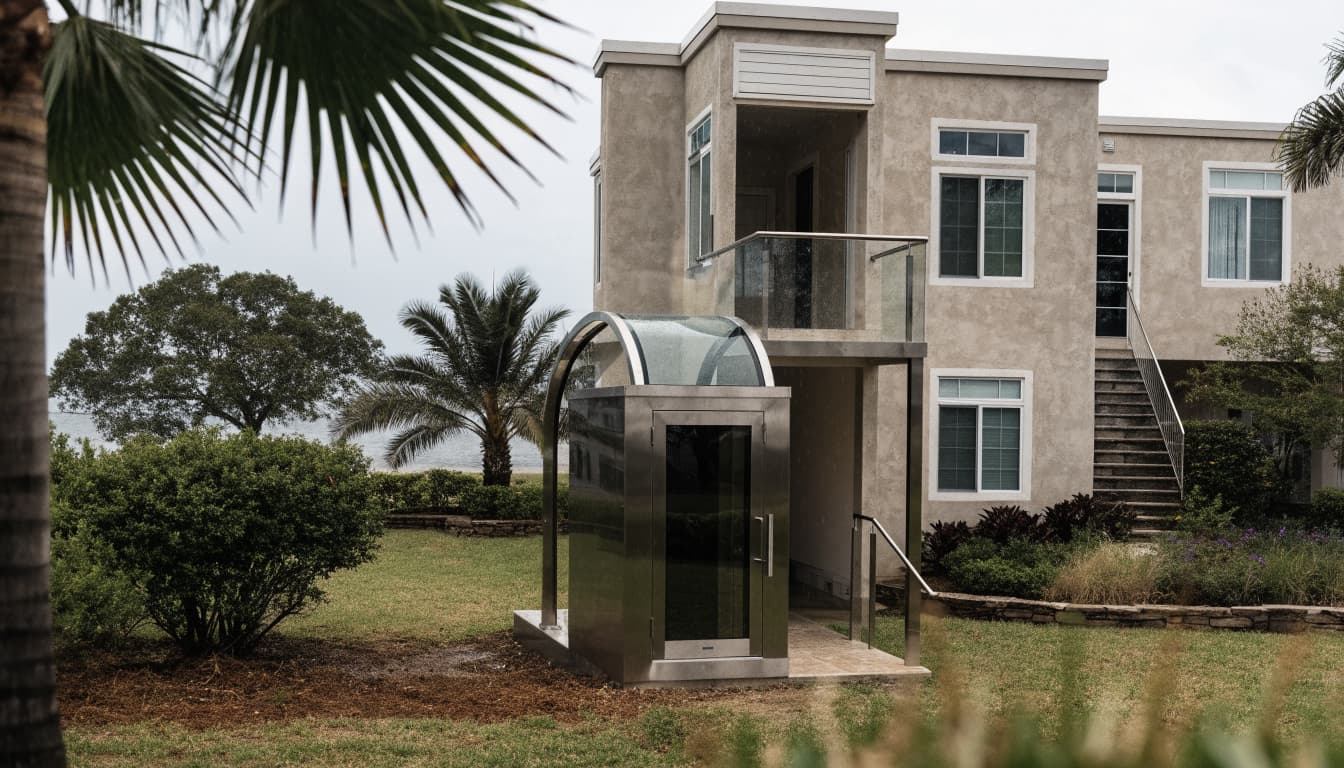
A second-story ADU needs a practical route upstairs, especially when you use a wheelchair or carry groceries. Planning a Florida ADU elevator starts with intended use , then accounts for weather exposure, building connections, and long-term service.

An exterior installation can preserve indoor floor space, but its landings and equipment need protection from Florida's rain, humidity, and storms. Make those decisions with your ADU designer, elevator contractor, and local building officials before fixing the layout.

Key Takeaways

  • Choose passenger-approved equipment when people need upstairs access; cargo lifts are for materials.
  • Coordinate the foundation, landings, drainage, electrical work, and service clearances before ordering equipment.
  • Verify the approval path for your property, and distinguish structural wind resistance from safe operating conditions.

Choose a Florida ADU Elevator for Its Intended Use

Start with who will use the lift, what they need to carry, and the measured travel distance. A wheelchair user, caregiver, and luggage may require different space than a standing passenger.

The three main equipment categories have different purposes.

Equipment Intended use Planning consideration
Passenger elevator Transporting people between levels Confirm passenger compliance, dimensions, doors, and emergency systems.
Vertical platform lift (VPL) Accessibility within its approved travel range Verify travel limits, platform size, and permitted application.
Cargo lift Moving groceries, luggage, or supplies Keep passenger transportation out of the intended use.

Rated capacity doesn't establish passenger safety. A cargo platform that can support a person's weight still isn't approved to carry that person.

ASME A17.1 addresses elevators, while ASME A18.1 addresses platform lifts and stairway chairlifts. Review which safety standard applies with the contractor before selecting equipment.

Also ask whether the proposed system accommodates the actual wheelchair and attendant arrangement. Don't judge usability from platform area alone.

Plan the Elevator With the ADU, Not After It

Reserve the Complete Installation Footprint

The elevator footprint includes more than its platform or cab. Reserve space for supports, foundations, doors, electrical equipment, and technician access.

Have the contractor document travel height, pit requirements if applicable, overhead clearance, anchorage, and equipment locations. Then let the designer coordinate those dimensions with setbacks, easements, utilities, and the ADU structure.

For an ADU above an existing garage, don't assume the garage wall or balcony can support the new installation. A structural engineer should assess proposed connections and load paths.

Use an outdoor elevator site survey checklist to organize measurements before drawings advance.

Make Both Landings Usable

Map the full route between the driveway, lower entrance, upper landing, and ADU door. Include door swings and the space someone needs to approach, turn, and exit.

A lift can accommodate a wheelchair while the adjoining landing prevents comfortable movement. Review the whole route with the designer, including thresholds, guards, lighting, and wet-weather traction.

Keep required stairs and exit routes available. Discuss how residents will leave the ADU when the elevator is unavailable.

Finally, coordinate upper-landing connections, flashing, and weather protection together. Separate designs can leave gaps where water reaches the building.

Confirm Florida's Approval Path Before Ordering

Verify the Code and Reviewing Authorities

As of October 2026, the Florida Building Commission identifies the Florida Building Code, 8th Edition (2023), as effective. It took effect December 31, 2023. Confirm the applicable edition and local amendments when submitting your project.

Building Chapter 30 addresses elevators and conveying systems. Depending on classification, Chapter 399 of the Florida Statutes and Florida Department of Business and Professional Regulation requirements may also apply.

Ask the local building department to identify each authority having jurisdiction. Construction review and elevator-equipment review may involve different offices, including a delegated local elevator program.

The Florida coastal elevator code guidance provides background, but project reviewers must confirm your requirements.

Resolve the ADU's Legal Classification

Florida Statutes Section 399.02 provides an exemption for specified conveyances in private residences. That exemption doesn't eliminate applicable building, electrical, structural, zoning, or floodplain review.

Have officials determine whether your installation qualifies. A second dwelling, rental arrangement, shared access, or public-use situation deserves a classification decision rather than an assumption.

Similarly, don't assume every second-story ADU requires an elevator. Accessibility obligations depend on the property's classification and applicable provisions.

Get the approval path settled before fabrication. A later classification change can affect equipment selection, documentation, inspections, and cost.

Engineer for Hurricane Wind and Flood Exposure

Review the Entire Assembly for Wind

Wind affects the tower, doors, landings, canopy, anchors, and connections to the ADU. The structural engineer should review the complete installation using the site's applicable wind-design criteria.

Ask the manufacturer what its wind documentation covers. A rating for the lift doesn't automatically cover an added privacy screen, roof, or enclosure.

Screens and panels add wind-exposed surface area. Therefore, include them in the initial engineering rather than attaching them after installation.

A structural wind rating doesn't authorize elevator operation during a hurricane. Follow the installed model's operating limits and shutdown instructions.

Confirm storm-preparation procedures before occupancy, including who takes the lift out of service.

Address Flood Conditions Separately

Ask the local floodplain office whether the proposed location affects floodplain compliance. Where applicable, coordinate equipment elevations and foundation design with qualified professionals.

Ordinary drainage can't protect equipment against storm surge or floodwater. Avoid treating a sump pump or raised threshold as a complete flood solution.

Also consider debris exposure and post-storm access. A technician may need to inspect the lift, supports, and landings before operation resumes.

Don't restart equipment after flooding or suspected water intrusion without professional guidance.

Control Rain, Humidity, and Corrosion

Route Water Away From the Installation

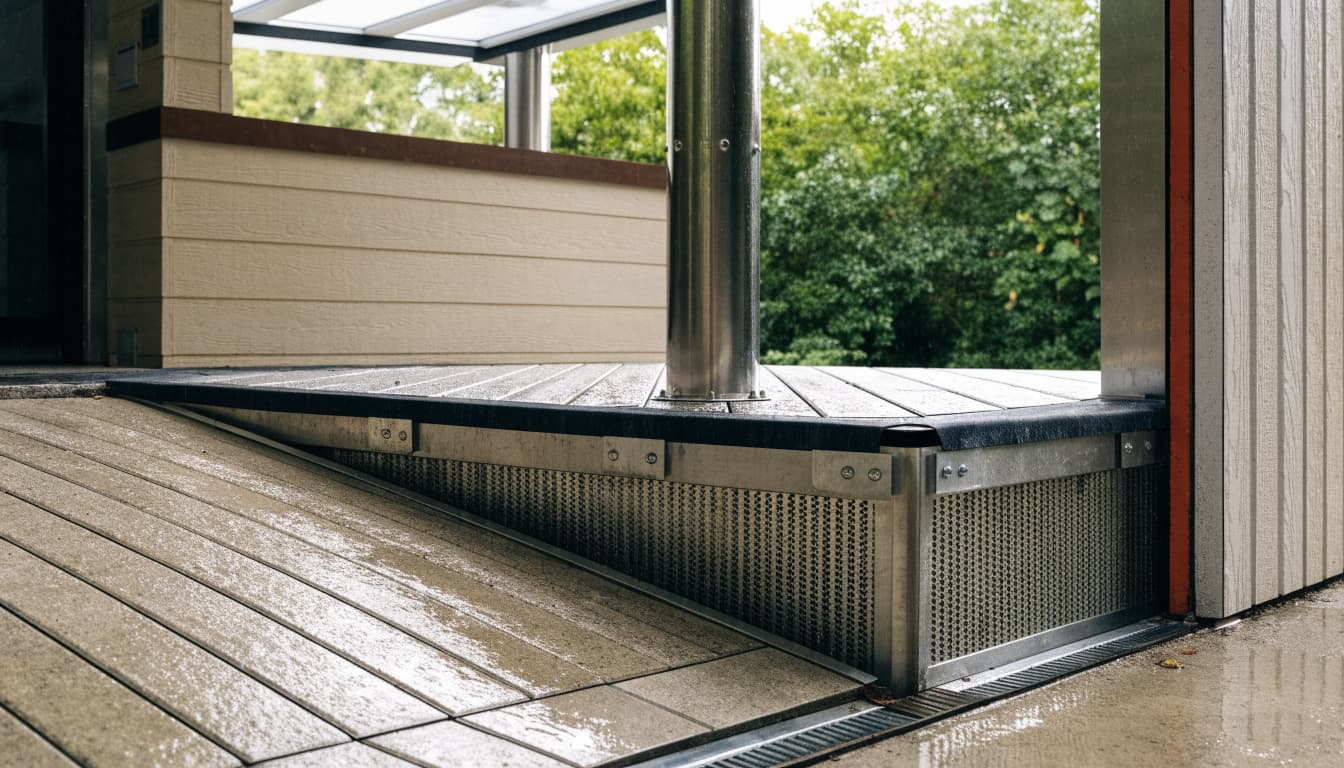
Wind-driven rain can enter door seams, conduit penetrations, and equipment cabinets. Coordinate approved seals, flashing, covers, and electrical entries with the manufacturer.

A canopy reduces direct rainfall, but it doesn't replace drainage. Keep roof runoff, downspouts, deck drains, and irrigation away from the elevator entrance and equipment.

Plan finished grades and drain locations before pouring foundations or paving. Threshold detailing must balance water management with a usable entrance.

Where the selected equipment needs a pit, ask how the approved design prevents water accumulation. Identify who maintains drains and any associated equipment.

Specify Materials for the Actual Exposure

Salt deposits become more damaging when moisture remains on components. Fasteners, rails, hinges, electrical connections, and damaged coatings all deserve attention.

Ask for material and finish specifications rather than accepting "marine-grade" as the complete explanation. Discuss corrosion-resistant hardware, protected drive components, and electrical enclosures suited to the location.

Even stainless steel needs appropriate care. Meanwhile, an enclosure that traps humidity can leave hidden components damp.

Obtain cleaning instructions for the installed model. Freshwater cleaning may suit approved exterior surfaces, but don't spray controls, sensors, or drive equipment unless the manufacturer permits it.

Reserve Power, Rescue, and Maintenance Access

Coordinate Electrical and Emergency Systems

Electrical requirements depend on the exact model. Have the elevator contractor and electrician coordinate power supply, disconnects, grounding, wiring routes, and applicable surge protection.

Don't assume a residential outlet or existing garage circuit will suffice. Outdoor equipment also needs approved wiring methods and protection appropriate to its exposure.

Ask what happens during a power failure. Battery lowering, backup power, emergency lighting, and communication are separate functions; confirm what the chosen system provides.

For passenger equipment, request a documented emergency communication and rescue plan. Residents and caregivers should know whom to contact without attempting to release doors or repair equipment.

Leave Space for Technicians

Service access belongs in the architectural drawings. Identify cabinet-opening clearance, access to drive components, and a route for replacing major parts.

Avoid hiding equipment behind permanent landscaping or decorative panels. A technician needs safe working space, not merely a narrow opening.

Before selecting a supplier, confirm local service coverage and parts support. Ask how coastal exposure affects the recommended maintenance schedule and warranty conditions.

Keep approved plans, manuals, inspection records, and service contacts together. After storms, homeowners can report visible damage or unusual operation, but qualified technicians should handle adjustments and repairs.

Build an Itemized Scope Before Comparing Prices

Request quotes against the same equipment classification, travel height, capacity, and installation conditions. Comparing equipment prices alone can hide substantial differences in site work.

Separate equipment and installation from engineering, foundations, landings, drainage, electrical work, weather protection, and permits. Also identify who pays for inspections, testing, and modifications required during review.

For an existing building, planning an outdoor lift retrofit helps identify structural and landing work before pricing.

Ask each contractor to state exclusions and responsibilities. Then compare maintenance costs, service availability, and warranty terms alongside the initial price.

A Florida ADU elevator quote should describe the finished, approved installation, not leave essential connections unresolved.

Frequently Asked Questions

Can a Cargo Lift Serve a Second-Story ADU?

It can move approved materials upstairs, but it doesn't provide passenger access. If residents or wheelchair users need transportation, choose passenger-approved equipment appropriate to the project.

Does an Outdoor Elevator Eliminate Indoor Space Needs?

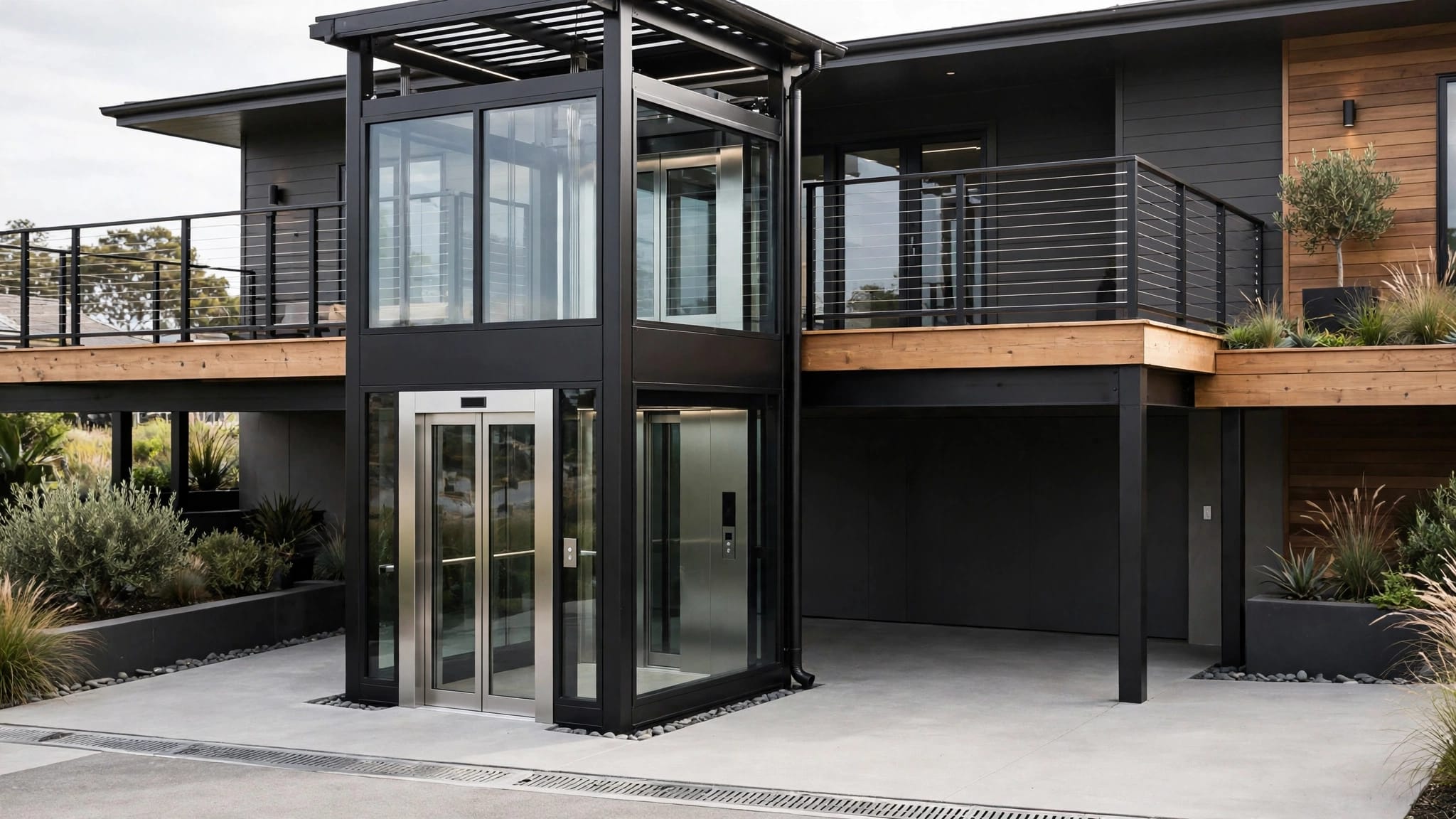
It can reduce the indoor shaft footprint. However, the ADU still needs a suitable entrance and approach, while the exterior needs foundations, landings, weather protection, and service space.

Can the Elevator Operate During a Hurricane?

Follow the manufacturer's operating limits and shutdown procedures. Hurricane-resistant construction doesn't guarantee safe operation during severe weather, flooding, debris exposure, or power disruption.

Plan for Reliable Access Throughout Ownership

A second-story ADU needs an elevator plan that connects equipment selection with the building, weather exposure, and future service. Reliable access depends on those details working together.

Before ordering, have the designer, elevator contractor, and local reviewers confirm the coordinated layout and approval path. The route upstairs should remain practical when groceries, mobility needs, and Florida weather become part of everyday life.

Recent Posts

By Veranda 'Vator • October 5, 2026
A driveway-facing entrance and a house-facing deck don't always line up with one elevator doorway. Choosing outdoor elevator doors on opposite sides can connect those spaces while reducing the need to turn inside the car. However, a through-car layout only works when the equip...
By Veranda 'Vator • October 4, 2026
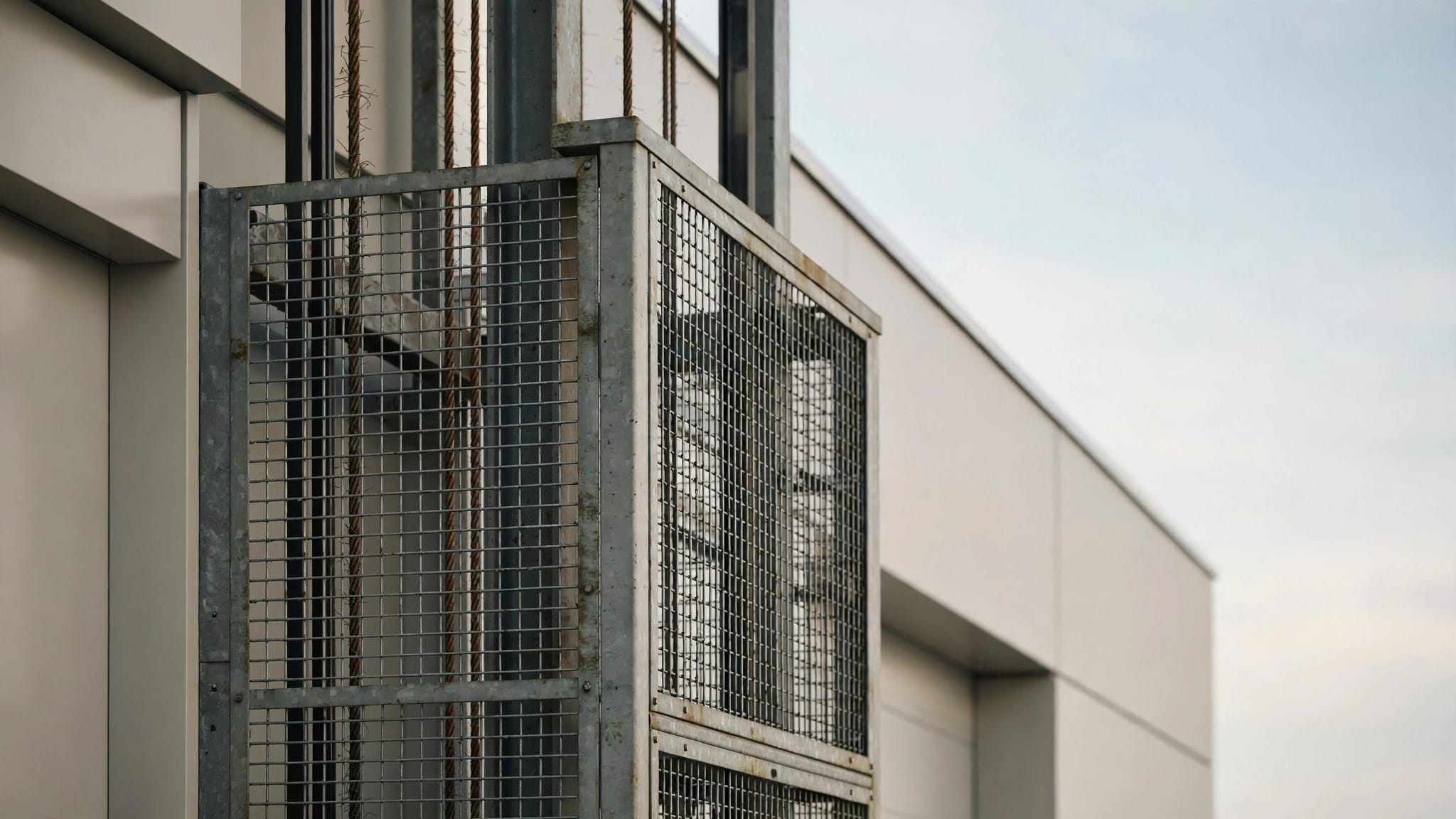
A lift that still moves can have damage you can't see. Outdoor elevator cable inspection starts with recognizing warning signs, but safe observation has strict limits. You should only look from safe, publicly accessible areas, without touching cables or opening equipment. Fray...
By Veranda 'Vator • October 3, 2026
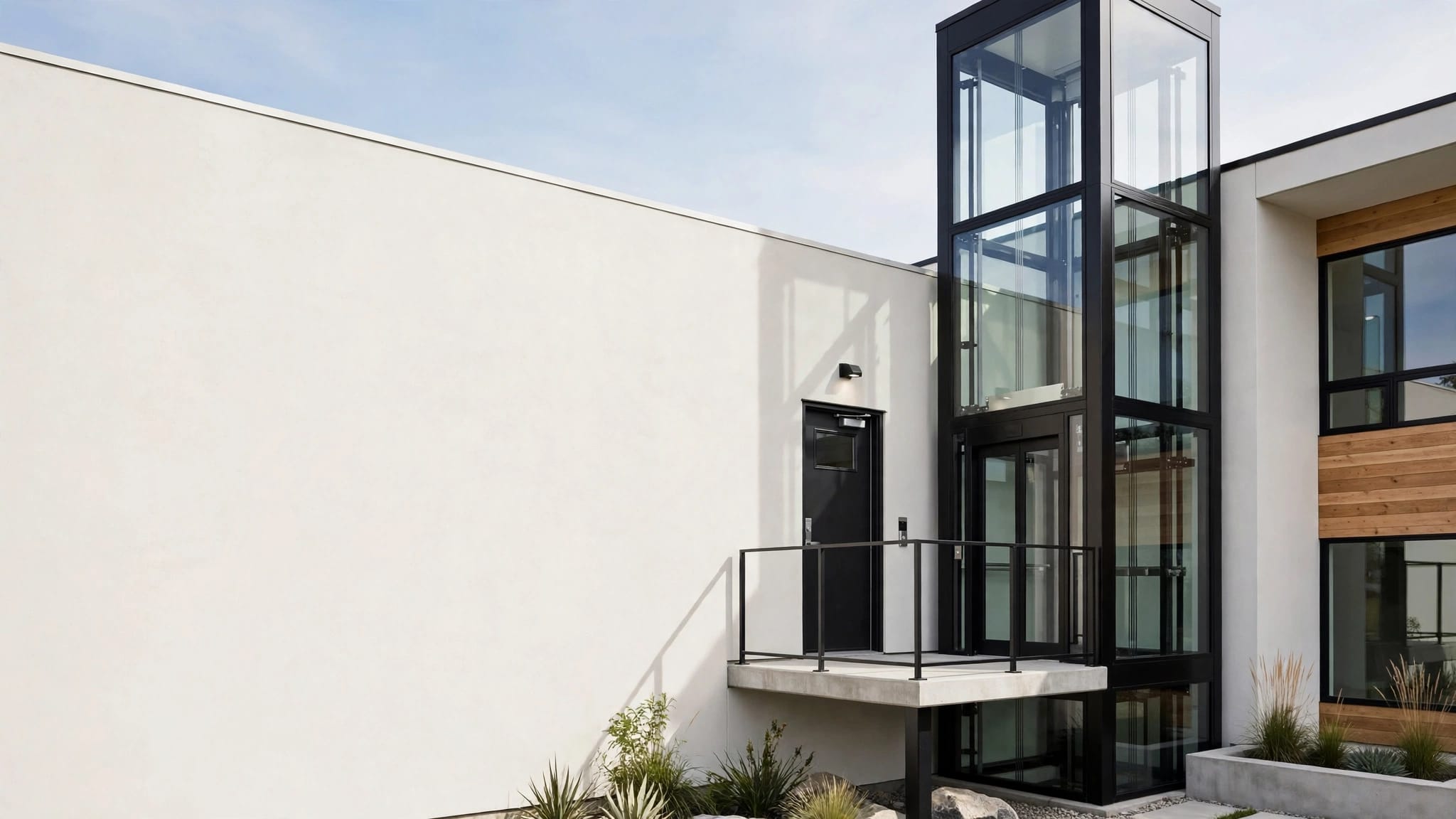
An elevator mounted outside your home can still create a path for fire and smoke at its landings. Outdoor elevator fire separation depends on the whole installation , including the lift classification, house wall, openings, and adopted local codes. You can't determine the requ...
By Veranda 'Vator • October 2, 2026
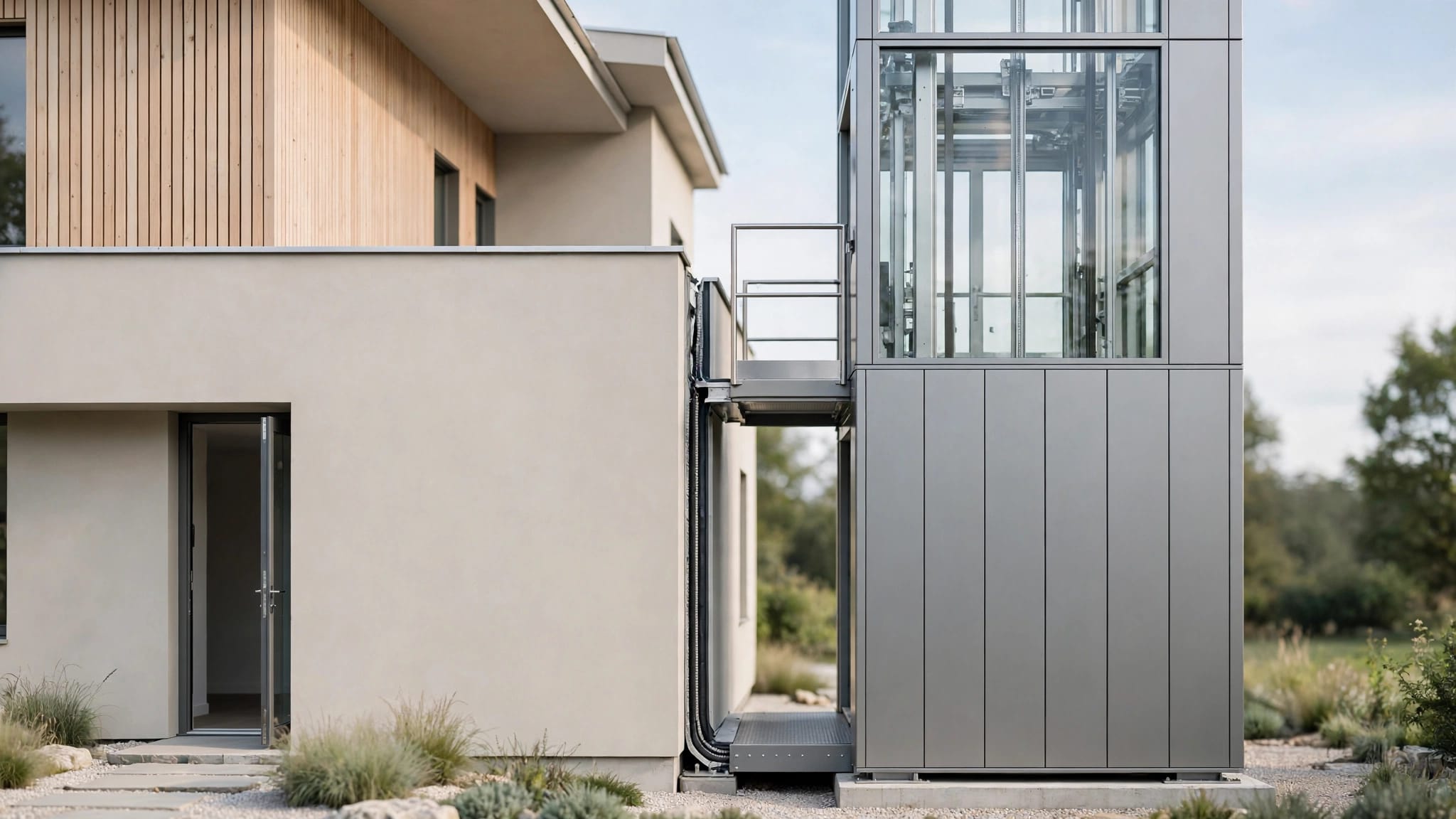
An outdoor lift tower and your home can move differently, even when they stand inches apart. Planning lift tower expansion joints early helps protect the connection against water intrusion, damaged finishes, and unsafe changes at landings. The goal is to accommodate differenti...
By Veranda 'Vator • October 1, 2026
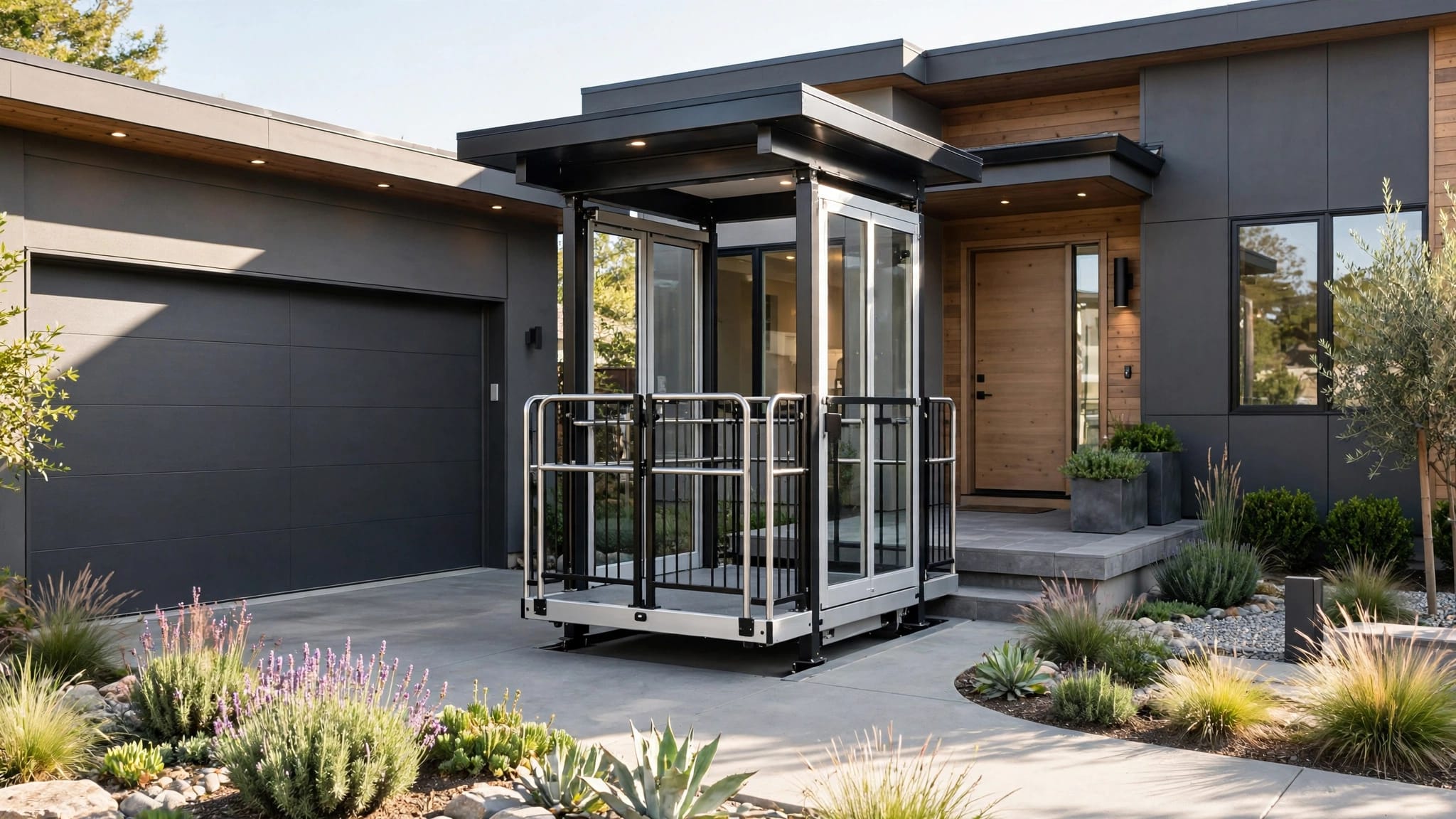
The hardest part of getting home may be the stairs between your garage and front door. An outdoor home lift can remove that barrier, but the right installation depends on who uses it and where it lands. For wheelchair access, groceries, or everyday passenger travel, the comple...
By Veranda 'Vator • September 30, 2026
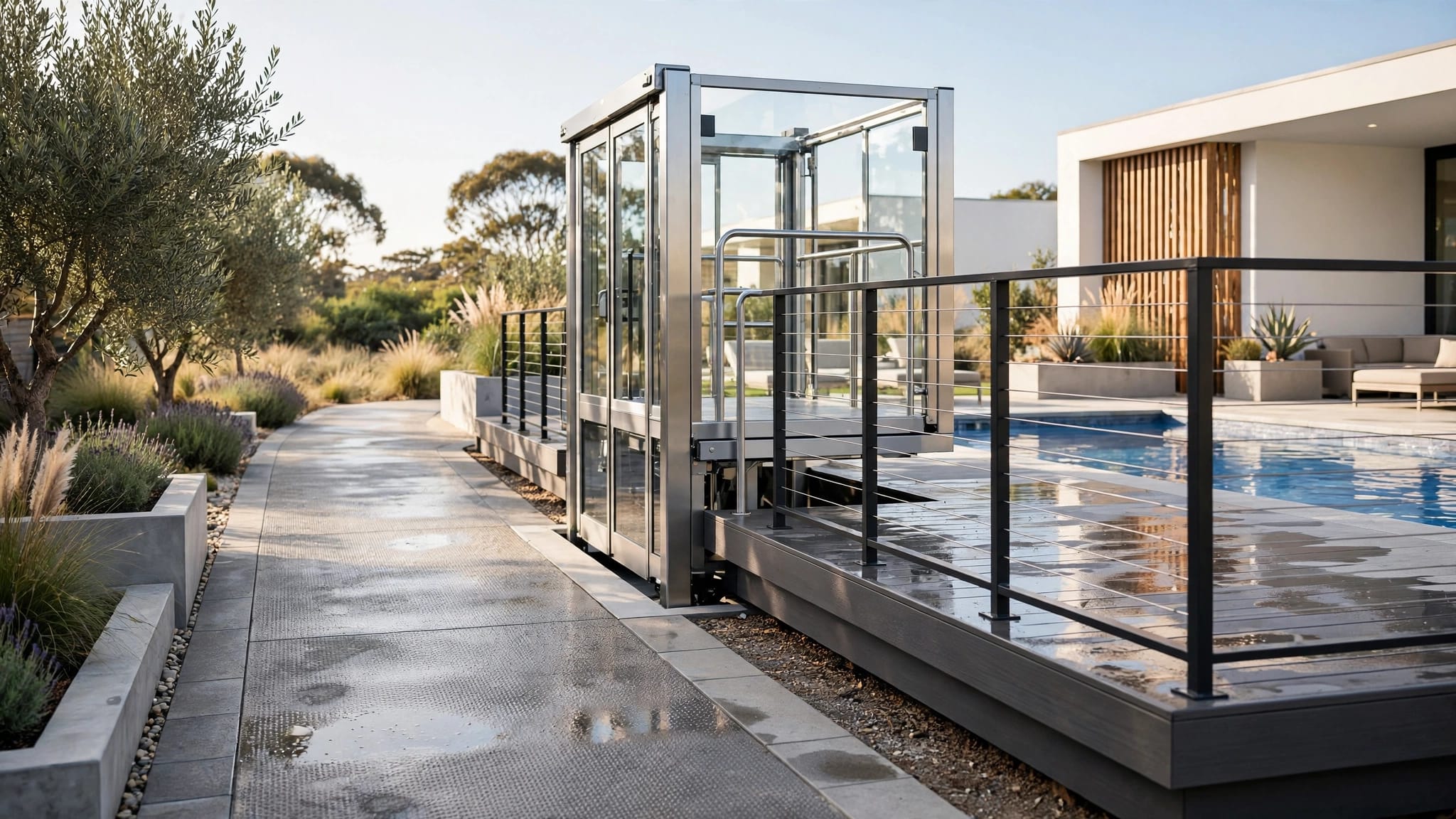
A lift can make a raised pool deck easier to reach, but its location needs more thought than finding an empty corner. Pool deck lifts must work with wet surfaces, changing weather, structural loads, and the people using them. Start with the complete access route , including bo...
By Veranda 'Vator • September 29, 2026
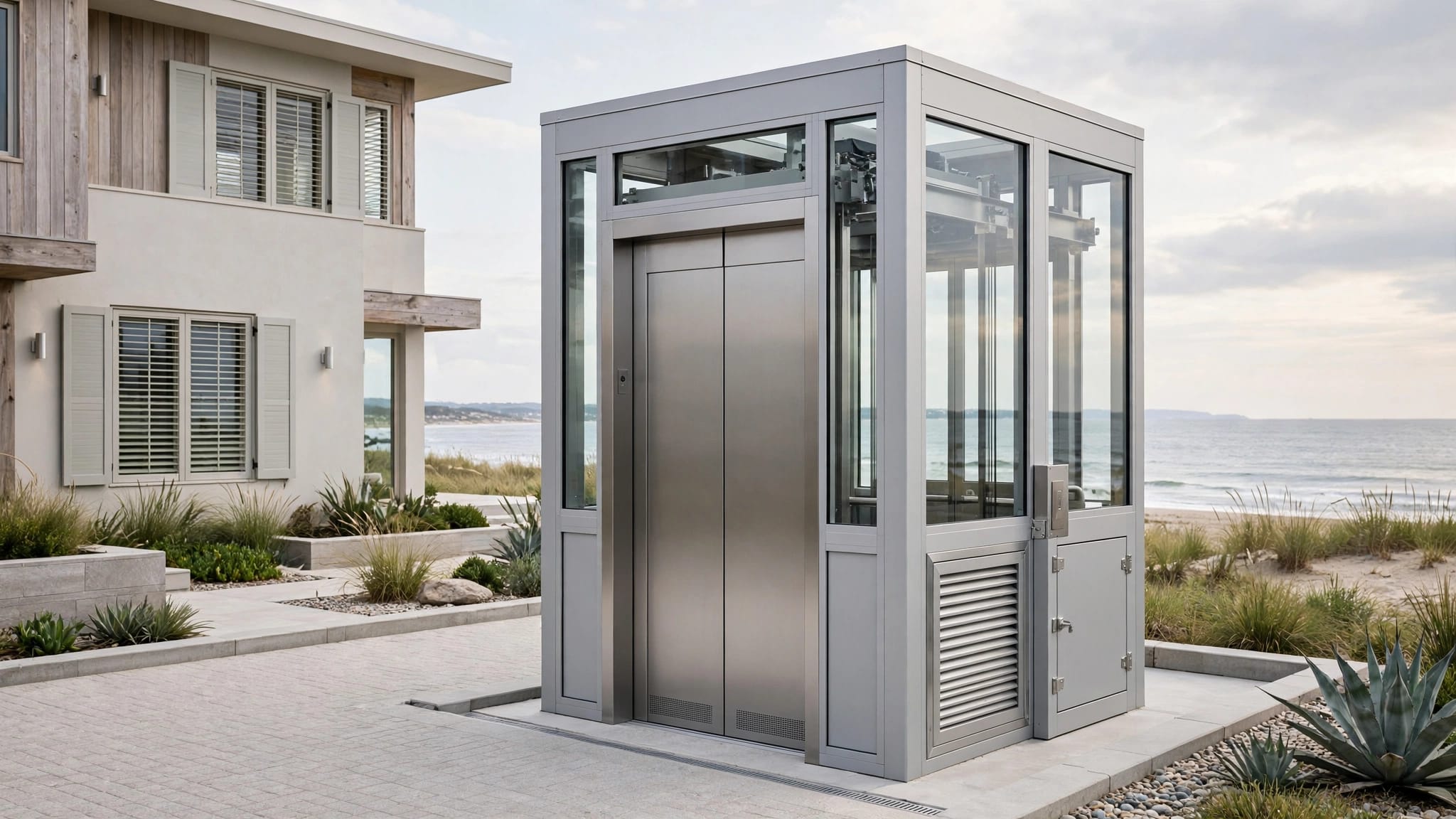
A lift can fit beside your beach house on paper and still leave too little room to open its door, reach its controls, or service it after a storm. Clearance planning has to account for the whole installation, not only the space occupied by the car or platform. For a coastal ho...
By Veranda 'Vator • September 28, 2026
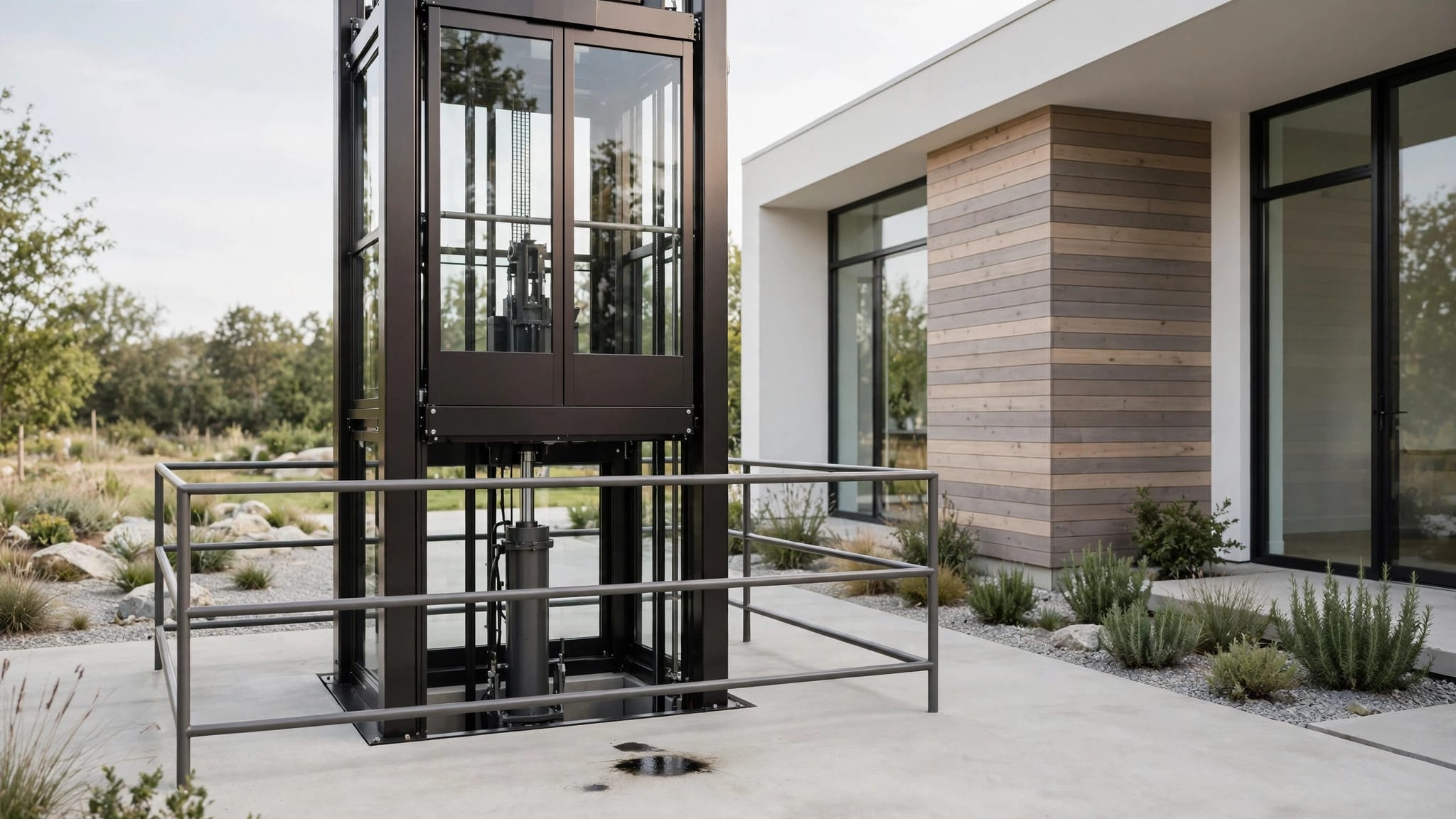
A wet patch beside your outdoor lift can make you wonder whether it's safe to use. If you suspect an outdoor elevator oil leak , stop using the equipment and keep people away until a qualified elevator technician evaluates it. A stain alone can't tell you what leaked or where...
By Veranda 'Vator • September 27, 2026
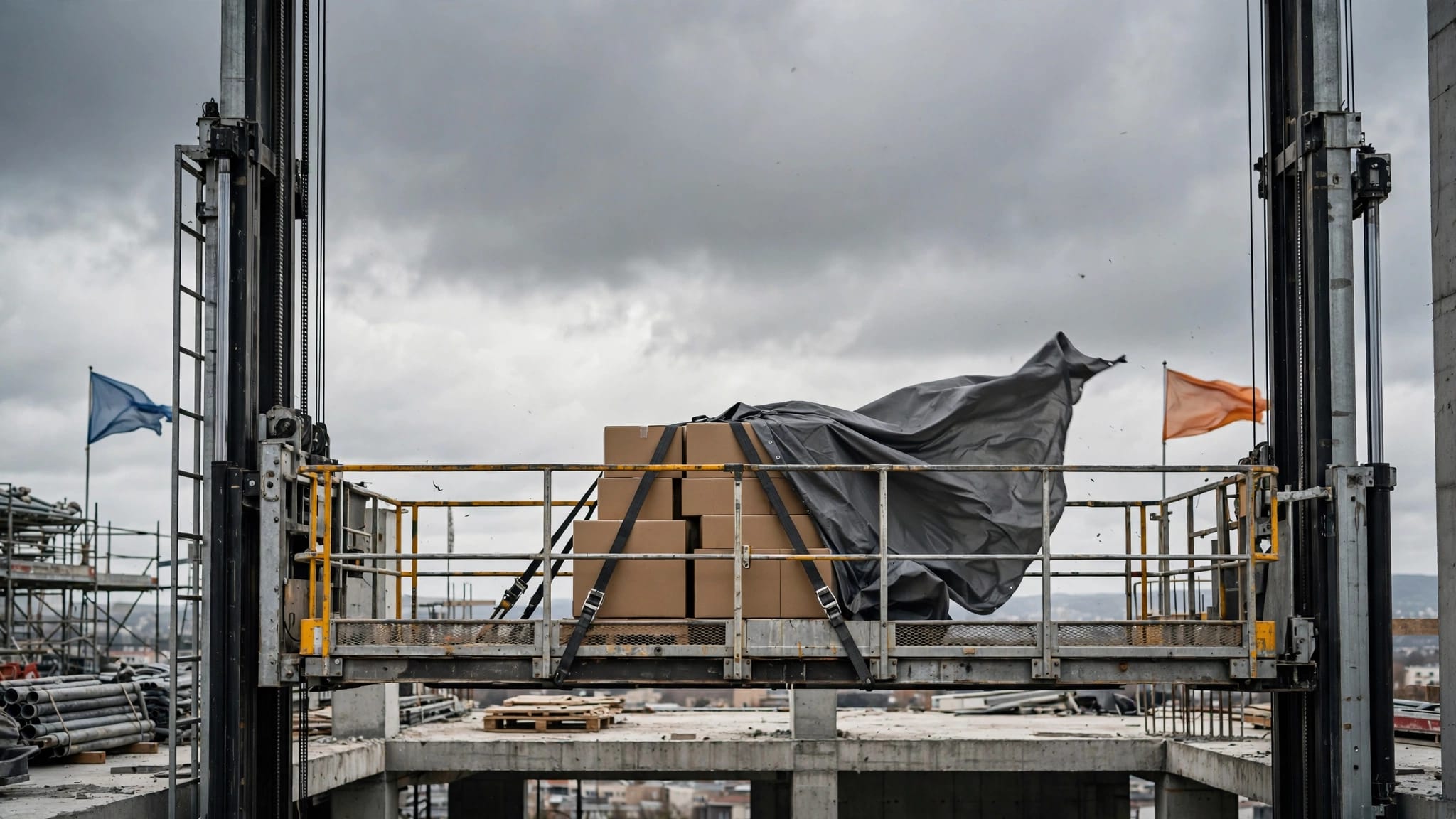
For cargo lift wind safety, start before the platform moves . A box that stays put on the ground can shift at an exposed landing. There’s no universal wind speed threshold, so assess whether the lift and load suit conditions at the site. Wind restrictions vary by lift, install...
By Veranda 'Vator • September 26, 2026
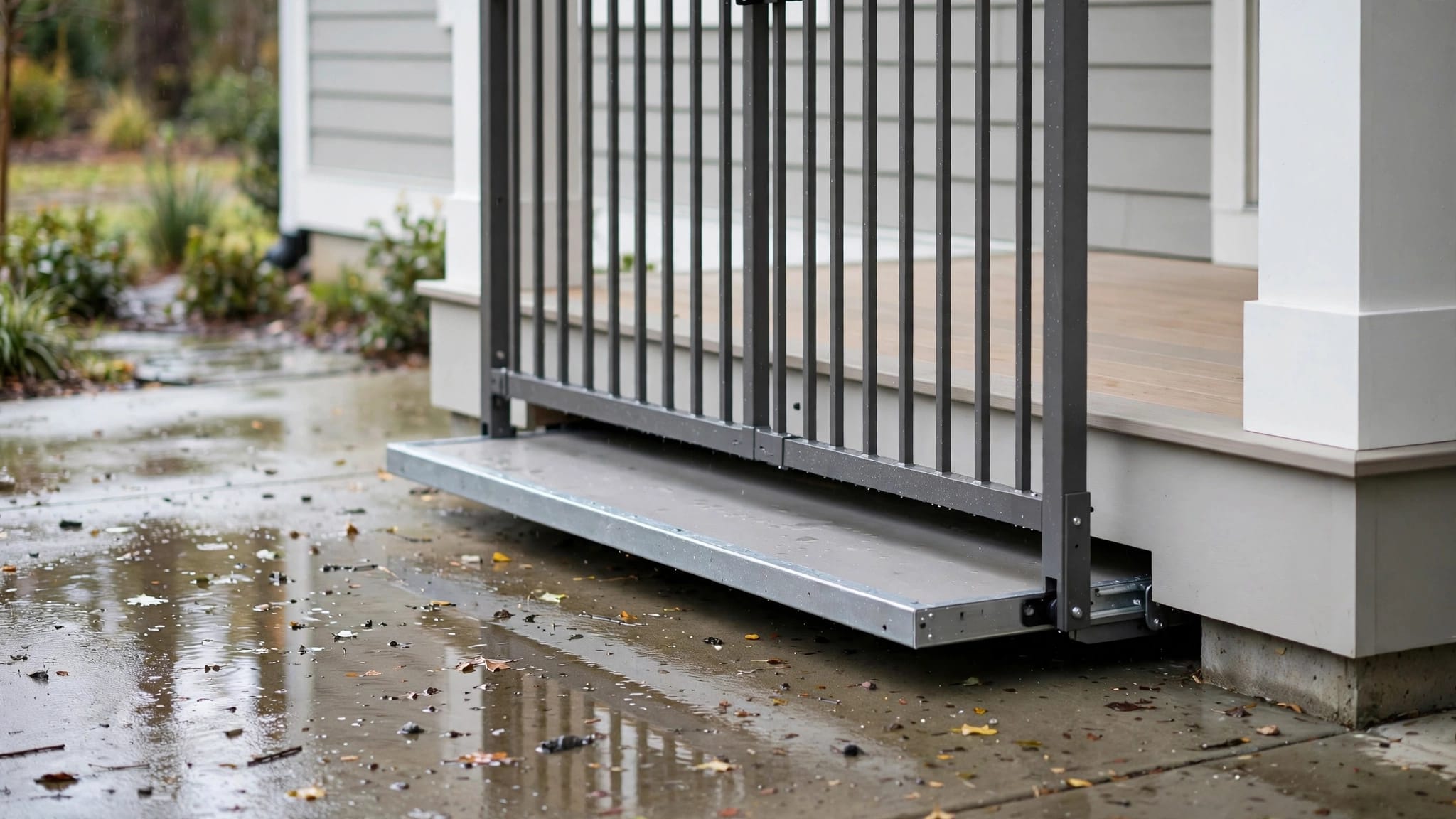
A platform that stops a little above the porch can turn an ordinary delivery or wheelchair trip into a fall hazard. Outdoor elevator leveling problems deserve attention even when the lift still moves and its gates appear to work. You can check the landing and surrounding area...
Show More