
How to Read a Cargo Lift Capacity Plate Before Loading

Share this article

A cargo lift capacity plate tells you how much the lift can carry under its stated conditions. Before loading, read the full rating, match the units, and account for the load's position and the lift's configuration.

The plate is only part of the picture. Platform size, handling equipment, and limits in the lift's operating instructions can affect whether a particular load is suitable. Start by locating the rating and matching it to the lift you plan to use.

Find the cargo lift capacity plate

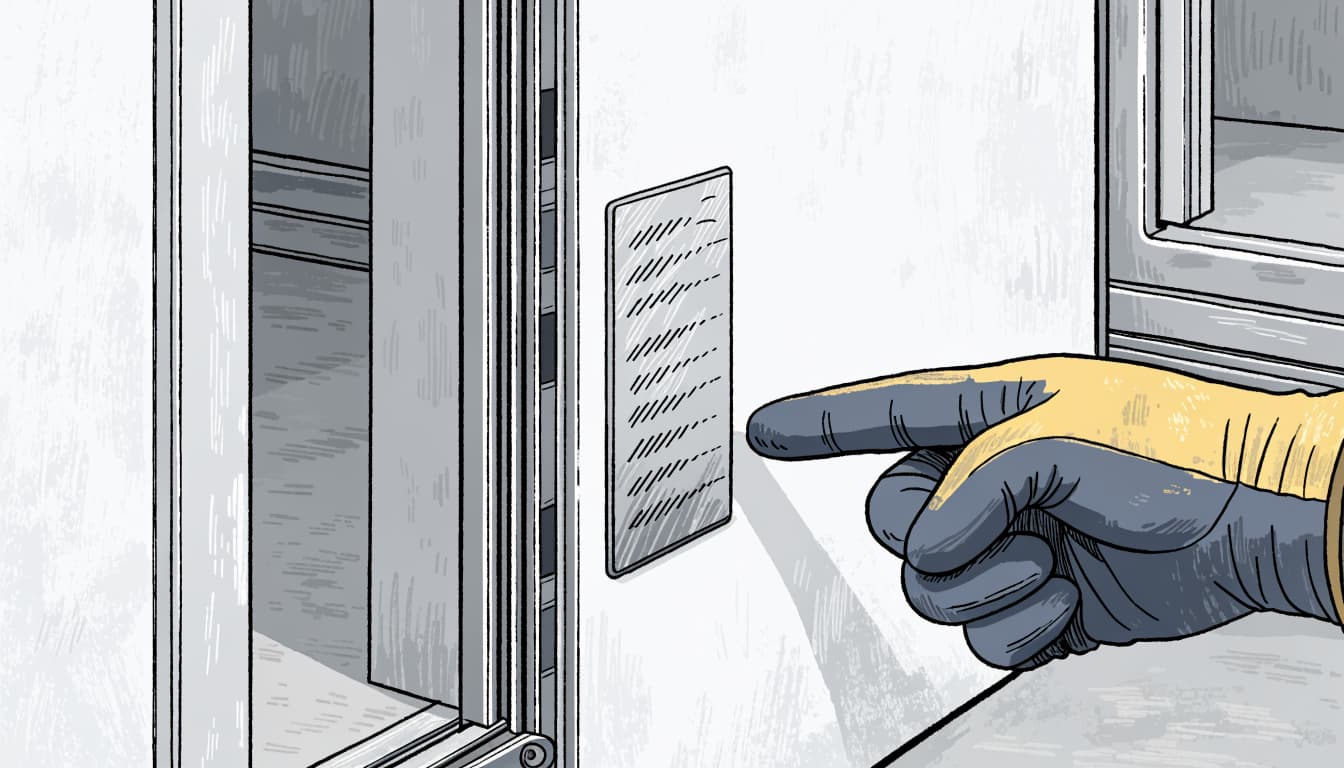
A rating plate is typically fixed to the lift or installed near its platform or entrance. Its exact position and layout vary by model, so look over the equipment and use the operating documents to identify the correct plate.

Match the plate to the lift

Read the plate on the specific lift you are loading, rather than relying on a general brochure or a rating from a similar-looking unit. Where the paperwork identifies a model or configuration, make sure it corresponds to the installed equipment. A plate needs to be present and readable, and its information should agree with the lift documents.

If the plate is missing, damaged, or inconsistent with the paperwork, pause loading. Have a qualified lift professional resolve the discrepancy before the equipment is used.

Read the rating as a whole

The capacity number has meaning only alongside its units and any conditions printed with it. A number without a unit, or one copied from another lift, can lead to a serious loading mistake. The lift capacity and operating limits handover guide covers how the rating should line up with the equipment's documentation.

Read the rated capacity and units

The rated capacity is the maximum load stated for the lift in the identified configuration and under its stated conditions. It is a ceiling, not a target. Keep the total weight on the platform within that limit.

Pay close attention to the units. A plate might state a capacity in pounds (lb) or kilograms (kg). Use the unit printed on the plate when weighing or calculating the load. Don't compare a figure in pounds with a figure in kilograms without converting it first.

Include everything that will travel on the platform. The load total includes the cargo, its packaging, and any cart, pallet, bin, or other handling device. If the lift's instructions count an attachment or equipment differently, follow those model-specific directions.

The rating doesn't tell you whether a bulky item will fit. Measure the load and consider the platform floor, gate opening, and available clearance. An item can weigh less than the limit and still be unsuitable if it blocks the gate or extends into the lift path.

Understand load center and distribution

Capacity depends on more than the number on the plate. The position of the weight can matter, particularly if the load sits heavily toward one side or edge. When the plate or operating documents specify a load center or loading position, follow that instruction exactly. The reference point and any stated limit are specific to the lift.

Keep the weight balanced

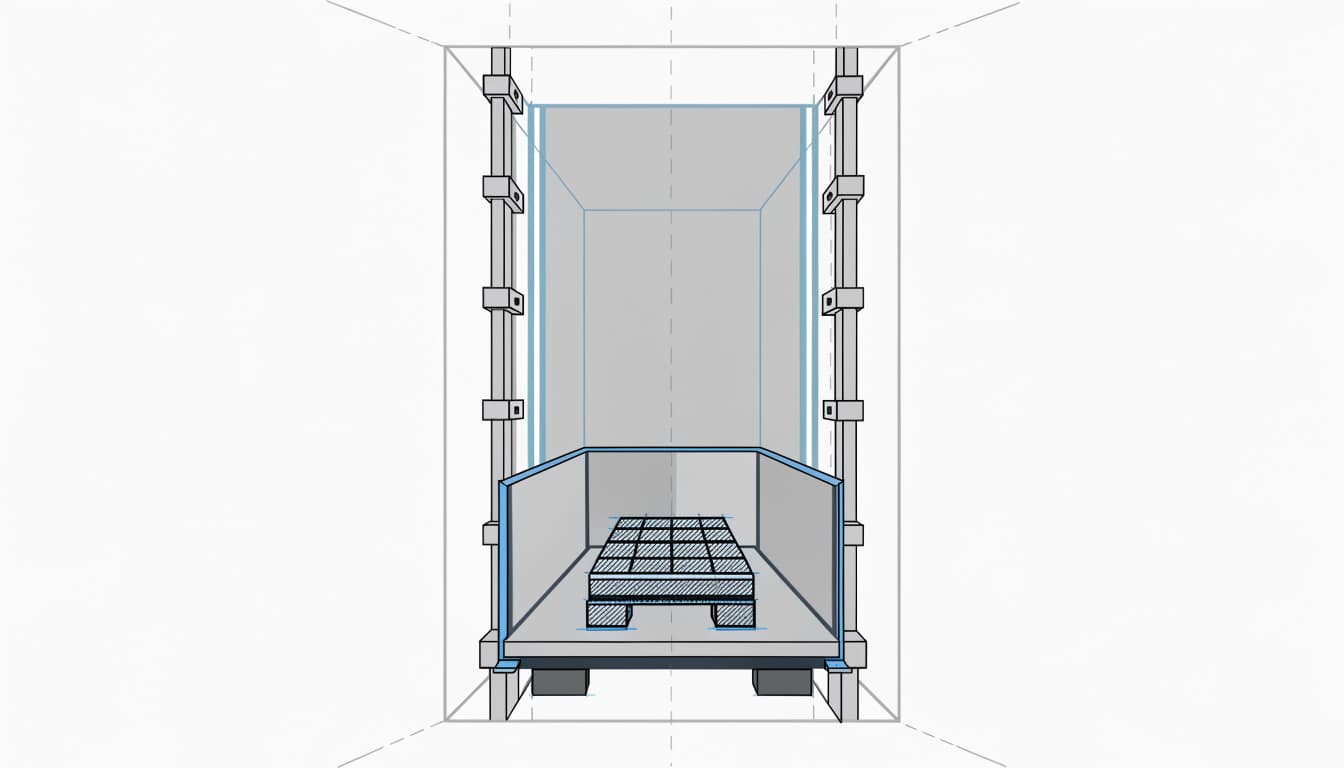
Place cargo within the platform's approved loading area and distribute it as the lift instructions require. A heavy machine pushed against one side can create a different load pattern from the same machine centered on the platform. Don't assume that staying under the total weight limit makes every position acceptable.

Control shifting and overhang

Secure rolling or unstable items using the lift's approved loading method. Keep cargo within the platform perimeter, and don't let handles, boards, or other parts project through a gate or into the travel path. If the load can't sit safely within the permitted area, split it into smaller trips instead of forcing it onto the platform.

Match the lift configuration

A capacity plate applies to the lift and configuration it identifies. Use the installed equipment's rating, not a rating from another model or a general capacity range. Where documents describe the platform, gates, or a particular arrangement, compare the load with that setup.

Configuration also means intended use. A cargo lift is for moving materials unless the manufacturer designed and approved that specific equipment for passengers. A platform that appears large enough for a person doesn't establish passenger approval. The cargo lift pre-operation safety checklist emphasizes identifying the equipment's approved use before each load moves.

The load must also fit the platform and access points. A rated capacity doesn't guarantee that a pallet, cart, or appliance can enter, travel, and leave safely. Consider the item's width and height as well as its weight.

Read any listed operating limits

Some plates or accompanying operating instructions state conditions that narrow how the capacity applies. Read all text alongside the number, including restrictions on use, loading, or configuration. Don't treat an overall capacity figure as permission to ignore those limits.

If a stated limit concerns a particular loading position, platform setup, or operating condition, apply it to the proposed load. When instructions give different limits for different configurations, use the one that matches the lift as installed and prepared for the trip.

A cargo lift's weight rating also doesn't make it a passenger elevator. People must not ride on a cargo platform unless that specific lift is designed and approved for passenger use. Passenger elevators and vertical platform lifts have different intended uses and equipment requirements.

Check a proposed load step by step

Use the same sequence each time so the load is assessed against the right rating and conditions.

  1. Identify the lift and its approved use. Read the plate and relevant operating information. Confirm that the equipment is intended for the task, and don't carry people on a cargo lift that isn't approved for passengers.
  2. Write down everything that will travel. Include the cargo, packaging, pallet, cart, bin, and any attached or carried equipment. Use known weights rather than estimating when the load is close to the limit.
  3. Add the weights in the plate's units. Compare the combined total with the rated capacity. If the plate states pounds, calculate the total in pounds.
  4. Check size and loading position. Confirm that the item fits through the opening and within the platform perimeter. Follow any stated load-center or distribution requirements.
  5. Apply the listed operating conditions. Make sure the actual lift configuration and loading method match the conditions attached to the rating. If they don't, don't proceed with that load.

For example, suppose a proposed load weighs 650 lb including its pallet and cart , and the plate states a 750 lb capacity for the applicable configuration. The total is 100 lb below the stated rating, so it passes the weight comparison. It still needs to fit within the platform and meet any load-position and operating limits. The 750 lb figure alone doesn't settle those checks.

Account for attachments and configuration changes

A cart, pallet, bin, or other handling device adds weight to the load. Attachments may also change where the weight sits or how much usable platform space remains. Count their weight and use only attachments approved for that lift.

Changes to the lift's setup can also affect usable capacity. A different platform arrangement or added attachment may have a separate rating or conditions. Don't assume the original plate's number automatically applies after a change. If the installed setup doesn't match the one covered by the plate and instructions, stop and have a qualified lift professional establish the approved capacity before loading.

Planning for the heaviest regular loads helps avoid choosing equipment that only works for occasional light trips. The example of sizing an outdoor lift for your heaviest loads uses 650 lb and 750 lb to show why capacity selection should include a margin, while also accounting for the installation and intended use.

Key Takeaways

  • Read the plate on the specific lift, and use its stated units.
  • Count the cargo and every cart, pallet, container, or attachment traveling with it.
  • Follow any stated load-center, distribution, configuration, and operating limits.
  • A load can be under the weight limit yet still fail the fit or positioning requirements.
  • Cargo equipment isn't passenger equipment unless that lift is designed and approved for riders.

Frequently Asked Questions

Does the capacity include the pallet or cart?

The combined load must stay within the rating. Include the pallet, cart, bin, and other items traveling on the platform unless the lift's specific instructions state another method.

Can a cargo lift carry a person if the weight is below its limit?

No. The weight rating doesn't approve passenger use. A cargo lift may carry people only when that specific equipment is designed and approved for passenger transport.

What if the plate is unreadable or doesn't match the paperwork?

Don't load the lift until the discrepancy is resolved. A qualified lift professional can identify the applicable rating and operating conditions for the installed equipment.

Make the plate part of every loading decision

A capacity plate gives you the starting point: rated load, units, and any conditions attached to the rating. The load still has to fit the approved configuration and be positioned according to the lift's instructions.

Count the whole load, including the equipment used to move it. When the plate and actual setup don't clearly match, pause and get qualified help before operating the lift.

Recent Posts

By Veranda 'Vator • November 19, 2026
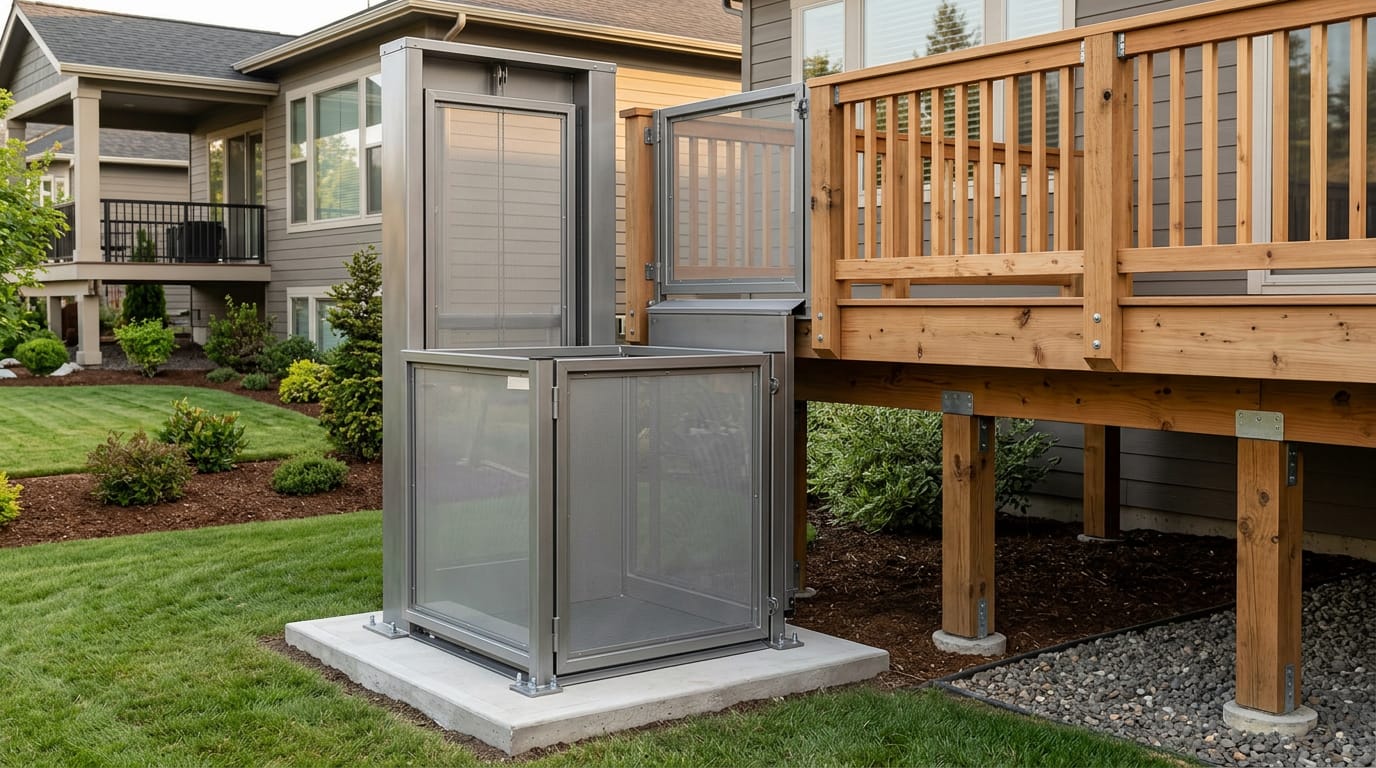
Yes, an outdoor lift can be installed at a wooden deck when the structure and lift support system are designed for the equipment's loads. Depending on the site, that may mean reinforcing the deck, building a separate foundation, or combining the two. For a safe outdoor lift in...

By Veranda 'Vator • November 17, 2026
Residential elevator overhead clearance depends on the model and its configuration. Published manufacturer examples range from 90.8 inches to 135 inches , but those figures apply to specific products, not every home elevator. If you're planning a lift, the space above the top...
By Veranda 'Vator • November 16, 2026
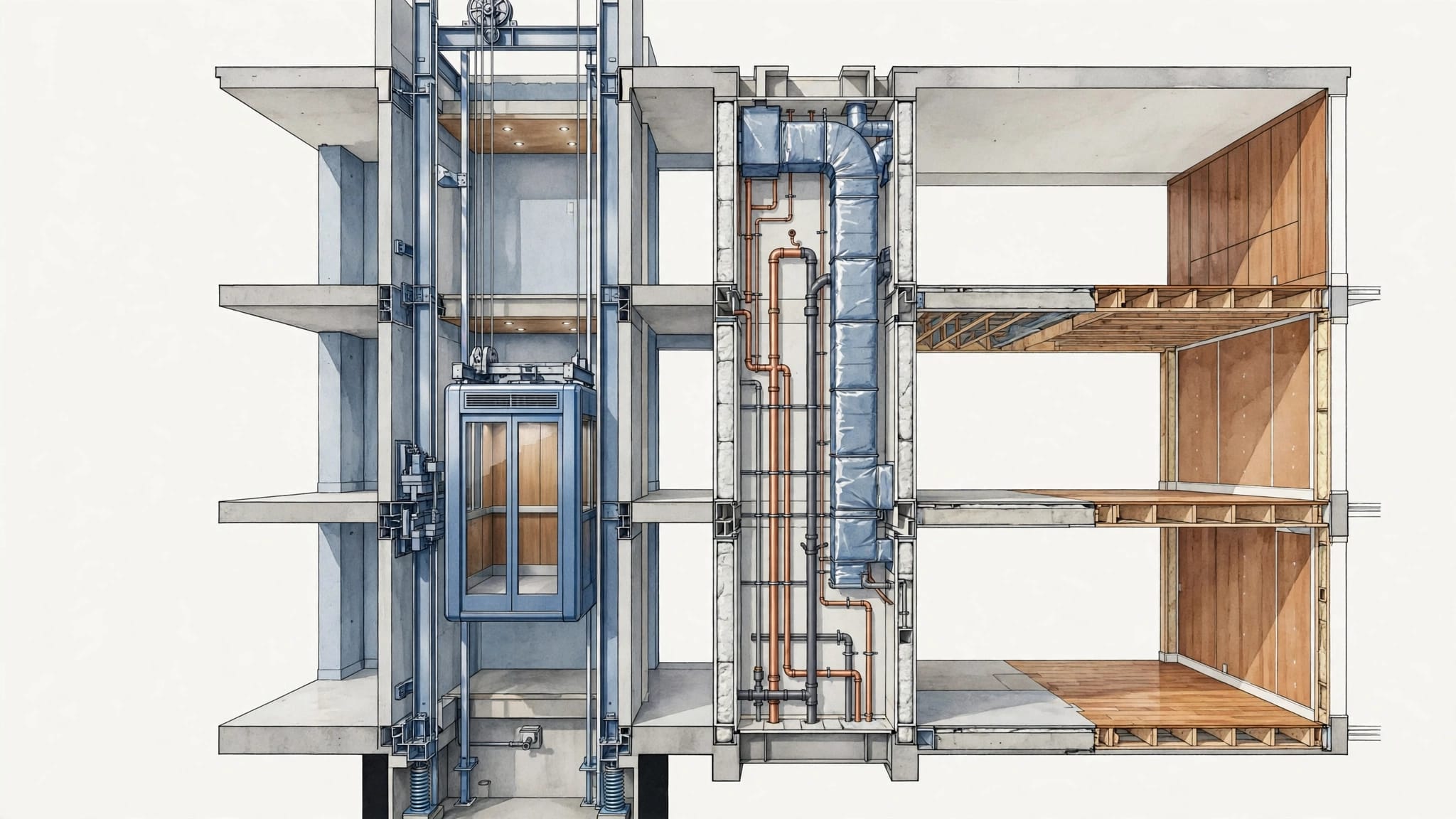
Ordinary household plumbing and HVAC lines generally should not pass through a residential elevator shaft. Limited provisions can allow certain services for the elevator space itself, as well as drainage equipment at the shaft base. For homeowners planning elevator shaft utili...

By Veranda 'Vator • November 15, 2026
Yes, a residential elevator can sometimes fit inside an existing stairwell. The opening must accommodate the elevator and its enclosure while leaving enough room for safe stair use and access at every landing. A workable fit depends on more than the width of the stairs. The ho...

By Veranda 'Vator • November 14, 2026
An elevator counterweight helps a traction elevator move by supplying force through the lift's cable and pulley system. As the car travels in one direction, the counterweight travels in the other. That arrangement can reduce the work the motor needs to do and lower energy use....

By Veranda 'Vator • November 13, 2026
A home elevator overload sensor detects when the load exceeds the elevator's rated capacity. It gives the control system information that helps protect the lift from carrying too much weight. For riders, the practical rule is simple: count everything in the car , including peo...

By Veranda 'Vator • November 12, 2026
An elevator overspeed governor monitors how fast an elevator car moves and can trigger a safety system if the car travels too fast. Its job is to detect excessive speed , not to handle the elevator's everyday stops. For property owners choosing a passenger elevator or cargo li...
By Veranda 'Vator • November 11, 2026
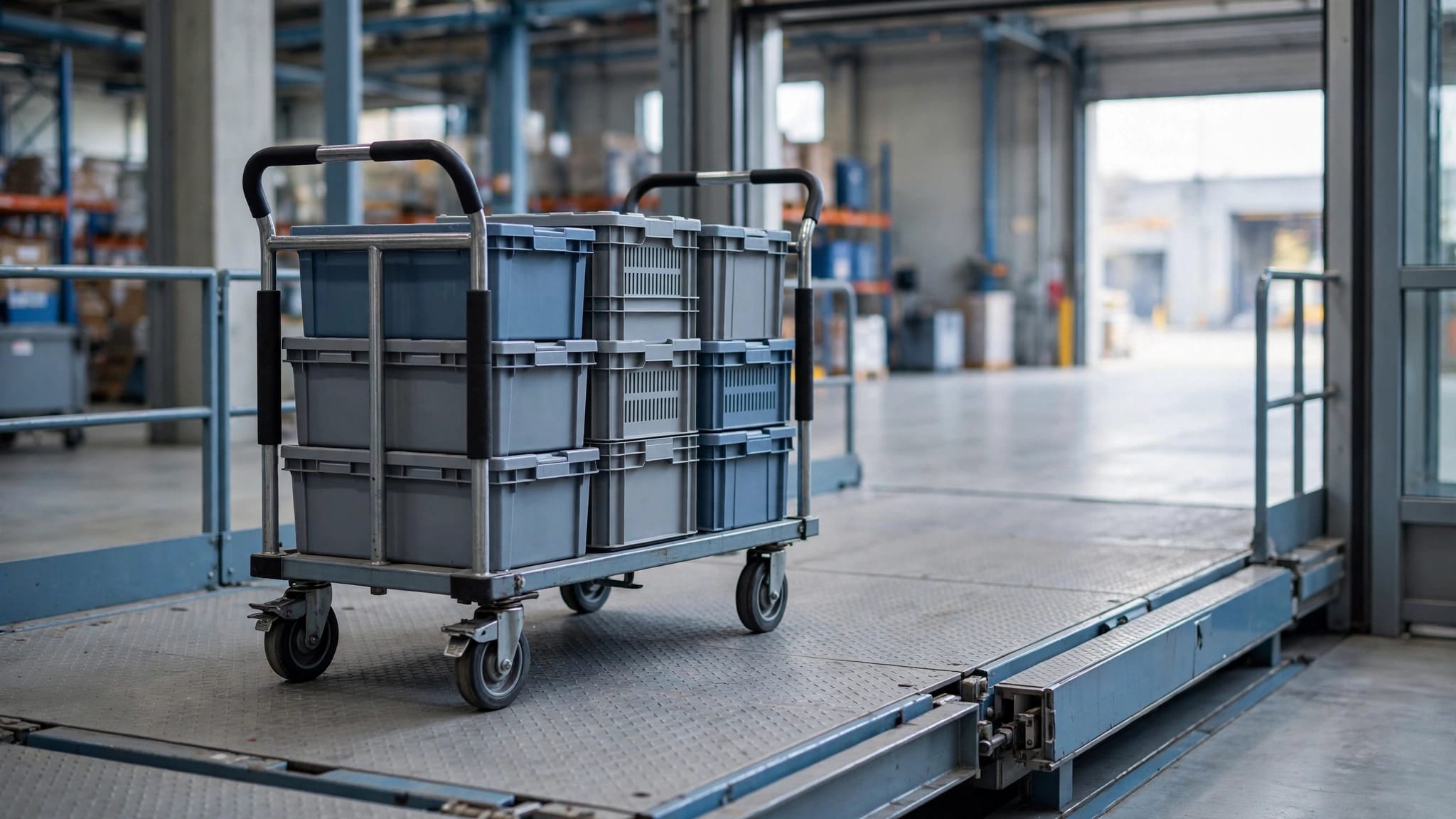
Cargo lift sizing starts with the largest loaded cart or bin you need to move, then accounts for its weight, dimensions, and route onto the platform. The right lift needs enough usable floor space and a clear opening, as well as a capacity rating that covers the entire load. T...

By Veranda 'Vator • November 10, 2026
Workers shouldn't ride a cargo lift that is rated for materials only. A platform may have enough room and weight capacity for a person, but that doesn't mean it has the protections or approval required for occupied travel. For cargo lift safety , the deciding factor is the equ...

By Veranda 'Vator • November 9, 2026
Residential elevator pit depth depends on the lift model and its installation requirements. Some designs need a recessed space below the lowest landing, while others may use a different arrangement. For homeowners, the pit is a construction detail as well as an equipment dimen...
Show More