
Outdoor Elevator Cable Inspection: Owner Warning Signs

Share this article

A lift that still moves can have damage you can't see. Outdoor elevator cable inspection starts with recognizing warning signs, but safe observation has strict limits.

You should only look from safe, publicly accessible areas, without touching cables or opening equipment. Fraying, corrosion, unusual movement, or new noises warrant prompt assessment by a licensed elevator professional.

Start by understanding what you can notice safely, and what only a professional inspection can establish.

Key Takeaways

  • Observe only from safe, publicly accessible areas. Never reach through guards, enter restricted spaces, or touch cables.
  • Visible fraying, deformation, unexpected slack, and corrosion need prompt professional assessment.
  • New noises, jerky travel, or uneven stopping also require attention, although cables may not be the cause.
  • Stop using equipment with suspected cable damage or safety-related faults. A visual check never replaces professional inspection.

Why Outdoor Exposure Matters

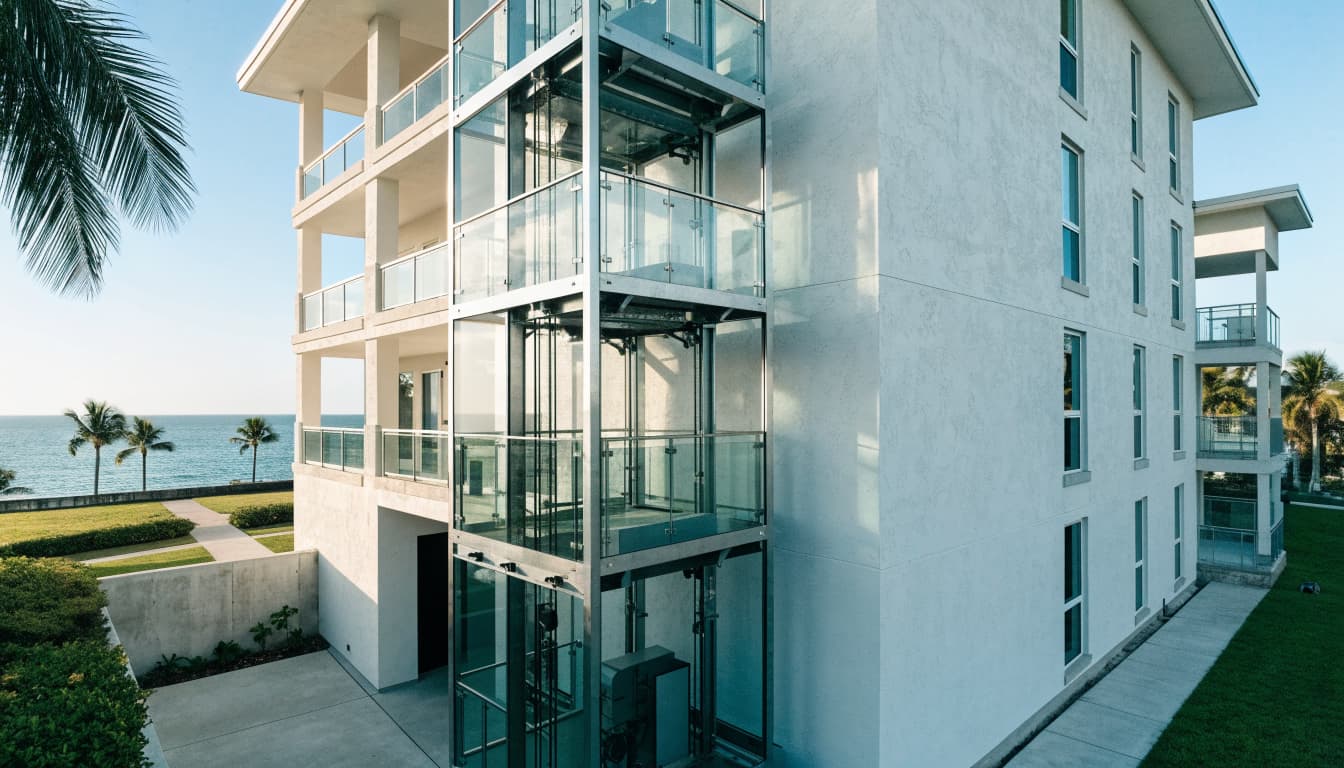
Outdoor lifting equipment faces rain, humidity, temperature changes, and windblown debris. Near beaches, bays, and canals, salt deposits add another source of corrosion.

When moisture wets chloride deposits, corrosion can accelerate on susceptible metal surfaces. Salt can also remain in seams and sheltered areas where owners can't see it.

Marine-grade materials, protective coatings, and weather-resistant enclosures reduce exposure, but they don't eliminate maintenance. In coastal Florida, drainage and storm history belong in the service discussion alongside cable condition.

The effects of salt air extend beyond cables to fasteners, gates, electrical connections, and other components. Therefore, a sound inspection considers the whole lift.

Standing water at landings or the equipment base is another warning sign. Report pooling or runoff directed toward the lift, rather than approaching wet electrical equipment to investigate.

Safe Boundaries for Owner Observation

An owner's role is to notice changes and report them. A licensed elevator professional determines their cause, severity, and required response.

Stay in Normal Access Areas

Look only from safe, publicly accessible areas, such as an unrestricted walkway or landing. Keep your body and any camera outside guards and openings.

Don't climb, lean over barriers, remove covers, or enter machinery spaces, pits, or enclosed lift travel areas. Never touch a cable to check for roughness, rust, or tension.

If cables aren't visible from an approved access area, leave them alone. Their concealed location doesn't justify opening the equipment, and you don't need a close-up photograph before requesting service.

Know Which Equipment You Have

Outdoor lifts don't all use the same drive system. Depending on the design, equipment may use wire ropes, chains, belts, or hydraulic components.

Use the equipment identification and manufacturer documentation when describing a concern. Avoid assuming every visible line is a load-bearing cable.

Also confirm the intended use. A cargo lift carries materials and must not carry people unless it has the required passenger design and approval. Passenger elevators and vertical platform lifts have different operating requirements. Never ride a cargo lift to investigate a noise.

Visible Cable Warning Signs Worth Reporting

Report any visible cable abnormality promptly. If you suspect cable damage, stop using the lift until a licensed elevator professional assesses it.

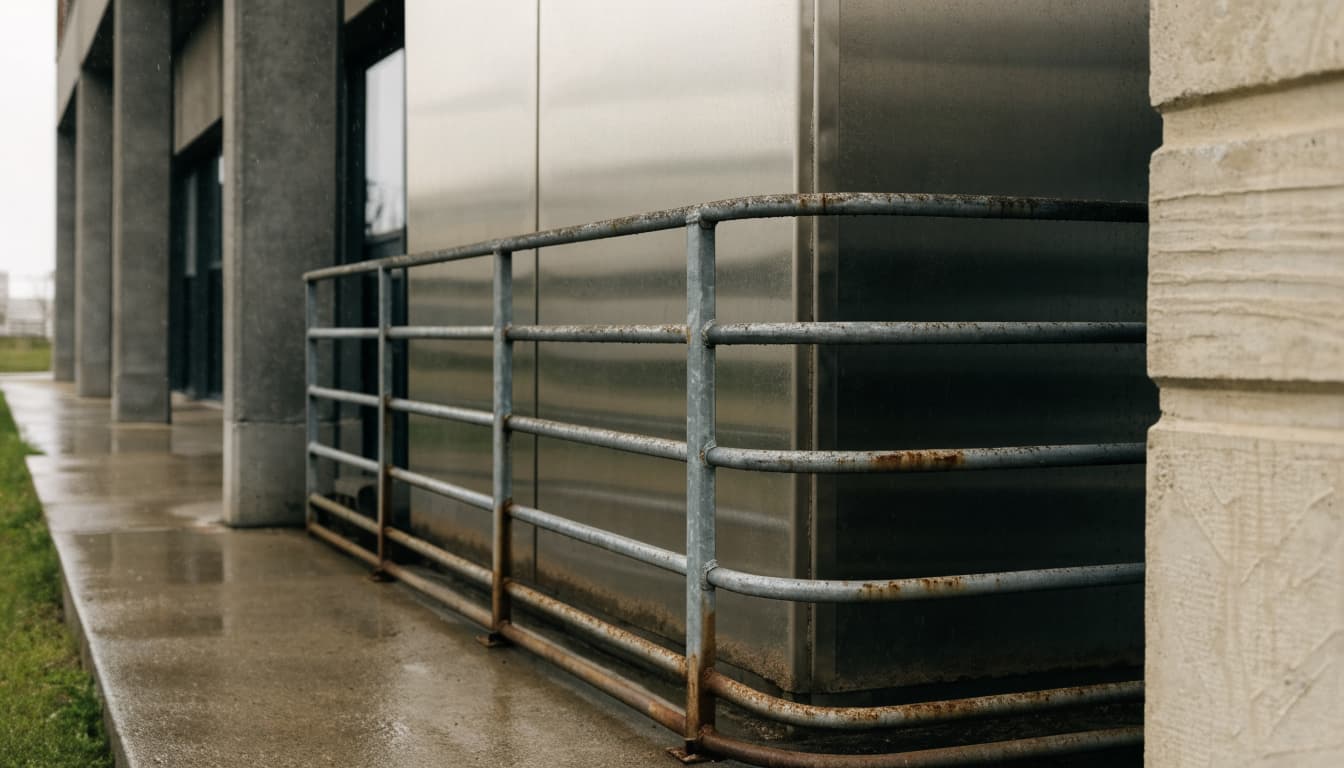
Rust on an exterior guard doesn't establish cable damage. However, it is a useful clue about weather exposure that the technician should evaluate.

Fraying or Protruding Wires

Steel wire ropes contain multiple wires arranged in strands. Visible fraying or wires projecting from the rope's surface deserve immediate attention.

Don't move closer to count broken wires or run your hand along the cable. Owners can't determine acceptable wear by appearance alone. The professional must apply the criteria for that rope, equipment, and installation.

Rust, Pitting, or Surface Changes

Report rust-colored deposits, apparent pitting, or deterioration visible from a safe position. Note whether the change appears on a cable, nearby bracket, fastener, or protective cover.

These locations matter because corrosion on a load-bearing component differs from discoloration on an enclosure. Leave that distinction to the professional when the affected part isn't clear.

Deformation or Unexpected Slack

A kink, flattened area, distorted strand pattern, or unusual bulge warrants assessment. Likewise, report a cable that appears newly sagged or behaves differently than before.

Cable routing and tension vary by design and operating position. Therefore, don't compare one lift with another or attempt to judge tension yourself. Describe what changed without pulling, tightening, or repositioning anything.

Operating Changes That Also Need Attention

Some important warnings appear during normal use rather than as visible cable damage. They can involve cables, guides, brakes, controls, or other components.

New Scraping, Clicking, or Uneven Travel

Report new scraping, repeated clicking, grinding, vibration, or jerky movement. Note when it occurred during ordinary operation, such as departure, travel, or arrival.

These symptoms don't prove that a cable is failing. For example, a guide or alignment problem can also affect movement. However, an unexplained change deserves professional attention because owners can't distinguish the causes safely.

Stop using the lift when movement becomes abnormal. Don't run extra trips, add weight, or stand beside moving components to reproduce the symptom.

Uneven Stops or Changed Control Behavior

An elevator that stops noticeably above or below a landing creates a boarding hazard. Delayed stops, inconsistent responses, or gates that don't latch normally also need assessment.

Avoid stepping across an unexpected height difference or encouraging someone else to try the lift. Instead, report the landing involved and what happened.

A normal-looking cable doesn't rule out a brake, interlock, control, or hidden rope problem.

Keep operating warnings separate from your diagnosis. "The platform stopped below the upper landing" gives the service provider useful information without guessing which component failed.

What to Do When Something Looks Wrong

Visible warning signs warrant prompt assessment by a licensed elevator professional familiar with the lift's make, model, and outdoor installation.

For suspected cable damage, abnormal movement, or another safety-related fault, take these steps:

  1. Stop normal use and keep other users away from the equipment.
  2. Contact the elevator service provider and describe the visible change or operating symptom.
  3. Record the date, location, recent weather, and any displayed fault message.
  4. Wait for professional instructions and clearance before returning the lift to service.

If the manufacturer provides an owner shutdown procedure, follow it only through normal, safely accessible controls. Don't open electrical enclosures or assume switching off a control removes every hazard.

You can photograph an issue from a safe, publicly accessible position. However, getting a better image never justifies crossing a barrier or approaching damaged equipment.

Don't repeatedly reset protective devices or restart the lift to see whether the fault clears. Follow safe elevator fault responses and give the technician the exact message you observed.

If someone is trapped, use the emergency communication system and contact emergency services when needed. Owners should never attempt cable adjustments, forced door opening, or mechanical rescue.

What Professional Elevator Cable Inspection Covers

A professional inspection goes beyond identifying visible rust or fraying. The technician evaluates cable condition together with the components that support, guide, and control movement.

Cable Condition and Related Components

Depending on the design, the technician may evaluate rope diameter, broken wires, corrosion, deformation, attachment condition, and tension. They may also inspect sheaves, which are grooved wheels that guide ropes.

Cable assessment must follow the manufacturer's requirements and applicable safety criteria. There isn't one owner-friendly broken-wire count or replacement age that applies to every outdoor lift.

Maintenance also requires control of electrical power, gravity, and other stored energy. The maintenance energy-isolation procedures explain why owners should leave equipment access and repairs to trained personnel.

Safety Systems, Weather Protection, and Records

The inspection may include brakes, rails, anchors, gates, interlocks, limit switches, controls, and emergency communication equipment. Outdoor service should also address drainage, seals, enclosure damage, and water intrusion.

ASME A17.1 is commonly associated with elevators; ASME A18.1 covers many vertical platform lifts. The equipment category and local authority determine the applicable requirements.

Arrange professional outdoor lift inspections according to the manufacturer's documentation and local requirements. Service frequency also depends on use, exposure, and storm history.

Ask for written findings, required repairs, and return-to-service instructions. Keep those records with the equipment manual and previous inspection reports.

Frequently Asked Questions

How Often Should Owners Look for Warning Signs?

Follow the manufacturer's instructions rather than a universal calendar. Routine observation should complement scheduled professional service, with added attention after severe weather or a change in operation.

The coastal lift maintenance checklist can help organize exterior observations around drainage, gates, weather exposure, and visible hardware. It doesn't replace your lift's documentation or authorize equipment access.

Can Owners Clean or Lubricate a Suspect Cable?

No. Don't touch, clean, lubricate, tighten, or repair a suspect cable. Applying a household lubricant or removing rust can obscure the condition the technician needs to assess.

A licensed elevator professional should decide whether the equipment needs approved lubrication, cleaning, adjustment, replacement, or another repair. Keep the lift out of use when cable damage is suspected.

Is a Lift Safe After a Storm If It Still Moves?

Movement doesn't establish safety. Floodwater, debris impact, and wind damage can leave hidden mechanical or electrical problems.

If floodwater reached the equipment or storm damage is suspected, keep it out of service pending professional assessment. Don't restart it because exposed surfaces have dried. Report the event and follow the manufacturer's storm procedures.

Recognize the Warning, Leave the Diagnosis to Professionals

Your most useful contribution is noticing a change early and reporting it accurately. Observe only from safe, publicly accessible areas, and keep suspected cable damage out of service.

A visual check can't confirm cable strength or hidden system condition. Professional inspection determines the next steps, even when the lift still moves and the visible problem seems small.

Recent Posts

By Veranda 'Vator • October 3, 2026
An elevator mounted outside your home can still create a path for fire and smoke at its landings. Outdoor elevator fire separation depends on the whole installation , including the lift classification, house wall, openings, and adopted local codes. You can't determine the requ...
By Veranda 'Vator • October 2, 2026
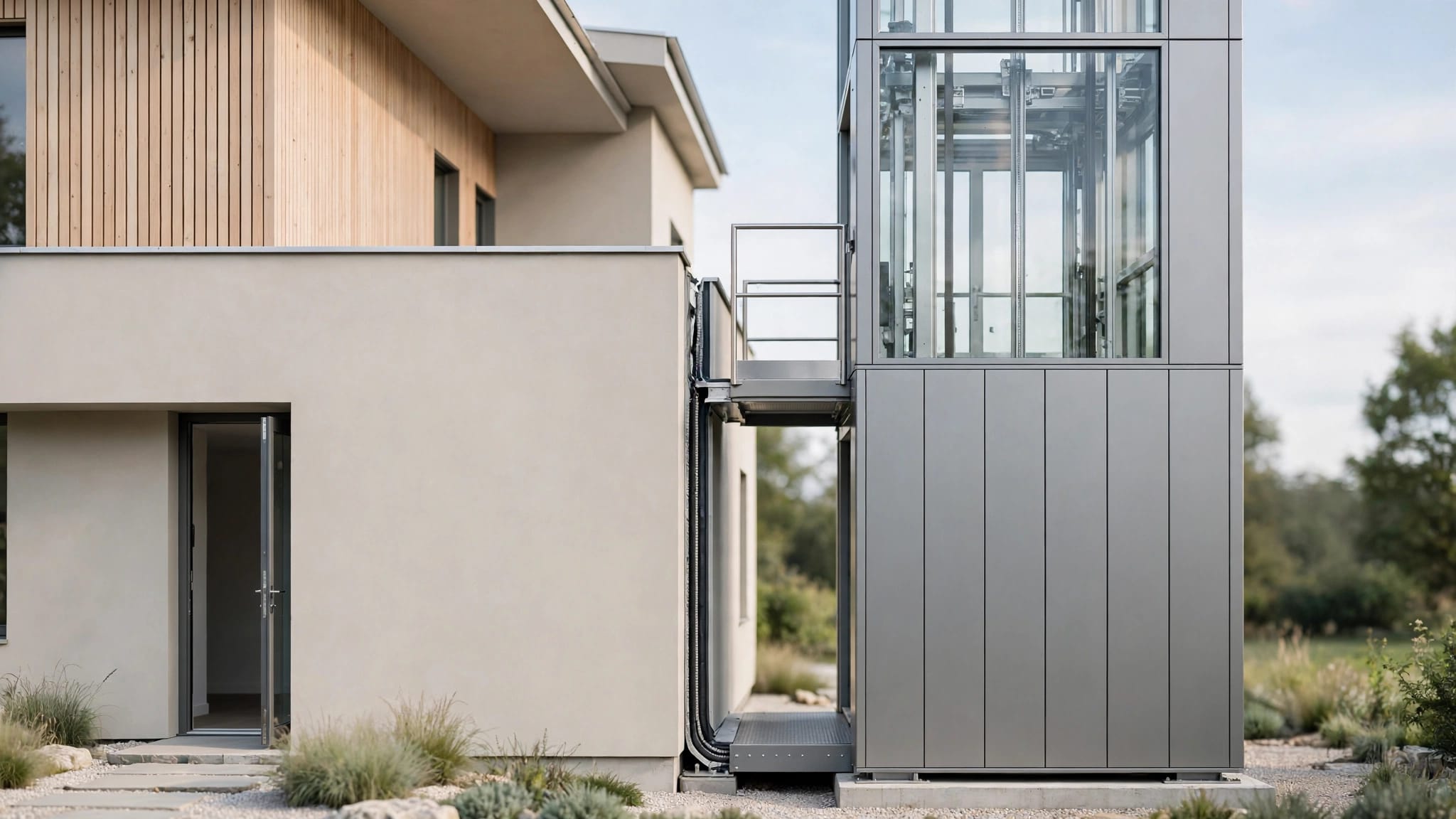
An outdoor lift tower and your home can move differently, even when they stand inches apart. Planning lift tower expansion joints early helps protect the connection against water intrusion, damaged finishes, and unsafe changes at landings. The goal is to accommodate differenti...
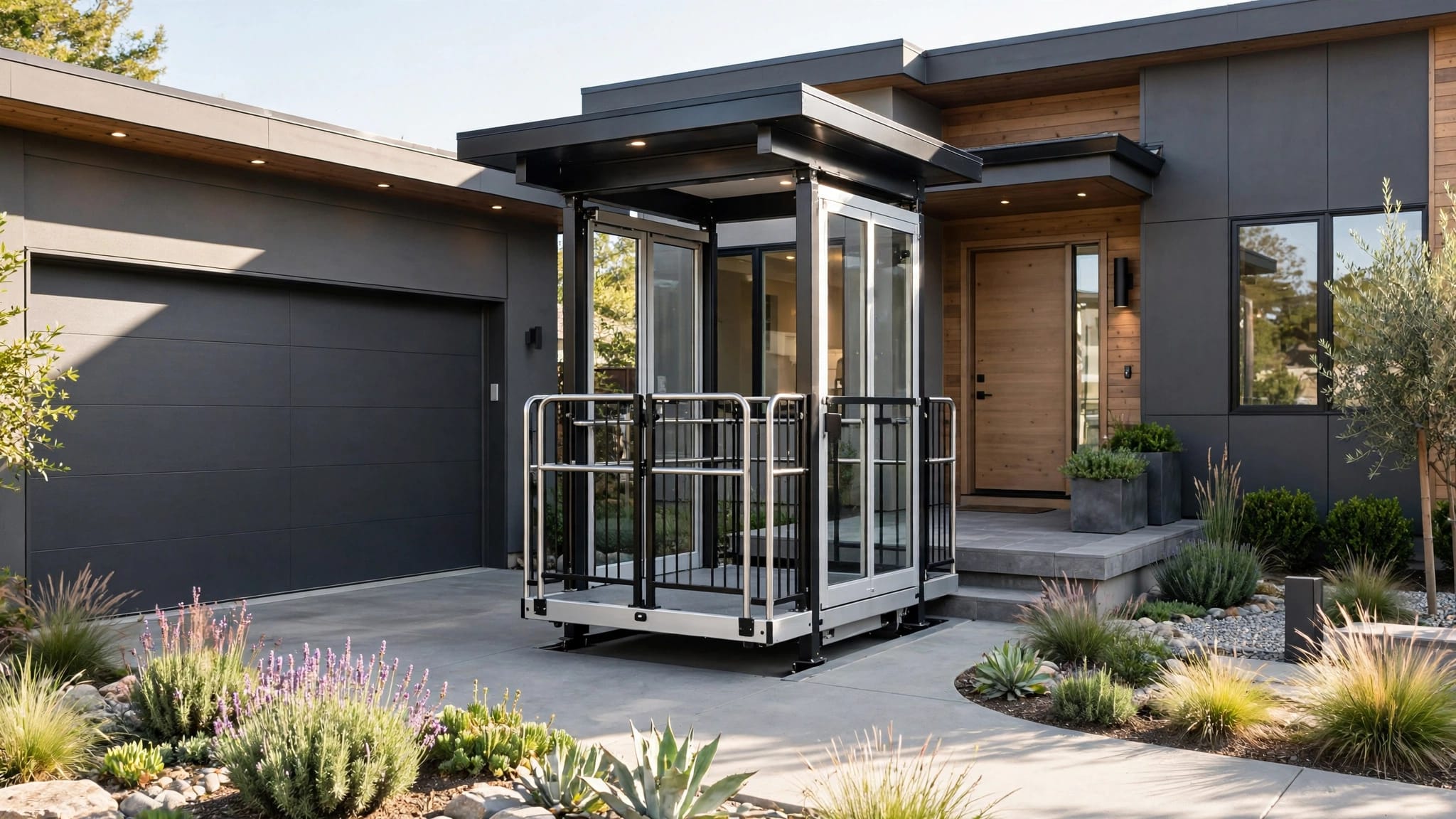
By Veranda 'Vator • October 1, 2026
The hardest part of getting home may be the stairs between your garage and front door. An outdoor home lift can remove that barrier, but the right installation depends on who uses it and where it lands. For wheelchair access, groceries, or everyday passenger travel, the comple...
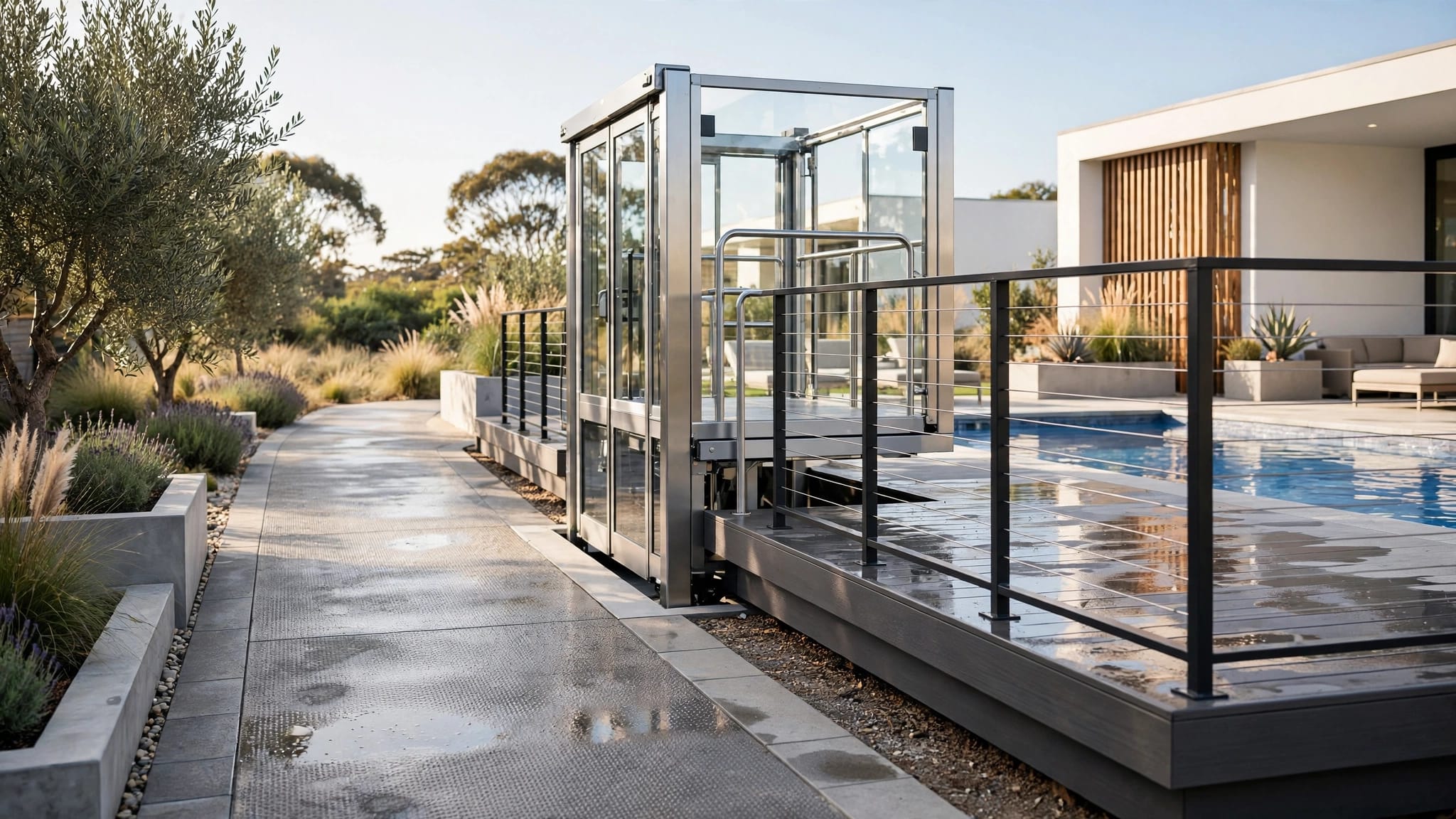
By Veranda 'Vator • September 30, 2026
A lift can make a raised pool deck easier to reach, but its location needs more thought than finding an empty corner. Pool deck lifts must work with wet surfaces, changing weather, structural loads, and the people using them. Start with the complete access route , including bo...
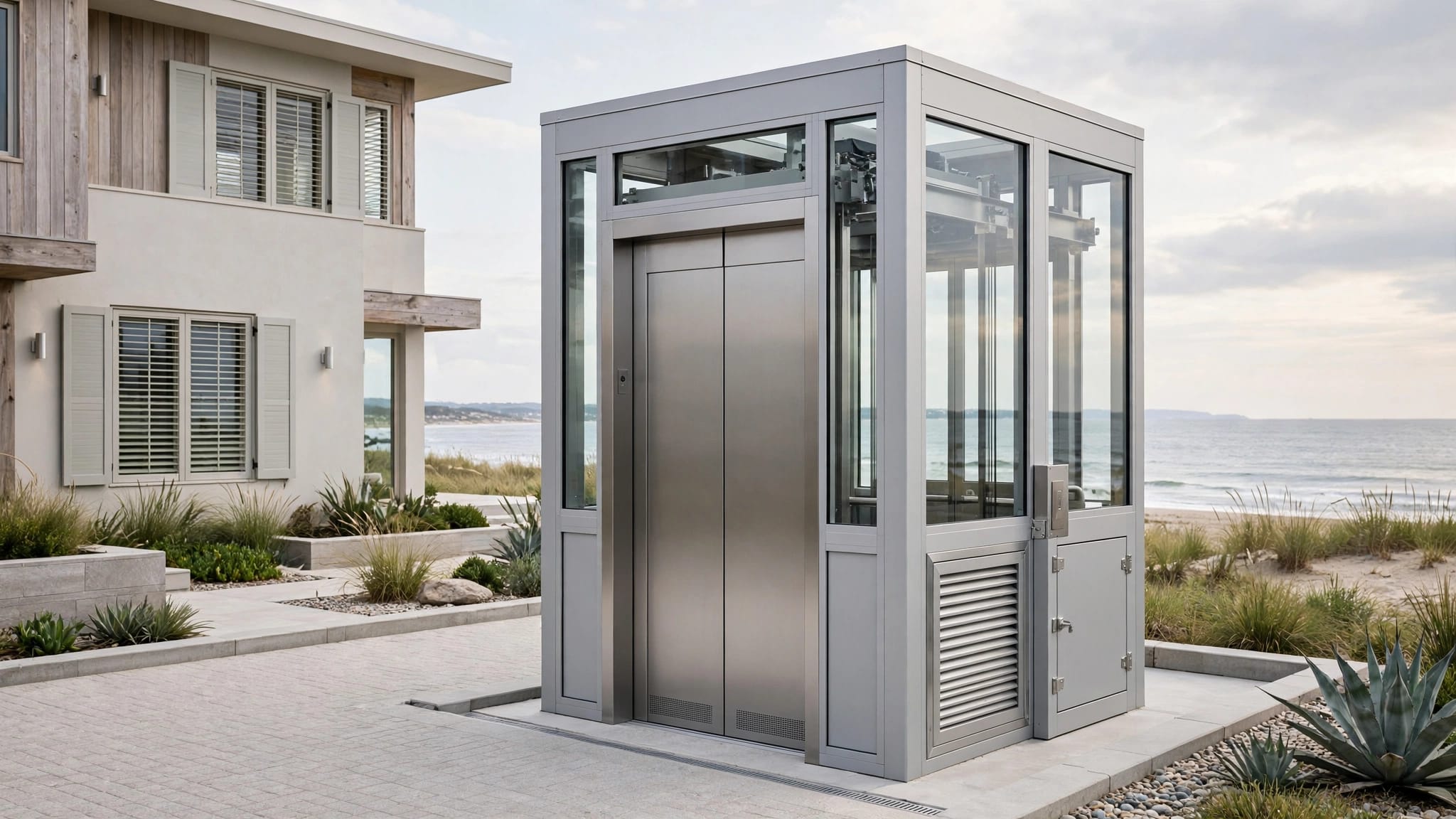
By Veranda 'Vator • September 29, 2026
A lift can fit beside your beach house on paper and still leave too little room to open its door, reach its controls, or service it after a storm. Clearance planning has to account for the whole installation, not only the space occupied by the car or platform. For a coastal ho...
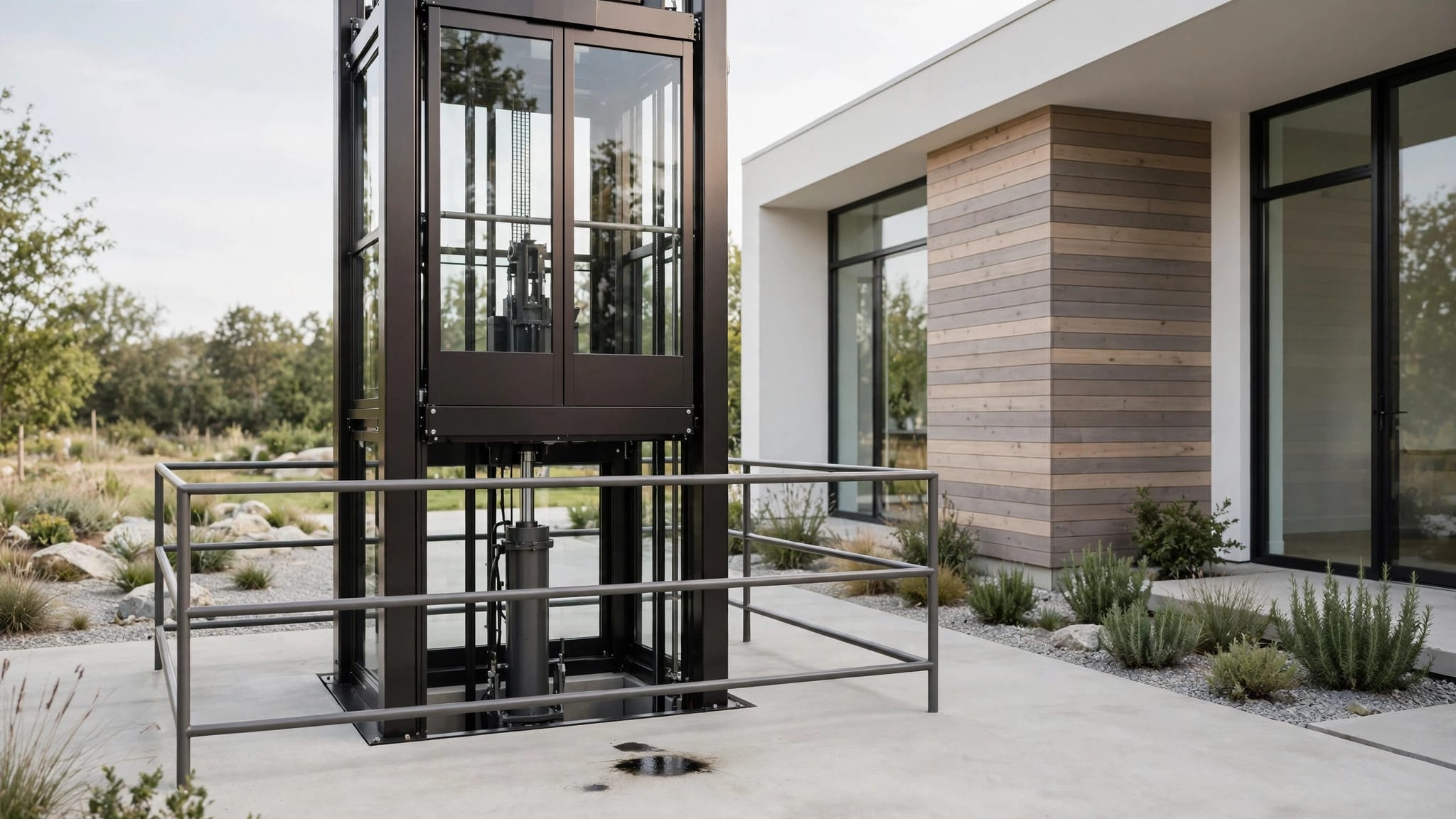
By Veranda 'Vator • September 28, 2026
A wet patch beside your outdoor lift can make you wonder whether it's safe to use. If you suspect an outdoor elevator oil leak , stop using the equipment and keep people away until a qualified elevator technician evaluates it. A stain alone can't tell you what leaked or where...
By Veranda 'Vator • September 27, 2026
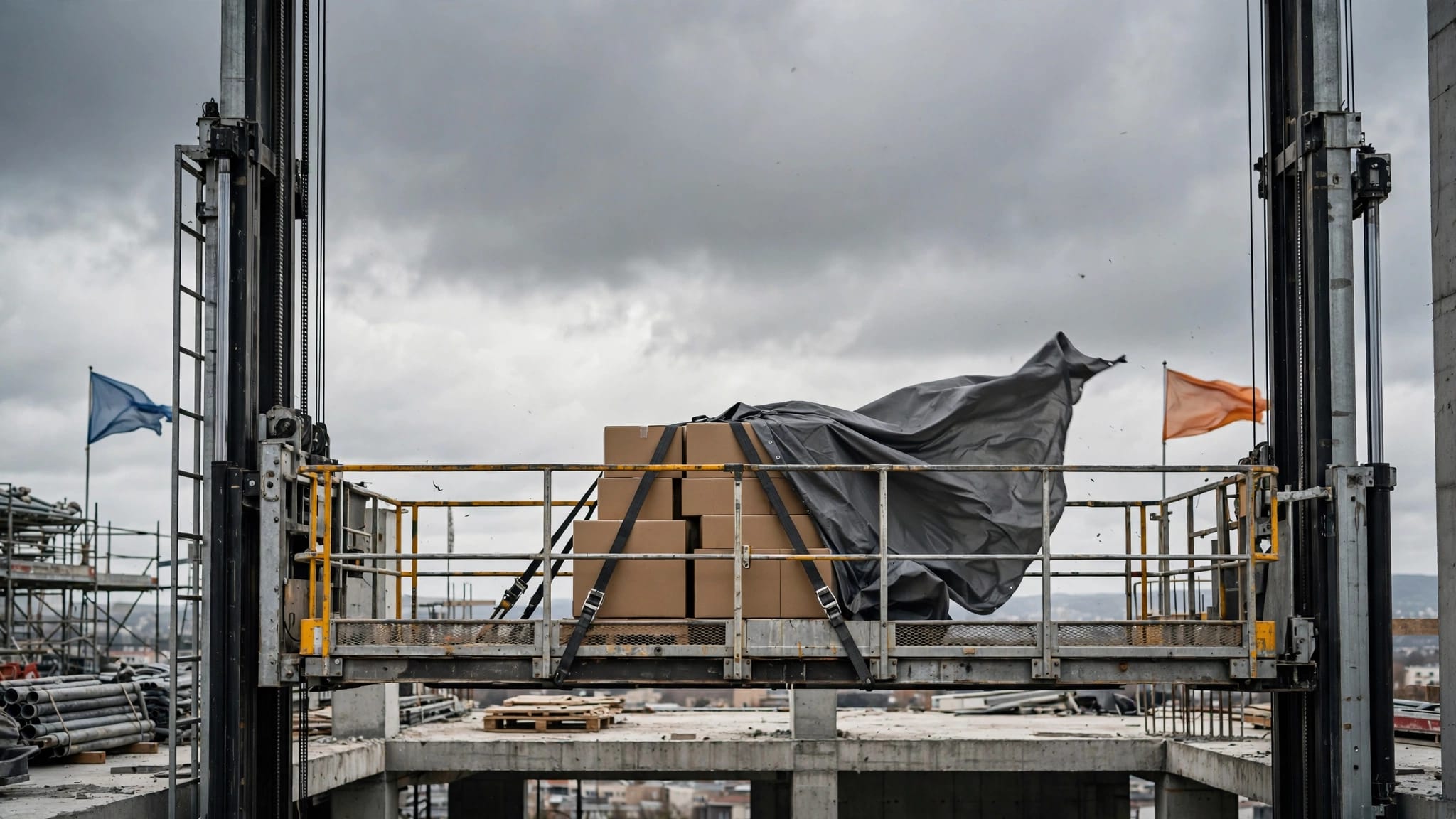
For cargo lift wind safety, start before the platform moves . A box that stays put on the ground can shift at an exposed landing. There’s no universal wind speed threshold, so assess whether the lift and load suit conditions at the site. Wind restrictions vary by lift, install...
By Veranda 'Vator • September 26, 2026
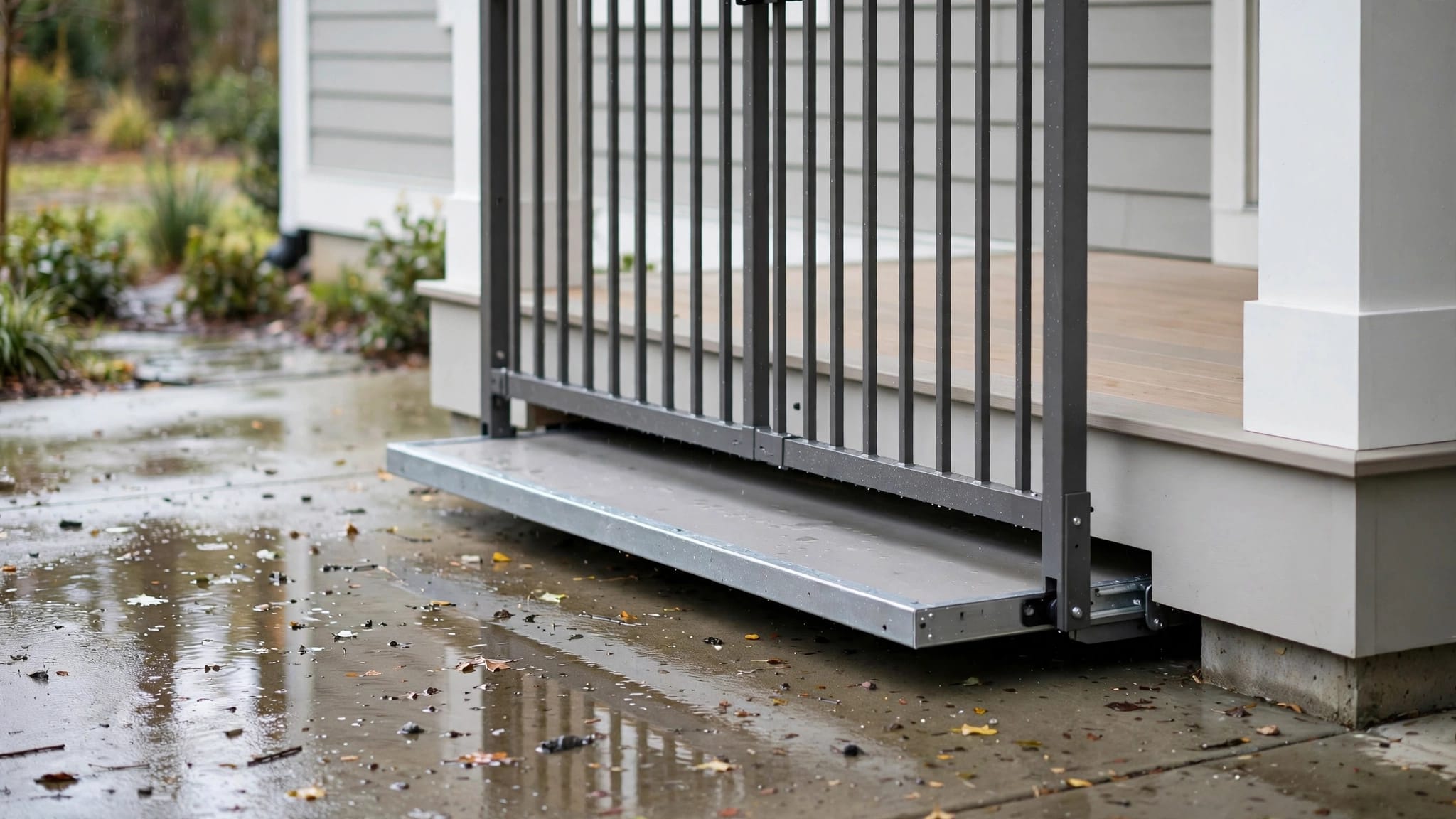
A platform that stops a little above the porch can turn an ordinary delivery or wheelchair trip into a fall hazard. Outdoor elevator leveling problems deserve attention even when the lift still moves and its gates appear to work. You can check the landing and surrounding area...
By Veranda 'Vator • September 25, 2026
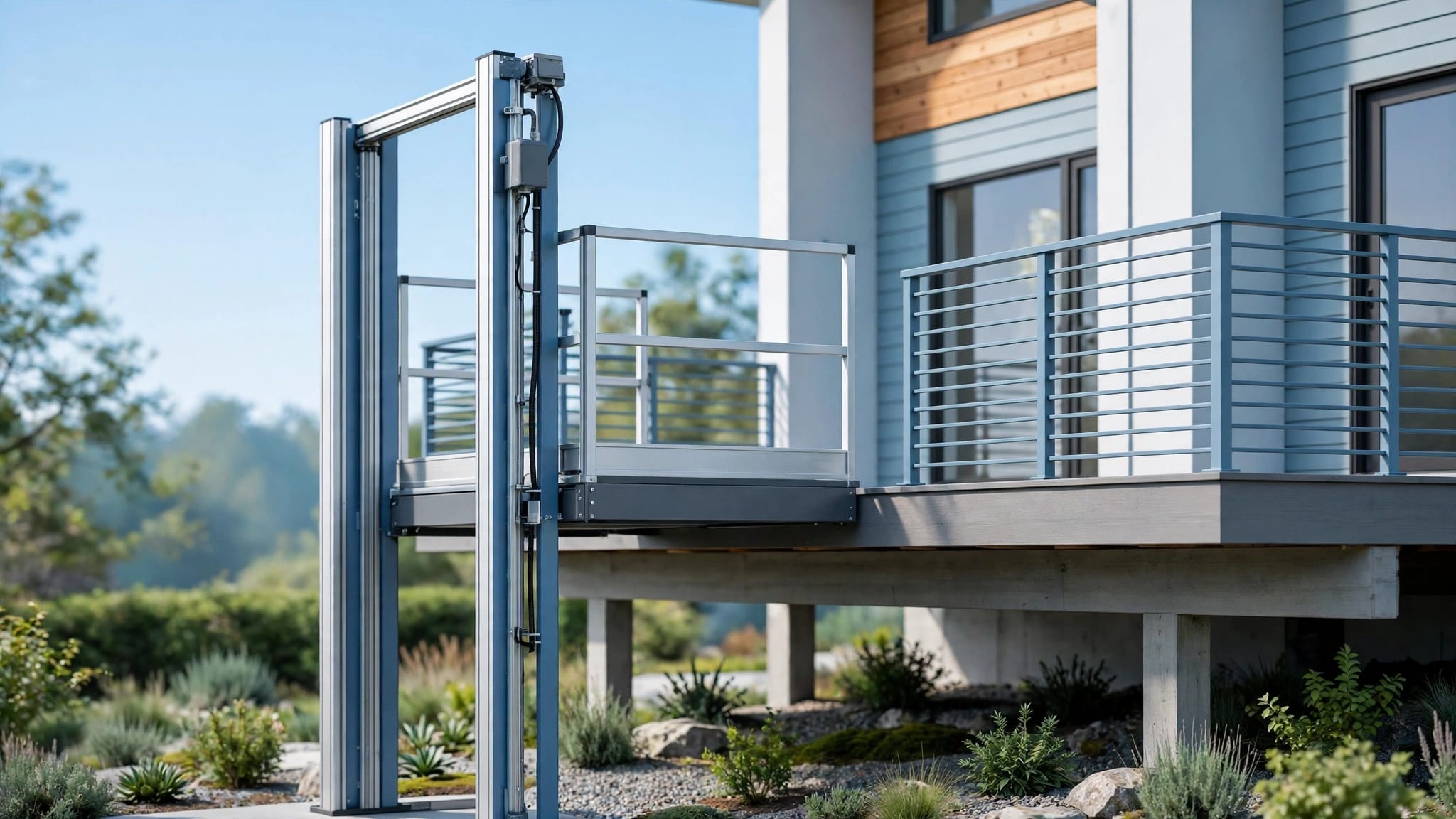
An outdoor lift that travels past its intended stopping point can leave a passenger at an unsafe landing or put the equipment against the end of its travel path. Endpoint protection helps prevent that overrun. Lift limit switches tell the control system when the car or platfor...
By Veranda 'Vator • September 24, 2026
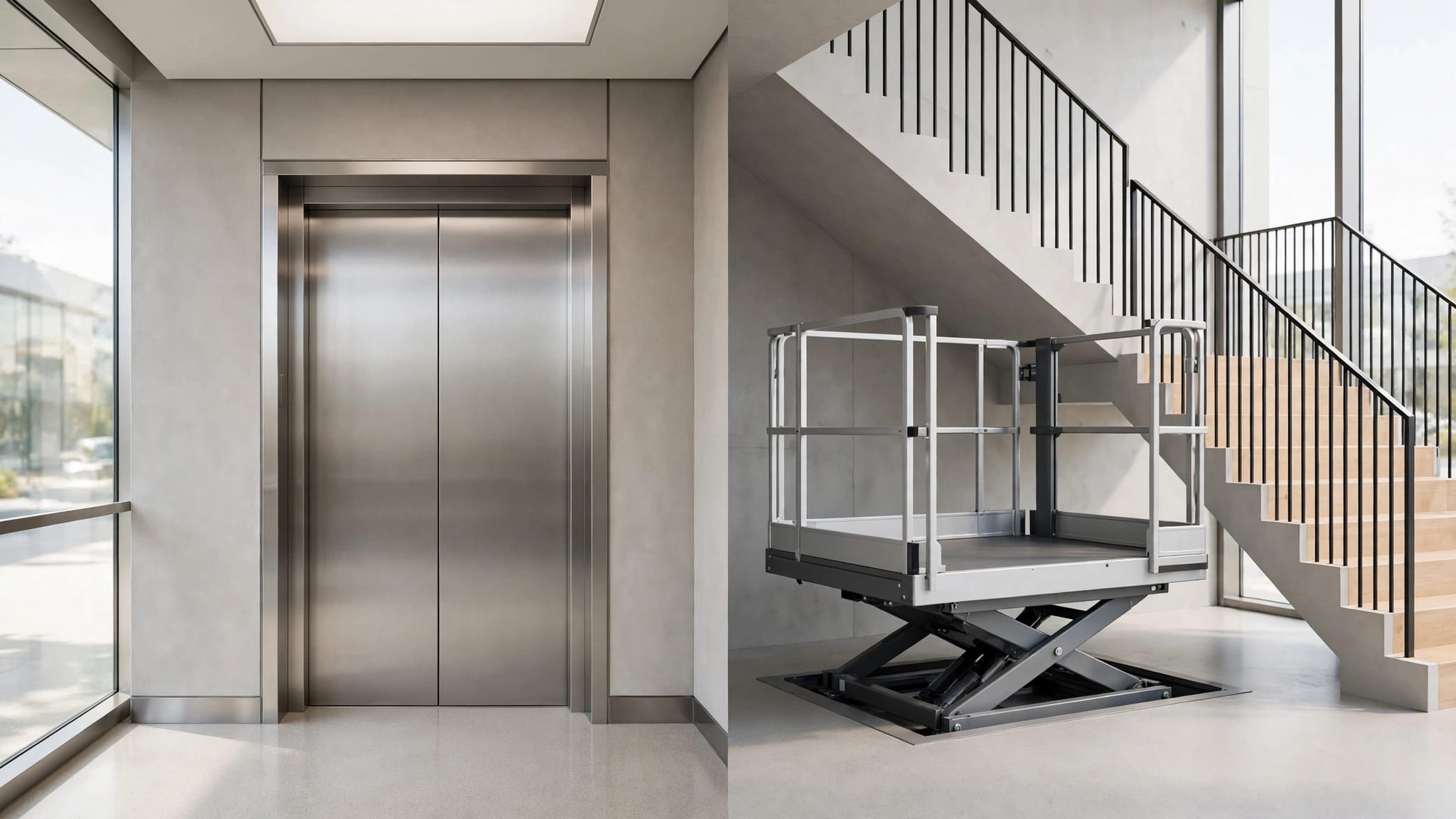
A lift can look right for your building and still follow the wrong approval path. If you're comparing A17.1 vs A18.1 , the first question is what the equipment is designed to carry, not what a seller calls it. Passenger elevators, wheelchair platform lifts, and cargo lifts hav...
Show More