Why Dual Mast Outdoor Elevators Reduce Platform Sway

Share this article

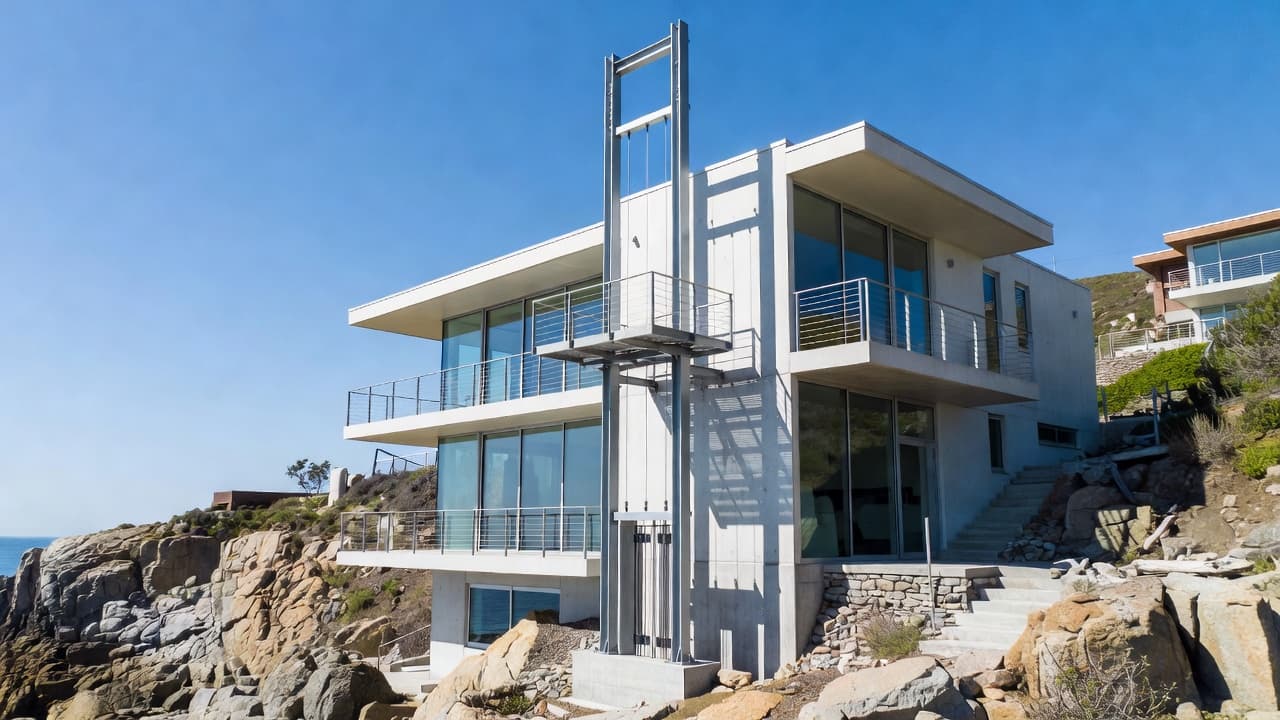
A moving platform can feel unstable when it shifts sideways, especially near the upper levels of an exterior lift. Dual mast outdoor elevators reduce that movement by supporting and guiding the platform on both sides instead of relying on one vertical support line.

The result depends on more than the number of masts. Mast stiffness, anchorage, guide components, platform loading, wind exposure, and operating speed all affect the ride. Understanding these factors helps facility managers and property owners choose a lift that feels controlled without overstating what a dual-mast design can do.

Key Takeaways

  • Two masts spread guide forces across the platform and reduce twisting caused by uneven loads.
  • Platform sway is slow lateral movement, while vibration usually comes from mechanical or structural sources.
  • Wind, loose anchors, worn rollers, poor alignment, and off-center loads can still cause sway.
  • A stable lift requires proper engineering, rated capacity, regular inspection, and controlled loading.
  • Cargo lifts and passenger elevators have different enclosure, control, code, and safety requirements.

Why Outdoor Lift Platforms Move Sideways

Platform sway is lateral movement that occurs as the platform travels or responds to an outside force. A person standing on the platform may feel a gentle side-to-side shift, while a pallet or appliance can create a sharper movement if the load is off-center.

A single support mast can guide a platform effectively when the load stays near the guide path. However, an uneven load creates a moment, or turning force, around that path. A heavy object placed near one edge can push one side of the platform downward and the opposite side upward. The platform then tries to rotate while the guide system resists that rotation.

Wind adds another source of lateral force. Exterior elevators mounted beside tall homes, warehouses, garages, or coastal structures can experience gusts that push against the platform, gates, enclosure, or transported materials. The effect often becomes more noticeable when the platform is stopped at an elevated landing.

The building connection also matters. If mast brackets attach to flexible framing, thin cladding, or poorly aligned supports, the mast can move even when the steel itself is strong. Small clearances in rollers or guide shoes can add to the movement. A platform may therefore sway because of the installation, not because the lift lacks a second mast.

Load placement is another common cause. A platform rated for 750 or 1,000 pounds still needs the weight distributed within the manufacturer's loading area. Maximum capacity describes the permitted total load. It doesn't mean every arrangement of that load produces the same ride.

How dual mast outdoor elevators reduce platform sway

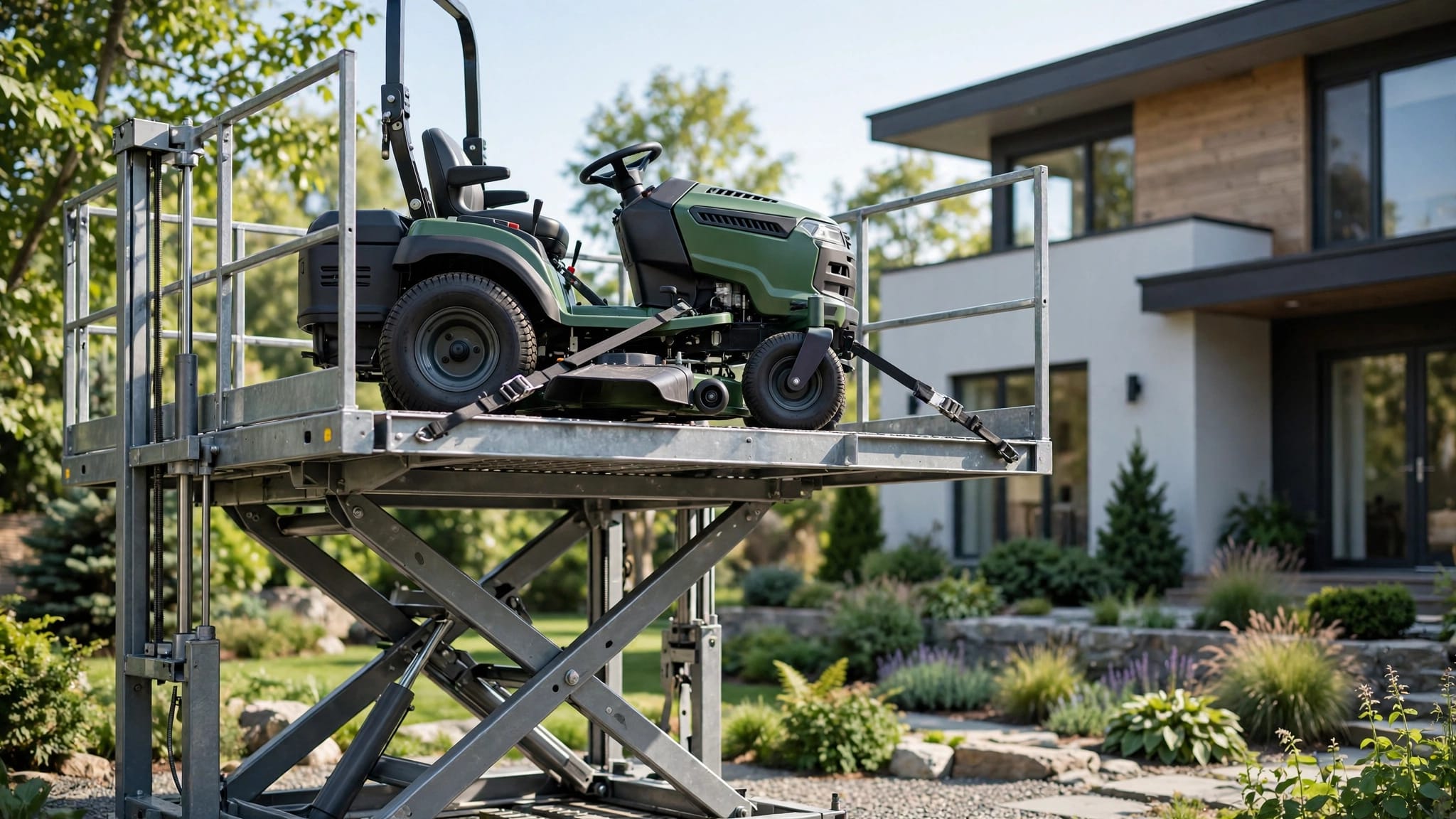
A dual-mast system places vertical guides on opposite sides of the platform. The platform frame connects to both guide paths, so lateral forces travel through a wider support arrangement. That wider spacing improves resistance to rotation around the platform's center.

When a load sits closer to one side, the two masts can share the resulting guide forces. One side may carry more force than the other, but the pair works together to control twisting. The platform stays more square to the building and its landings.

The geometry is similar to carrying a rigid board with two supports instead of balancing it on one center point. The two support locations limit rotation because the platform has to move against both guides. This doesn't eliminate every movement, but it gives the structure more control over uneven forces.

Dual masts also provide a more consistent guide path when the platform travels through a tall vertical run. Properly aligned rails, rollers, or guide shoes maintain contact on both sides. That contact limits the small angular changes that can produce a noticeable rocking sensation.

A dual-mast installation spreads lateral loads across two guide paths, but the structure still needs sound attachment points. Engineers and installers must account for the building frame, platform dimensions, expected load, travel height, local wind exposure, and the condition of the supporting surface.

The drive and suspension arrangement can also affect stability. Multiple cables, properly adjusted lifting components, mechanical brakes, safety gates, and limit switches support controlled operation. These features address different risks, so a dual-mast layout shouldn't be treated as a substitute for a complete lift safety system.

Sway, vibration, and stopping motion are different

People often describe every uncomfortable movement as sway. That can lead to the wrong repair or an unsuitable product choice. Platform sway is mainly a lateral displacement of the platform. Vibration is a faster oscillation that may come through the motor, gearbox, rollers, rails, or building structure.

A platform can sway when wind pushes against it or when an uneven load creates twisting force. Vibration may appear as a buzz or tremor during travel, even when the platform remains centered. Worn rollers, damaged guide surfaces, loose fasteners, or a misaligned mast can produce this kind of motion.

Stopping motion is different again. If the lift accelerates or decelerates too quickly, passengers may feel a forward or backward lurch. A sudden stop can also make cargo shift, which then creates a secondary rocking movement. Drive settings, brake adjustment, controller functions, and load security affect this experience.

These symptoms need separate checks:

  • Side-to-side movement points toward guide clearances, mast alignment, anchorage, wind, or load distribution.
  • A high-frequency tremor points toward rollers, bearings, drive components, or structural vibration.
  • A bump during starting or stopping points toward acceleration, braking, limits, or control settings.
  • A new change in movement requires inspection before continued heavy use.

Describing the motion accurately helps a technician find the source faster. A second mast improves resistance to platform rotation, but it won't correct a loose bracket or a damaged roller.

Conditions that can still cause sway

Dual-mast outdoor elevators reduce platform sway under normal design and operating conditions. They don't make the platform immune to wind, impact, poor maintenance, or structural movement.

Wind exposure deserves attention on elevated and coastal properties. Open platforms, temporary materials, large boxes, and tall loads catch air. Gusts can create a side force that exceeds the small forces produced during calm operation. Operators should follow the manufacturer's wind limits and storm procedures. Outdoor lifts may need to remain at a designated position during severe weather.

Uneven loading can also overwhelm a stable guide arrangement. Place dense items near the center of the platform when possible. Keep the load within the marked boundaries, prevent it from rolling, and don't allow material to extend into the mast or gate areas.

Mast alignment affects both feel and wear. The two masts need consistent spacing and vertical alignment over the full travel distance. A small error near the base can create binding or extra clearance near an upper landing. Building settlement, repairs, impact, and changes to the attachment structure can alter that alignment.

Loose or corroded connections create movement at the source. Coastal salt air can attack unprotected steel, fasteners, electrical enclosures, and guide components. Marine-grade materials and protective finishes help, but they still require inspection and cleaning. Corrosion that affects a structural connection is a maintenance issue, not a cosmetic defect.

Worn guide parts allow more play between the platform and the masts. Noise, uneven travel, visible movement, or metal dust near a guide can indicate wear. Operators shouldn't compensate by reducing the load or changing the controls without an inspection.

Choosing and operating a stable outdoor elevator

Start with the building and the job, not with the mast count. A qualified lift provider should review travel height, landing locations, platform size, rated capacity, loading method, weather exposure, electrical service, and the structure available for mast attachment.

The platform needs enough room for the intended cargo without encouraging edge loading. A narrow platform may carry the required weight but still feel unstable when a long appliance, tool cart, or pallet sits close to one side. Ask how the manufacturer defines its rated capacity and where the load center should remain.

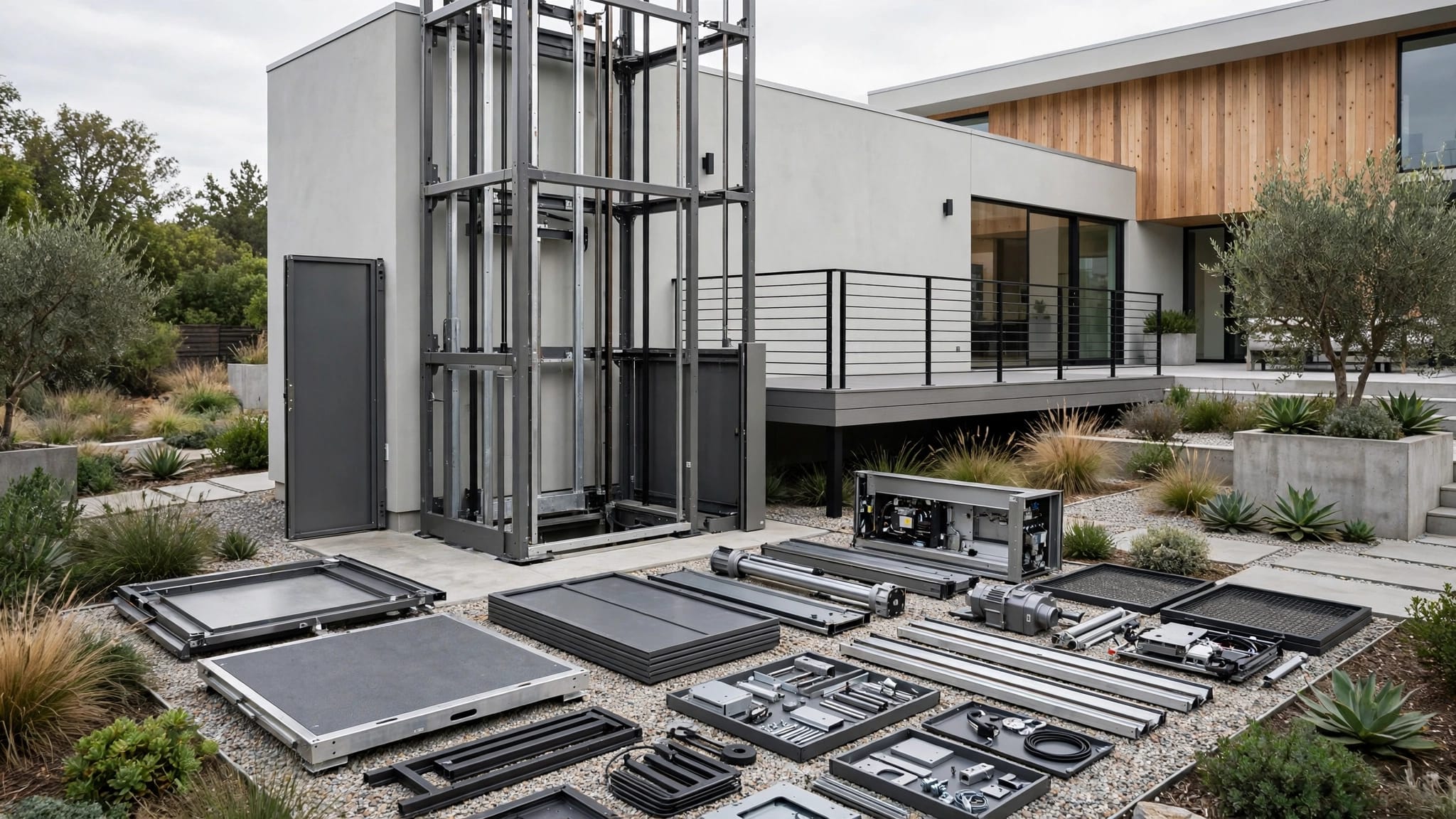
Published specifications also need careful reading. For example, Veranda 'Vator lists capacities up to 1,000 pounds and dual beam tracks for its outdoor material lifts. Those figures apply to the listed systems and shouldn't be transferred to another model without confirmation.

Check the guide and attachment details as well. Ask whether the system uses rollers, guide shoes, or another method; how often those components need inspection; and which building members must carry the bracket loads. The exterior finish, fasteners, gates, and electrical parts should match the site's exposure, particularly near saltwater.

Operation has a direct effect on sway. Train users to:

  • Load heavy items near the platform center.
  • Keep cargo secured and below the platform's height limits.
  • Close and latch gates before movement.
  • Keep people clear of the travel path and mast areas.
  • Stop use after an impact, unusual noise, sudden movement, or visible damage.
  • Follow the manufacturer's shutdown procedure during storms or power outages.

A maintenance plan should cover mast alignment, fasteners, cables, rollers, brakes, gates, switches, controls, and corrosion. Keep service records that identify changes in ride quality. A gradual increase in sway is useful diagnostic information, even when the lift still completes its travel.

Match the lift type to the people and materials

A cargo lift and a passenger elevator may share a dual-mast layout, but they don't serve the same purpose. Cargo equipment typically moves groceries, tools, luggage, appliances, boxes, and supplies. Passenger-compliant equipment includes requirements for people-carrying operation, enclosure, controls, access protection, and applicable code approvals.

The distinction matters in homes, facilities, and elevated structures. A cargo lift can reduce stair traffic for heavy goods, but it may not be approved for passengers. A passenger elevator may provide the right access solution but include a different platform, enclosure, control system, and installation process.

Review the cargo lift versus passenger elevator comparison before selecting equipment for an elevated home or commercial site. The intended users and materials should guide the choice.

For accessibility projects, a vertical platform lift may offer a better fit than a cargo system. The decision should account for wheelchair dimensions, landing access, weather protection, controls, and local requirements. A stable platform is helpful in every case, but stability alone doesn't determine whether the lift is suitable or compliant.

Conclusion

Dual mast outdoor elevators reduce platform sway by supporting the platform on two separated guide paths. That arrangement shares lateral forces, limits twisting from off-center loads, and helps keep the platform aligned with its landings.

The best results still depend on proper anchorage, accurate mast alignment, suitable guide components, load control, weather procedures, and scheduled maintenance. When those details match the building and the intended use, a dual-mast design can provide a steadier ride for people and materials without treating one structural feature as the entire safety system.

Recent Posts

By Veranda 'Vator July 23, 2026
A raised beach house can offer views, airflow, and protection from storm surge, but every trip upstairs adds work. A practical outdoor elevator vs stair lift comparison starts with how you use the home, not with the equipment brochure. A stair lift can make an existing stairca...
By Veranda 'Vator July 22, 2026
A dark landing can turn a simple elevator trip into a fall risk. Good outdoor elevator lighting helps users see thresholds, gates, controls, stairs, and changes in surface height before they step into the lift. Exterior elevators, cargo lifts, and vertical platform lifts face...
By Veranda 'Vator July 21, 2026
An elevator can lose power, experience a control fault, or encounter unexpected movement without warning. Outdoor elevator safety brakes help control those risks by slowing or holding the car when normal operation changes. However, a brake isn't the only protection between pas...
By Veranda 'Vator July 20, 2026
An outdoor elevator can fit a home perfectly on paper and still fail during installation because of one missed dimension, utility, or drainage problem. A careful outdoor elevator site survey turns the property into verified information that the manufacturer, engineer, electric...
By Veranda 'Vator July 19, 2026
Stairs become a daily obstacle when a home has multiple levels, an elevated entry, or a coastal design built above flood risk. The right lift can carry people safely, while also moving groceries, luggage, tools, and mobility equipment between floors. Outdoor passenger elevator...
By Veranda 'Vator July 18, 2026
Salt air can shorten the service life of an outdoor elevator long before corrosion becomes obvious. Tiny chloride particles settle on metal, wiring, moving parts, and protective finishes, then react with moisture every time the surface gets damp. That process affects both carg...
By Veranda 'Vator July 17, 2026
Water can turn a reliable outdoor lift into a costly repair project when it reaches the pit, controls, or supporting structure. Exterior elevator drainage starts with site grading, not with a pump installed after construction. Property owners and project decision-makers should...
By Veranda 'Vator July 16, 2026
Moving dock supplies by stairs, ladders, or narrow walkways can turn a routine task into a daily safety concern. Heavy coolers, dock boxes, tools, batteries, hoses, and maintenance equipment become harder to control when surfaces are wet or access points sit above the shorelin...
By Veranda 'Vator July 15, 2026
An exterior elevator can make an elevated home easier to use, but the landing gate deserves the same attention as the lift itself. Without a properly designed barrier, an open shaft or platform can create a serious fall hazard. The right exterior elevator gates protect family...
By Veranda 'Vator July 14, 2026
A hurricane can turn loose outdoor furniture into flying debris, push rain into electrical equipment, and leave floodwater around a lift shaft or platform. A practical outdoor home lift hurricane preparation plan protects the equipment and gives your household clear instructio...
Show More