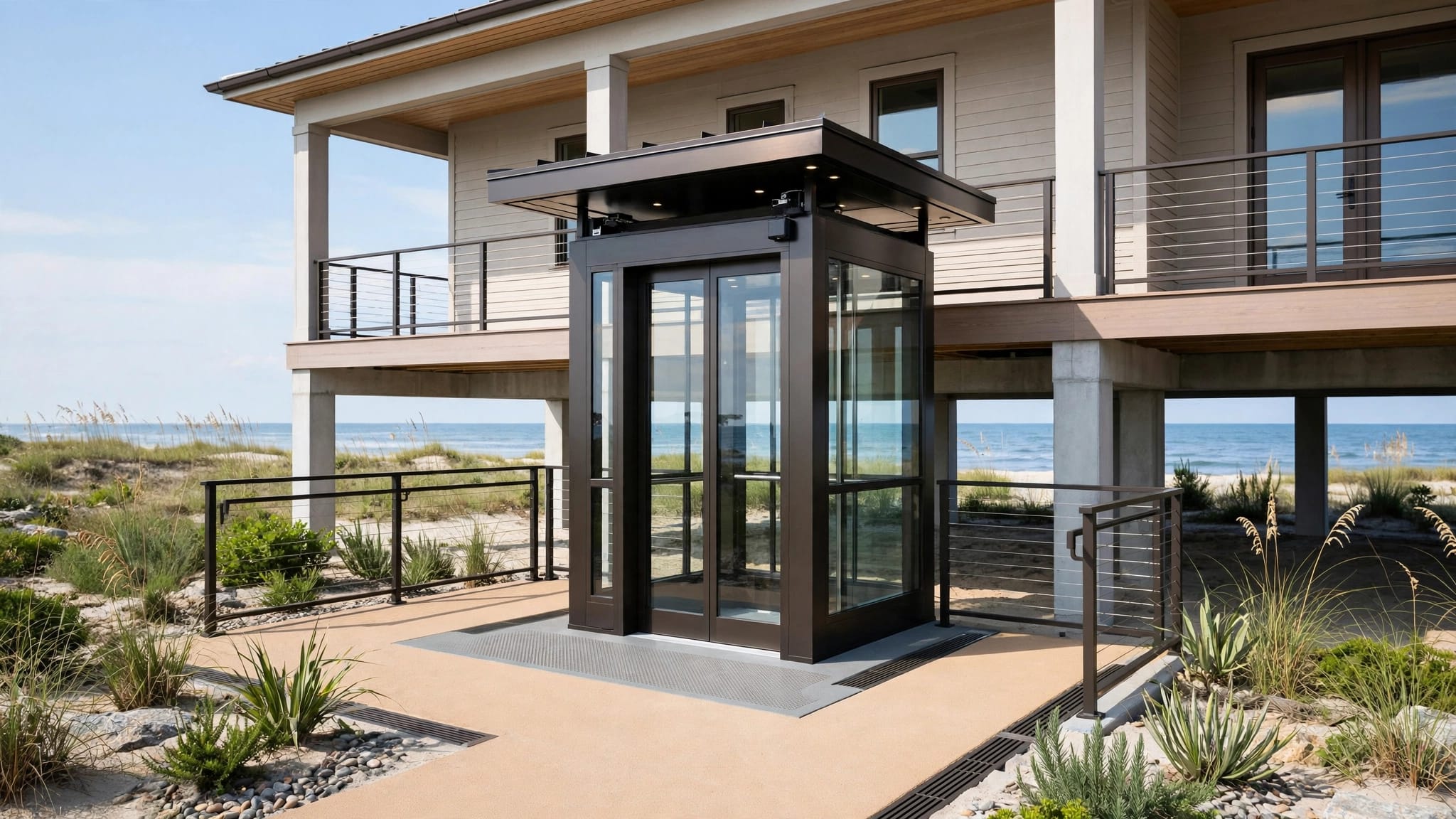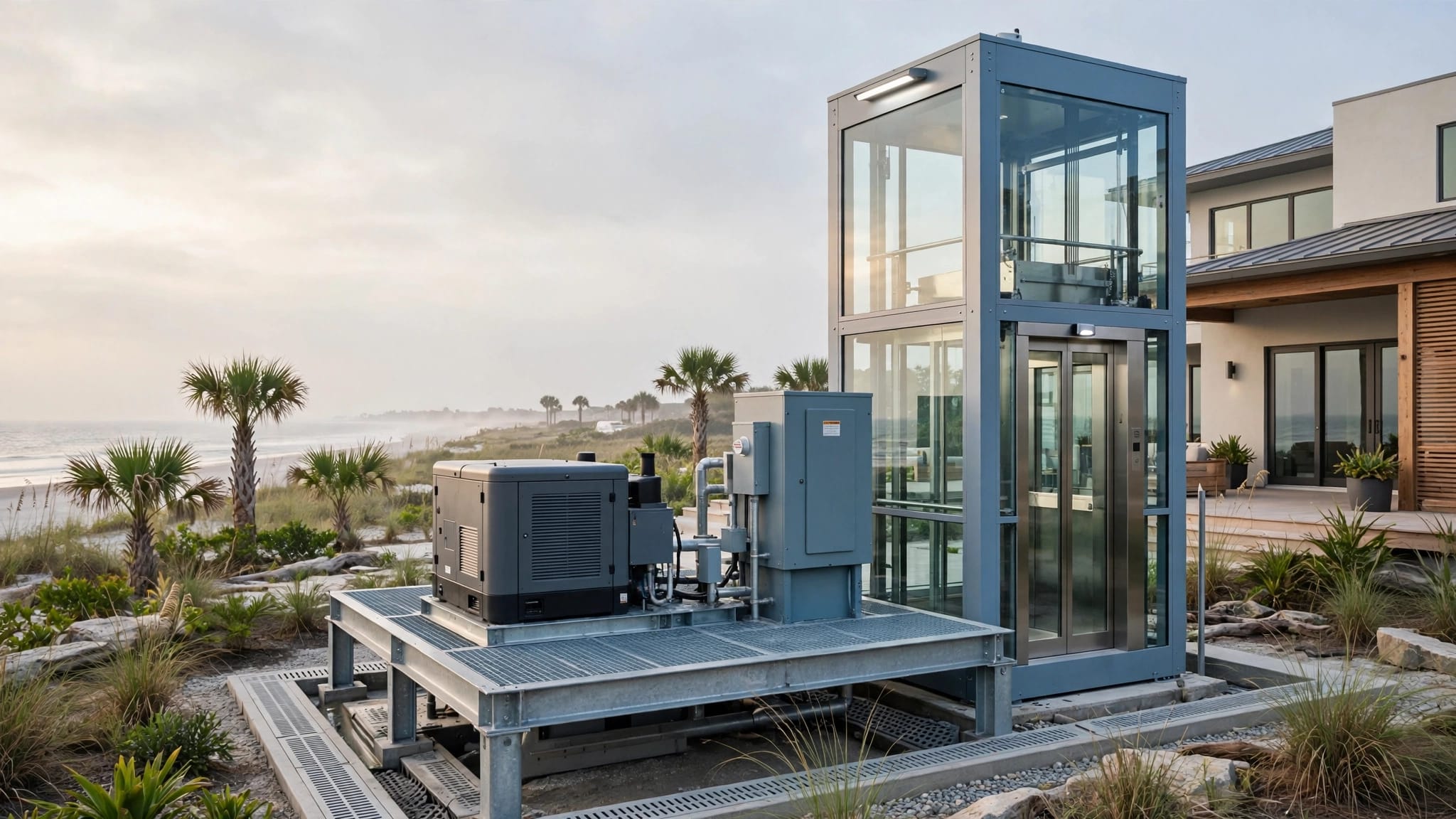
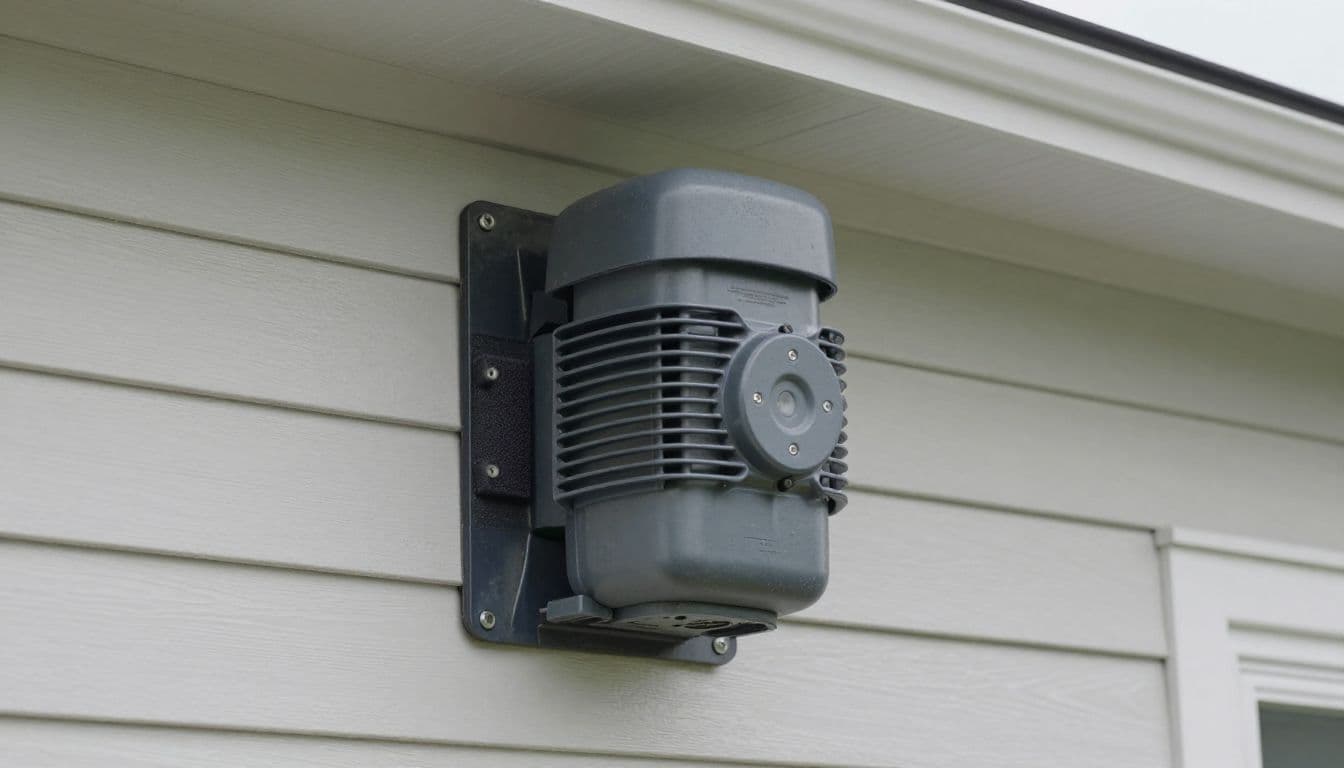

An exterior lift can make a raised home far easier to use, but exterior home lift noise matters when the equipment sits near a bedroom. Nobody wants a motor starting below the window at night or metal movement carrying through the wall.
The actual sound depends on the lift design, motor, travel speed, mounting method, building structure, and maintenance. A well-planned installation can keep everyday operation from becoming disruptive, while a poor layout can make ordinary mechanical sounds seem much louder.
How Loud Are Exterior Home Lifts Near Bedrooms?
There isn't one universal noise level for every outdoor lift. Manufacturers may use different motors, drive systems, rails, cables, enclosures, and control methods. Even the same lift can sound different on two homes because the surrounding structure affects how vibration travels.
A lift installed several feet away from a bedroom wall may sound far quieter inside than one attached directly to that wall. Concrete, masonry, wood framing, siding, windows, and insulation all change the result. An open shaft can also allow mechanical sounds to spread more easily than a partly enclosed system.
The sound usually comes in short bursts during operation rather than a constant hum. You may hear the motor engage, cables or chains move, rollers travel along guides, and gates or doors close. A brake may create a brief click when the platform starts or stops. Those sounds are often more noticeable at night because background noise is lower.
The key issue isn't only volume. Vibration can be more disturbing than airborne sound. A low mechanical hum transmitted through a wall or floor may wake someone more easily than a sharper sound outside the window.
A cargo lift used for groceries, luggage, tools, and supplies may operate only a few times each day. A passenger elevator or vertical platform lift could see more frequent use, especially when family members depend on it for daily access. That difference often matters more than a small difference in motor sound.
Ask for measured sound data before choosing equipment. The measurement should state the distance, operating condition, and whether it records sound inside or outside the home. Without those details, a single decibel number doesn't tell you much about bedroom comfort.
Which Parts Create Exterior Home Lift Noise?
Several components contribute to what you hear. Understanding them helps you ask better questions during design and installation.
Motor and drive system
The motor is often the most obvious source of sound. Depending on the design, it may produce a steady whir, a short start-up surge, or a deeper mechanical tone while lifting a load. Gearboxes, pulleys, chains, and other drive components can add their own sounds.
A lift that moves slowly may take longer to operate but can produce a different sound profile than a faster system. Smooth acceleration and controlled stopping also reduce sudden mechanical changes. Ask whether the drive system uses a soft-start or similar control method, if that feature applies to the model under review.
Rails, rollers, cables, and chains
The platform or car must move along a fixed path. Rollers can produce a light rolling sound, while cables and chains may create movement noise if they are loose, dry, or poorly aligned. Metal contact becomes more noticeable when parts need lubrication or adjustment.
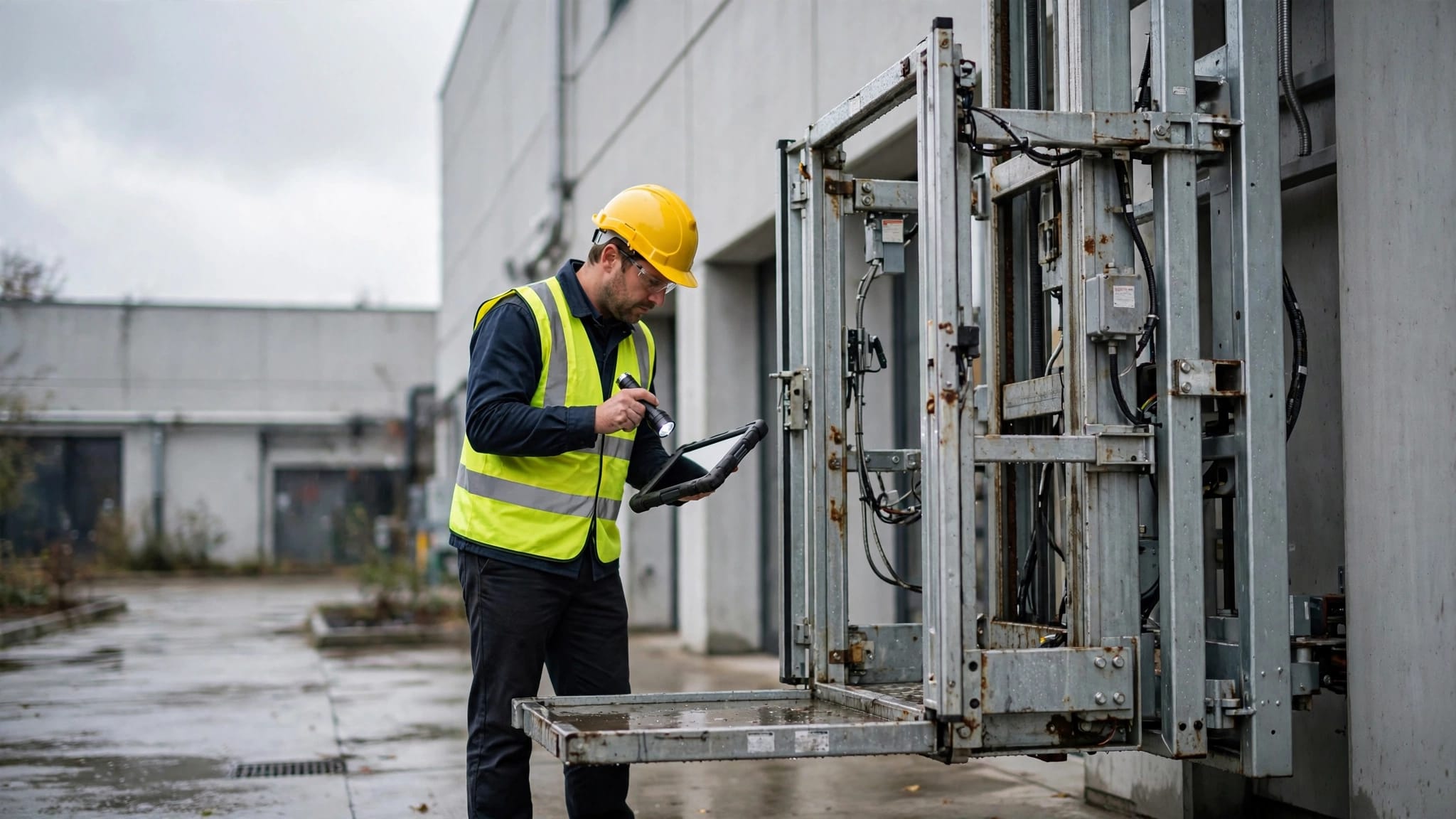
Regular service matters because worn components often become louder before they create a serious operating problem. A rattling guide, scraping roller, or repeated clunk deserves attention instead of being treated as normal lift noise.
Gates, doors, and safety equipment
Safety gates and doors can create a firm closing sound. A gate that slams, vibrates, or rattles against its frame may disturb a nearby room even when the motor is quiet. Latches, hinges, interlocks, and braking systems can also create brief clicks or knocks.
Those sounds should be controlled through proper adjustment and solid installation. Safety components must never be removed or disabled to make the lift quieter.
The building connection
The lift's frame transfers forces into the home through its attachment points. If the frame connects to a bedroom wall, floor, or balcony structure, vibration may enter the building directly. Loose hardware can make the problem worse.
Sound-dampening pads, isolation mounts, properly tightened fasteners, and careful structural detailing can reduce transmission. These measures must be selected by the lift installer and structural professional. Improvised padding can interfere with alignment or safety.
Cargo Lifts, Passenger Elevators, and VPLs Sound Different
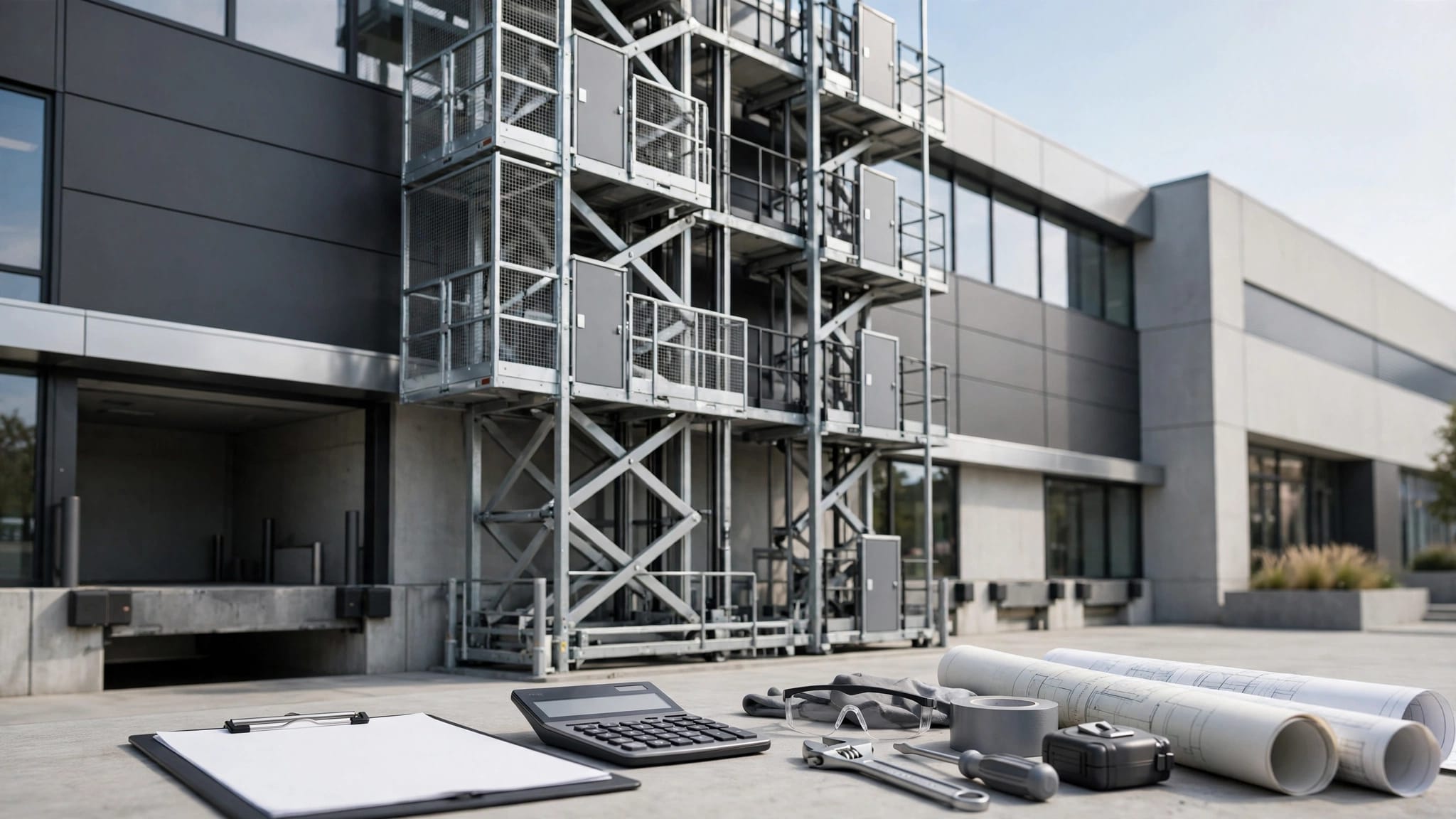
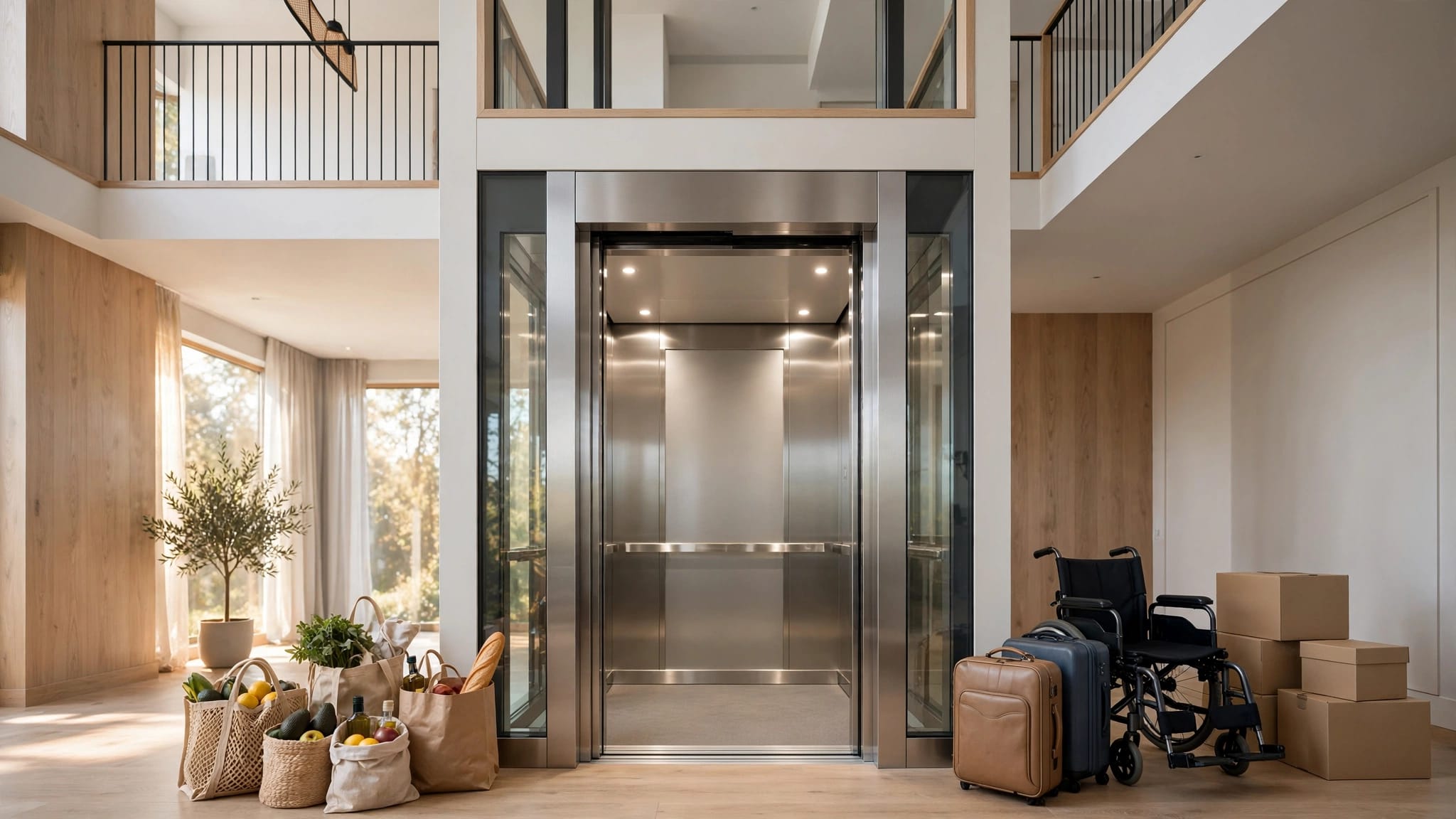
The right comparison starts with the lift's purpose. A cargo lift is designed for materials, not people. It may carry groceries, furniture, tools, luggage, or building supplies. A passenger-compliant elevator is designed and approved for people, with different controls, enclosure requirements, doors, and safety systems.
You can review the practical differences in this cargo lift versus passenger elevator comparison before discussing noise with an installer.
Cargo lifts often serve a specific task, such as moving supplies to an elevated deck or upper level. If the lift runs only during the day, occasional operating noise may have little effect on sleep. However, repeated loading can create extra sound when items roll, shift, or contact the platform.
Passenger elevators may run more often because they support daily movement between floors. Their enclosure and doors can affect how sound reaches nearby rooms. A passenger lift beside a bedroom still needs thoughtful placement, especially if residents use it early in the morning or late at night.
Vertical platform lifts, often called VPLs, support wheelchair users and others who need accessible vertical travel over a shorter rise. Their operating sound depends on the drive and platform design. Since a VPL may connect a porch, balcony, or landing, its position near a bedroom window can affect perceived noise even when the lift isn't attached to the bedroom wall.
A practical comparison looks like this:
| Lift type | Typical use | Main noise concerns near bedrooms |
|---|---|---|
| Cargo lift | Goods, groceries, tools, and luggage | Motor operation, loading impacts, gates |
| Passenger elevator | Daily movement of people | Motor, doors, controls, frequent trips |
| VPL | Wheelchair and platform access | Drive noise, platform movement, gate closure |
Never select a cargo lift for passenger travel because it seems quieter or less expensive. Capacity and passenger safety are separate issues from sound.
How Installation Affects Bedroom Comfort
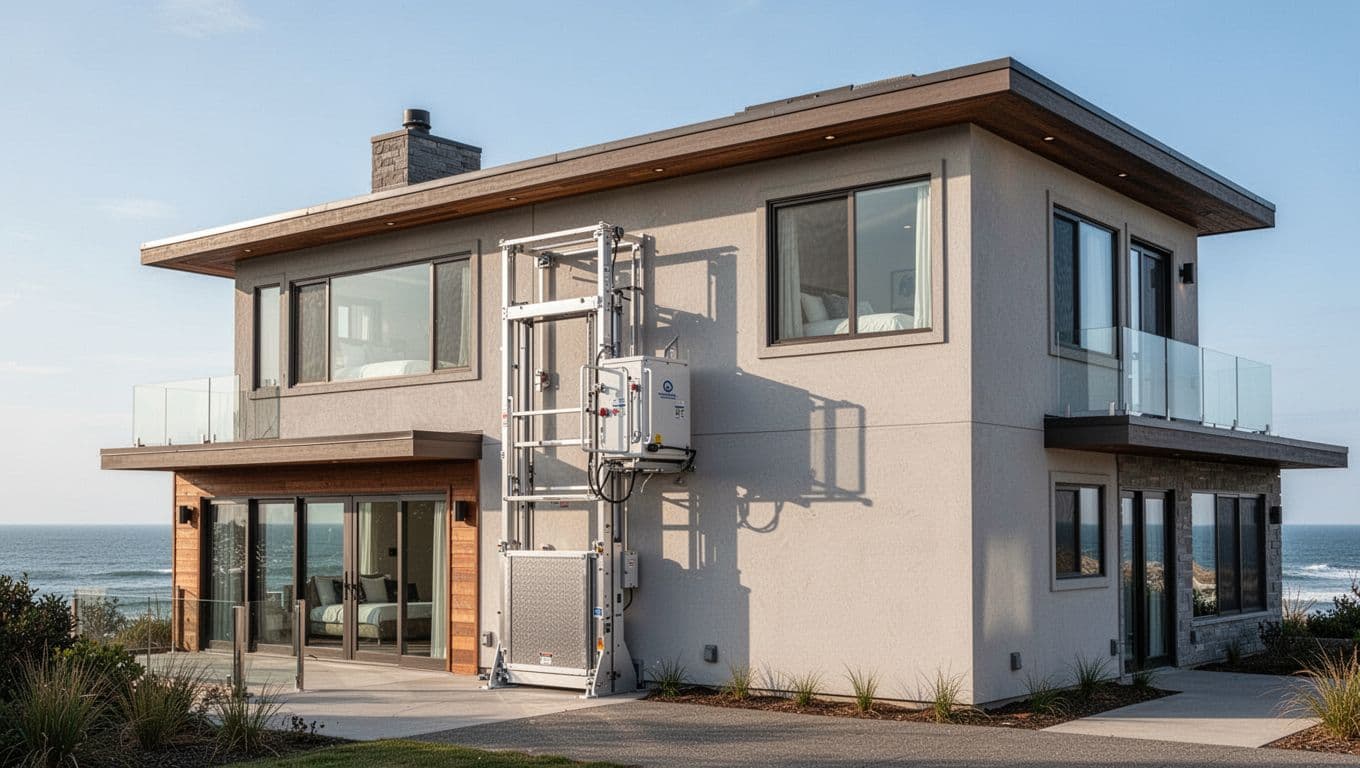
Location is often the strongest noise-control decision. A lift mounted beside a bedroom may be convenient outside, yet the wall connection can transmit vibration into the room. A short shift in position may place the equipment beside a hallway, bathroom, closet, or stairwell instead.
Windows deserve attention too. Glass transmits outdoor sound more readily than a well-insulated solid wall. If the motor, guide rails, or gate stop directly outside a bedroom window, normal operation may be easier to hear inside.
The installer should review the complete path of vibration, not only the visible lift. That review includes the foundation, support columns, attachment brackets, balcony framing, exterior wall, and upper landing. A strong structure is essential, but strength alone doesn't guarantee low perceived noise.
A separate support structure may reduce direct transmission into the bedroom wall. It can also make service access easier. The design still needs proper structural engineering, wind resistance, drainage, corrosion protection, and safe connections.
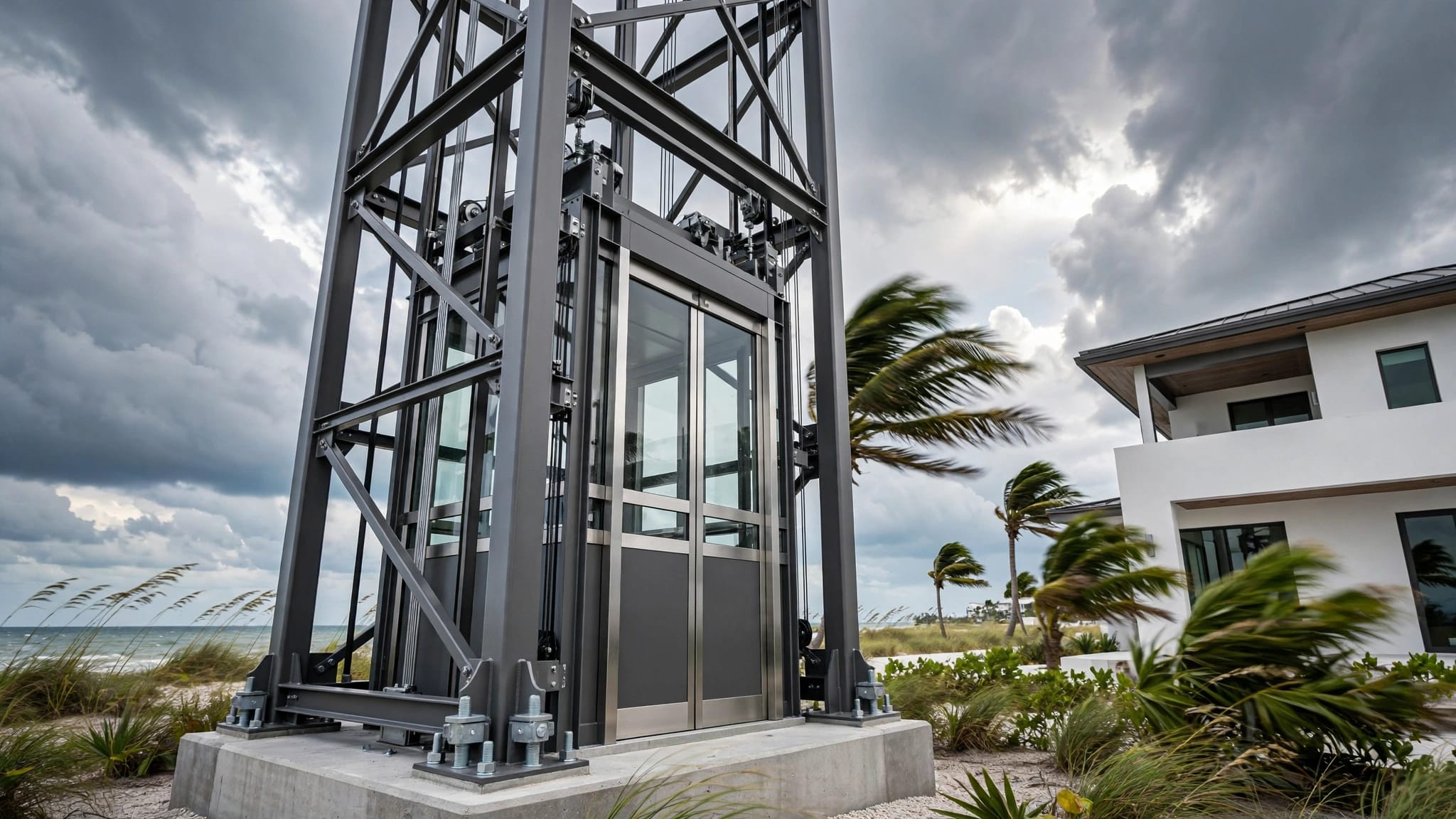
Coastal homes need extra care because salt air, moisture, and storms can affect exposed equipment. Marine-grade construction and suitable protective finishes help the lift withstand its environment, but they don't eliminate the need for inspection. Corrosion, debris, and water intrusion can create rattles or rough operation over time.
For Florida beach homes, code requirements also affect lift type, placement, and safety features. Review the code rules for exterior elevators in coastal homes before treating noise as the only design factor.
Ways to Reduce Exterior Home Lift Noise
Noise control works best when included during planning. Retrofitting a lift after installation can cost more and may not solve vibration that has already entered the structure.
Start with the lift location. Keep the drive unit, rails, and landing gates away from bedroom walls and windows when the site allows it. A service area, storage zone, garage wall, or stair enclosure may offer a better buffer.
Next, ask how the frame attaches to the home. The design may use isolation mounts or other methods to limit vibration transfer. The installer should explain which parts carry structural loads and which parts reduce movement between connected surfaces.
A properly built enclosure can help contain some airborne sound. It must still provide ventilation, drainage, access for maintenance, and compliance with applicable requirements. Do not seal a motor or drive area in a way that causes overheating or traps moisture.
Operating habits also make a difference. Schedule regular cargo deliveries during waking hours, close gates without dropping them, and keep loose items from striking the platform. For a passenger lift, residents can agree on quiet hours if the system sits near sleeping areas.
Maintenance protects the original sound level. Keep the lift inspected according to the manufacturer's schedule. Report grinding, scraping, excessive rattling, unusual vibration, or changes in start-up and stopping sounds.
A new noise may indicate more than an annoyance. It can point to misalignment, worn rollers, loose fasteners, cable problems, or a gate that no longer closes correctly. A qualified technician should diagnose the cause before anyone adjusts mechanical or safety components.
Questions to Ask Before Choosing a Lift
Before approving a design, ask the manufacturer or installer for clear answers rather than a general statement that the lift is quiet.
- What sound measurements are available for this exact model?
- Where were those measurements taken, and at what distance?
- How does the lift sound during start-up, travel, stopping, and gate closure?
- Which components connect directly to the home's structure?
- Can the drive unit and landing be placed away from the bedroom wall?
- What isolation or vibration-control methods does the installation use?
- How often will the lift need inspection, lubrication, or adjustment?
- What changes in sound should prompt a service call?
- Does the selected lift carry people, goods, or both under its approved use?
- How will coastal weather, salt air, drainage, and storm conditions affect the design?
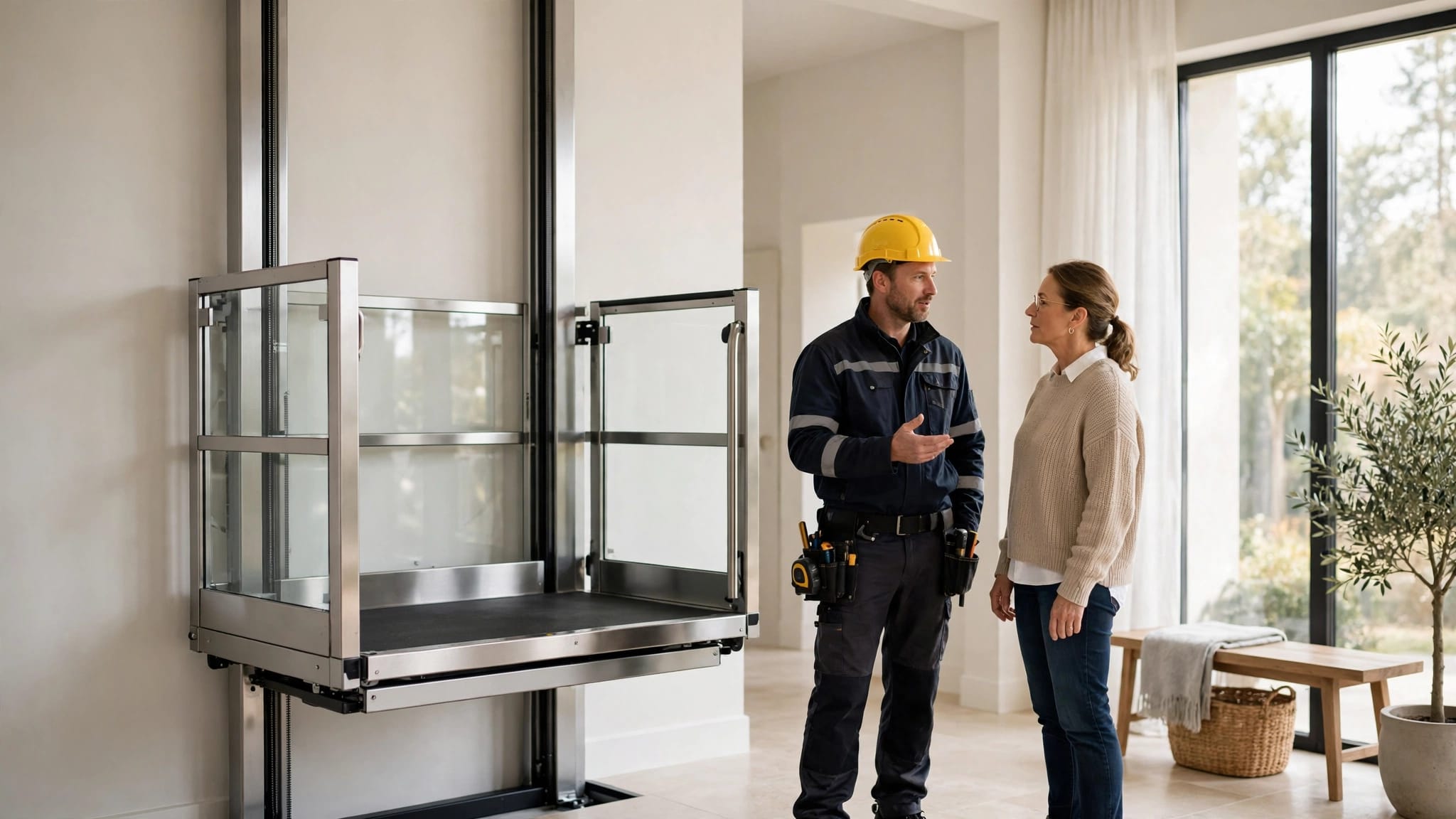
A site visit is more useful than a brochure. Stand inside the bedroom and outside at the proposed lift location. If possible, operate a comparable unit during daytime and listen again when the property is quiet.
Ask for a written description of the planned installation. It should identify the lift type, capacity, support method, power requirements, safety gates, braking systems, and service access. Noise control is easier to verify when the design details are documented.
The best decision balances comfort with lawful use and safe operation. A quieter cargo lift doesn't replace a passenger-compliant elevator, and sound insulation doesn't correct an unsuitable lift type.
Conclusion
Exterior home lift noise near bedrooms depends on more than the motor. The lift's drive system, rails, gates, support frame, mounting points, building materials, and maintenance all affect what residents hear and feel.
Place the equipment away from sleeping areas when possible, reduce direct vibration paths, and request sound measurements for the exact model and installation conditions. With those details settled early, a cargo lift, passenger elevator, or VPL can provide practical access without turning nighttime operation into a household disturbance.
Recent Posts