

How to Move Furniture With a Residential Cargo Lift

Share this article

Moving a sofa or cabinet up several flights of stairs can damage walls, strain your back, and turn a simple move into an unsafe job. A residential cargo lift creates a separate route for furniture, groceries, tools, and other heavy items.

The lift only helps when you use it within its limits. Check the rated capacity, measure every opening, secure the load, and keep people away from the platform while it moves. Start with the lift, the furniture, and the route.

Key Takeaways

  • Confirm the lift's rated load capacity, platform size, travel height, and operating instructions before moving anything.
  • Remove drawers, doors, shelves, and other loose parts to reduce weight and prevent shifting.
  • Distribute furniture weight evenly, secure every item, and keep hands and feet clear of moving parts.
  • Never transport people on a cargo lift unless it is designed and approved for passenger use.
  • Keep children and pets away from the lift, loading area, and landing points during the move.

Confirm the Lift Can Handle Your Furniture

Begin with the lift specifications, not the furniture. Find the rated load capacity on the equipment label, installation documents, or operating manual. A residential cargo lift may have a capacity in the 750- to 1,000-pound range, but the exact rating varies by system. Never assume that a larger-looking platform can carry more weight.

Add the weight of the furniture, padding, dolly, straps, and any other items traveling on the platform. If a sectional sofa weighs 300 pounds and the moving equipment adds 70 pounds, the lift must support at least 370 pounds. When the weight is unknown, check the furniture manufacturer's information or use a suitable scale.

Next, measure the furniture at its widest, tallest, and deepest points. Compare those measurements with the platform dimensions and the space around the landing. A couch may fit on the platform but fail to clear a railing, doorway, roof overhang, or upper-deck post.

Check these details before scheduling the move:

  • The platform's rated capacity and usable dimensions.
  • The lift's maximum travel height and landing locations.
  • The width of gates, doors, and access points.
  • The condition of cables, chains, rails, brakes, gates, and controls.
  • The surface where the furniture will be loaded and unloaded.
  • The weather and visibility during the planned move.

A lift that carries goods is not automatically approved for passengers. Never ride with the furniture , and don't allow another person to stand on the platform unless the equipment is designed and approved for passenger use. If people need vertical access, review a passenger elevator or an approved vertical platform lift instead.

For homes with balconies, porches, or elevated entrances, a cargo lift versus passenger elevator comparison can help you choose the correct equipment for people and materials.

Prepare Furniture Before It Reaches the Platform

Furniture becomes easier and safer to move when you reduce its size and remove parts that can shift. Empty cabinets, desks, dressers, and bookcases first. Take out drawers and pack them separately. Remove glass shelves, lamps, removable legs, doors, and cushions when the design allows it.

Wrap each item with moving blankets, cardboard, or furniture pads. Use stretch wrap to hold padding in place, but don't wrap over controls, ventilation openings, or parts that must remain visible during operation. For glass, add a rigid protective layer and mark the padded side so nobody places weight on it.

Measure the lift route before bringing furniture outside. Look for narrow corners, uneven thresholds, deck boards, railing gaps, and overhead obstructions. A furniture dolly can help on level ground, but it should never roll onto the platform unless the lift instructions allow it and the combined weight remains within the rating.

Clear the loading zone completely. Remove loose tools, planters, hoses, toys, and outdoor furniture. Keep children and pets away from the work area. A second adult can watch the route from a safe position, but nobody should stand beneath the platform or reach into the lift shaft.

Place a firm, level surface beside the loading point. If the platform doesn't align with the deck or ground, don't bridge the gap with improvised boards. Use the access method specified for the lift, or ask a qualified installer or technician about the site.

Before operating, complete this short check:

  • The furniture is empty and its removable parts are secured separately.
  • Protective padding covers corners, finished surfaces, and glass.
  • The lift path and landing are clear.
  • Gates and safety barriers can close fully.
  • The control area is visible to the operator.
  • Rain, lightning, high winds, or poor visibility won't affect the move.

Load and Secure Furniture on the Platform

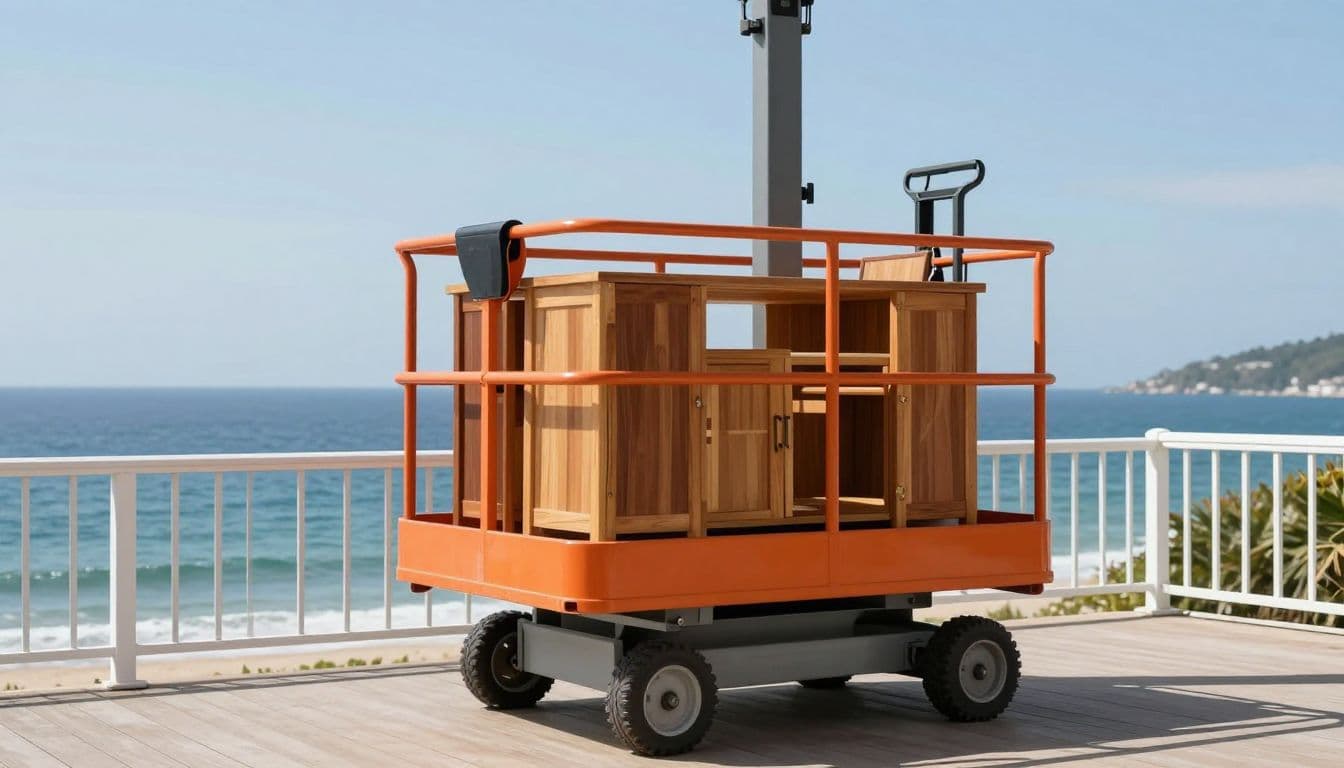
Position the heaviest item near the center of the platform. Keep its weight over the platform's supported area, rather than placing a dense load against one edge. Distribute weight evenly so the platform remains stable as it travels.

Load tall furniture carefully. A bookcase or wardrobe can catch wind, contact an overhead structure, or shift when the platform starts and stops. If the item is too tall to fit below the required clearance, don't lay it down unless the manufacturer permits that position and the furniture can stay stable.

Use rated straps, corner protectors, and padding to hold each piece in place. Attach straps to approved anchor points, not to gates, cables, rails, or control components. Tighten the restraint enough to prevent movement without crushing upholstery or damaging wood.

Keep the load inside the platform. Nothing should extend through a gate or beyond the platform edge. Close and latch every gate before the lift moves. Don't use loose rope, bungee cords, or makeshift barriers as a substitute for the lift's safety gate.

The safest setup often uses several smaller trips instead of one overloaded trip. A large dresser, for example, may need its drawers removed and its contents moved separately. That approach reduces the chance of a shifting load and makes unloading easier.

Safety caution: Verify the total weight before every trip. A cargo lift's capacity applies to the complete moving load, including furniture, padding, carts, and people standing nearby on the ground. Nobody should stand under the platform or place hands and feet near moving parts.

Operate the Residential Cargo Lift in Controlled Steps

Only the designated operator should control the lift. Keep the operator's view clear, and use the controls exactly as described in the manual. If the system requires a key, hold-to-run control, or gate interlock, don't bypass it.

Before raising the platform, confirm that all gates are closed and the load is stable. Check the area above and below the platform. Look for people, pets, branches, loose materials, and anything that could enter the travel path.

Move the lift at its normal operating speed. Don't stop and restart repeatedly without a reason, and don't attempt to correct a leaning load while the platform is moving. If furniture shifts, stop the lift using the approved control, wait until all motion ends, and then inspect the load from a safe position.

Keep hands and feet clear of moving parts at all times. Don't reach between the platform and landing, step onto the platform while it moves, or hold furniture in place by hand. The platform should carry the load without anyone touching it during travel.

Use this sequence for each trip:

  1. Inspect the lift and clear the travel path.
  2. Load furniture within the platform's capacity and boundaries.
  3. Position the weight evenly and attach approved restraints.
  4. Close and latch the gate.
  5. Confirm that everyone is outside the restricted area.
  6. Raise or lower the platform using the normal controls.
  7. Wait until the platform stops fully before opening the gate.
  8. Unload only after the landing is stable and clear.

Stop immediately if you hear unusual grinding, see cable damage, notice irregular movement, or find that a gate won't latch. Don't continue operating a lift that behaves differently from normal. Contact the responsible service provider or qualified technician before using it again.

Unload Without Damaging the Furniture or Home

At the destination, secure the platform before opening the gate. Keep the dolly or carrying path aligned with the landing. If there is a threshold, confirm that the wheels can cross it safely without tipping the furniture.

Remove straps only when the item is stable and the people unloading it have a clear path. Take smaller pieces off first when that improves balance. For tall furniture, keep at least one person positioned to guide it from a safe side, without placing anyone beneath the platform or between the item and a railing.

Watch the corners as the furniture enters the home. Padding protects finishes, but it doesn't prevent a cabinet from striking a door frame. Move slowly through tight areas, and don't pull drawers or doors open until the piece sits on a stable surface.

After unloading, lower the empty platform or leave it in the position required by the operating instructions. Remove blankets, straps, and debris from the platform. Check that no item has fallen into the shaft, rails, or equipment area.

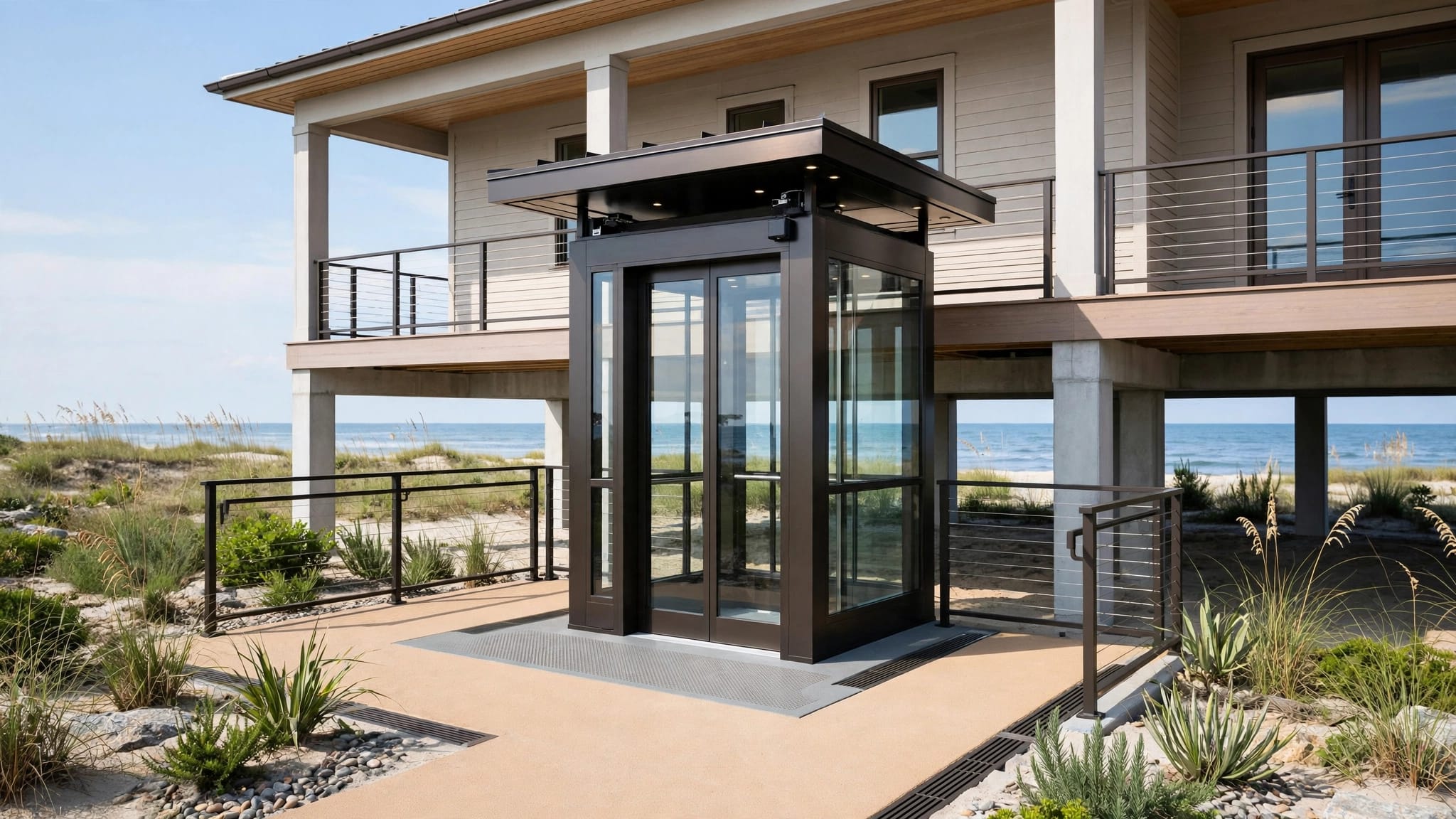
For regular waterfront work, outdoor cargo lifts can provide a dedicated route for moving equipment at elevated homes. The system still needs routine inspections, proper loading practices, and protection from conditions that could affect safe operation.

Know When a Passenger Elevator Is the Better Choice

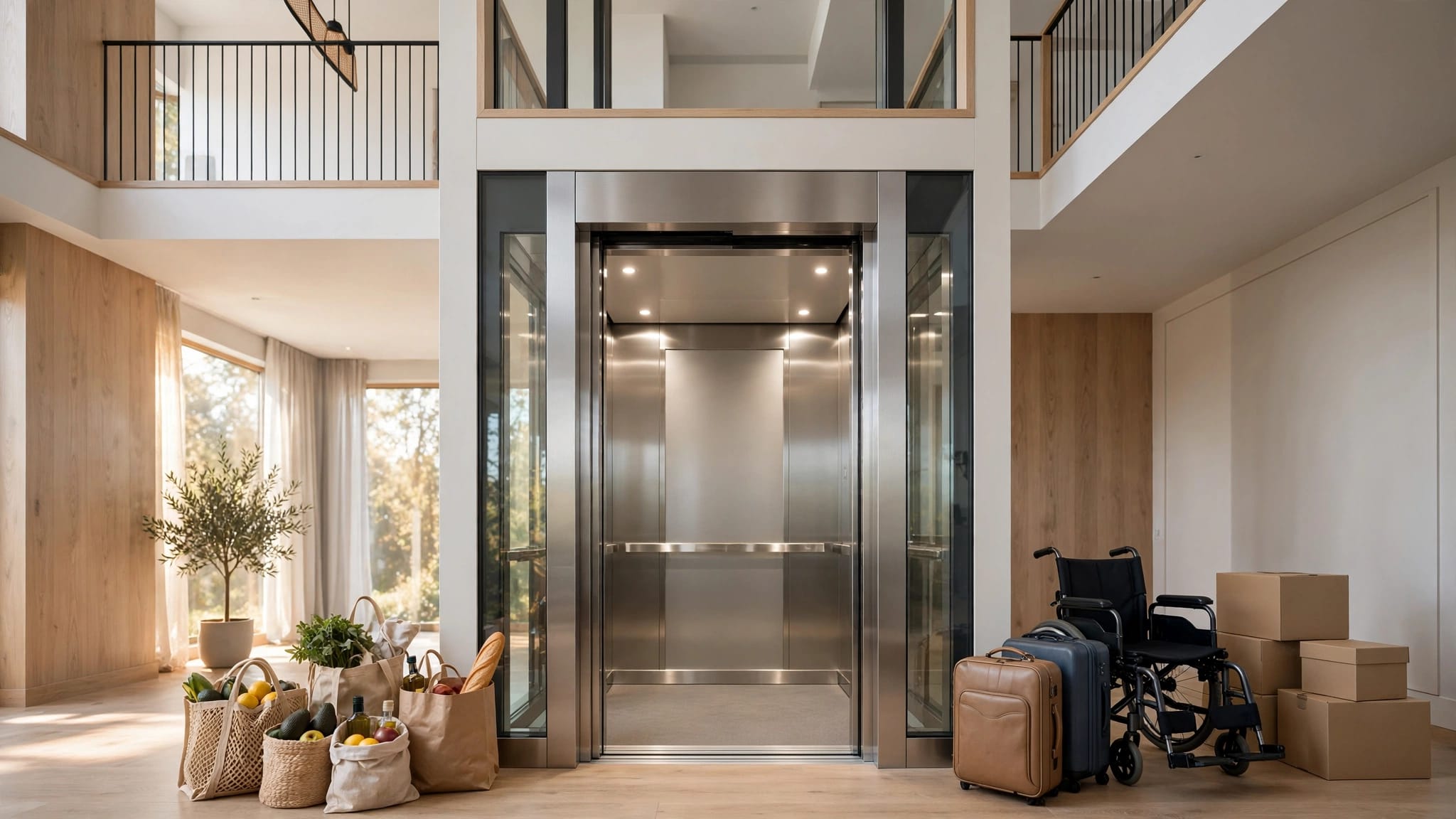
A cargo lift is appropriate when the primary job is moving goods. Furniture, boxes, coolers, luggage, laundry, tools, and maintenance supplies can travel without adding those loads to stairways. Elevated and coastal homes often benefit because the lift connects ground-level access with a porch, balcony, or upper landing.

A passenger elevator is the right choice when residents or guests need to travel between floors. It has different design, safety, and approval requirements. A vertical platform lift may also fit a home where wheelchair access is the main concern, but its platform size and capacity must match the intended use.

Don't place a person on a cargo platform because the trip seems short or the furniture is light. People must never ride a material lift unless the lift is specifically designed and approved for passenger use. That rule applies to the operator, helpers, children, and anyone trying to steady a load.

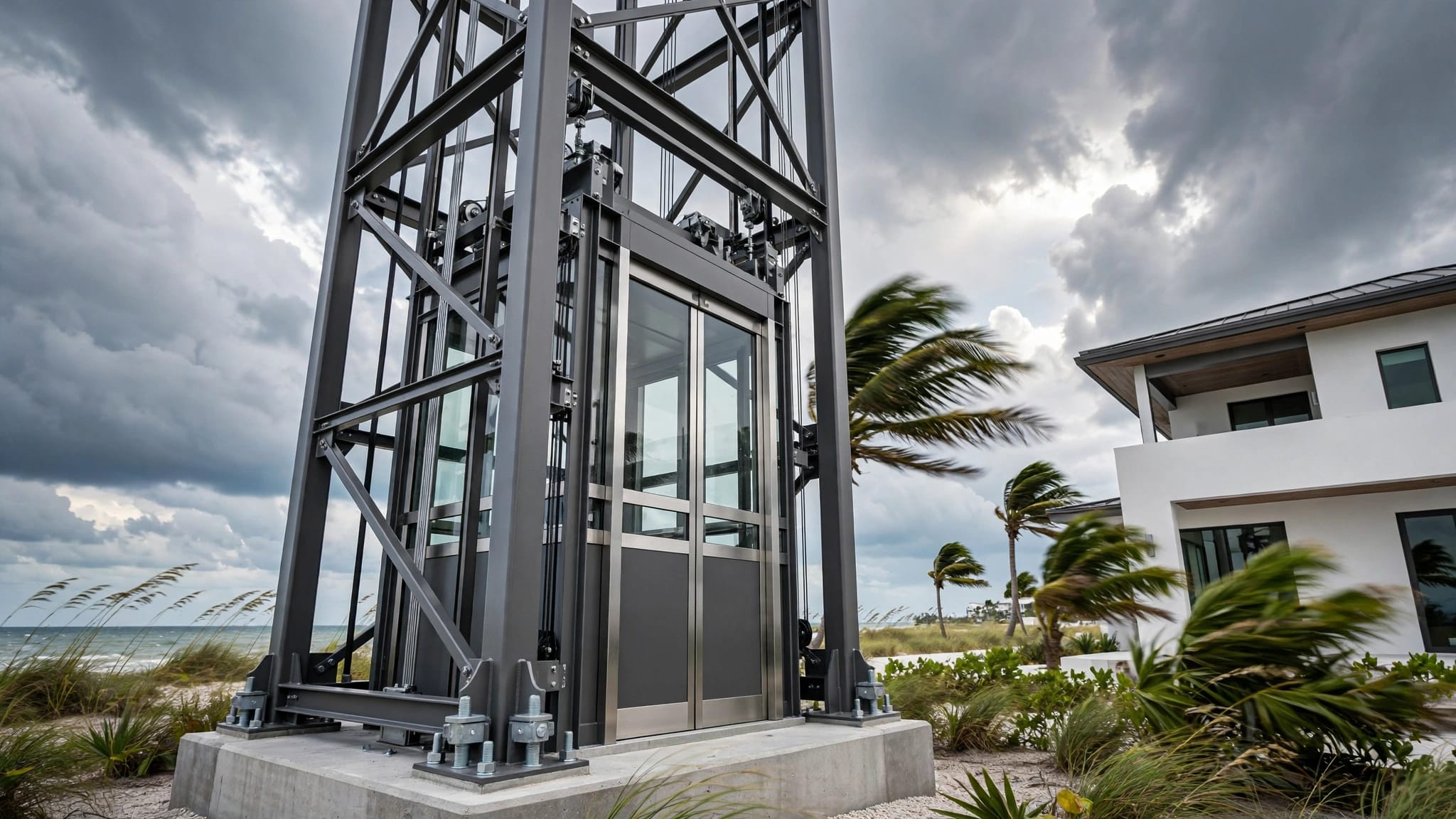
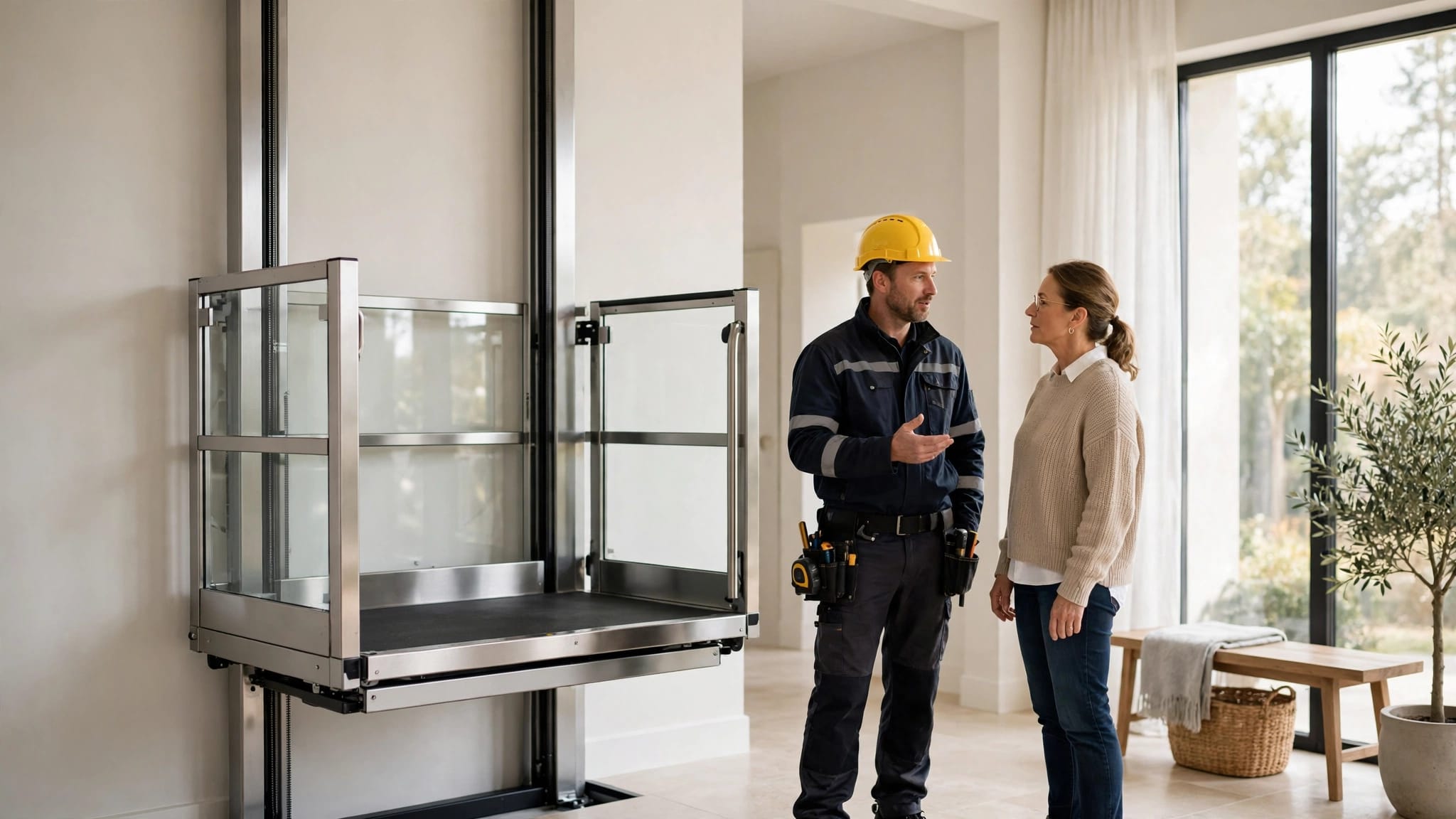
A professional assessment can also identify whether the planned landing, electrical service, drainage, guardrails, and local approvals fit the installation. Exterior equipment needs extra attention in coastal areas, where salt air, storms, and standing water can affect materials and operation.

Moving Furniture Safely Starts Before the Lift Runs

A residential cargo lift can remove much of the heavy carrying from a furniture move, but it doesn't remove the need for planning. Confirm the rated capacity, measure the route, prepare the furniture, center the load, and secure it before every trip.

Keep hands and feet clear of moving parts, maintain a restricted area around the platform, and keep children and pets away. When people need vertical transportation, choose a passenger-approved system instead. With the right lift and disciplined loading habits, furniture can reach an elevated home without turning the stairs into the main work area.

Recent Posts

By Veranda 'Vator July 28, 2026
A lift can fit neatly into an exterior design, or create costly revisions, depending on the information shown in the exterior lift CAD drawings . Architects need more than a platform outline. They need accurate dimensions, landing conditions, structural loads, service clearanc...
By Veranda 'Vator July 27, 2026
An outdoor lift may move people, groceries, tools, or cargo, but every trip depends on the control system. Choosing the right outdoor elevator controls affects convenience, weather resistance, accessibility, and safe operation. A wall station might suit home elevators beside a...
By Veranda 'Vator July 26, 2026
A busy loading area can lose hours when workers carry boxes, tools, and equipment up stairs or move materials between floors by hand. Outdoor freight lifts create a dedicated vertical route for goods, helping commercial facilities reduce manual handling and keep loading work o...
By Veranda 'Vator July 25, 2026
A steep staircase can turn a raised entry into a daily obstacle, especially for wheelchair users, older adults, and anyone carrying heavy items. If you are comparing a wheelchair lift vs ramp, finding the right accessibility solution depends less on preference and more on your...
By Veranda 'Vator July 24, 2026
A moving platform can feel unstable when it shifts sideways, especially near the upper levels of an exterior lift. Dual mast outdoor elevators reduce that movement by supporting and guiding the platform on both sides instead of relying on one vertical support line. The result...
By Veranda 'Vator July 23, 2026
A raised beach house can offer views, airflow, and protection from storm surge, but every trip upstairs adds work. A practical outdoor elevator vs stair lift comparison starts with how you use the home, not with the equipment brochure. A stair lift can make an existing stairca...
By Veranda 'Vator July 22, 2026
A dark landing can turn a simple elevator trip into a fall risk. Good outdoor elevator lighting helps users see thresholds, gates, controls, stairs, and changes in surface height before they step into the lift. Exterior elevators, cargo lifts, and vertical platform lifts face...
By Veranda 'Vator July 21, 2026
An elevator can lose power, experience a control fault, or encounter unexpected movement without warning. Outdoor elevator safety brakes help control those risks by slowing or holding the car when normal operation changes. However, a brake isn't the only protection between pas...
By Veranda 'Vator July 20, 2026
An outdoor elevator can fit a home perfectly on paper and still fail during installation because of one missed dimension, utility, or drainage problem. A careful outdoor elevator site survey turns the property into verified information that the manufacturer, engineer, electric...
By Veranda 'Vator July 19, 2026
Stairs become a daily obstacle when a home has multiple levels, an elevated entry, or a coastal design built above flood risk. The right lift can carry people safely, while also moving groceries, luggage, tools, and mobility equipment between floors. Outdoor passenger elevator...
Show More