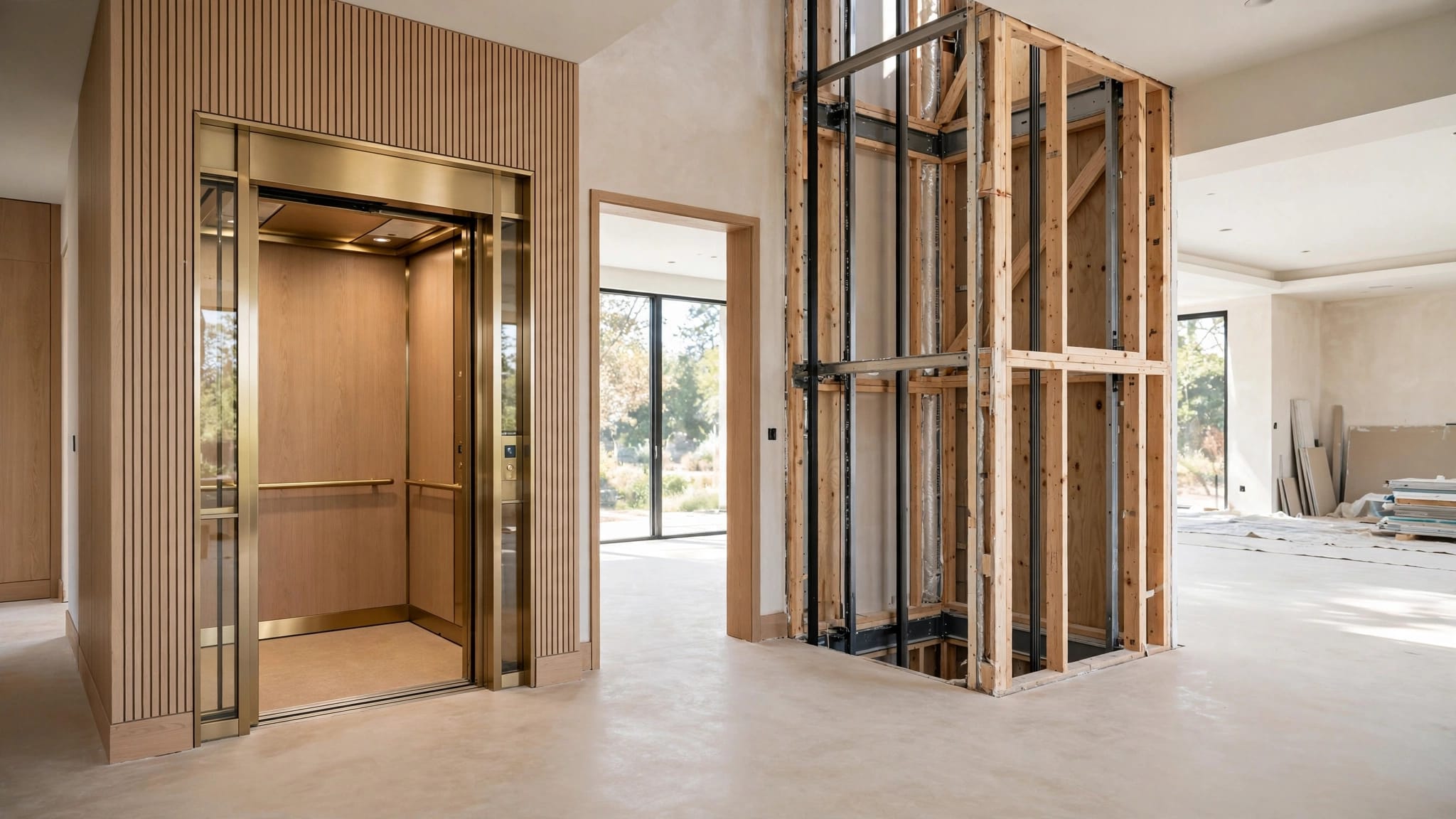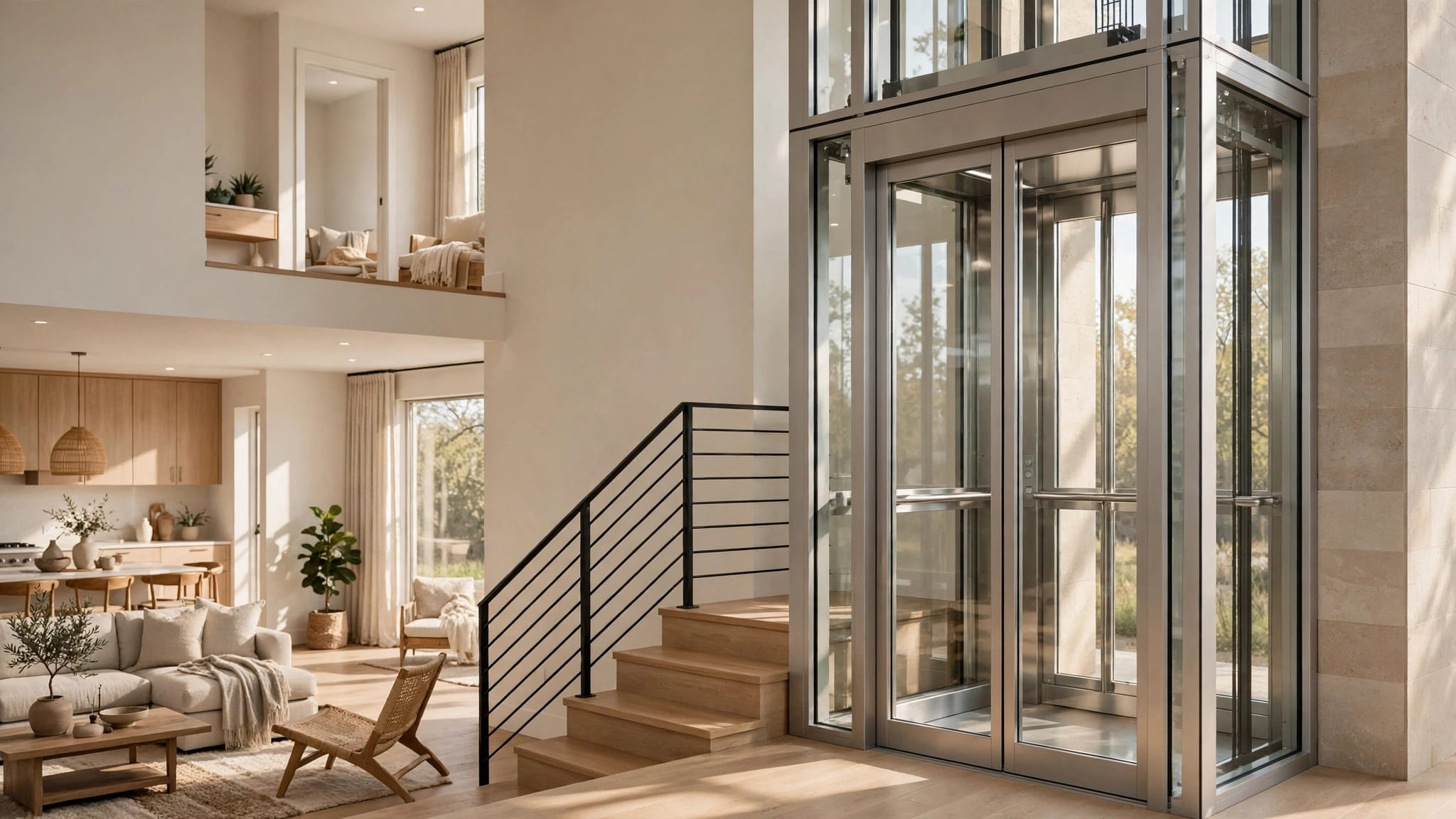
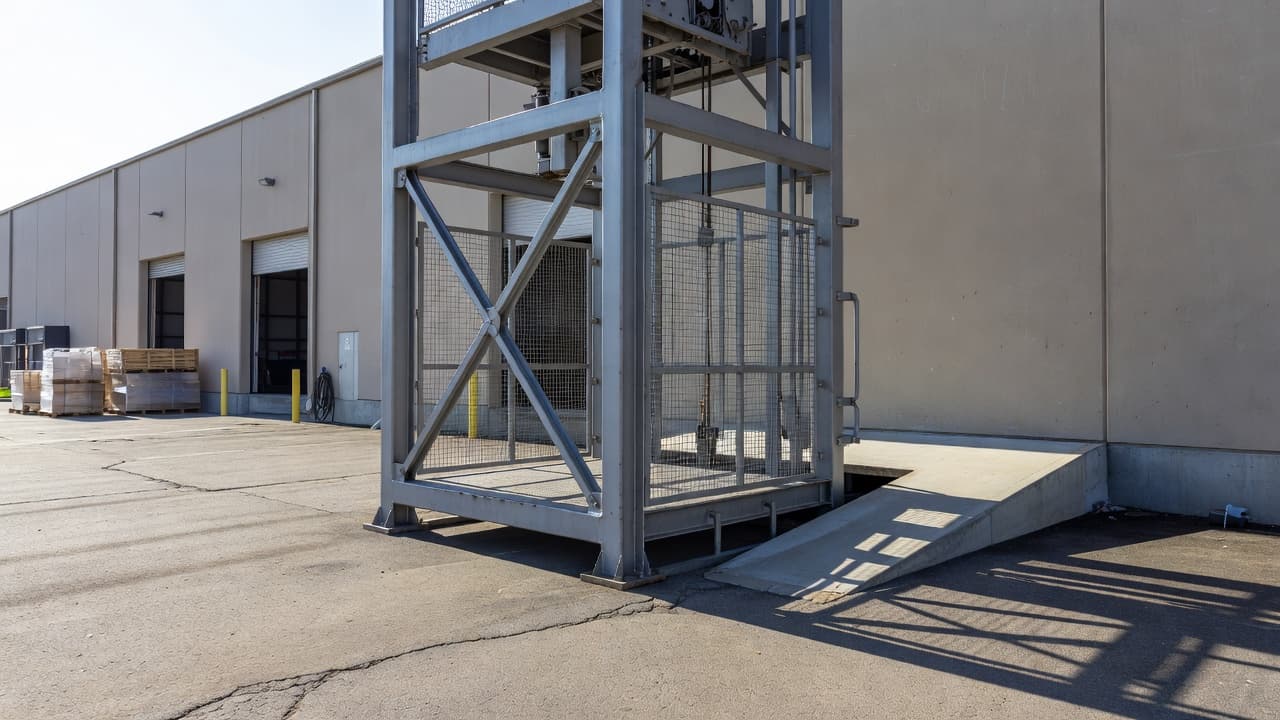
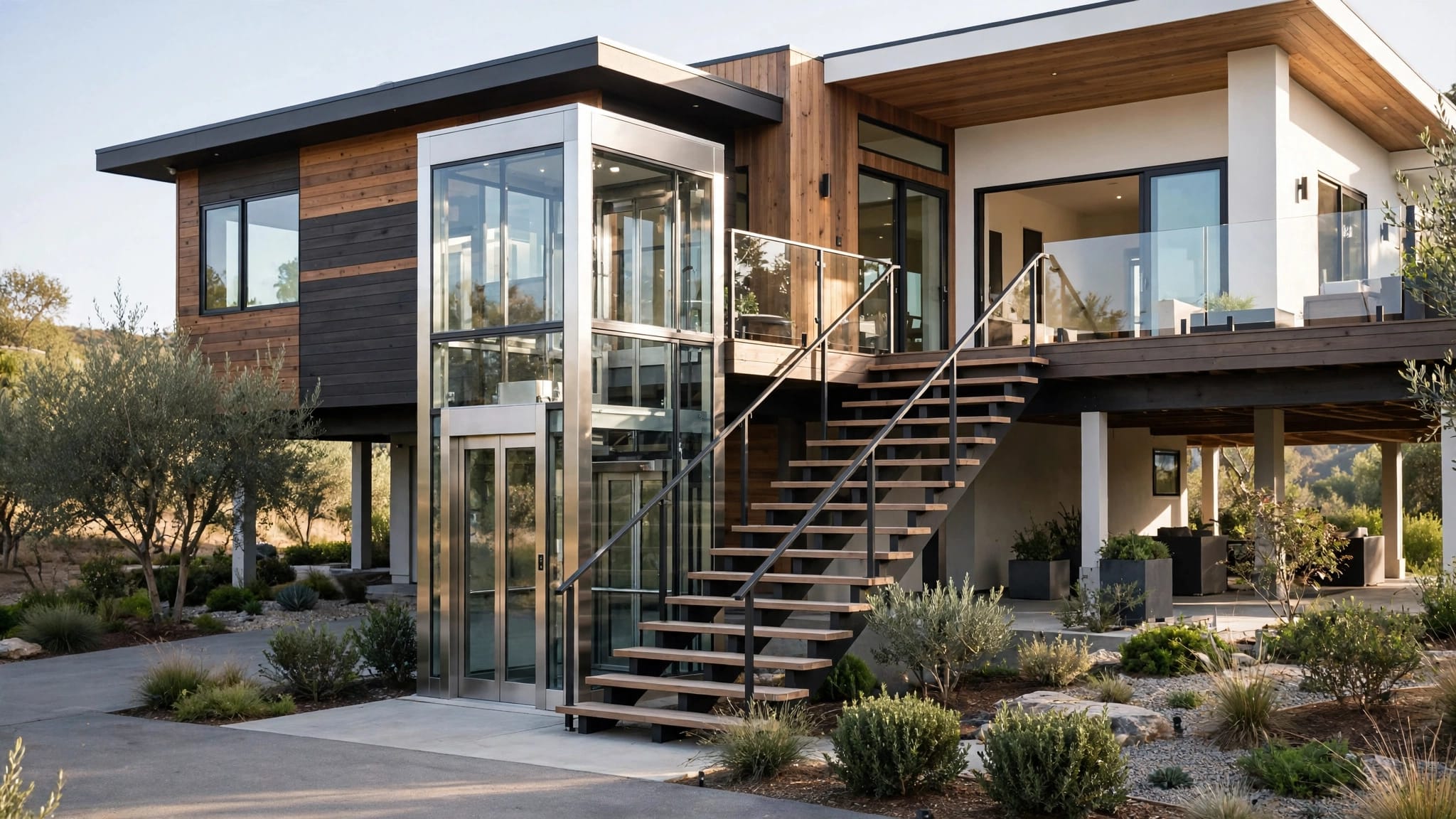
A busy loading area can lose hours when workers carry boxes, tools, and equipment up stairs or move materials between floors by hand. Outdoor freight lifts create a dedicated vertical route for goods, helping commercial facilities reduce manual handling and keep loading work organized.
The right lift depends on more than lifting capacity. Platform size, landing height, weather exposure, traffic flow, building structure, operator access, and local code requirements all affect the final design. Start with the main lift types, then match the equipment to your site and daily loads.
Key Takeaways
- Outdoor freight lifts move materials between loading areas, floors, docks, and elevated platforms.
- Freight-only equipment should not carry people unless it is designed and approved for passenger use.
- Capacity, platform dimensions, travel distance, loading method, and weather protection must match the facility.
- Gates, guards, brakes, limit switches, controls, and operator procedures support safe daily use.
- Qualified lift professionals and local authorities must confirm engineering, permits, installation, and code compliance.
How Outdoor Freight Lifts Support Commercial Operations
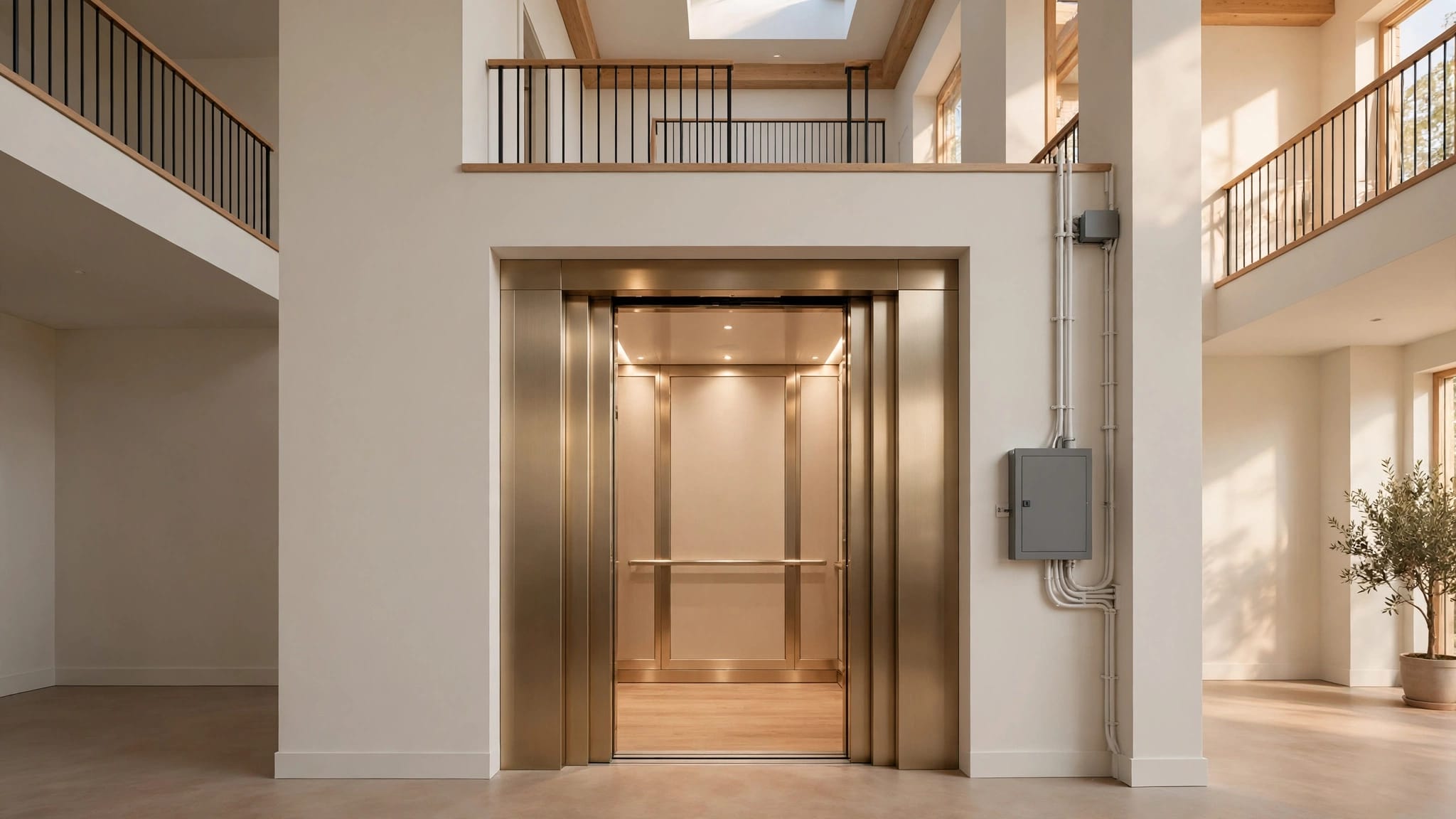
An exterior freight lift connects ground-level loading zones with mezzanines, upper floors, rooftop service areas, storage platforms, or elevated docks. Instead of routing every item through interior corridors, workers can load materials outdoors and send them directly to the required level.
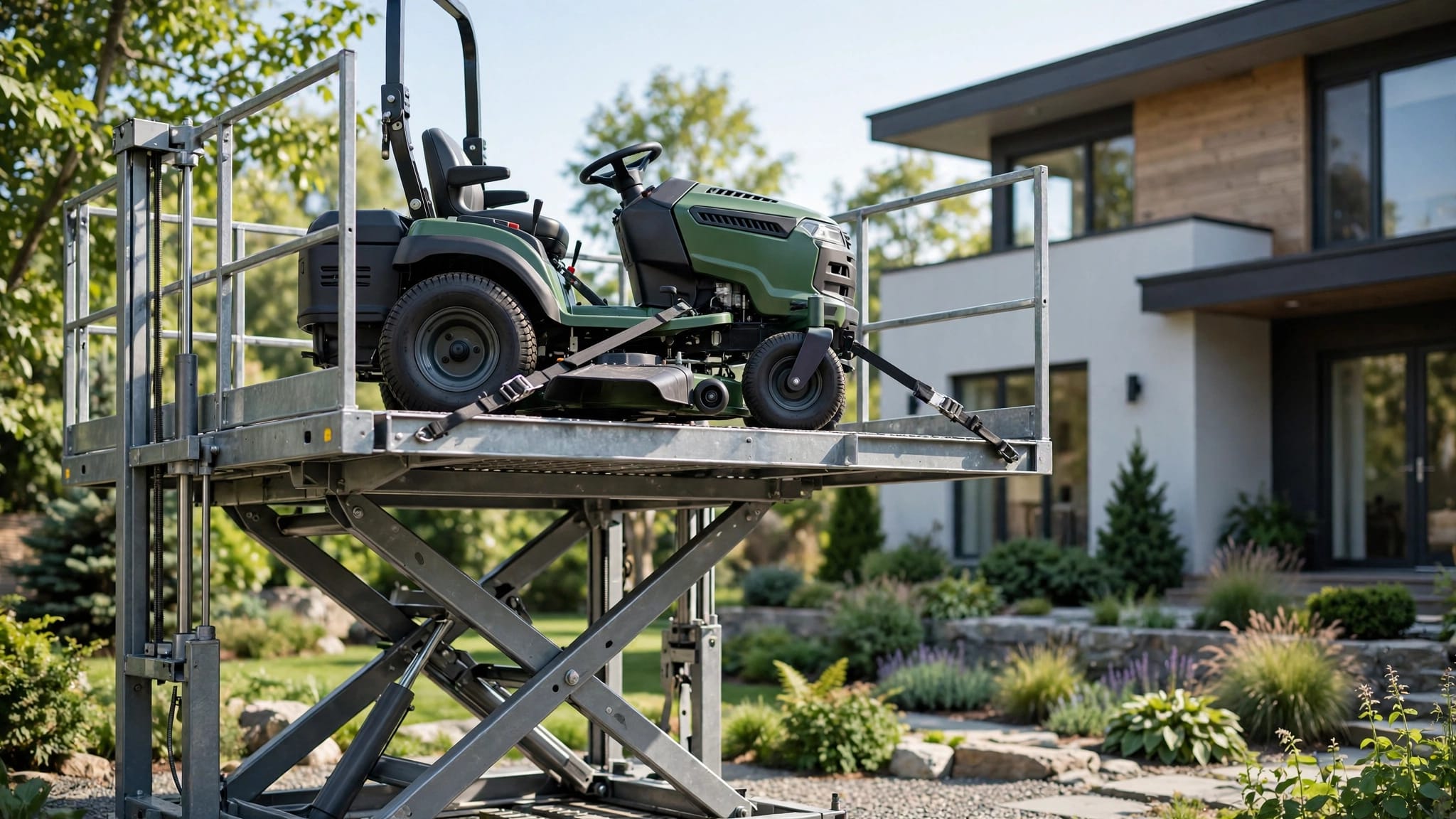
This setup can help warehouses, construction sites, marinas, restaurants, retail buildings, and industrial facilities. A warehouse might use a lift to move cartons to a second-floor storage area. A contractor could use one for tools and materials on a multi-level job site. A waterfront business may need weather-resistant equipment for supplies, maintenance parts, and dock equipment.
Unlike a passenger elevator, a material lift focuses on goods rather than transporting building occupants. That difference affects the platform design, controls, guarding, rated load, and applicable regulations. A freight lift may carry pallets, crates, machinery, or maintenance equipment, but workers should remain outside the platform unless the system has passenger-rated approval.
Many businesses also use exterior lifts when interior construction would take valuable floor space. An outdoor installation may reduce disruption inside an operating building. However, the structure still needs proper support, landing access, electrical service, drainage, and protection from vehicle impact.
For a closer look at available capacity and commercial applications, review these commercial cargo lifts before discussing a project with a lift professional.
Main Types of Outdoor Freight Lifts
The best equipment depends on the load and the way workers move it. A lift for hand-loaded cartons has different requirements from one that accepts palletized goods.
| Lift type | Typical use | Main planning concern |
|---|---|---|
| Vertical platform cargo lift | Boxes, tools, carts, and small equipment | Platform size and landing access |
| Enclosed freight lift | Pallets, machinery, and weather-sensitive goods | Enclosure, doors, and loading clearance |
| Material lift | Construction supplies and service equipment | Load stability and job-site controls |
| Passenger-compliant elevator | People, goods, or both when approved | Full passenger safety and accessibility requirements |
A vertical platform cargo lift often works well when workers load items directly onto a platform. It can connect a driveway, yard, dock, balcony, or raised loading point without adding a full interior shaft.
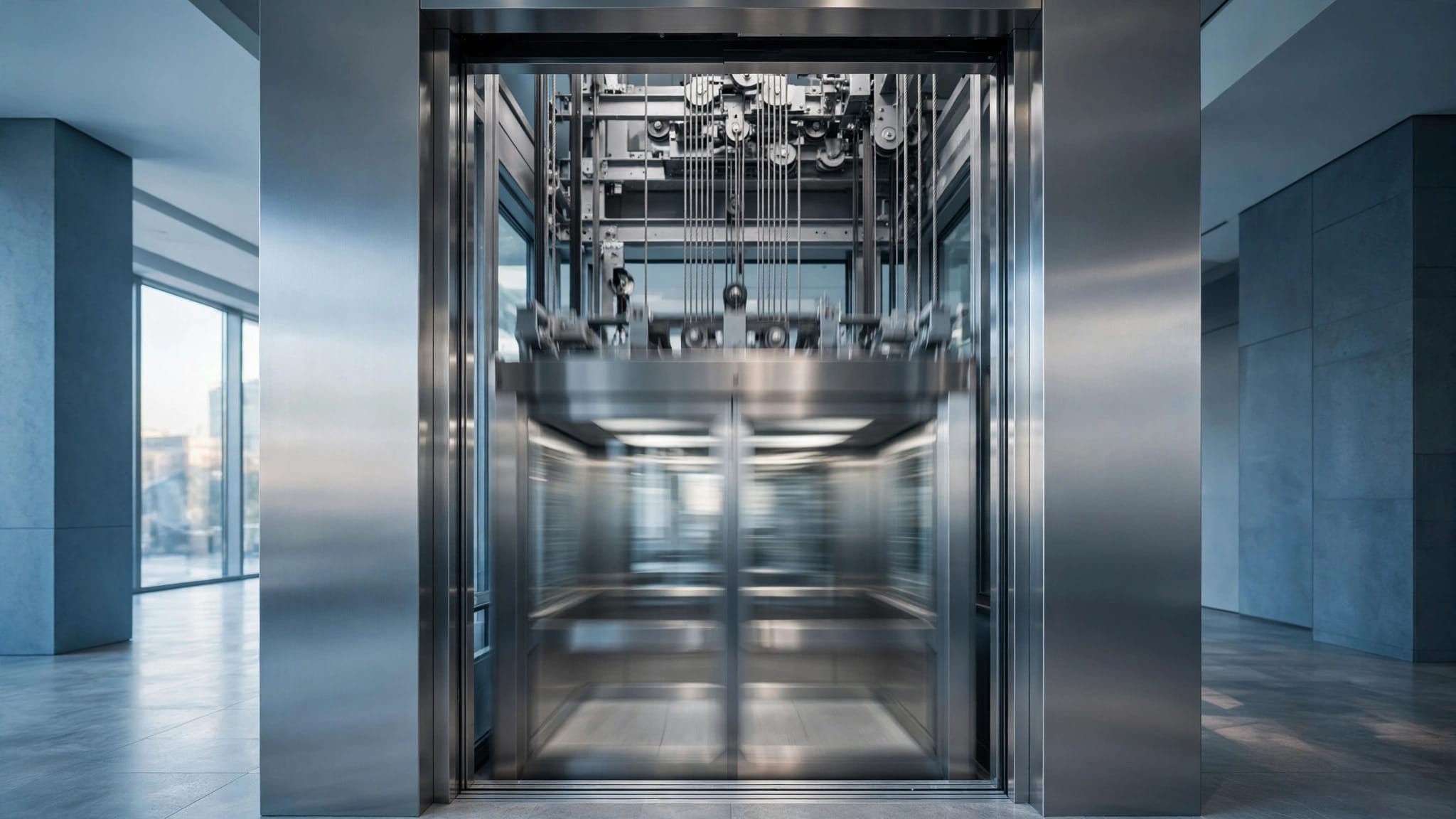
Enclosed freight lifts add protection when rain, wind, salt air, or falling debris could damage the load. The enclosure may also help control access and reduce the chance of materials falling from the platform.
Material lifts are common where the main need is vertical movement during construction or maintenance. Their suitability depends on the equipment rating, installation method, and local rules. A contractor should never assume that a lift approved for materials can carry workers.
Passenger-compliant elevators belong in a separate category. If employees, customers, or visitors need to ride with the goods, the building owner should discuss a compliant elevator solution with a qualified provider. A freight platform is not automatically a passenger elevator because it has a larger deck or stronger motor.
Choosing Capacity, Platform Size, and Travel Distance
Rated capacity is one of the first specifications facility managers review, but it isn't the only one. A 1,000-pound rating may handle a heavy cart, yet the platform may not fit the cart's turning radius or the full load footprint.
List the heaviest item that will use the lift, then add the weight of the pallet, cart, container, or handling equipment. Consider how the load sits on the deck. An uneven or concentrated load may create a safety problem even when the total weight remains below the rating.
Platform dimensions should match the actual loading method. Measure pallets, rolling bins, forklifts, hand trucks, and long equipment. Also measure door openings, aisle widths, dock edges, and landing space. A platform that fits the product but cannot accept the loading device will slow the operation.
Travel distance affects the track, structure, controls, and installation plan. Record the height from the lowest loading point to each upper landing. If several levels need service, confirm whether the system can stop at each location and how workers will access the platform safely.
Commercial cargo systems may list capacities around 750 to 1,000 pounds, but the correct rating depends on the selected model and application. For example, published Veranda 'Vator cargo lift information includes a 1,000-pound capacity, a 1 HP motor, and dual aluminum track components. Treat those figures as product-specific information, not a standard for every outdoor freight lift.
A lift that reaches the upper floor but cannot accept a pallet jack is not a useful loading solution.
Site Design Matters as Much as the Lift
An outdoor freight lift needs a stable installation point. The building wall, support frame, foundation, landing, or tower must handle the equipment loads and the forces created during use. A qualified installer or engineer should review the structure before the purchase is finalized.
Start the site review at the loading area. Trucks need room to approach without blocking the platform or forcing workers to stand in traffic lanes. The lift should also have enough clearance for doors, gates, overhead obstructions, drainage, and routine inspection.
Upper landings need safe access. A landing may require a guardrail, gate, door, platform extension, or other protective feature. The exact arrangement depends on the building, local requirements, lift design, and height above grade.
Vehicle protection is easy to overlook. Bollards, barriers, wheel stops, or a changed traffic pattern may protect the lift from forklifts, delivery trucks, and yard equipment. If the platform sits near a dock edge, the design should account for pedestrian movement and falling-object hazards.
Electrical planning belongs in the early design stage. Confirm the required voltage, disconnect location, control position, weather-rated components, and backup procedures. A generator or alternate power source may help some sites, but it doesn't make the lift safe to operate during every outage. Operators need clear instructions for an unexpected stop or loss of power.
Weather, Corrosion, and Coastal Exposure
Outdoor equipment faces conditions that indoor lifts avoid. Rain can enter control areas, standing water can damage components, and wind can affect an open platform or unsecured load. Coastal facilities also face salt exposure, which can accelerate corrosion on steel, fasteners, cables, and electrical connections.
Material selection should match the site. Coatings, stainless hardware, aluminum components, sealed controls, drainage, and planned inspections can support service life, but no material eliminates maintenance. A marine or waterfront application needs a more careful corrosion-control plan than a protected inland warehouse.
Storm procedures also matter. The facility should define when the lift comes out of service, how the platform is secured, and who inspects it after severe weather. Operators need to know whether the platform must remain at a certain landing, whether power should be disconnected, and how to report damage.
Businesses near docks and waterfront loading areas can review guidance on weather-resistant exterior lifts when comparing materials and installation conditions.
Drainage is another practical concern. Water should not collect around the base, landing, track, or control cabinet. The surrounding slab and site grading need attention before installation, especially where heavy rain or storm surge is possible.
Safety Features and Operating Controls
Safety features vary by lift type, but commercial owners should ask how the equipment prevents unintended movement, unauthorized access, and falling loads. Common features may include braking systems, multiple cables, safety gates, limit switches, guarded travel areas, emergency stops, and controls that require deliberate operation.
Gates and landings should prevent a worker from stepping into an open shaft or travel path. The platform should also keep its load contained during movement. Loose boxes, tall carts, and long materials may need restraints or a different loading method.
Controls should fit the workflow. A key switch, push-button station, or radio remote may work depending on the layout and access points. Controls should remain visible, protected from weather, and positioned away from pinch points. Operators need training on rated capacity, load placement, gate use, shutdown procedures, and fault reporting.
Daily inspections can catch problems before they interrupt operations. The operator should follow the manufacturer's inspection schedule and report unusual noise, cable wear, damaged guards, water intrusion, uneven travel, or control faults. Only authorized personnel should repair or adjust the equipment.
Freight and passenger use must remain separate in the operating policy. If people need regular access between floors, discuss outdoor material lifts versus elevators with a qualified lift professional before choosing a system.
Planning the Purchase and Installation
A useful project brief gives the lift provider enough information to recommend a suitable configuration. Include:
- Maximum load, typical load, and loading equipment
- Number of levels and total travel height
- Platform dimensions and required clearances
- Indoor or outdoor landing locations
- Climate, salt exposure, wind, rain, and storm conditions
- Available electrical service
- Vehicle traffic and pedestrian routes
- Preferred controls and operating frequency
- Structural drawings, photographs, and site measurements
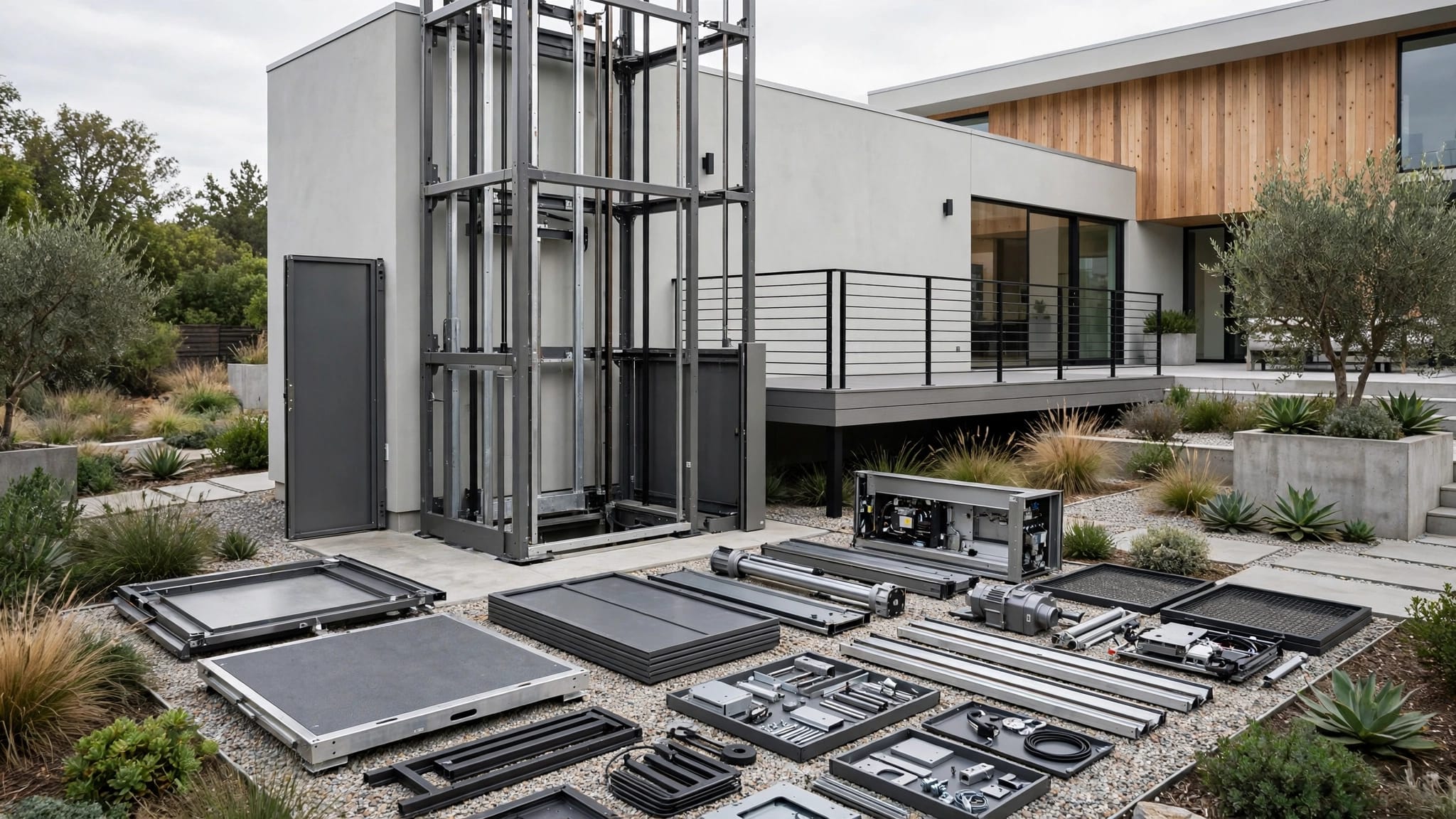
The provider may then review the structure, propose a platform and travel system, identify required safeguards, and outline installation work. Ask which parts the manufacturer supplies and which work requires a general contractor, electrician, concrete contractor, or structural engineer.
Project cost depends on more than the lift itself. Support steel, foundations, enclosures, landings, electrical work, permits, freight, installation height, and site access can all affect the budget. A low equipment price may not reflect the full installed cost.
Before approval, confirm the warranty, service area, replacement parts, inspection schedule, training, and response process. Final equipment selection, structural engineering, installation details, and code compliance should be confirmed with qualified lift professionals and the local authority having jurisdiction.
Maintenance for Reliable Daily Use
A maintenance plan protects both uptime and safety. Keep the platform, tracks, gates, and loading area free of debris. Check for corrosion, damaged fasteners, worn cables, loose guards, water entry, and signs of impact.
Follow the manufacturer's schedule for lubrication, adjustments, electrical checks, and component replacement. Outdoor systems may need more frequent visual checks after heavy rain, hurricanes, flooding, or salt exposure.
Record inspections and repairs in a simple log. Include the date, operator, condition found, corrective action, and return-to-service approval. This record helps managers identify repeated issues and supports consistent training across shifts.
If the lift develops a fault, remove it from service until an authorized person evaluates it. Do not bypass a gate switch, limit switch, brake, or overload protection to keep shipments moving. A short delay is safer than operating equipment with a known defect.
Conclusion
Outdoor freight lifts give commercial facilities a practical way to move materials between ground-level loading areas and elevated floors. The strongest choice matches the real load, loading equipment, travel height, site structure, weather exposure, and operating routine.
Capacity alone doesn't determine suitability. Review the complete installation with qualified lift professionals and local authorities, then plan for guarding, training, inspections, corrosion control, and service. When those details fit the facility, an exterior lift can make daily material handling safer and more predictable.
Recent Posts