
A reused door code can give a former guest access long after checkout. With an outdoor lift, that mistake can affect both property security and a person's ability to move safely between levels.
Outdoor lift access control needs a clear policy before the first reservation arrives. Guests, co-owners, cleaners, and service technicians all need different access at different times.
Set the lift's permissions around real use, then make the process easy enough that people follow it.
Why Outdoor Lift Access Control Needs Its Own Plan
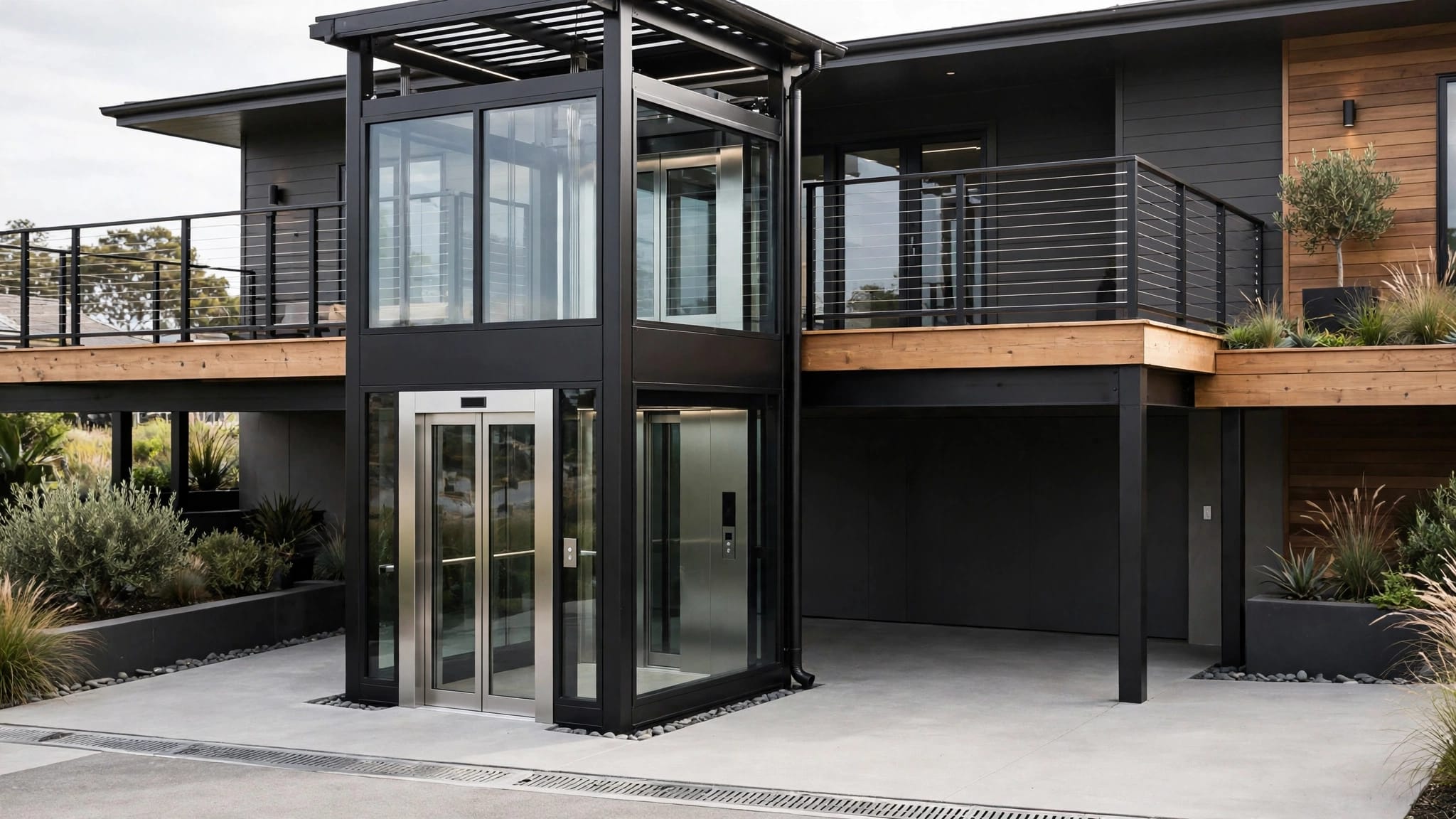
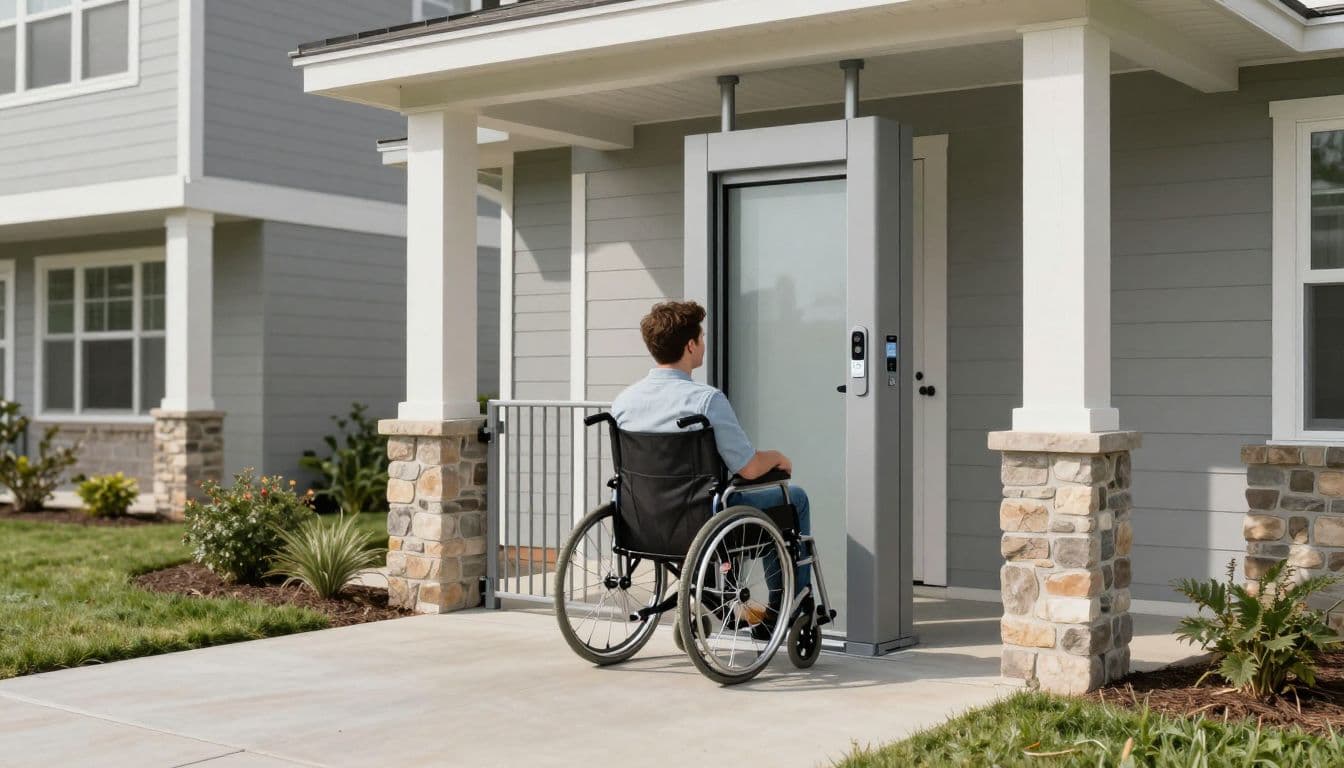
A lift landing is a separate controlled area, even when it sits beside the home's entrance. A guest may need to enter the house but not use a service lift. Another guest may depend on a passenger-rated lift or vertical platform lift to reach the living level.
Keep home entry and lift permissions separate
Give every person two distinct access decisions: entry to the home and access to the lift. A front-door credential protects private rooms and common areas. Lift access governs a gate, a call point, or an approved operating control.
Someone might have permission to bring luggage inside without permission to operate the lift. Conversely, a guest with mobility needs may require lift access while a separate home-entry process protects the residence.
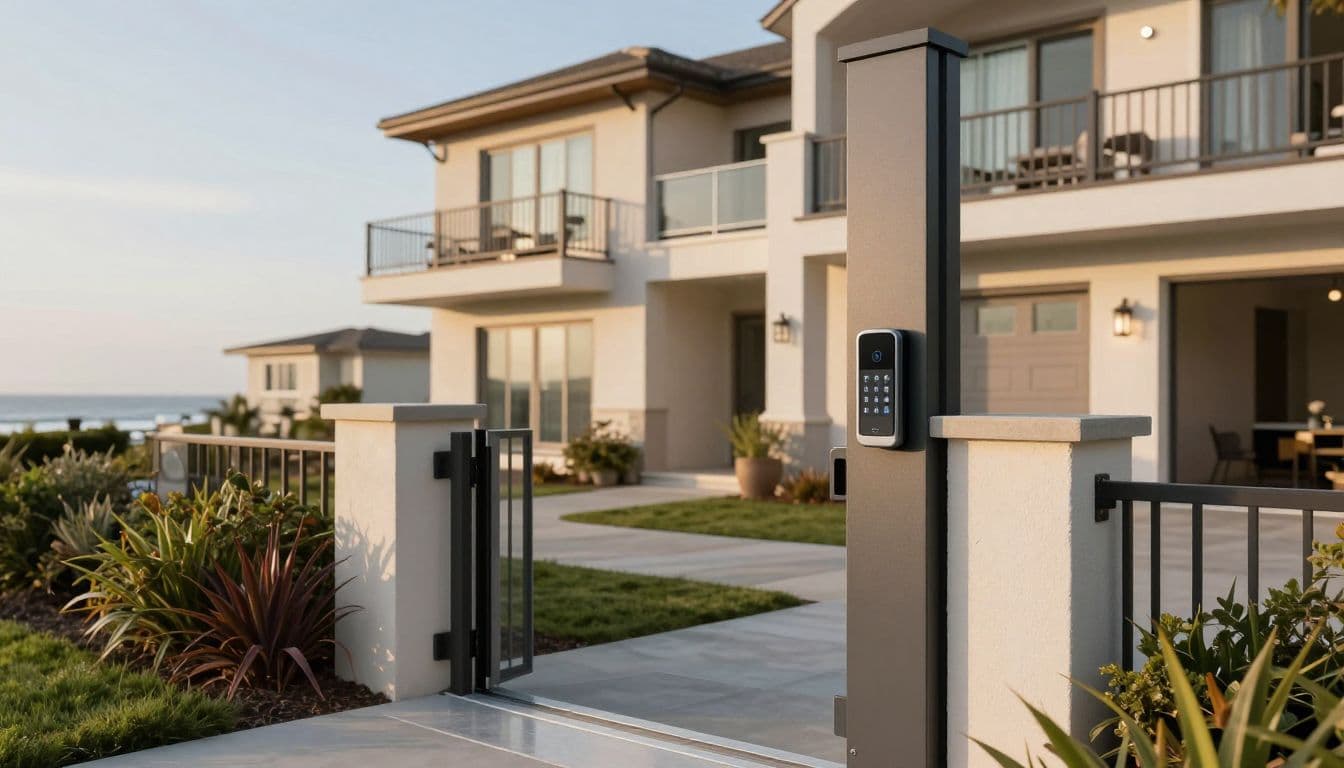
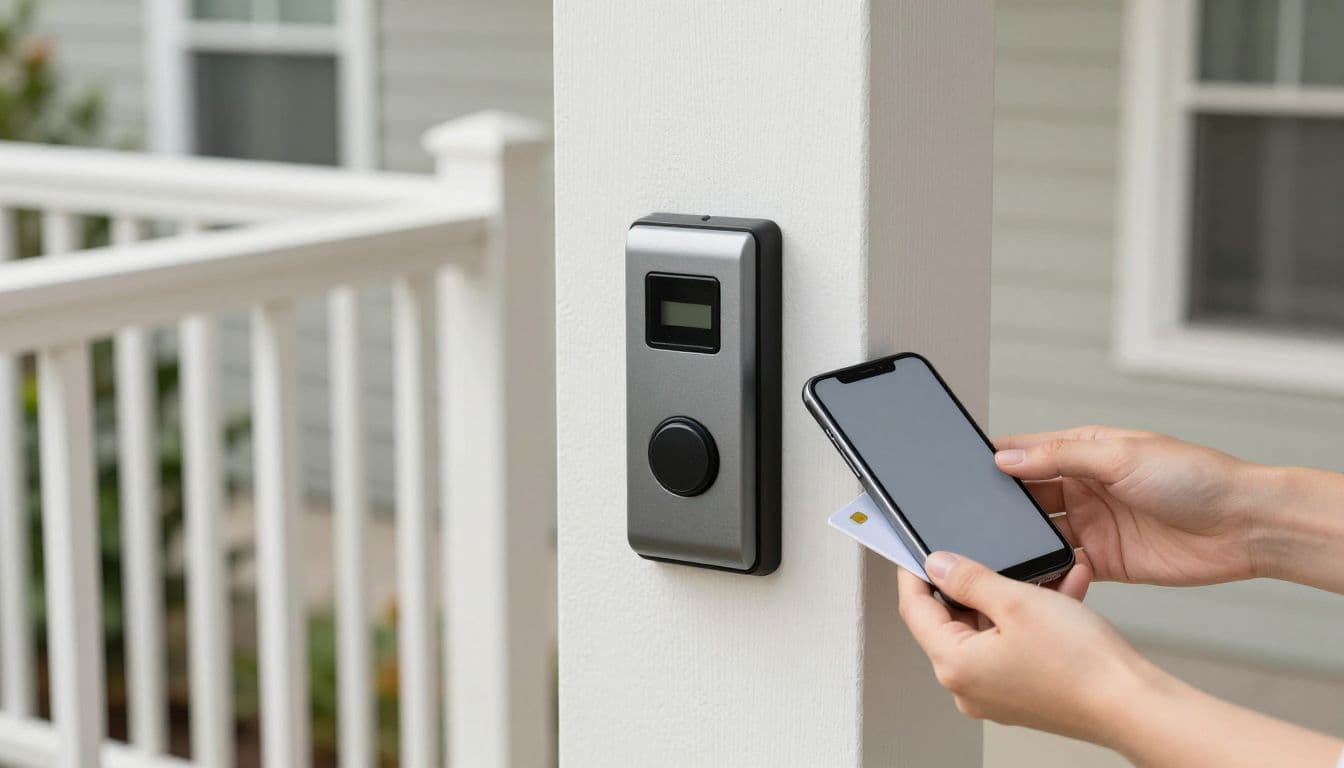
Use a dedicated reader, keypad, fob, card, or managed mobile credential at the lift access point. Don't rely on a hidden gate key or a shared code printed in the house manual. Those shortcuts are hard to track and harder to remove.
Match permissions to the lift's intended use
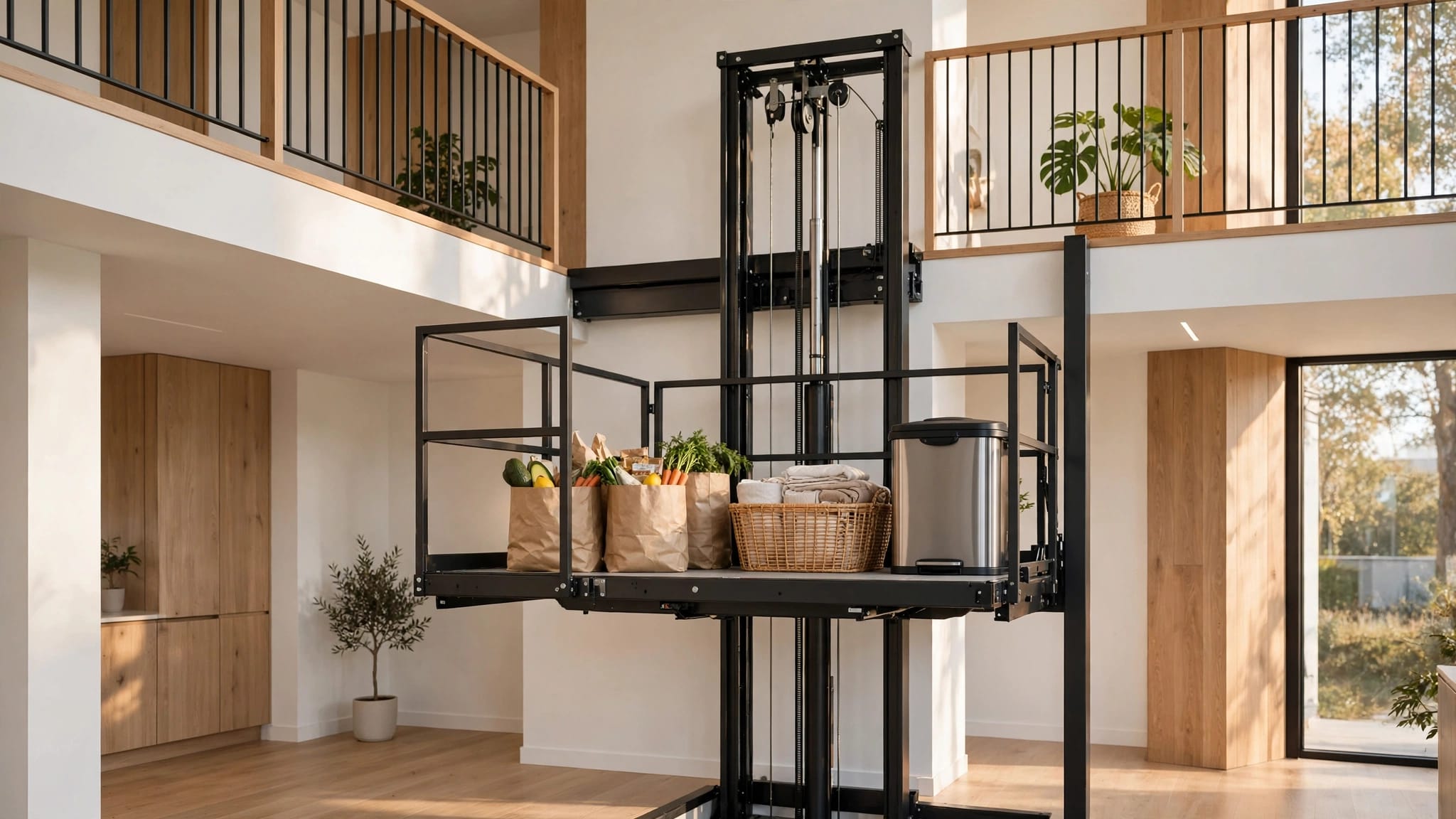
Permissions must reflect what the equipment is designed to carry. A cargo lift moves goods such as luggage, groceries, or supplies. It must never carry people unless the manufacturer has designed and approved it for passenger use.
Before assigning access, confirm the equipment category. Comparing cargo lifts and passenger elevators helps owners separate material handling from passenger transportation.
A credential system cannot make a cargo lift safe for riders. It should support the approved use, not blur it.
Build an Access Map Before Choosing Credentials
Start with a simple map of the property. Mark the driveway, lift gate, lower landing, upper landing, front door, staff entrance, mechanical spaces, and any shared outdoor areas. Then decide who needs access to each point.
Outdoor lift access control works best when it follows that map. A single universal code may feel convenient, yet it gives every user more access than they need.
Assign access by role and time
Use short, predictable access windows. A renter's code should start near the approved arrival time and end at checkout. A cleaner's code should work only during a scheduled turnover. A maintenance credential should expire after the service appointment.
This small reference table can guide the initial setup.
| User | Lift access | Credential timing |
|---|---|---|
| Guest who needs the lift | Approved lift entry and operation | Arrival through checkout |
| Resident or co-owner | Regular access based on house rules | Ongoing, reviewed periodically |
| Cleaner | Only the areas and hours required for turnover | Scheduled work window |
| Service technician | Lift area only, unless more access is necessary | Appointment window |
| Emergency contact | Access defined in the written emergency plan | Controlled and documented |
The owner or designated manager should be the only person who can add permanent users. That rule avoids confusion when several family members share decisions.
Choose hardware that fits an exterior location
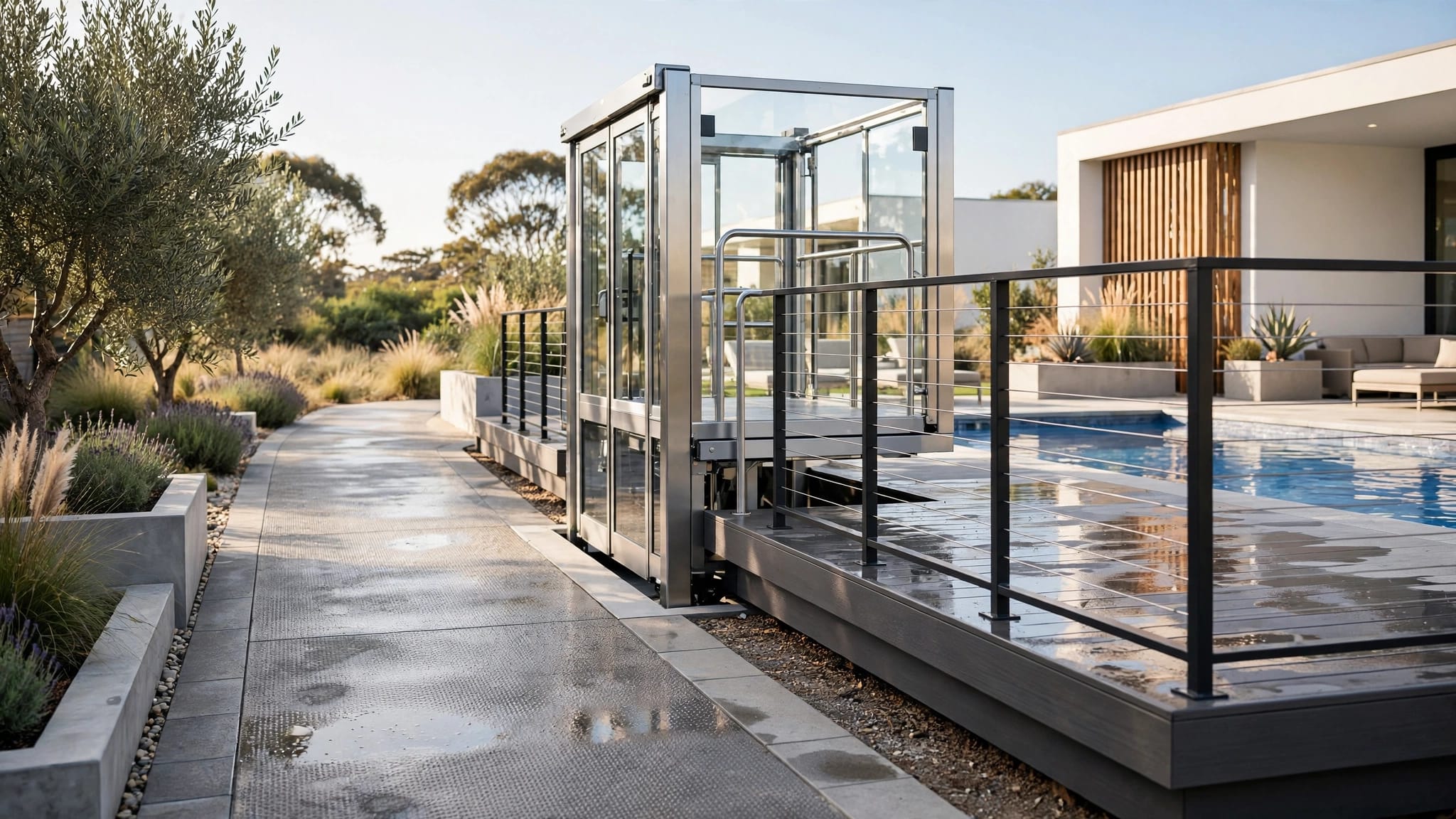
Readers, keypads, credential cabinets, and wiring need to suit sun, rain, salt air, temperature swings, and the lift's approved design. Place the reader where users can reach it from a safe, level approach.
Keep credentials usable for people with limited hand strength, low vision, or mobility limitations. A tiny keypad behind landscaping may look tidy, but it can create a barrier at the exact point where access matters most.
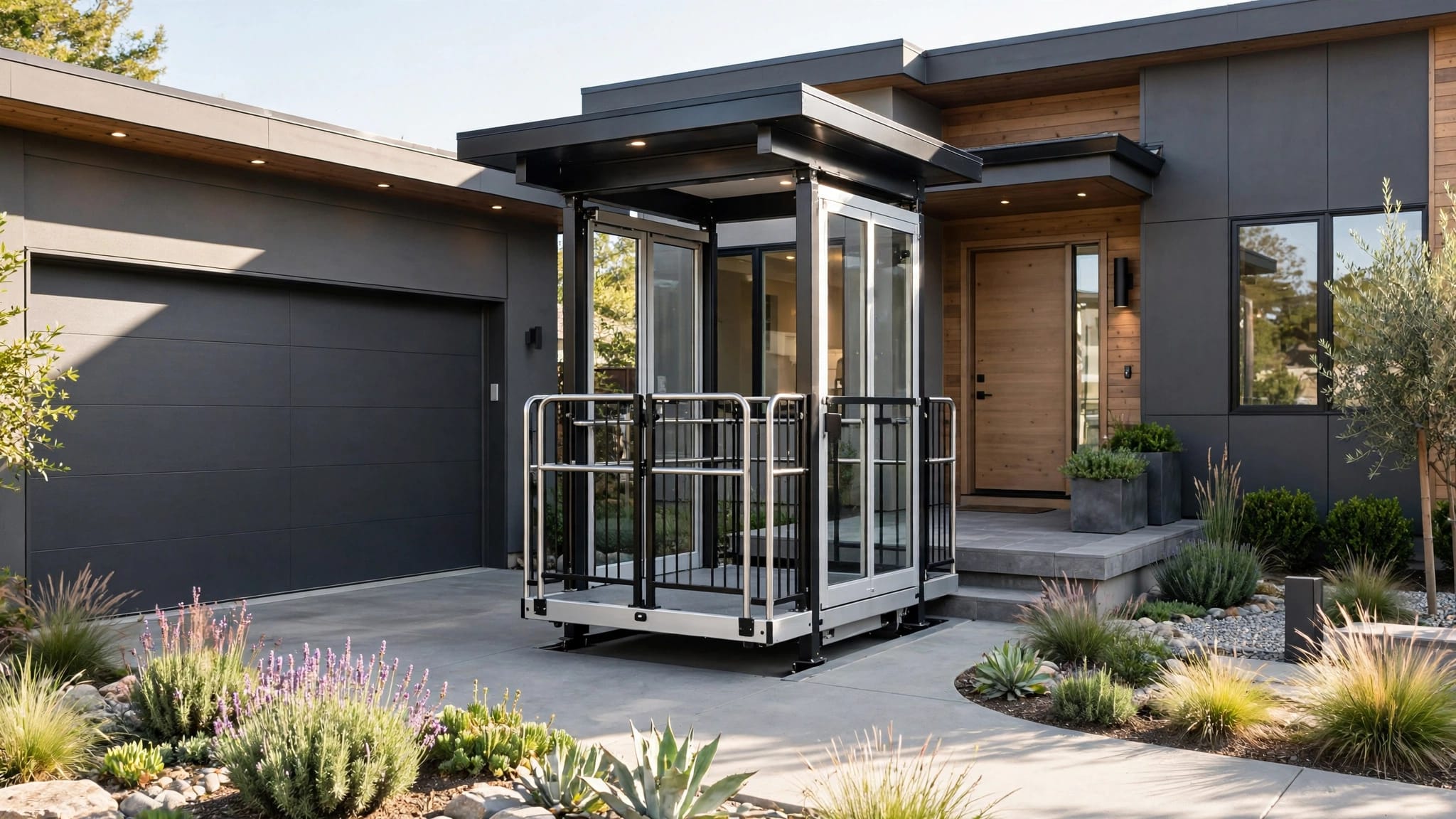
Physical gates also need careful planning. Review exterior elevator gate safety alongside the access plan, especially where a gate swing, latch, or reader could narrow the landing.
Issue and Revoke Guest Credentials Reliably
A good credential process starts before arrival and ends without a last-minute scramble. The goal is simple: the right person gets the right access for the right stay.
Use a repeatable arrival workflow
Ask whether anyone in the reservation party needs the lift before sending access details. That lets you provide operating instructions in advance and resolve questions without discussing a guest's needs with unrelated travelers.
Use the same sequence for every booking:
- Confirm that the guest needs and is permitted to use the installed lift type.
- Create a unique, time-limited credential rather than reusing a prior guest's code.
- Send the credential through a private channel, with clear instructions not to share it.
- Explain the approved lift-use rules, gate operation, and the emergency contact procedure.
- Verify after checkout that the credential has expired or has been removed.
Don't put a lift code in a public listing, a group message, or a printed binder that remains in the home. Those methods expose future occupants.
Respect privacy in a shared household
In a shared home, permanent residents may use the lift daily while short-term guests come and go. Give each resident an individual credential. Shared credentials make it impossible to know whether access remains appropriate after a move-out, disagreement, or staffing change.
Keep access records limited to what you need for management and safety. Residents should know who can view those records, why they are kept, and how long the property retains them. Avoid using lift access data to monitor ordinary guest routines.
Manage Cleaners, Contractors, and Lost Credentials
Staff access often creates the weakest point in an otherwise thoughtful system. Cleaners may arrive between bookings, contractors may need a one-time visit, and a maintenance call can occur while guests are staying at the property.
Give workers only the access their job requires
A cleaner may need the front door, a supply closet, and lift access during a narrow turnover window. A landscaper may need neither the house nor the lift. A lift technician may need access to service components but not private guest areas.
Write down the scope before issuing any credential. Include the visit date, expected arrival period, areas approved for entry, and the manager who authorized it. Then remove the credential once the work ends.
If the property uses a cargo lift, staff can load approved materials according to its operating instructions. They should not ride it. Keep that rule in the worker instructions and property handbook.
For repairs, coordinate with the lift manufacturer or a qualified service provider. Don't ask a general contractor to bypass a gate, interlock, control, or safety device to finish a job faster.
Treat a lost fob or exposed code as a live issue
Deactivate a lost fob, card, or mobile credential as soon as someone reports it. If a guest shares a code with an unapproved person, remove that code and issue a replacement.
A physical key needs the same attention. Record who holds it, where duplicates are stored, and when it comes back. Don't leave an emergency key in an obvious exterior hiding place.
Notify the affected resident or arriving guest when a change might alter their access. Clear communication prevents someone from being stranded at a locked lift gate after a security update.
Protect Emergency Access Without Weakening Safety
Security controls must never interfere with the lift's approved emergency features. A locked credential reader is not a substitute for proper gates, interlocks, emergency communication, lighting, or service procedures.
Write an emergency procedure for the property
Keep a short, current emergency plan where managers can reach it. It should identify the property address, lift model information, emergency contacts, the lift service provider, and the steps to take when the lift stops or a gate will not release.
If a person is inside or on a stopped lift, follow the manufacturer's emergency instructions. Call emergency services when there is immediate danger. Never force open gates, defeat an interlock, or attempt an unapproved rescue.
A credential should never be used to bypass a required gate interlock or safety control.
Review how the system behaves during a power interruption with the installer or qualified service provider. The correct response depends on the approved lift design and local requirements.
Verify code, accessibility, fire, and safety obligations
Local building, accessibility, fire, and safety requirements can affect lift type, gates, controls, landing layout, emergency access, and rental operations. Verify applicable rules with qualified professionals, including the lift provider, design team, contractor, and local authority with jurisdiction.
Owners of coastal Florida properties can also review Florida outdoor elevator code rules, then confirm the requirements that apply to their own address.
An access reader must not make the lift harder to use for the people it was installed to help. Place controls within the approved design, keep routes to the landing clear, and address damaged hardware promptly.
Review the System After Each Rental Season
Access control isn't a set-it-and-forget-it task. Reservations change, household members move, staff turnover, and weather can affect exterior hardware.
Audit users and credentials on a schedule
At least once each season, compare the active credential list with current residents, upcoming guests, cleaners, contractors, and emergency contacts. Remove dormant fobs, old mobile permissions, unknown codes, and duplicate physical keys.
Also test the reader, gate latch, lighting, weather seals, and communication method according to the lift provider's maintenance guidance. Document any fault and restrict use when the approved instructions call for it.
Update the plan when ownership changes
A new co-owner or property manager needs more than a list of codes. Give them the access map, credential records, emergency procedure, service contacts, and the rule that lift access remains separate from ordinary door access.
Review outdoor lift access control whenever the property changes from private use to rental use, adds a new shared resident, or changes lift equipment. That review keeps convenience from becoming an untracked security risk.
A Safer Routine for Shared Lift Access
A lift can make an elevated home more practical for guests, residents, and staff. However, access works best when every credential has a purpose, a time limit, and a clear owner.
Separate lift permissions from home entry, protect guest privacy, and keep emergency procedures tied to the installed equipment. A well-managed lift credential supports access without giving away control.
Recent Posts