
Elevator Doors: Cab Doors, Landing Doors, and Gates

Share this article

Elevator doors include parts that move with the cab and parts that stay at each floor. Knowing which is which helps you understand how passengers enter safely and how a lift's openings should be planned.

The key distinction is location: a cab door moves with the elevator , while a landing door or gate protects the floor opening. The design varies by lift type, so let's look at each part and how they work together.

Cab doors and landing doors protect different openings

The terms can sound interchangeable, but they describe different components. The cab door travels with the elevator car; the landing door stays at a floor.

The cab door moves with the elevator

A cab door covers the entrance on the elevator itself. It moves whenever the car travels, so it is present at every floor the car serves. Depending on the design, it may use solid sliding panels, a folding gate, or another approved barrier.

In a conventional passenger elevator, the cab door is usually a solid panel or set of panels. Its finish might be stainless steel, painted metal, or a material chosen to suit the cab interior. The door protects the entrance while the car travels and gives riders a defined way in and out at a stop.

The landing door stays at a floor

A landing door is fixed to the building at an elevator entrance. Each floor served by the lift may have its own door or gate, protecting the opening when the cab is elsewhere.

The opening at a landing and the entrance on the car are separate parts, even when they appear to open together. In some lift arrangements, a gate may take the place of a solid landing door. For more terminology, see our guide to home lift door and gate terminology.

How cab doors, landing doors, and interlocks work together

The cab entrance and floor entrance must work as a coordinated system. A rider should be able to enter only when the car is at a suitable landing and the access point is protected.

Both entrances open for access

When the car reaches a floor and the system allows access, the cab and landing entrances open so someone can pass between the building and the elevator. The exact mechanism depends on the equipment. Some conventional elevators coordinate the doors through the cab's door operator, while other designs use different arrangements.

As the car prepares to travel, the doors or gates close. The landing barrier is especially important because it remains at the floor even when the cab has moved away.

Interlocks help prevent unsafe movement

An interlock is a safety device associated with a landing door or gate. It helps keep that entrance secured and prevents lift operation when a protected opening is not properly closed and locked. A barrier that appears shut is not necessarily secured.

The details vary by equipment, but the principle is consistent: the lift and its landing protection must work together. Read more about landing door interlocks and elevator safety. Never force a door, wedge a gate open, or bypass an interlock to keep the lift running.

A gate can be on the car or at the landing

"Gate" describes a style of barrier, not one fixed location. It may be mounted on the moving cab, at a floor opening, or both, depending on the design.

Cab gates move with the elevator

An older-style cab gate often folds or slides across the car opening. Accordion-style metal gates are a familiar example. Some designs use open mesh or bars, so a rider can see through the barrier.

Because the gate travels with the car, it protects the cab entrance but does not, by itself, close every floor opening. Landing protection must also suit the elevator and its approved design.

Landing gates protect floor openings

A landing gate is attached to a floor entrance and stays there while the elevator travels. It may use a metal frame, mesh, or panels. Its layout must match the lift's controls and safety system, including any required interlock.

A gate is not simply a decorative railing placed near an opening. For an outdoor installation, its style and construction should suit the lift and landing. Our overview of safe outdoor elevator landing gates discusses that relationship.

Common elevator door and gate designs

A door can be solid, glazed, or formed from multiple panels. A gate typically has a more open structure, such as folding metal sections or mesh. The right arrangement depends on the elevator type, the building, and how people or goods will enter.

Component Where it is located Typical movement Main purpose
Cab door On the moving elevator car Travels with the car; opens for entry and exit Covers the car entrance
Landing door At a floor opening Stays at that floor; opens when access is permitted Protects the landing entrance
Cab gate On the moving car Travels with the car; folds or slides open Provides a barrier at the cab entrance
Landing gate At a floor opening Stays at the floor; opens for loading or entry Protects access to the lift at that level

A solid door gives a more enclosed entrance, while an open-style gate allows visibility and airflow. The table describes common arrangements, not a universal specification. Some lifts use more than one type of barrier.

Why some older elevators use gates

Many older elevators were built with manually operated gates, including folding metal designs. Those barriers were relatively simple in form and allowed a rider to see through the entrance. In some older home lifts, a cab gate paired with a separate landing door or gate.

A gate can also suit certain equipment where the design calls for an open barrier rather than a solid, automatically operated door. That doesn't make every gate interchangeable with every door. The complete arrangement must match the elevator's safety system and intended use.

Why modern systems typically use enclosed doors

Modern passenger elevators typically use solid, powered doors at both the cab and landings. An enclosed entrance provides a continuous barrier across the opening and suits automatic operation in buildings where many people use the elevator.

That design also creates a more enclosed passenger space than an open metal gate. However, the presence of a solid door alone doesn't describe the full safety system. Its controls, locks, and interlocks all need to match the elevator's approved design.

A gate is not automatically unsafe or suitable

A properly designed gate can be part of an approved lift system. Its safety depends on its placement, construction, and connection to the lift controls, not simply on whether it looks old-fashioned or open.

Conversely, an attractive gate or solid door is not enough if it fails to secure the opening. The lift category and its landing arrangement determine which barrier is appropriate.

Choose doors around the lift's intended use

Passenger elevators, cargo lifts, and vertical platform lifts don't all use the same entrance arrangements. The lift must be designed for the people or materials it carries.

Passenger elevators need passenger-ready access

A passenger elevator is designed to transport people. Door placement affects entry, exit, and movement inside the cab, including how a wheelchair user approaches the entrance. A swing gate may also need room to open without blocking the landing path.

When planning a home installation, consider the building footprint and the full entrance route. Our guide to residential elevator space requirements covers how the elevator layout relates to available space.

Cargo lifts need clear loading access

For a cargo lift, the opening needs to work for the materials and equipment being moved. A wide load may require a different door or gate arrangement than small boxes or supplies. The landing space also needs to allow safe loading and unloading.

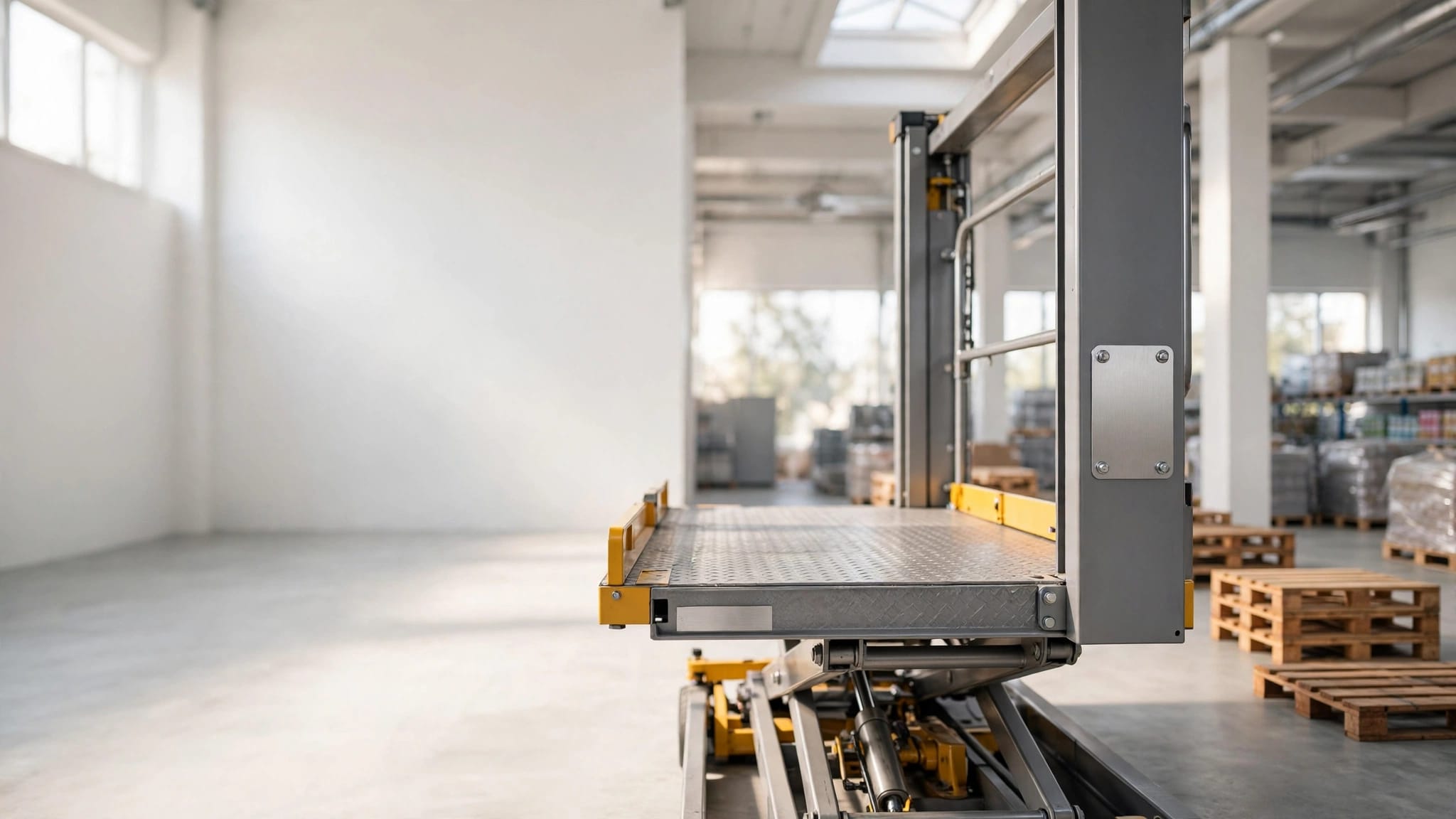
A cargo lift is intended for materials, not passengers, unless its manufacturer has designed and approved it for riders. A high capacity rating or large opening does not make a material lift suitable for carrying people. Compare cargo lifts and passenger elevators before deciding which equipment fits the job.

Safety signs to take seriously

A door or gate that will not close and lock can affect whether the lift is safe to operate. The same applies if an interlock appears damaged or the lift behaves unpredictably.

Exterior conditions can affect hardware

Outdoor lifts may face salt air, humidity, rain, and windblown sand. These conditions can affect exposed door hardware over time, particularly at coastal properties. If a door or gate stops latching as expected, take the lift out of service and keep people away from the affected opening.

A qualified elevator professional should handle repairs to the door system and interlock. Don't adjust wiring or force a latch back into position.

Never defeat an interlock

An interlock is a safety device, not an operating shortcut. Bypassing, wedging, or holding a gate open can allow movement when a landing entrance is unsecured. If the elevator won't run because a door or gate hasn't locked, treat it as a service issue.

Key takeaways

  • A cab door or gate travels with the elevator car.
  • A landing door or gate stays at a floor and protects that entrance.
  • Interlocks connect landing protection with lift operation.
  • Door and gate choices depend on the lift's design and intended use.
  • Never bypass or force a door or gate to operate the elevator.

Frequently asked questions

Can an elevator have both a cab door and a landing door?

Yes. Many conventional passenger elevators have a door on the car and a separate door at each landing. The two entrances work together to provide access when the car is at a floor.

Is a gate the same as a landing door?

No. A gate is a type of barrier, and it may be installed on the cab, at a landing, or in both locations. A landing door is specifically the barrier fixed at a floor opening.

Can a cargo lift use a gate?

It can, if the gate matches the lift's design and safety system. The lift's approved use still matters: cargo equipment should carry materials, while passenger elevators are designed for riders.

Know which part moves and which stays

The simplest way to tell the components apart is to watch their location: the cab door moves with the car, while the landing door or gate stays at the floor. Their designs may differ, but both need to work with the elevator's safety system.

Recent Posts

By Veranda 'Vator • November 20, 2026
A cargo lift capacity plate tells you how much the lift can carry under its stated conditions. Before loading, read the full rating, match the units, and account for the load's position and the lift's configuration. The plate is only part of the picture. Platform size, handlin...
By Veranda 'Vator • November 19, 2026
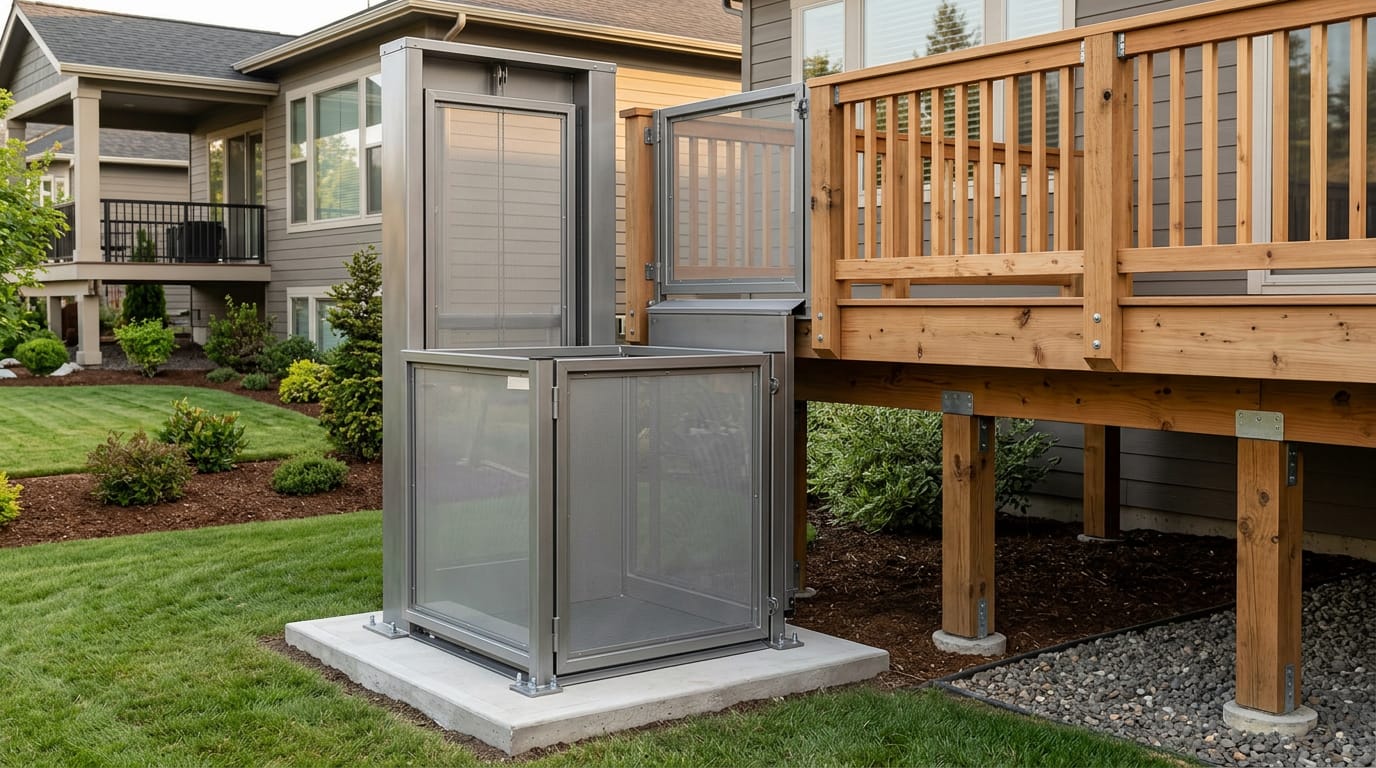
Yes, an outdoor lift can be installed at a wooden deck when the structure and lift support system are designed for the equipment's loads. Depending on the site, that may mean reinforcing the deck, building a separate foundation, or combining the two. For a safe outdoor lift in...
By Veranda 'Vator • November 17, 2026
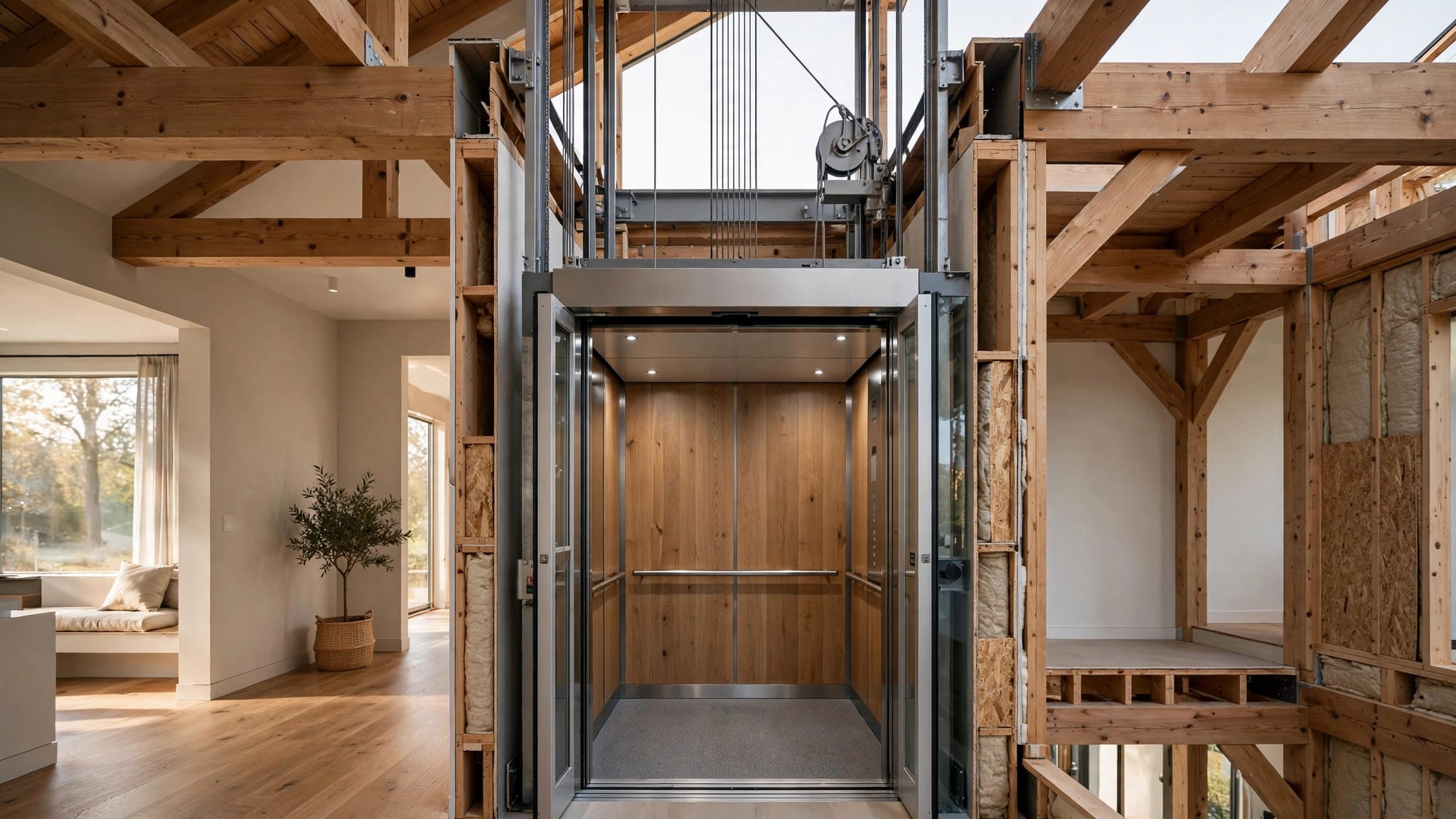
Residential elevator overhead clearance depends on the model and its configuration. Published manufacturer examples range from 90.8 inches to 135 inches , but those figures apply to specific products, not every home elevator. If you're planning a lift, the space above the top...
By Veranda 'Vator • November 16, 2026
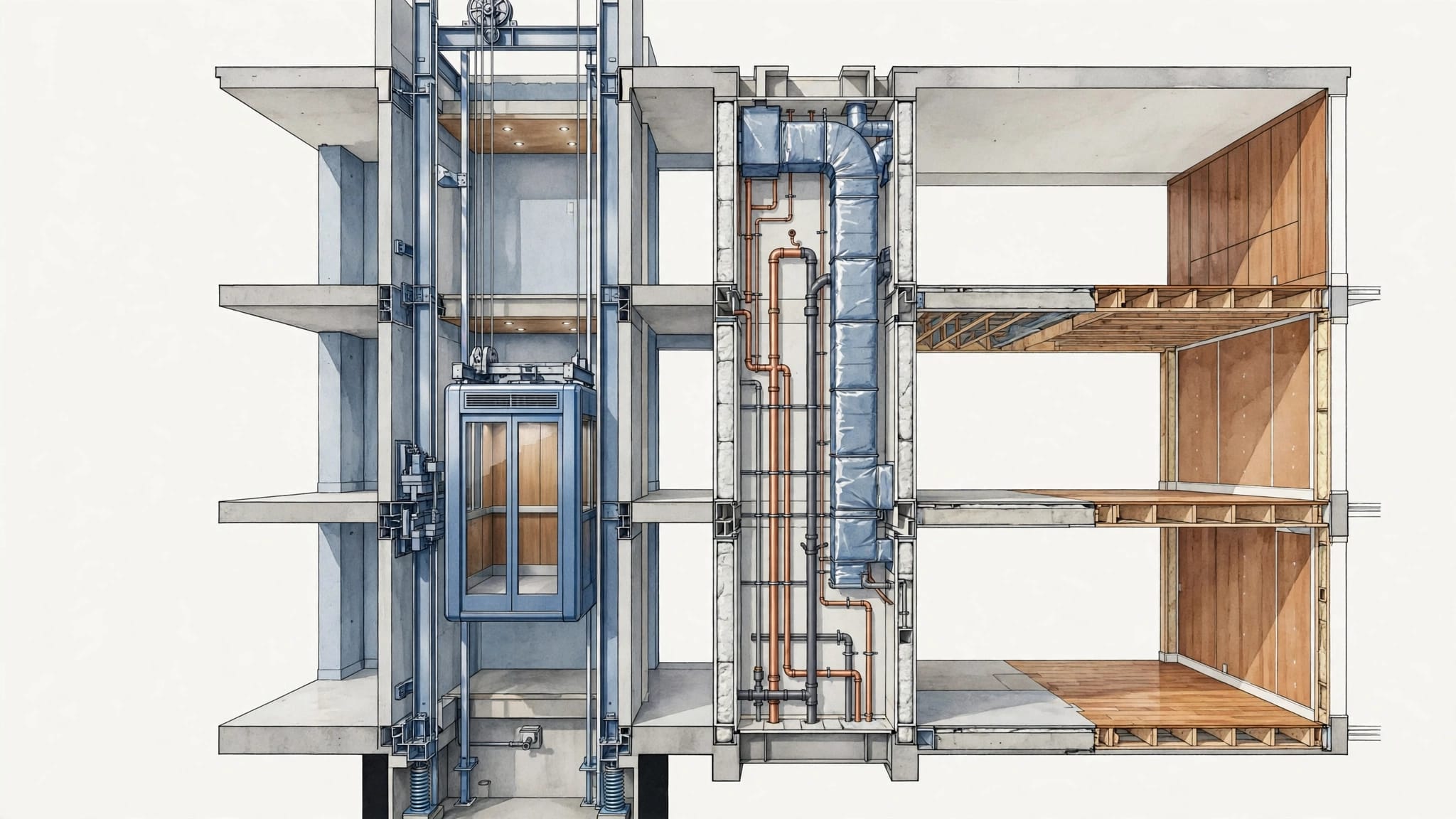
Ordinary household plumbing and HVAC lines generally should not pass through a residential elevator shaft. Limited provisions can allow certain services for the elevator space itself, as well as drainage equipment at the shaft base. For homeowners planning elevator shaft utili...
By Veranda 'Vator • November 15, 2026
Yes, a residential elevator can sometimes fit inside an existing stairwell. The opening must accommodate the elevator and its enclosure while leaving enough room for safe stair use and access at every landing. A workable fit depends on more than the width of the stairs. The ho...
By Veranda 'Vator • November 14, 2026
An elevator counterweight helps a traction elevator move by supplying force through the lift's cable and pulley system. As the car travels in one direction, the counterweight travels in the other. That arrangement can reduce the work the motor needs to do and lower energy use....
By Veranda 'Vator • November 13, 2026
A home elevator overload sensor detects when the load exceeds the elevator's rated capacity. It gives the control system information that helps protect the lift from carrying too much weight. For riders, the practical rule is simple: count everything in the car , including peo...
By Veranda 'Vator • November 12, 2026
An elevator overspeed governor monitors how fast an elevator car moves and can trigger a safety system if the car travels too fast. Its job is to detect excessive speed , not to handle the elevator's everyday stops. For property owners choosing a passenger elevator or cargo li...
By Veranda 'Vator • November 11, 2026
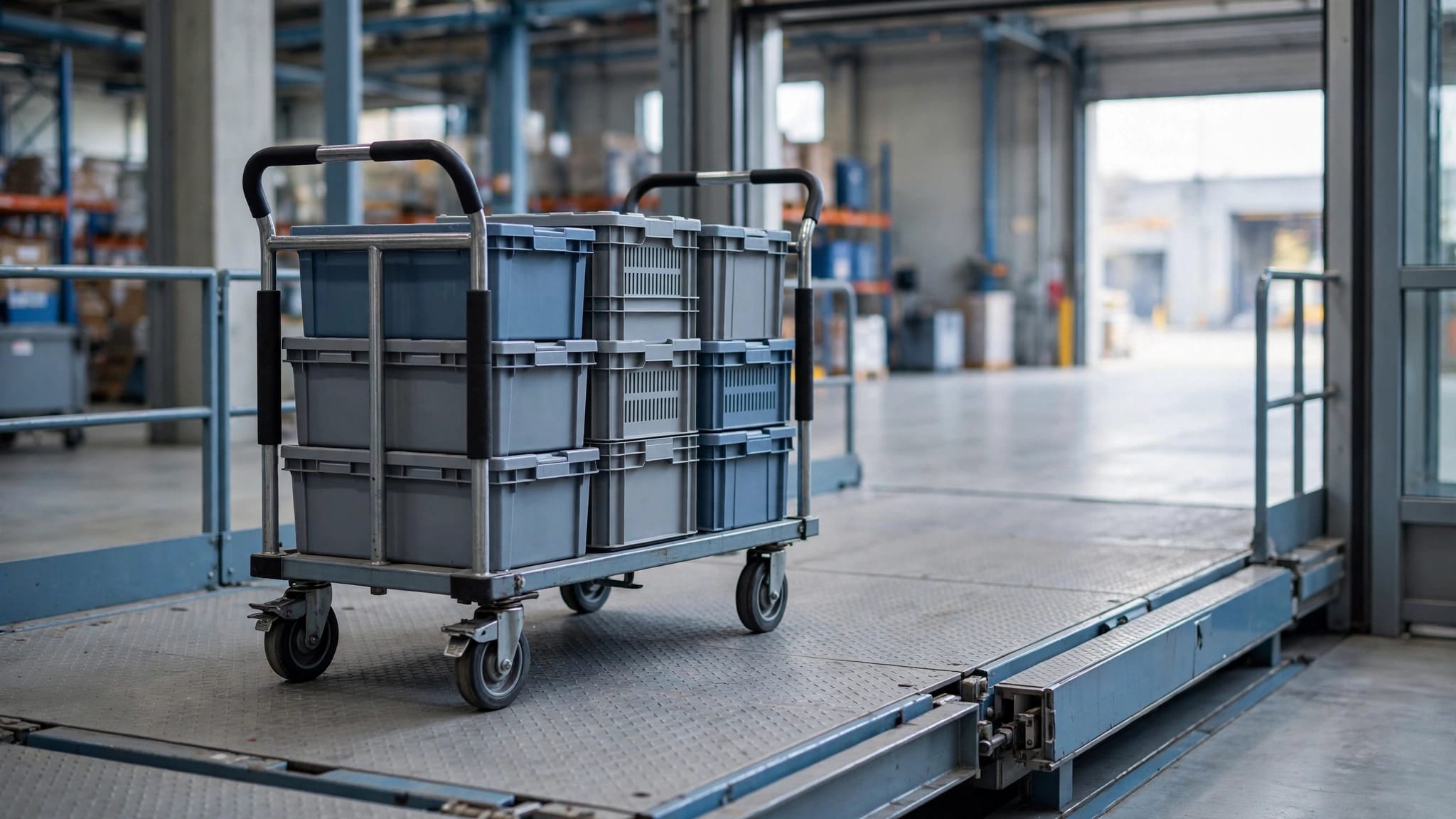
Cargo lift sizing starts with the largest loaded cart or bin you need to move, then accounts for its weight, dimensions, and route onto the platform. The right lift needs enough usable floor space and a clear opening, as well as a capacity rating that covers the entire load. T...

By Veranda 'Vator • November 10, 2026
Workers shouldn't ride a cargo lift that is rated for materials only. A platform may have enough room and weight capacity for a person, but that doesn't mean it has the protections or approval required for occupied travel. For cargo lift safety , the deciding factor is the equ...
Show More