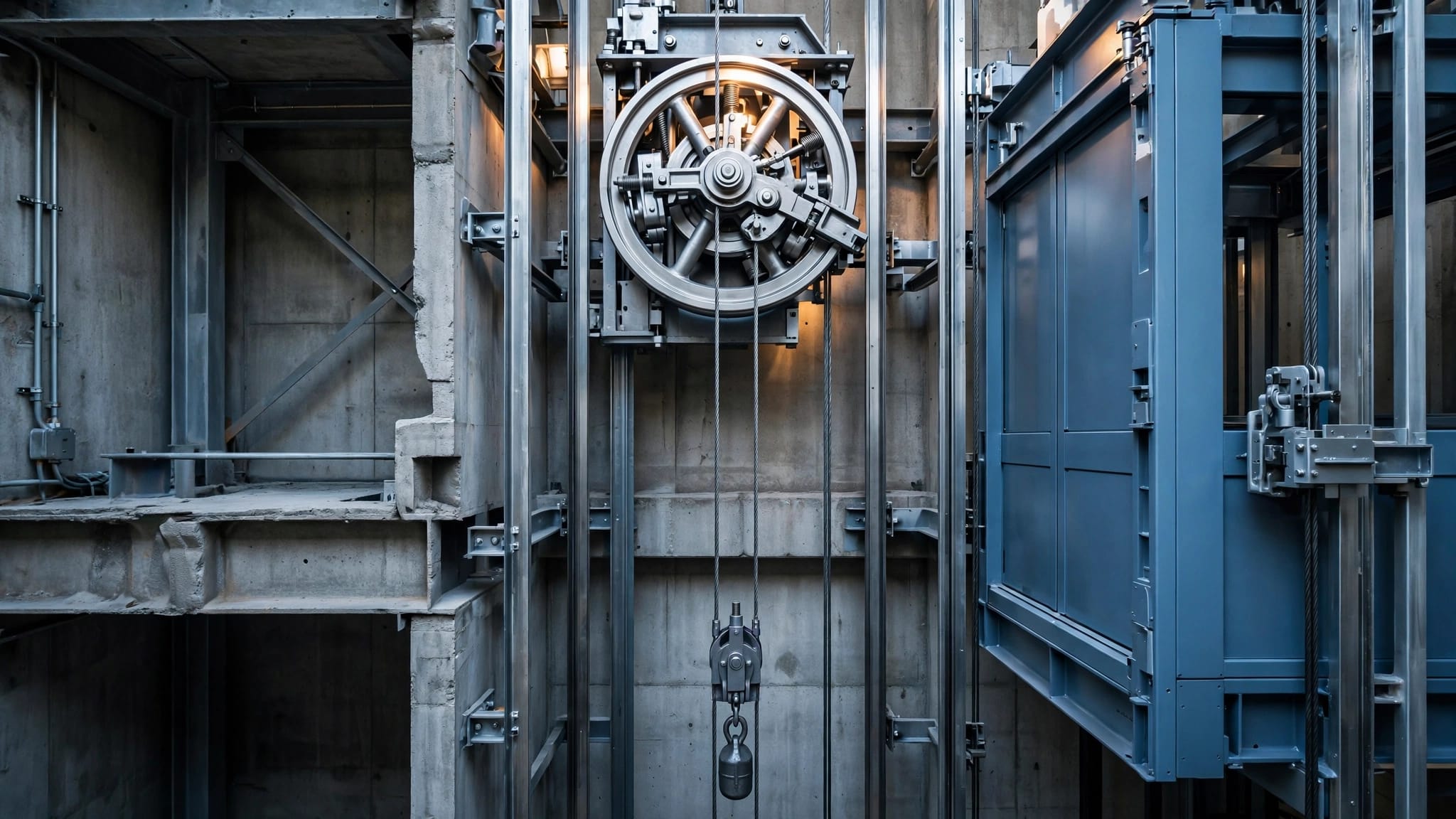

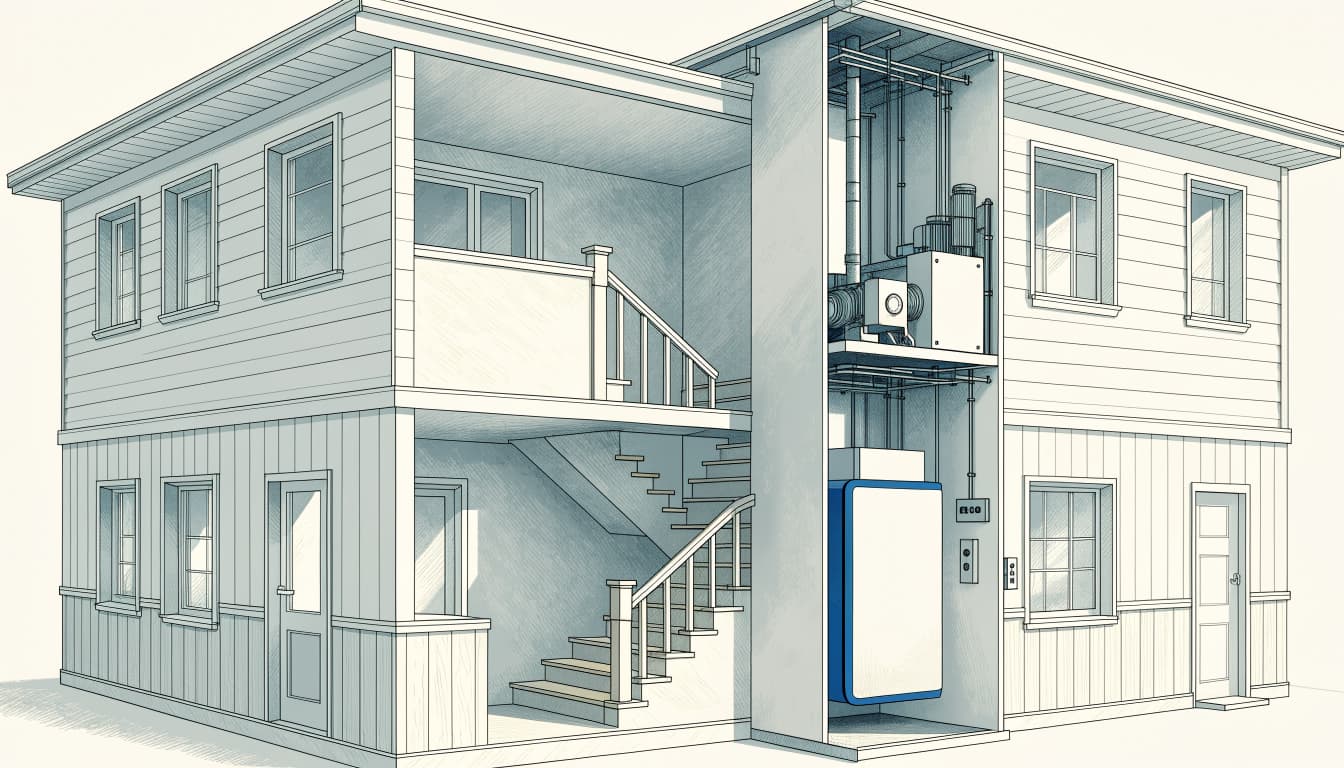

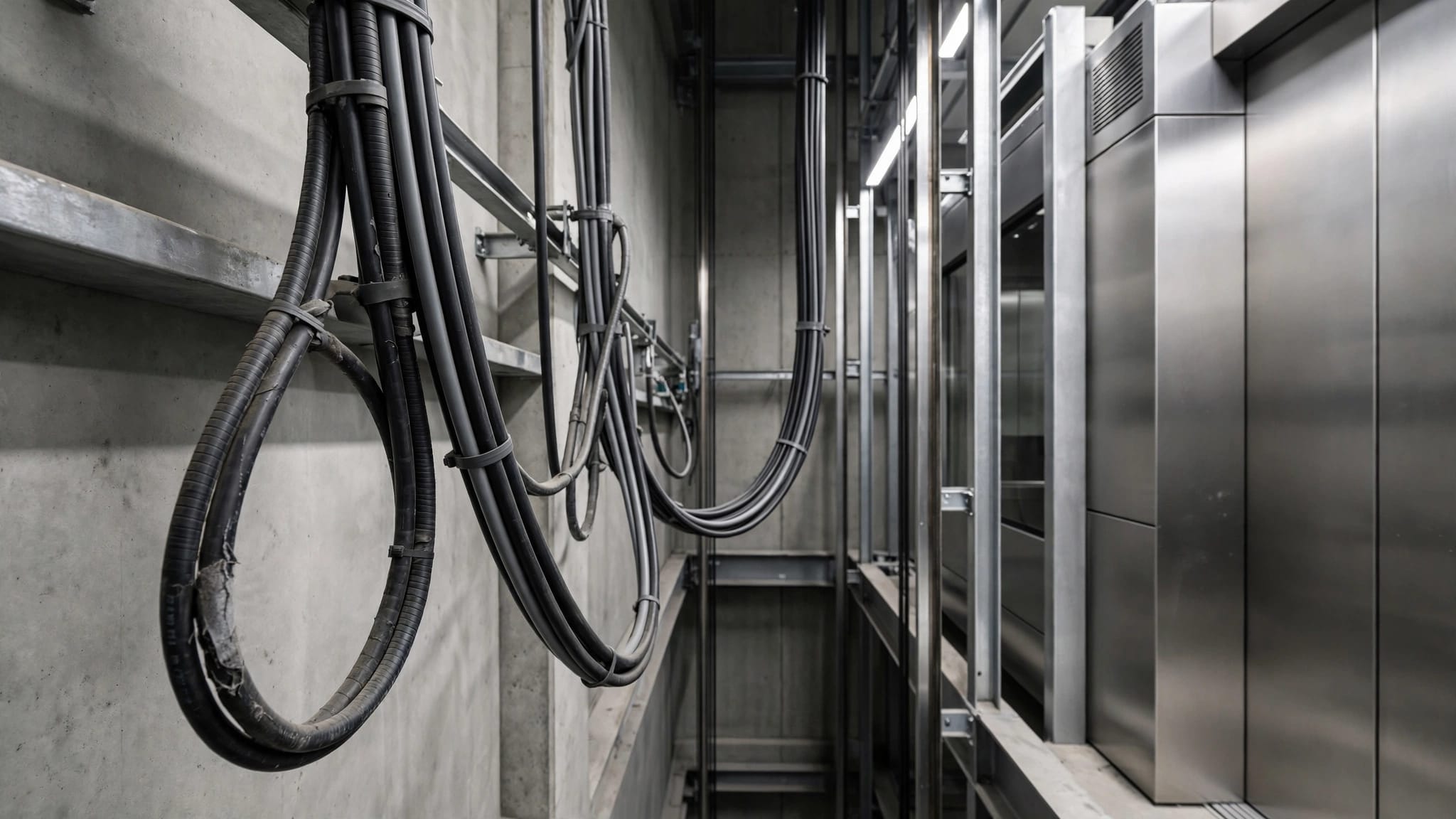
Compare residential elevator quotes by matching the equipment, assigning every construction task, and separating fixed prices from allowances and exclusions. The lowest equipment price doesn't necessarily produce the lowest completed-project cost .
Two proposals can describe similar elevators while covering different work. One may include freight, electrical connections, and inspections; another may leave those expenses to you.
Start with a shared comparison worksheet so each contractor's proposal answers the same questions.
Key takeaways
- Compare the same equipment category, capacity, travel height, and number of stops.
- Assign responsibility for construction, electrical work, permits, and final testing.
- Evaluate exclusions, warranty coverage, service costs, and payment milestones alongside the quoted total.
Put residential elevator quotes on one worksheet
Create a column for each proposal and use identical rows. Record the quoted amount, responsible contractor, and pricing status for each item.
These categories provide a practical comparison checklist.
| Quote line | What each proposal should state |
|---|---|
| Equipment | Manufacturer, model, drive type, capacity, stops, and travel |
| Dimensions | Usable cab space, door opening, pit, overhead, and clearances |
| Installation | Assembly, anchoring, adjustments, testing, and cleanup |
| Construction | Foundation, framing, landings, enclosure, and finishes |
| Electrical | Power supply, disconnects, wiring, and final connections |
| Approvals | Drawings, permits, inspection fees, and acceptance testing |
| Other charges | Freight, unloading, taxes, storage, and disposal |
| Contract terms | Allowances, exclusions, changes, payments, and schedule |
| Ownership costs | Warranty, maintenance, service calls, and communication |
The useful comparison is the complete installed scope , with optional upgrades separated. Our home lift quote terminology explains terms that commonly appear in proposals.
Keep unresolved expenses visible rather than entering zero. Otherwise, the least detailed proposal can appear cheaper simply because it leaves more work unpriced.
Match the equipment and specifications first
Compare equipment intended for the same use
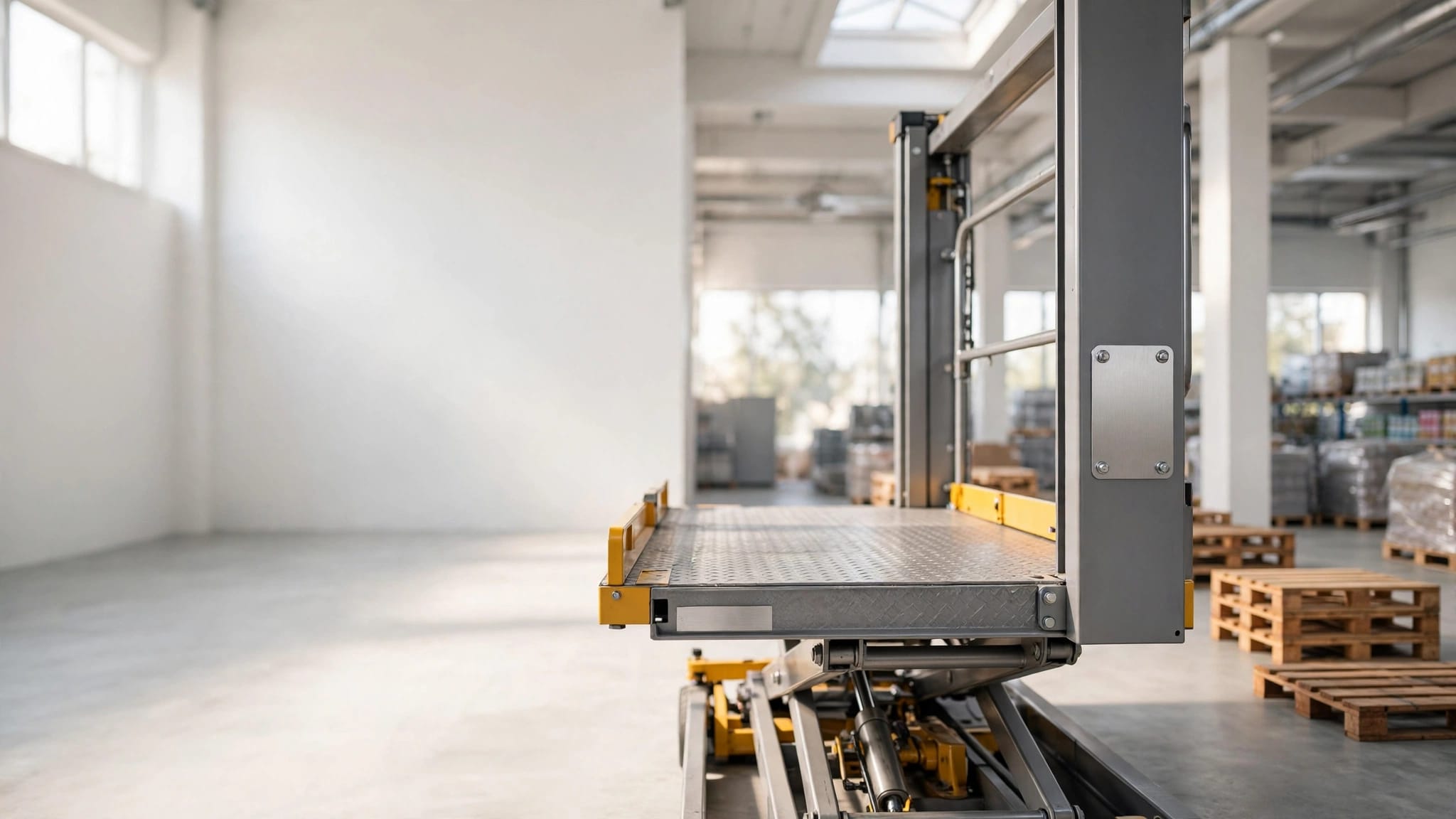
A cargo lift, passenger elevator, and vertical platform lift aren't interchangeable. Cargo-only equipment must never carry people, regardless of its lifting capacity.
We distinguish these categories because intended use affects equipment selection and installation planning. Our cargo lift versus passenger elevator comparison explains that distinction.
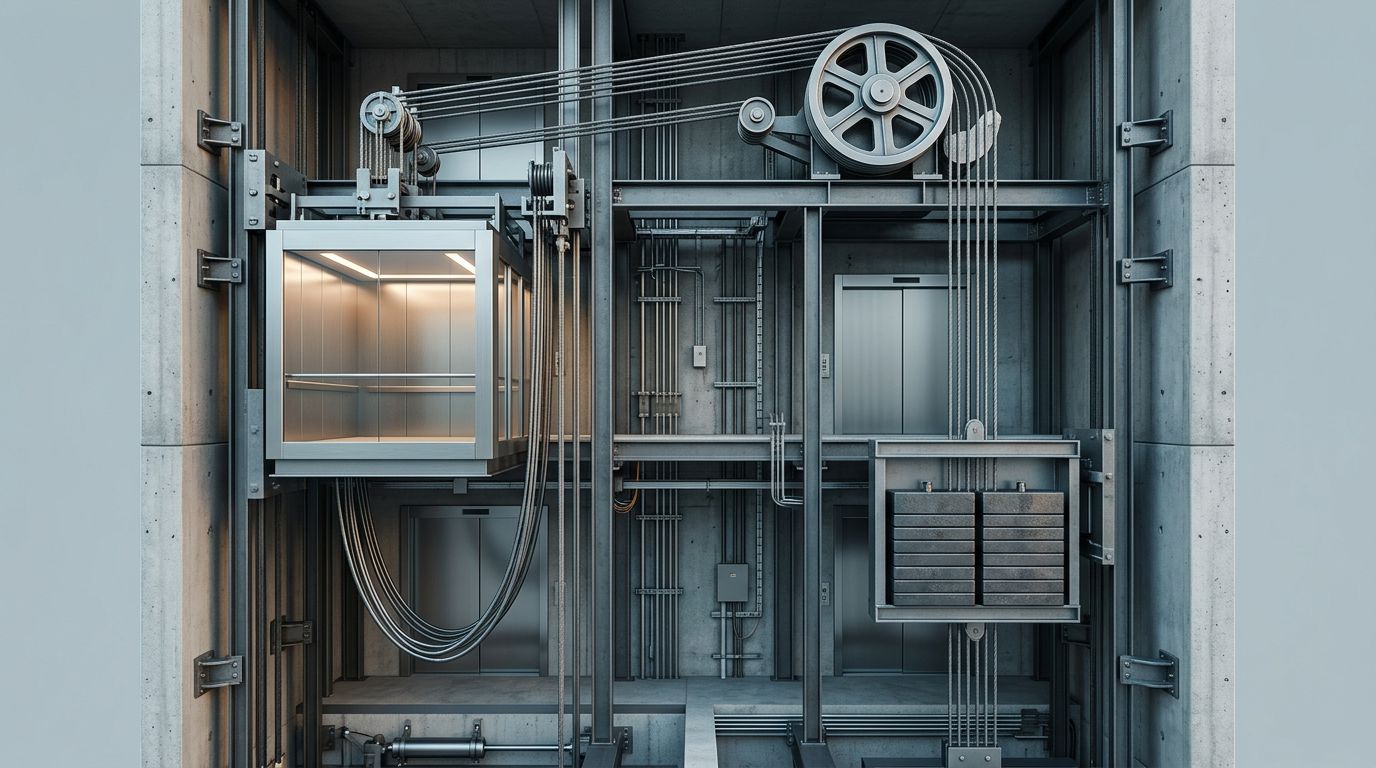
Each proposal should identify the manufacturer, model, drive system, rated load, travel height, and number of stops. Differences here can explain substantial scope differences before construction enters the comparison.
Match usable space and safety features
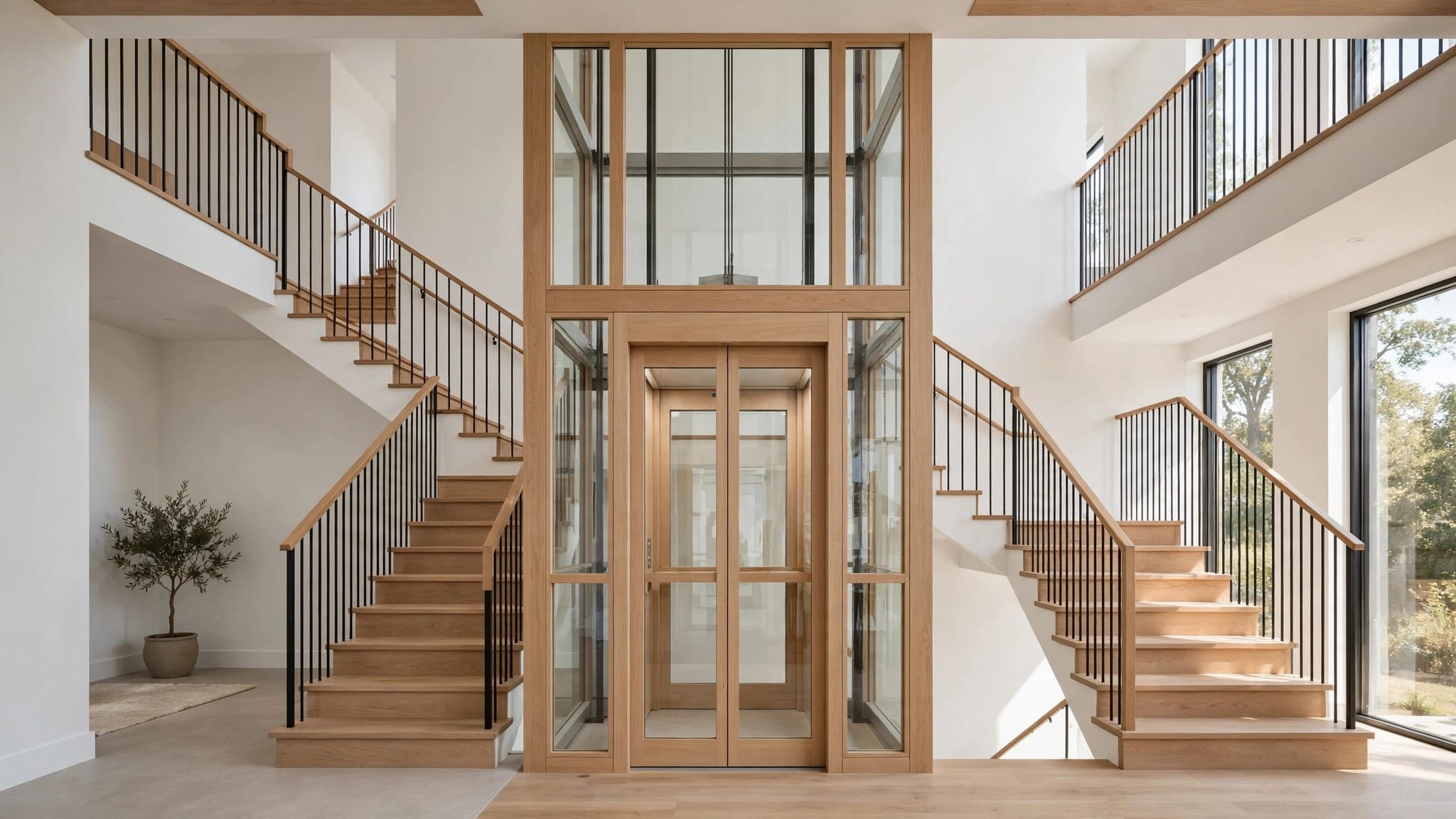
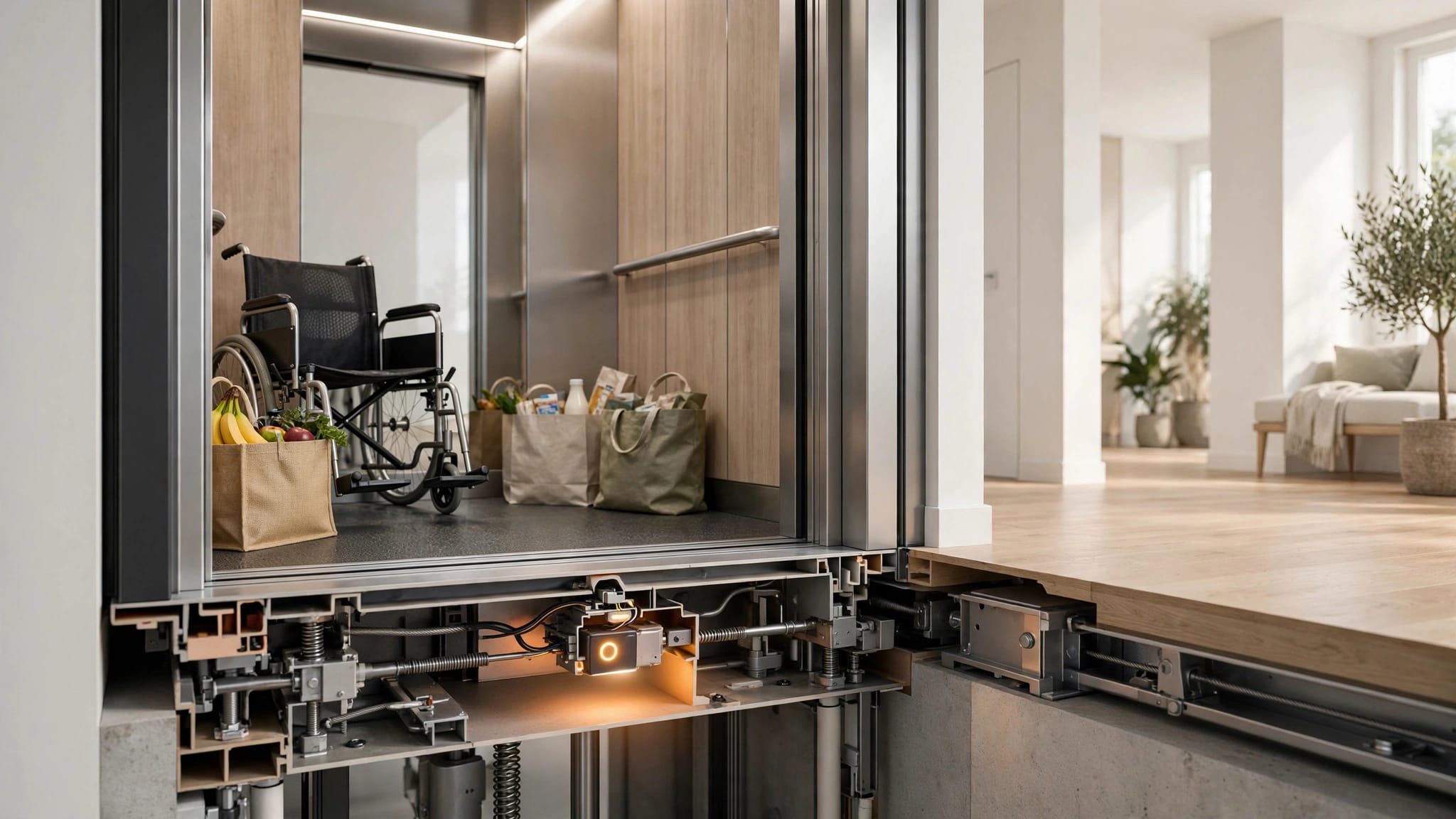
Compare usable cab dimensions and clear door openings, not just exterior footprints. Wheelchair access also depends on approach space, controls, gate movement, and landing geometry.
Separate standard equipment from upgrades. Door operators, cab finishes, emergency communication, and backup functions deserve their own descriptions.
Power-loss features also perform different jobs. Battery lowering doesn't necessarily provide continued elevator operation. Emergency lighting and communication are separate functions, so compare what each proposed system actually includes.
Separate elevator installation from building work
Define the installer's responsibilities
"Installation included" needs a detailed scope. It may cover equipment assembly and adjustment without including construction, unloading, or electrical connections.
The proposal should assign delivery handling, anchoring, rail installation, doors or gates, controls, testing, cleanup, and owner instruction. It should also identify responsibility for protecting finished floors and repairing installation-related damage.
A clear handoff matters when multiple trades work around the same shaft or landing. Assign coordination to a named company rather than leaving it shared.
Price structural changes and finishing separately
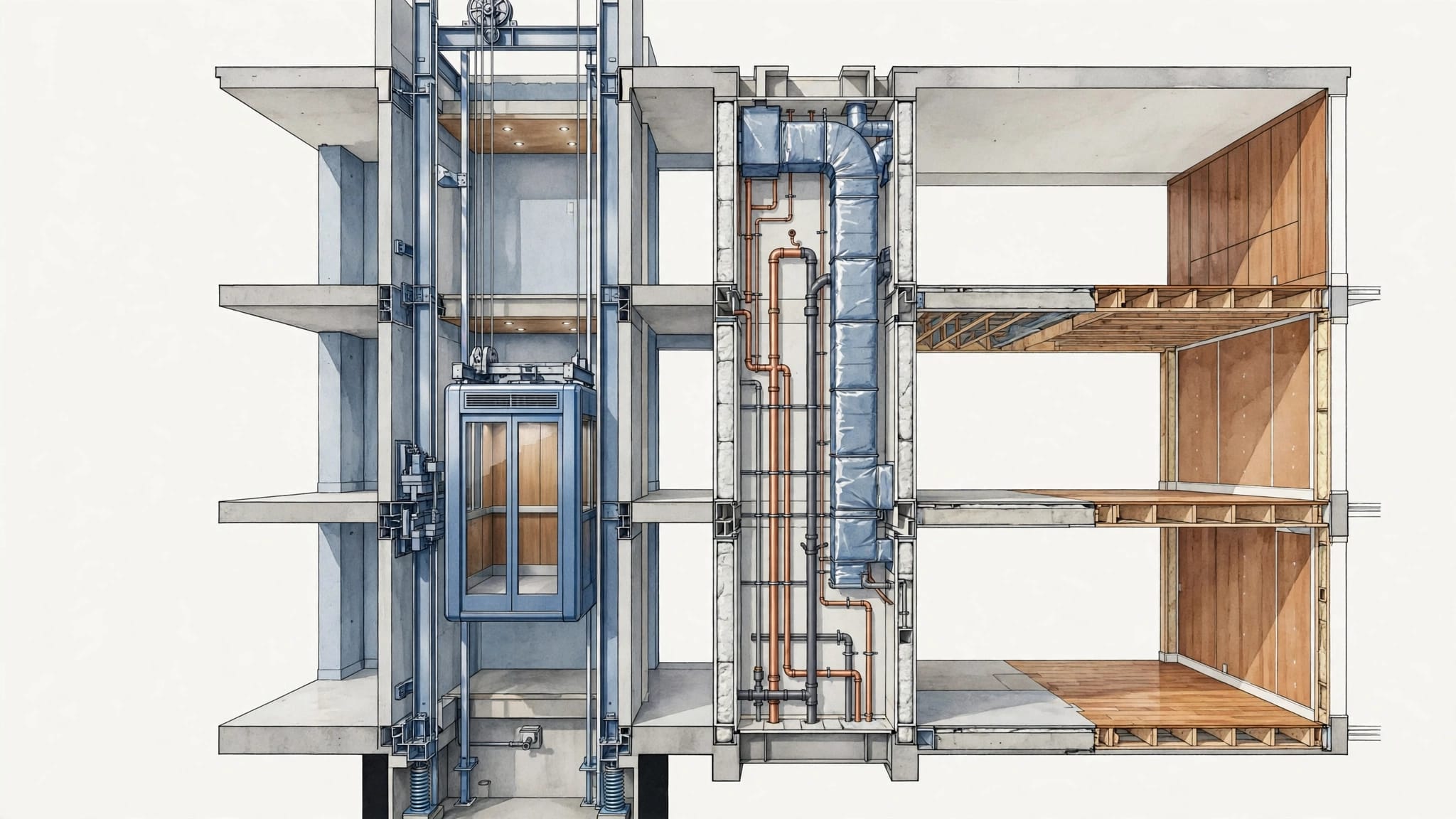
Construction can include foundations, floor openings, framing, structural supports, landings, and enclosure work. Interior retrofits may also require utility relocation and repairs to finished rooms.
Model-specific residential elevator space requirements connect the equipment choice with those building changes.
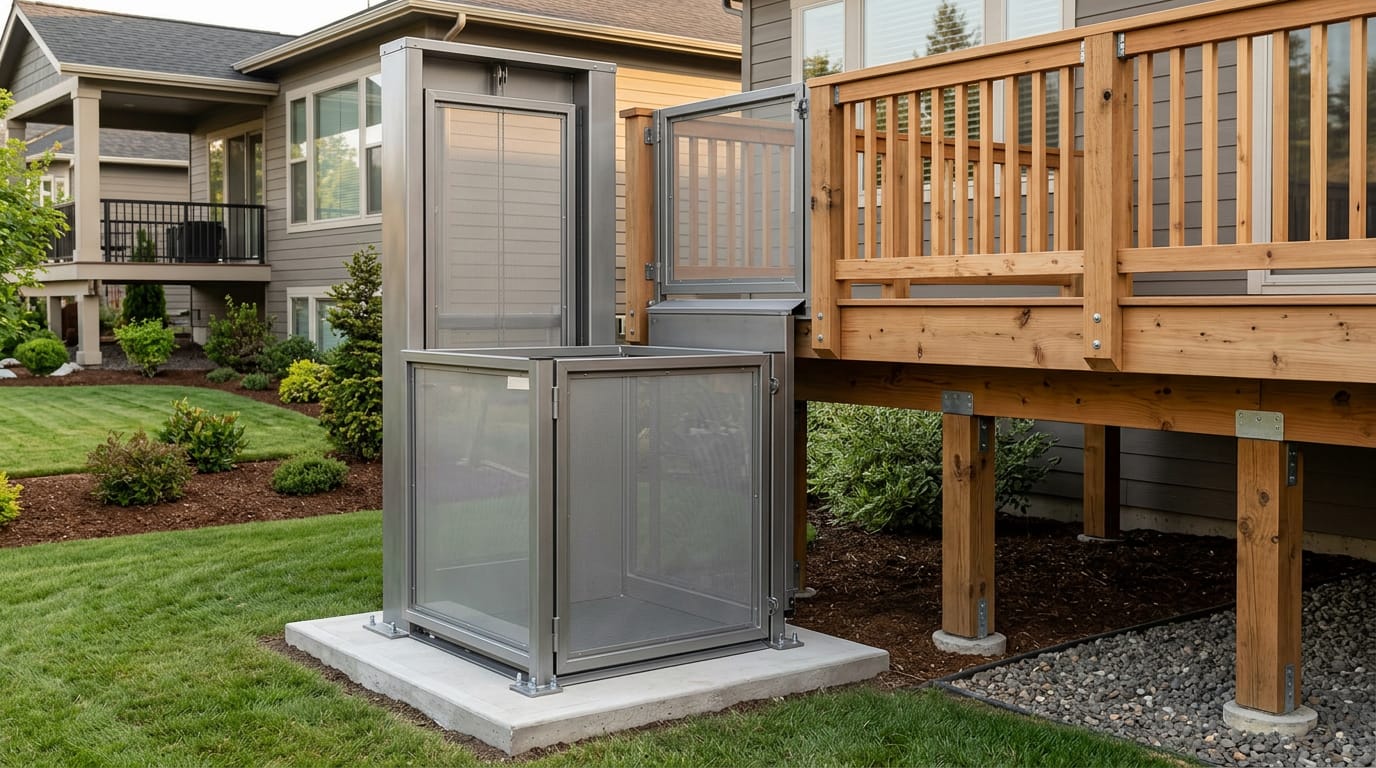
Outdoor work can add drainage, weather protection, corrosion-resistant materials, and tower-to-building connections. Coastal exposure can also affect structural and electrical design.
Specify whether painting, flooring, trim, waterproofing, landscaping restoration, and debris removal belong to the elevator contract or another trade.
Account for electrical work and approvals
Break electrical work into actual tasks
"Power by others" leaves a major responsibility outside the elevator price. The electrical scope should cover the model's supply requirements, circuit work, disconnects, conduit, grounding, and final connections.
Panel upgrades, utility work, lighting, and communication wiring may sit outside the basic installation. Assign those tasks explicitly.
For outdoor systems, include the specified protection against moisture and environmental exposure. Electrical documents should also identify controller locations and working clearances, since these affect the building layout and future service access.
Separate permits, inspections, and testing
Requirements depend on the jurisdiction, property, and equipment classification. A proposal should distinguish building and electrical approvals from elevator-related review where applicable.
Record who prepares drawings, submits applications, pays fees, handles review comments, and schedules inspections. Engineering and revised drawings should have an assigned owner too.
Finally, distinguish equipment testing from final project approval. The contract should define the documents and approvals included at handover, along with responsibility for correcting inspection deficiencies caused by the contracted work.
Read exclusions, allowances, and change-order terms
An exclusion leaves work outside the price. An allowance includes a budgeted amount for work or materials whose final cost remains unsettled.
An allowance contributes to the quoted total, but it doesn't make that part of the project a fixed-price commitment.
For each allowance, record its scope and how overages or credits affect the contract. Replace an allowance with the actual separately priced scope when calculating your comparison; don't count both.
Commonly overlooked expenses include freight, unloading equipment, engineering, finish repairs, and return trips. Our outdoor home elevator cost factors show how site conditions affect the full installation.
Change-order terms should state labor rates, material markups, subcontractor markups, and any administrative charges. Written approval should establish the added price and schedule impact before changed work begins.
Distinguish owner-requested upgrades from hidden conditions and corrections to work already included.
Compare warranty, maintenance, and service
Separate equipment coverage from installation coverage
A manufacturer's equipment warranty and an installer's workmanship warranty may cover different problems. Compare their duration, start date, exclusions, and claim process separately.
Pay attention to labor, travel, freight, removal, and reinstallation. A covered replacement component can still leave the homeowner with service expenses.
The warranty start date also matters. Coverage beginning at shipment can run during construction delays, while coverage beginning at commissioning follows a different timeline. Keep the stated terms beside each proposal.
Evaluate the ongoing service arrangement
Compare required maintenance visits, included tasks, service-call charges, after-hours rates, and contract renewal terms. Separate routine maintenance from repairs and required inspections.
A response-time commitment describes when service starts; it doesn't necessarily promise a completed repair within that period. Parts availability and technician access affect downtime too.
Also include recurring communication or monitoring charges where the proposed system requires them. Compare the same ownership period across proposals rather than placing one annual service price beside another contractor's installation total.
Link the schedule and payments to completed work
A useful schedule separates drawings, approvals, manufacturing, delivery, site readiness, installation, testing, and handover. Equipment arrival alone doesn't establish when the elevator becomes usable.
Payment terms should identify the event that triggers each installment. Compare deposits, equipment-release payments, delivery payments, and the final balance alongside those milestones.
Also read cancellation, restocking, storage, and rescheduling terms. A construction delay can create costs even when the equipment itself arrives on time.
Before signing, ask each contractor these questions:
- Which company owns coordination when elevator drawings conflict with framing or electrical plans?
- What site conditions trigger additional charges, and how are those charges calculated?
- What work must finish before your installation crew arrives?
- What testing, approvals, documents, and owner instruction define completion?
- Who pays for return visits or retesting when contracted work needs correction?
Our questions to ask a lift installer also address trade coordination. The answers should become written contract terms, not remain separate verbal promises.
Keep the proposal's expiration date visible too, because its pricing commitment and projected manufacturing slot may have different limits.
Frequently asked questions
Is the lowest elevator quote the best value?
The lowest quote offers better value only when its equipment and completed scope meet the same needs. A proposal excluding electrical work, construction, and inspection costs cannot be compared directly with one that includes them.
First add separately contracted work and omitted required scope to the comparison. Then evaluate warranty protection, service terms, and remaining financial uncertainty alongside the adjusted total.
What if a contractor provides one lump-sum price?
A lump-sum contract can still define its scope clearly. It doesn't need to reveal the contractor's internal profit or purchasing costs.
However, it should identify the equipment, included work, exclusions, allowances, and completion requirements. Without those details, you can't tell whether a price difference reflects different equipment, omitted construction, or a different allocation of project risk.
Choose the clearest complete scope
Compare residential elevator quotes by the finished result each contract promises. Equipment, construction, approvals, and service obligations all belong beside the headline price.
A clearly assigned scope makes price differences understandable. Choose the proposal that fits your intended use and property, with written responsibilities and controlled change costs.
Recent Posts