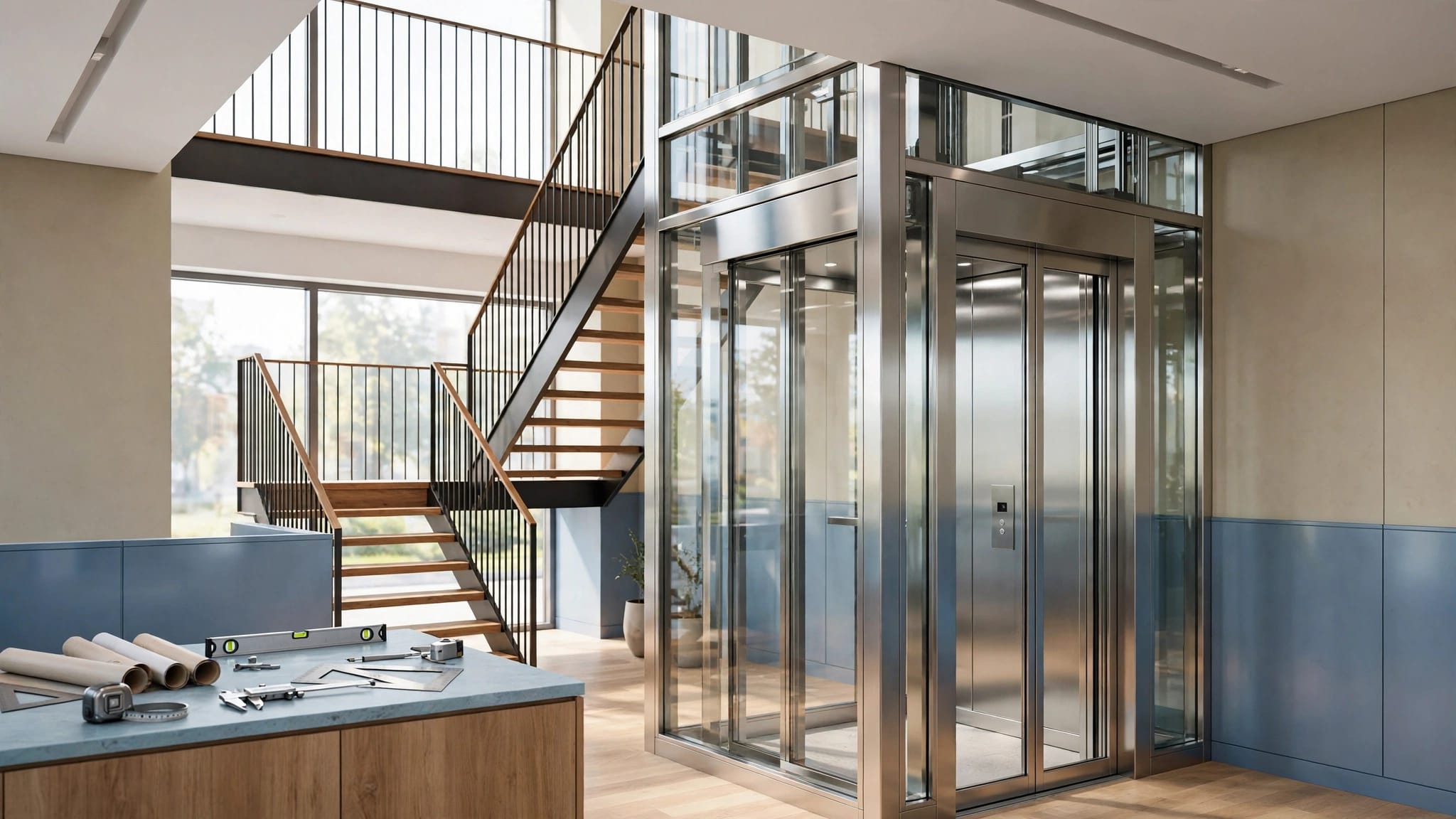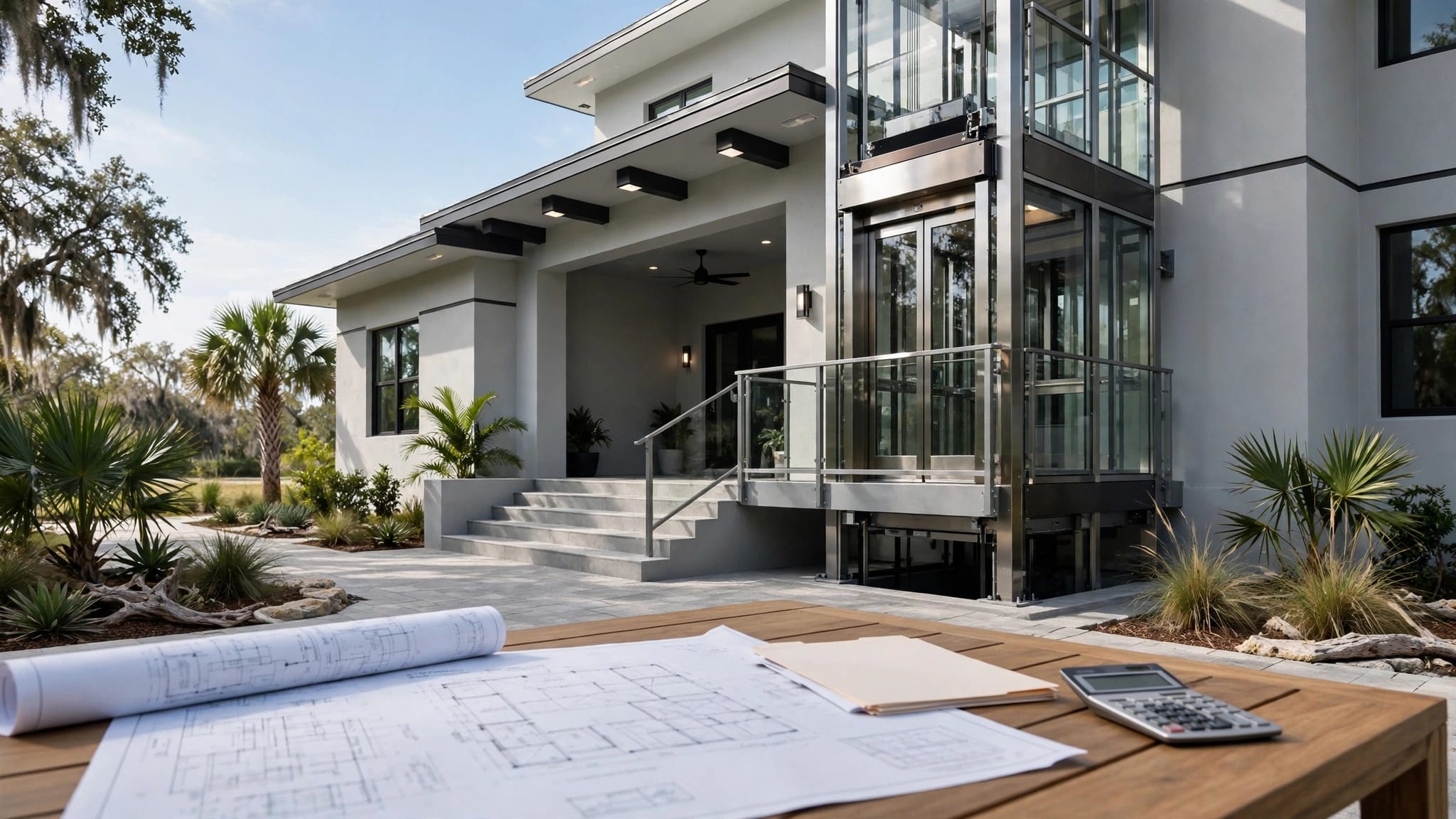
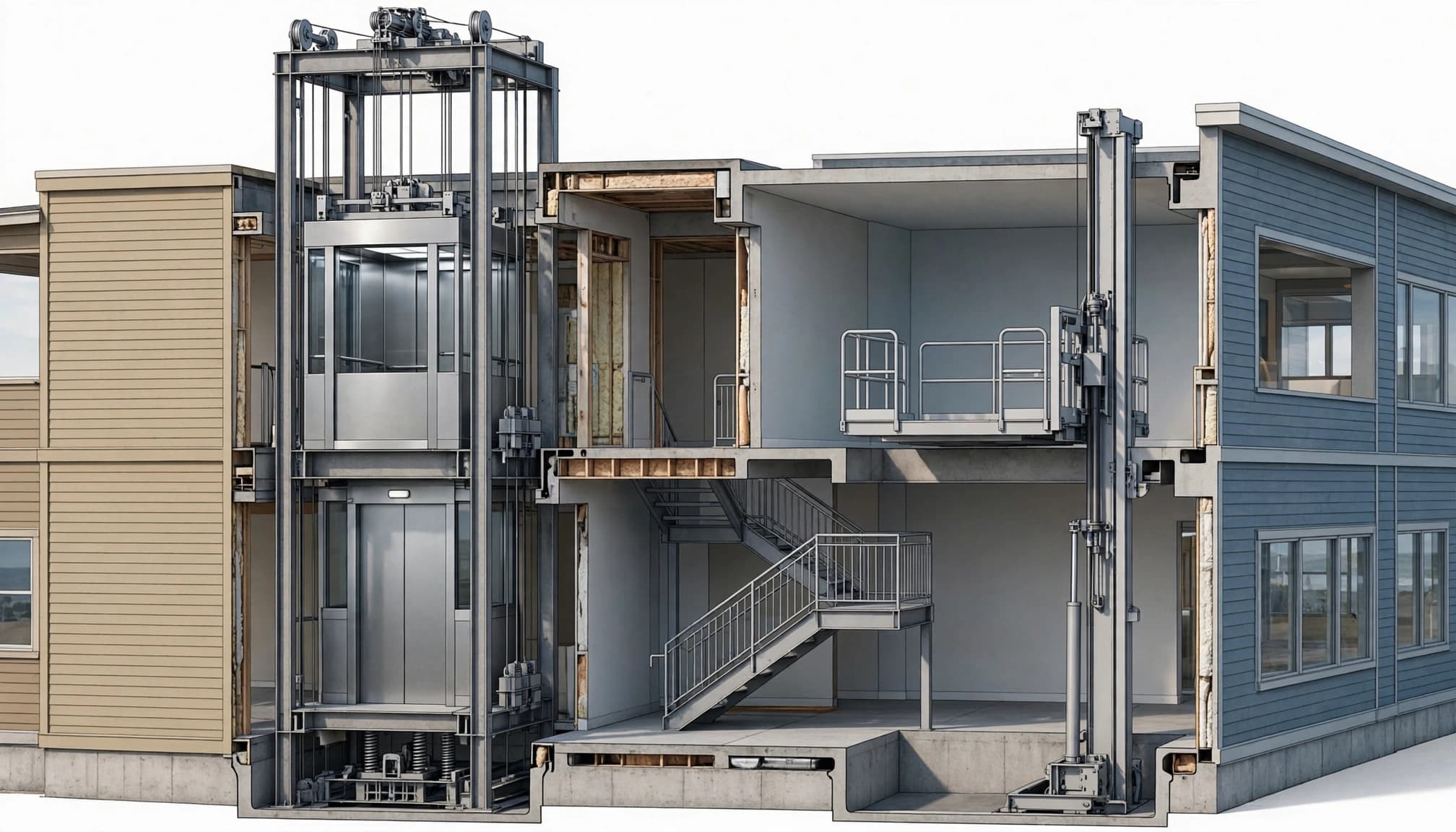
A lift can look right for your building and still follow the wrong approval path. If you're comparing A17.1 vs A18.1 , the first question is what the equipment is designed to carry, not what a seller calls it.
Passenger elevators, wheelchair platform lifts, and cargo lifts have different intended uses. The applicable rules also depend on the code edition your jurisdiction has adopted. Start with the equipment category, then check the project with the local authority having jurisdiction.
Key Takeaways
- ASME A17.1/CSA B44 is the safety code for elevators and related conveyances. Its scope includes passenger elevators and certain material lifts.
- ASME A18.1 covers platform lifts and stairway chairlifts intended for people with impaired mobility. It isn't a general elevator code.
- A cargo lift isn't approved to carry people merely because its platform is large enough. Likewise, an A18.1 platform lift isn't automatically an acceptable substitute for a required elevator.
- The adopted edition, local amendments, building use, and authority having jurisdiction (AHJ) control the final code path.
A17.1 vs A18.1 starts with the equipment
The two standards address different kinds of conveyances. Their names alone won't tell you whether a proposed outdoor lift, porch lift, or freight platform qualifies.
Use this comparison to frame the first conversation with your manufacturer and installer.
| Equipment | Intended use | Common safety-code path |
|---|---|---|
| Passenger elevator | Carries people between landings | ASME A17.1/CSA B44 |
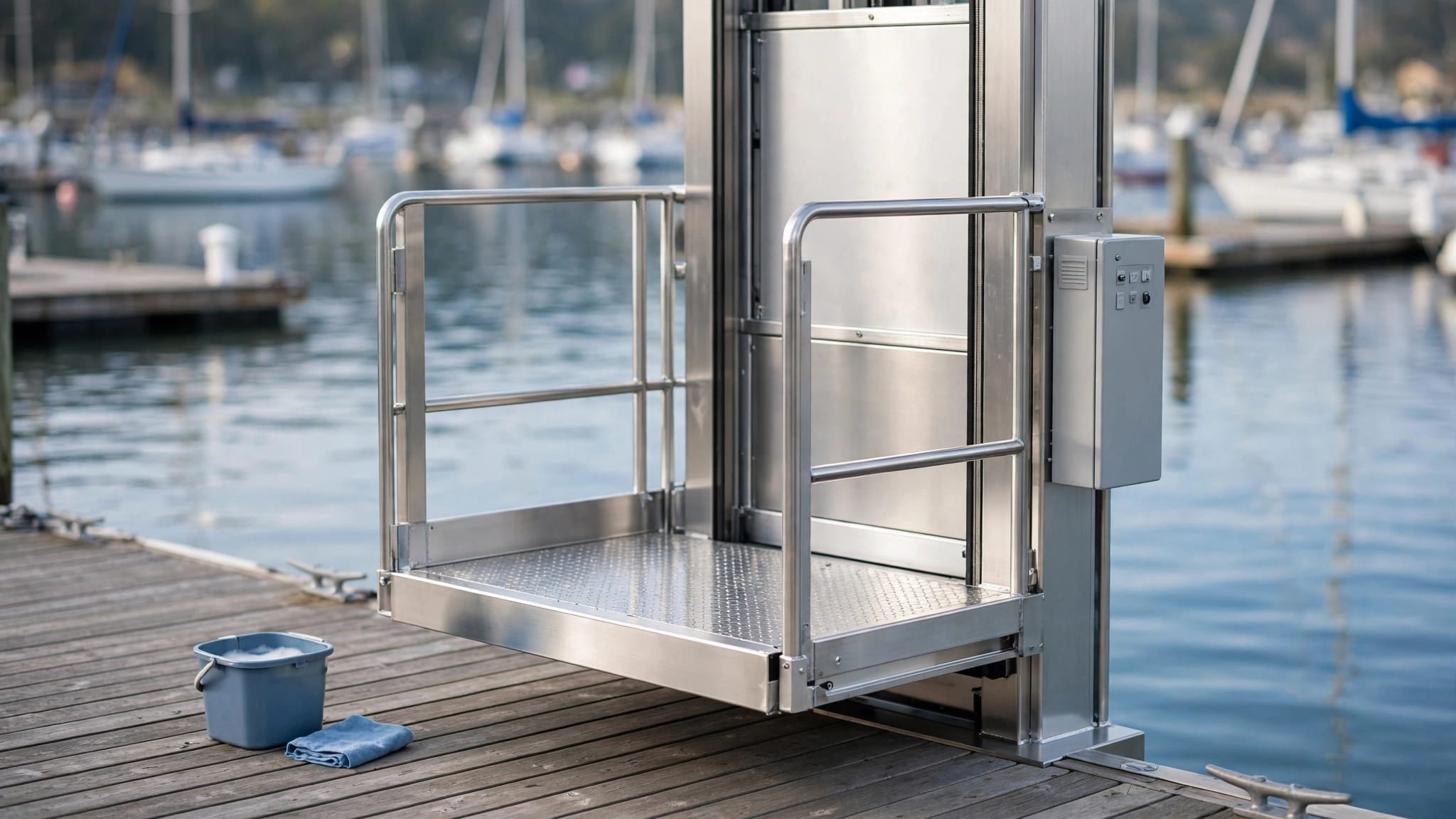
| Vertical platform lift | Carries a person with impaired mobility on a platform | ASME A18.1 |
| Stairway chairlift | Carries a seated person along a stairway | ASME A18.1 |
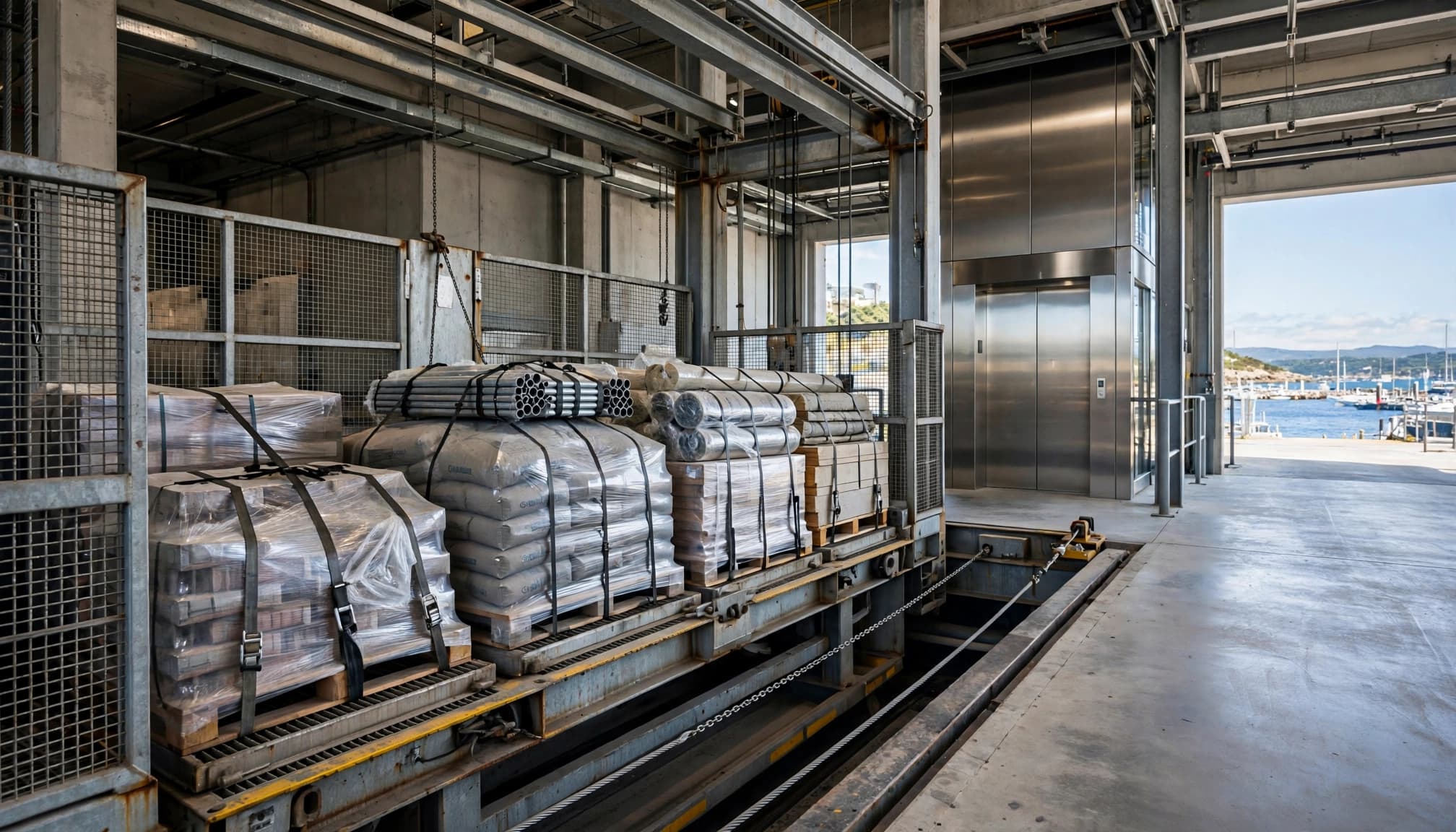
| Cargo or material lift | Moves goods, supplies, or equipment | Depends on its actual classification and local rules |
Intended use is the starting point, not the final approval. An elevator and a vertical platform lift can serve the same two levels while meeting different equipment requirements. The building's accessibility rules may narrow the choice further.
What ASME A17.1/CSA B44 covers
ASME A17.1/CSA B44 is the harmonized safety code for elevators and escalators. Its scope also includes other covered conveyances, such as dumbwaiters, moving walks, and certain material lifts. The 2025 edition is available, but its publication doesn't mean every jurisdiction has adopted it.
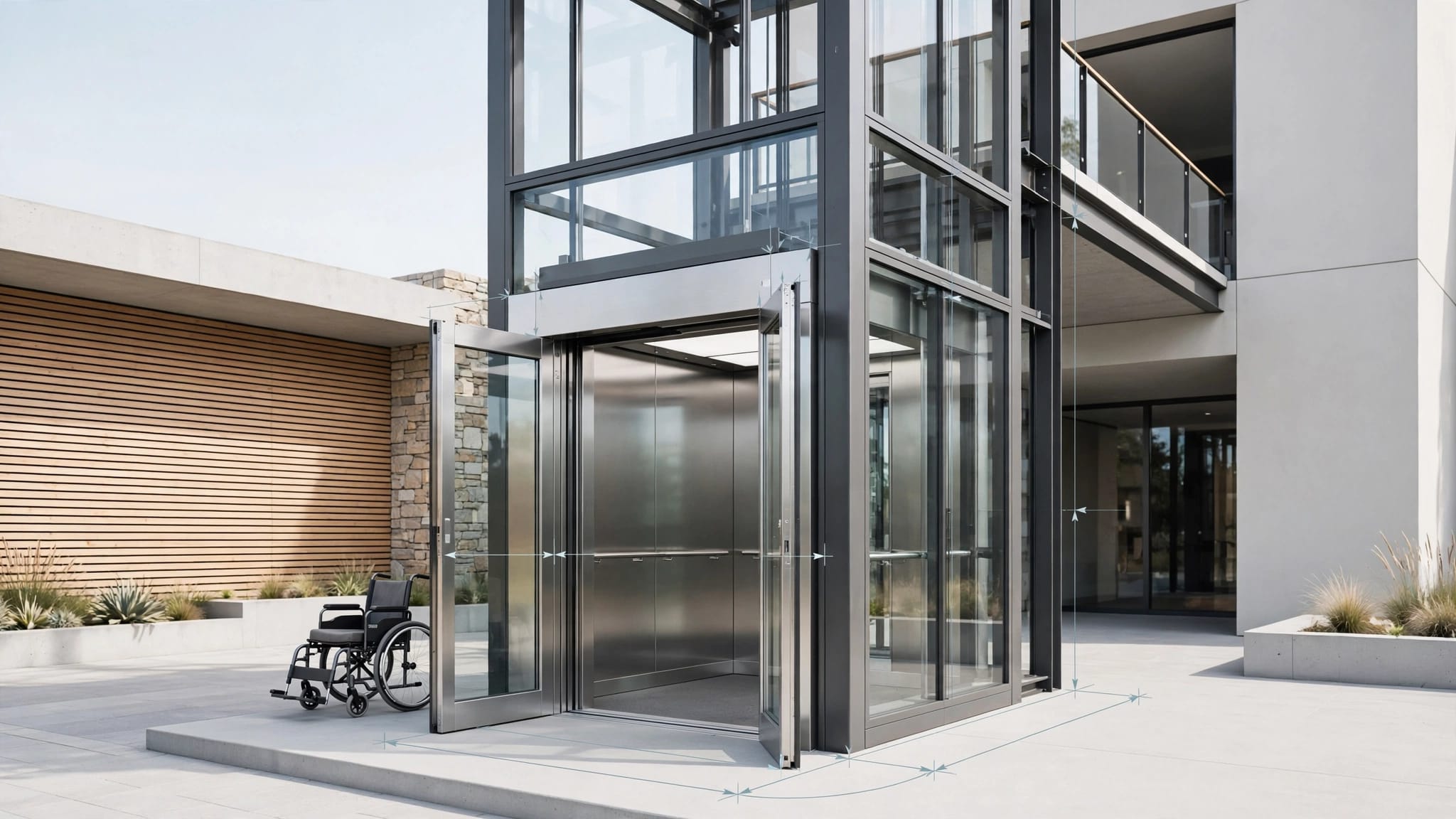
Passenger elevators follow an elevator code path
An elevator intended to carry people requires equipment designed and approved for that use. Its cab or car, entrances, controls, and safety systems are part of the design review. A lift's appearance or load rating cannot establish passenger approval.
For an elevated home, an enclosed elevator may make sense when several people need regular access between floors. A building with frequent public traffic may also need elevator service rather than a platform lift. Compare the intended use and configuration of passenger-compliant elevators before committing to openings or landings.
Material lifts require closer classification
A17.1 includes material lifts within its stated scope, but the words cargo lift don't identify one universal code category. Another material-handling rule or product-specific requirement may apply to a particular design.
Ask the manufacturer for the equipment's formal classification and approved use. Then have the installer and AHJ confirm which requirements govern that installation. Don't infer that an A17.1-related material lift can carry passengers.
What ASME A18.1 covers
ASME A18.1 addresses platform lifts and stairway chairlifts for people with impaired mobility. Its scope includes vertical and inclined platform lifts, as well as inclined stairway chairlifts. ASME A18.1:2023 is the current published edition identified for this equipment, although a jurisdiction may enforce another adopted edition.
Vertical and inclined platform lifts
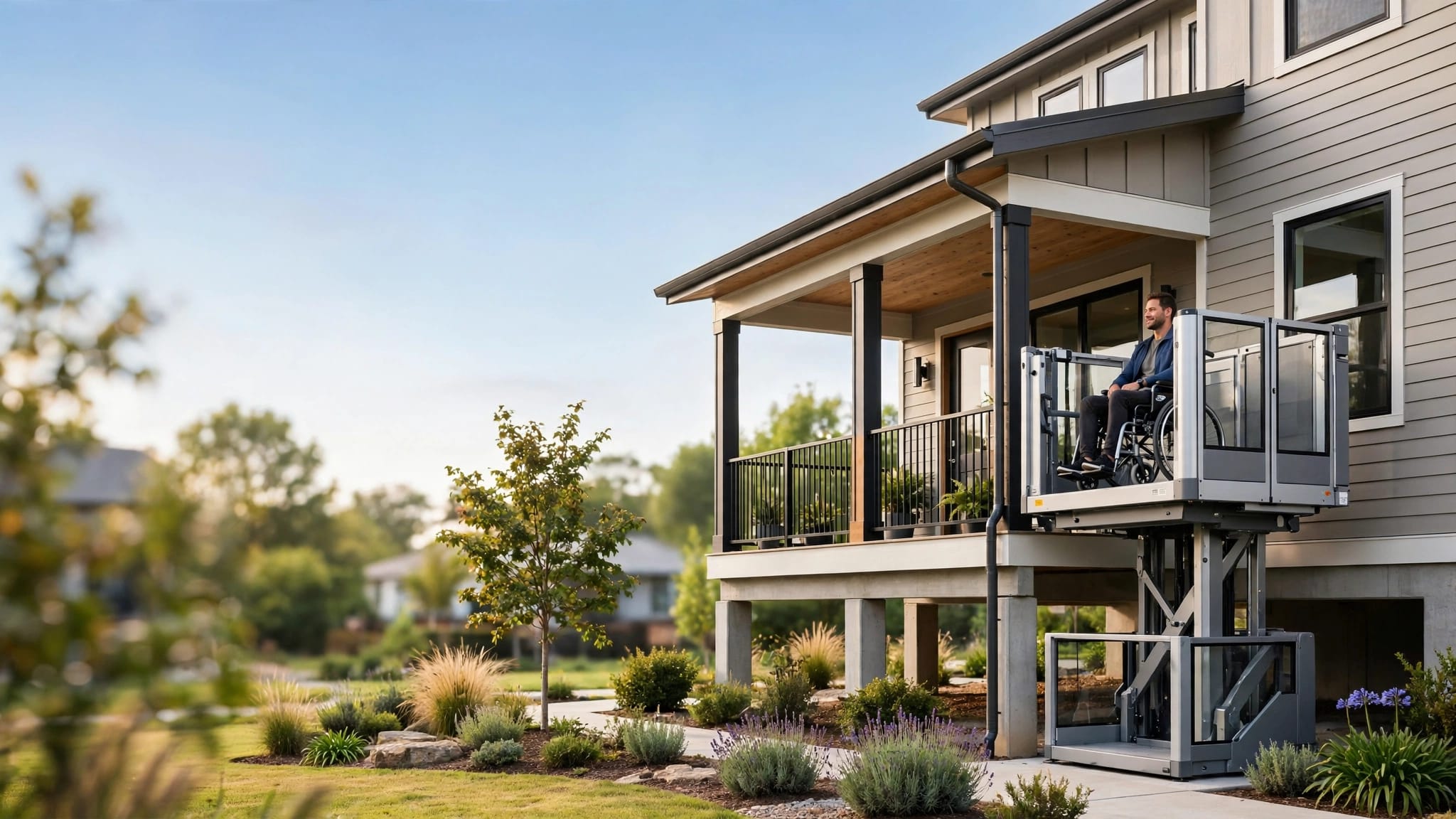
A vertical platform lift, or VPL, moves its rider between landings on a platform. At a raised entry, that may provide a direct route for someone using a wheelchair or power scooter. An inclined platform lift instead follows an inclined path, often beside stairs.
The platform, gates, controls, guarding, and landings must suit the rider and the approved configuration. Start with the actual mobility device and route, rather than assuming any platform will fit. Outdoor wheelchair lifts for power chairs and scooters offers practical context for that sizing discussion.
Stairway chairlifts and use limits
A stairway chairlift carries a seated rider along a staircase. It isn't a passenger elevator, and it doesn't offer the same access as a platform that accommodates a wheelchair.
A18.1 doesn't cover ordinary elevators or material lifts within A17.1's scope. Travel and configuration limits depend on the applicable provisions, the selected model, and local approval. Don't use a claimed 14-foot cutoff as a universal test for choosing between A18.1 and A17.1.
Safety standards and accessibility rules answer different questions
A lift can satisfy equipment safety requirements while the route leading to it remains inaccessible. The reverse is possible too: a well-sized landing can't make an unapproved device safe for passengers.
When a platform lift can provide access
For facilities covered by the 2010 ADA Standards, Section 206.7 identifies situations where platform lifts may form part of an accessible route. Section 410 sets technical requirements for those lifts. Its Section 410.1 references earlier A18.1 editions, which makes coordination with current equipment specifications and locally adopted codes important.
A commercial property can't assume a VPL replaces a required elevator because it costs less or fits a smaller space. The design team must check whether the ADA scoping provision permits a platform lift at that location. Entry, exit, controls, and the connecting route also need review.
When to plan for an elevator
Section 407 of the 2010 ADA Standards addresses elevators. Passenger elevators are often the better starting point for regular access across multiple stories, especially when a building serves the public and no platform-lift allowance fits.
Accessibility review does not replace a safety-code review or building permit. Before ordering equipment, ask the designer and AHJ to confirm both the accessible-route plan and the proposed conveyance classification.
Cargo lifts are a separate passenger-safety decision
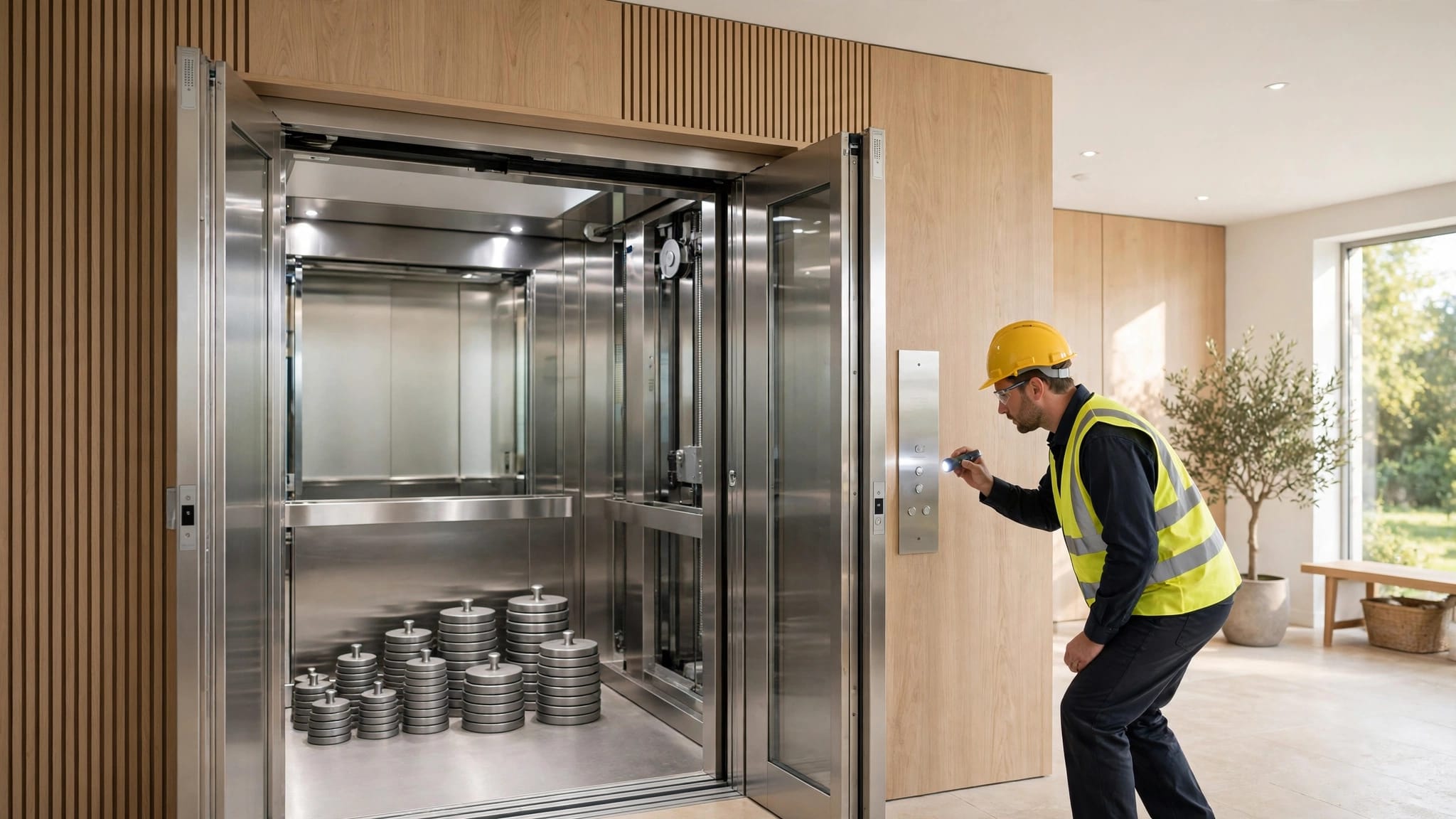
A cargo lift can spare repeated trips up stairs with groceries, luggage, tools, or supplies. That convenience doesn't authorize anyone to ride it.
Capacity doesn't grant permission to ride
A spacious platform and a substantial rated load describe what the equipment can carry within its approved use. They don't establish passenger safeguards, accessible operation, or permission for riders.
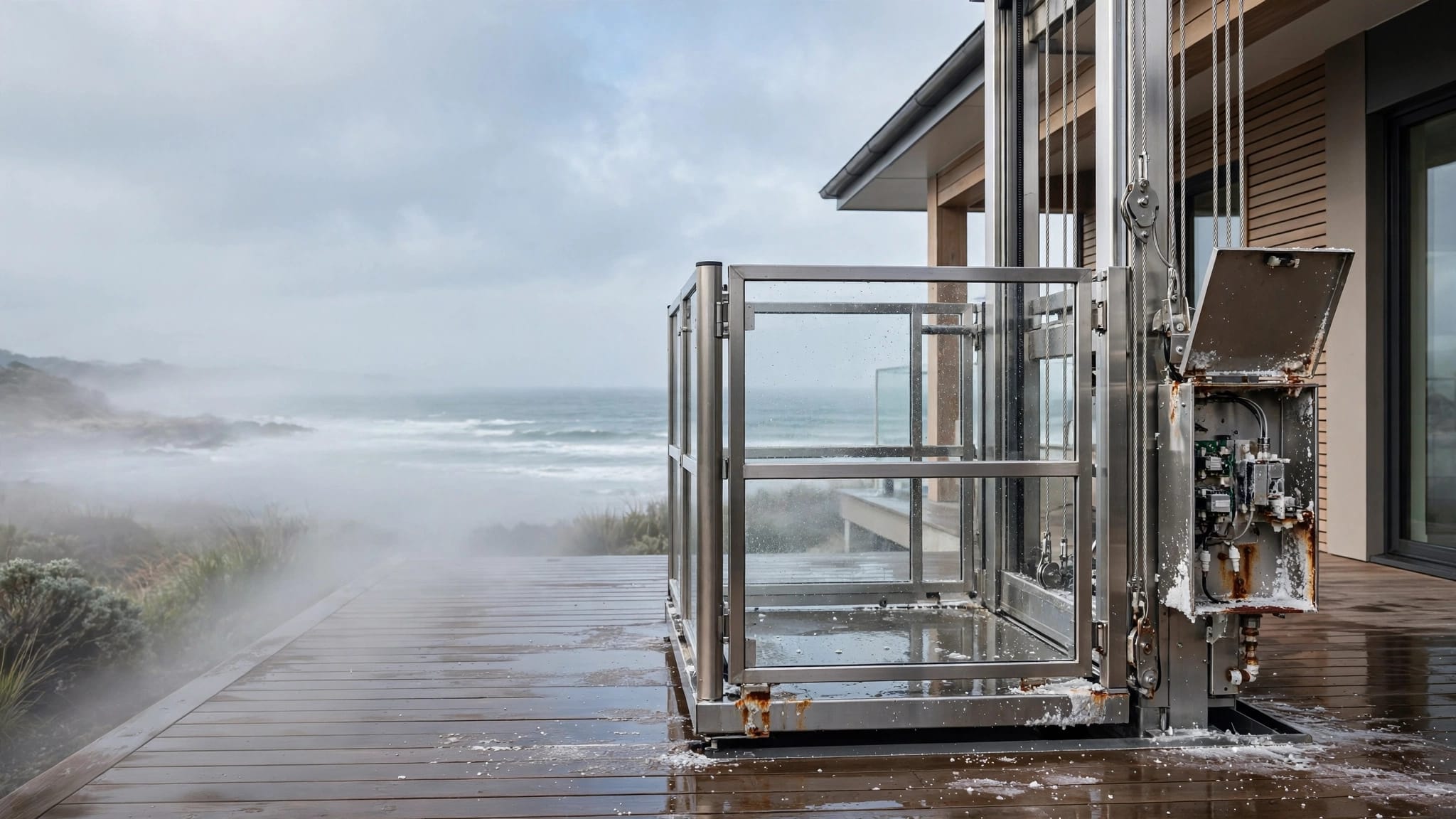
For a raised coastal home, separate the grocery problem from the access problem. A material lift may address the first. If a resident or guest needs to travel between levels, evaluate a passenger elevator or an approved platform lift. The distinction in cargo lifts versus passenger elevators for elevated homes is especially useful before you choose a layout.
Request the actual equipment documents
Get the model designation, rated load, manufacturer's instructions, and stated intended use. Ask which standard the manufacturer designed the exact configuration to meet, and whether passengers may ride.
If the paperwork describes material-only service, treat it as material-only service. A gate, enclosure, or control added on-site doesn't independently convert the product into a passenger lift.
The adopted edition and local AHJ decide the final path
The latest published standard and the enforceable standard aren't always the same. A17.1-2025/CSA B44-2025 and A18.1:2023 may be available while a state or municipality applies earlier editions, amendments, or additional rules. Idaho's adopted-codes listing, for example, names the 2022 edition of A17.1.
Identify every reviewing authority
The AHJ may involve a building department, elevator authority, or other agency, depending on the project. An outdoor lift can also need structural, electrical, accessibility, fire, and floodplain review.
In Florida, for example, the approval path for a beach home depends on both the conveyance and the property. Florida outdoor elevator code rules provide useful planning context, but the project's local reviewers must confirm the requirements.
Check the approved use of the building
A private single-family home, vacation rental, condominium, and public facility can face different reviews. The same lift model may be proposed for each, yet its installation and accessible-route obligations can differ.
Also distinguish a new installation from work on an existing lift. Alterations, inspections, and continued operation may trigger requirements beyond the rules used when the original equipment went in. Give the AHJ the building use, proposed lift, and scope of work before relying on a code citation.
How to choose before ordering a lift
A short written equipment brief helps prevent a costly mismatch between the product and the building. Have the manufacturer, installer, and design professional review these points before finalizing openings or structural work:
- Name the rider or load. Record whether people, mobility devices, an attendant, or materials will travel. Include the intended frequency of use.
- Measure the complete route. Confirm travel distance, stops, platform or cab space, clear approaches, door swings, and landing conditions.
- Verify the product classification. Request documentation for the exact model and configuration, including its approved use and applicable safety standard.
- Confirm the local approval path. Ask which code editions and amendments apply, who issues permits, and what inspections or acceptance tests are required.
For exterior projects, add the foundation, anchorage, drainage, electrical supply, wind exposure, flood conditions, and corrosion risk to that review. A coastal installation must work as a complete building system, not merely fit between two floors.
Keep the approved drawings and equipment documents aligned. If a larger platform or different landing becomes necessary, revisit the design and approval before installation.
Frequently Asked Questions
Does every outdoor lift follow A18.1?
No. Outdoor describes the installation location, not the equipment category. A passenger elevator generally follows the applicable A17.1/CSA B44 path. A VPL or stairway chairlift may follow A18.1. A cargo lift needs classification based on its design and approved use.
Can a vertical platform lift replace an ADA-required elevator?
Only where the applicable accessibility scoping rules permit a platform lift and the proposed installation meets the remaining requirements. For a covered facility, ADA Sections 206.7 and 410 matter alongside the equipment safety standard. The AHJ and design team should review the specific route.
Does a wheelchair-sized cargo lift qualify as a VPL?
No. Platform size alone doesn't change a material lift's intended use. A VPL must be designed and approved to carry its intended rider under the applicable requirements. Never allow passengers on equipment designated for cargo only.
Choose the approved use first
When a lift appears to solve your access problem, check its approved purpose before planning around its size. A17.1/CSA B44 and A18.1 cover different equipment, while cargo devices need their own classification review.
The right answer is the one that fits the rider or load, the adopted code edition, and the local AHJ's approval. That decision belongs in the plans before the lift is ordered.
Recent Posts