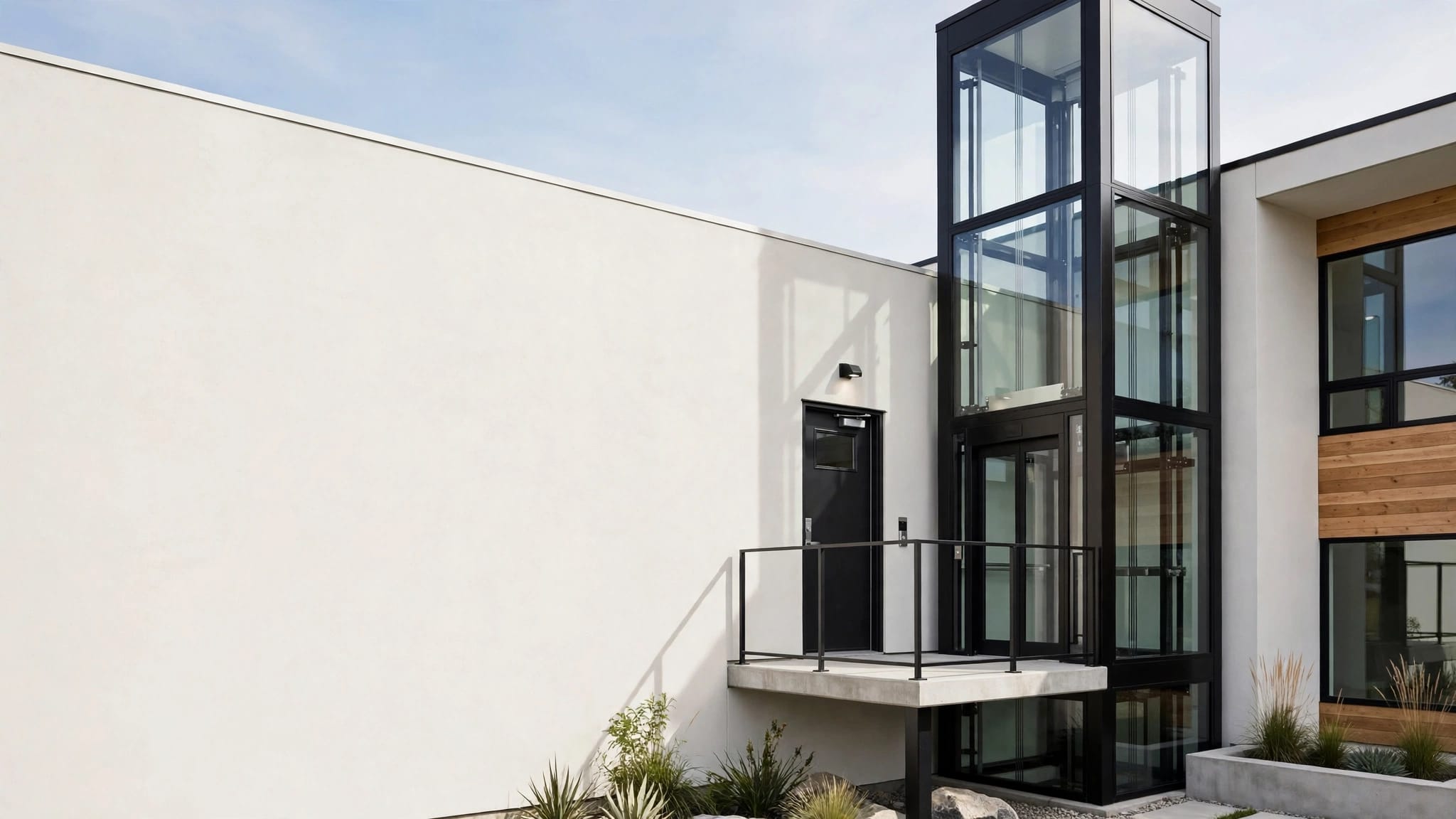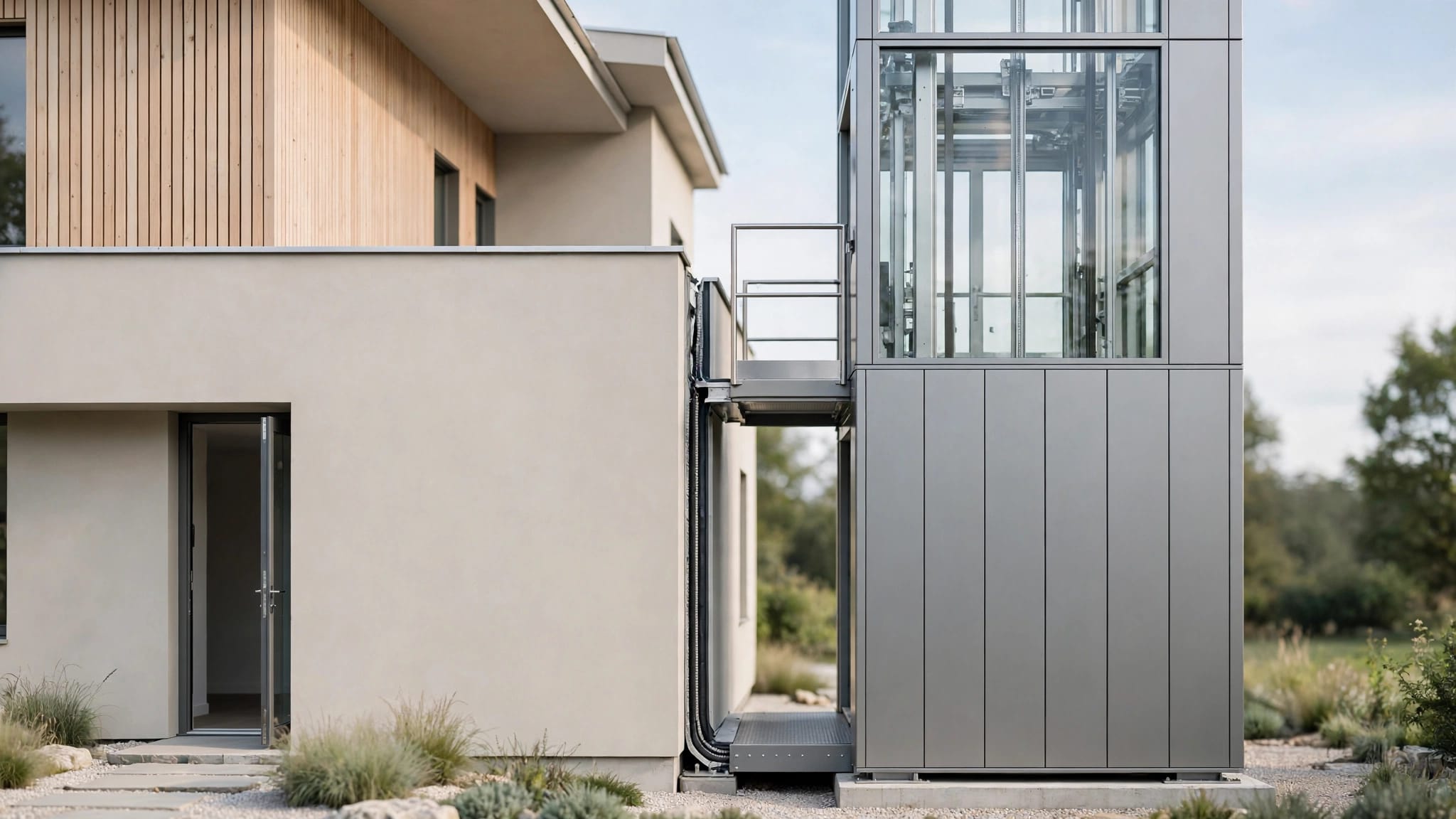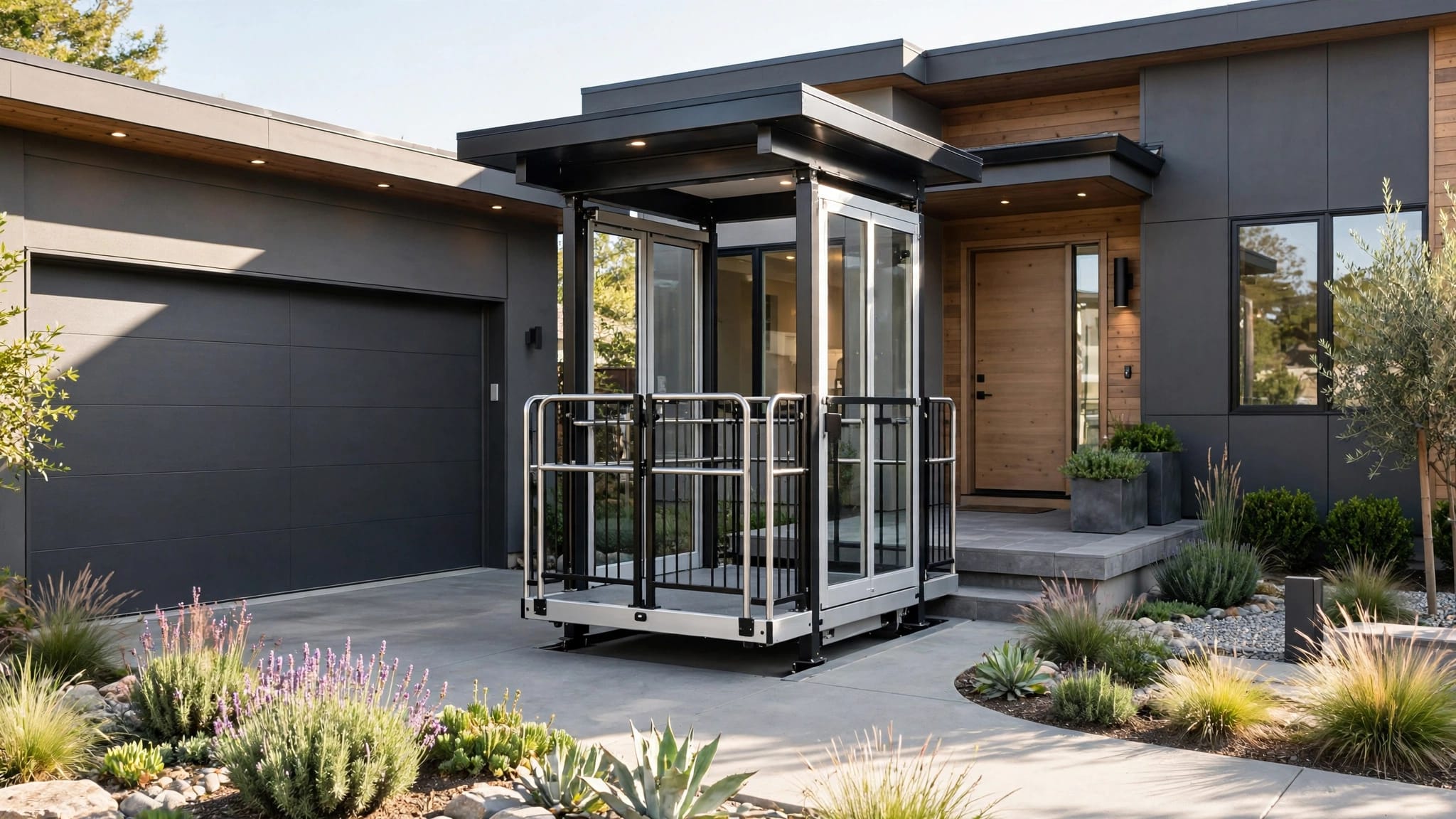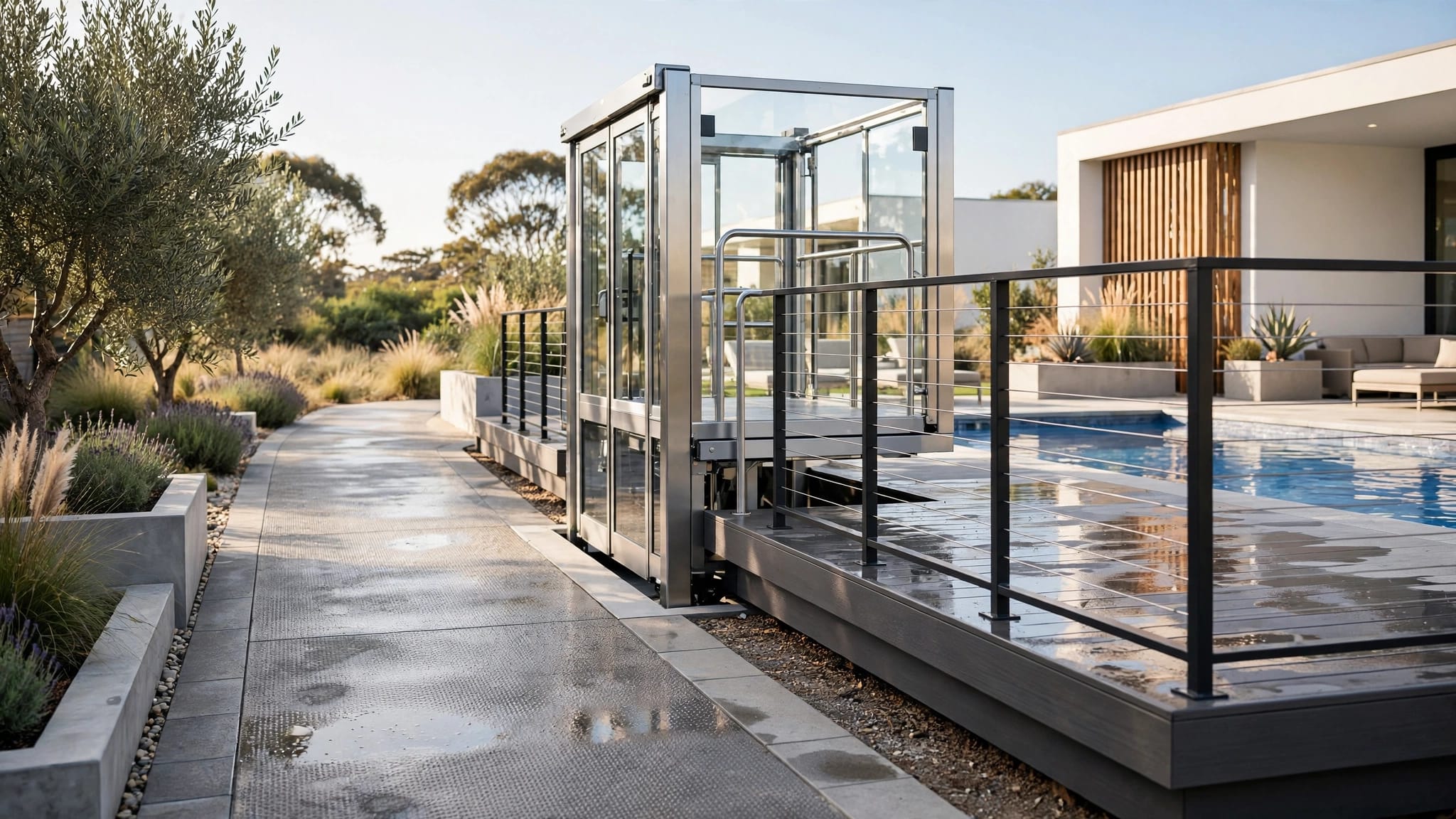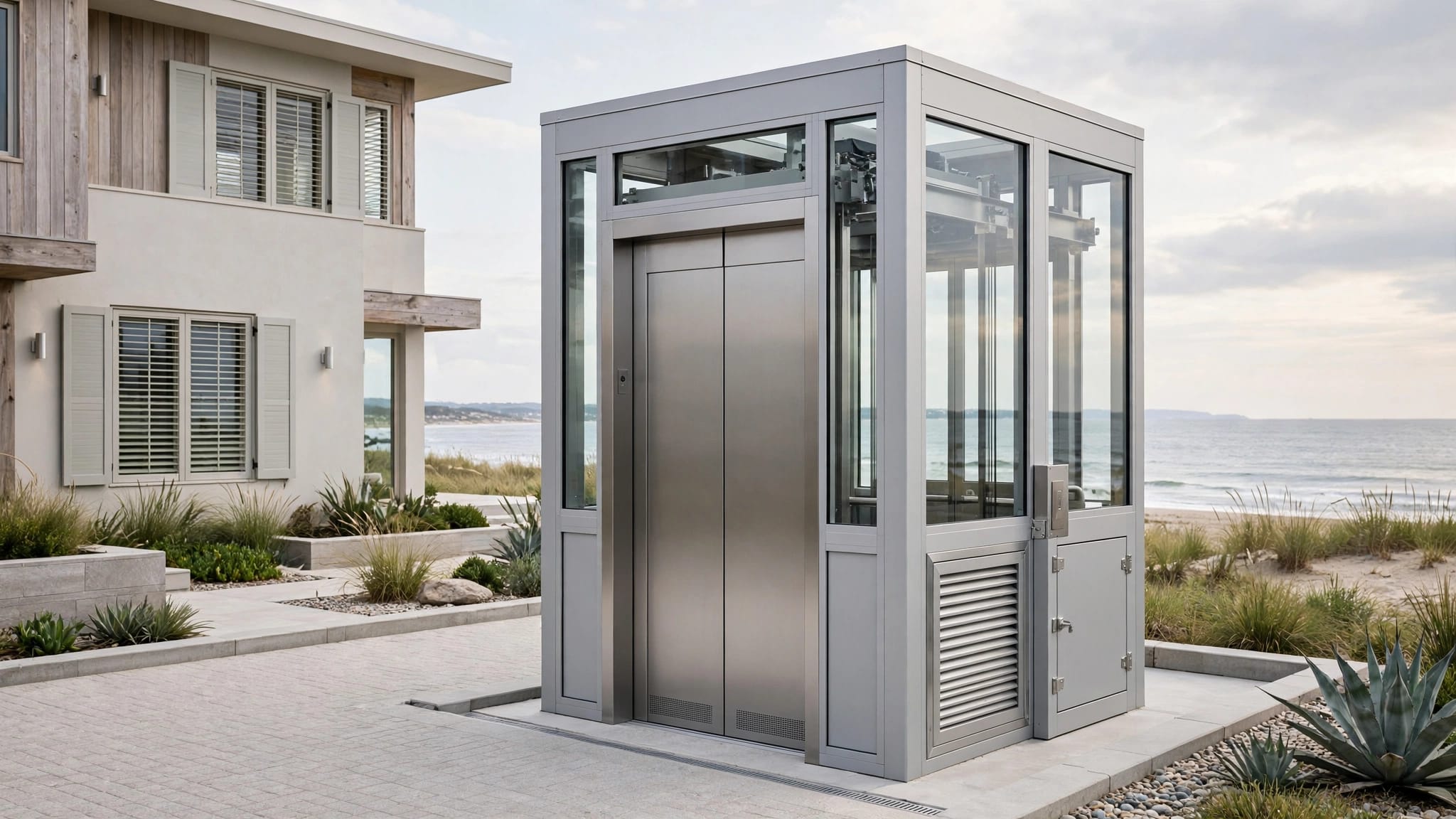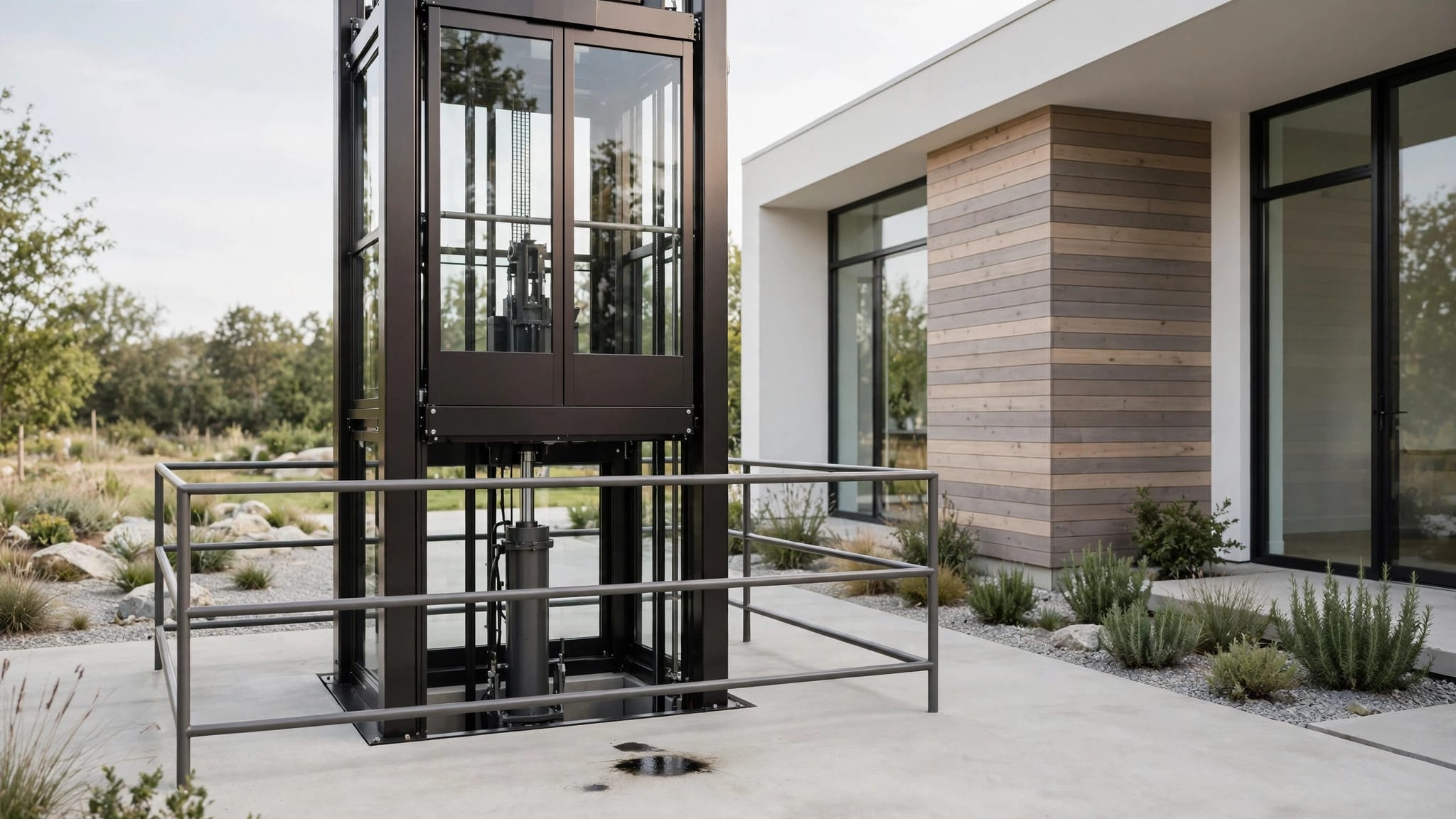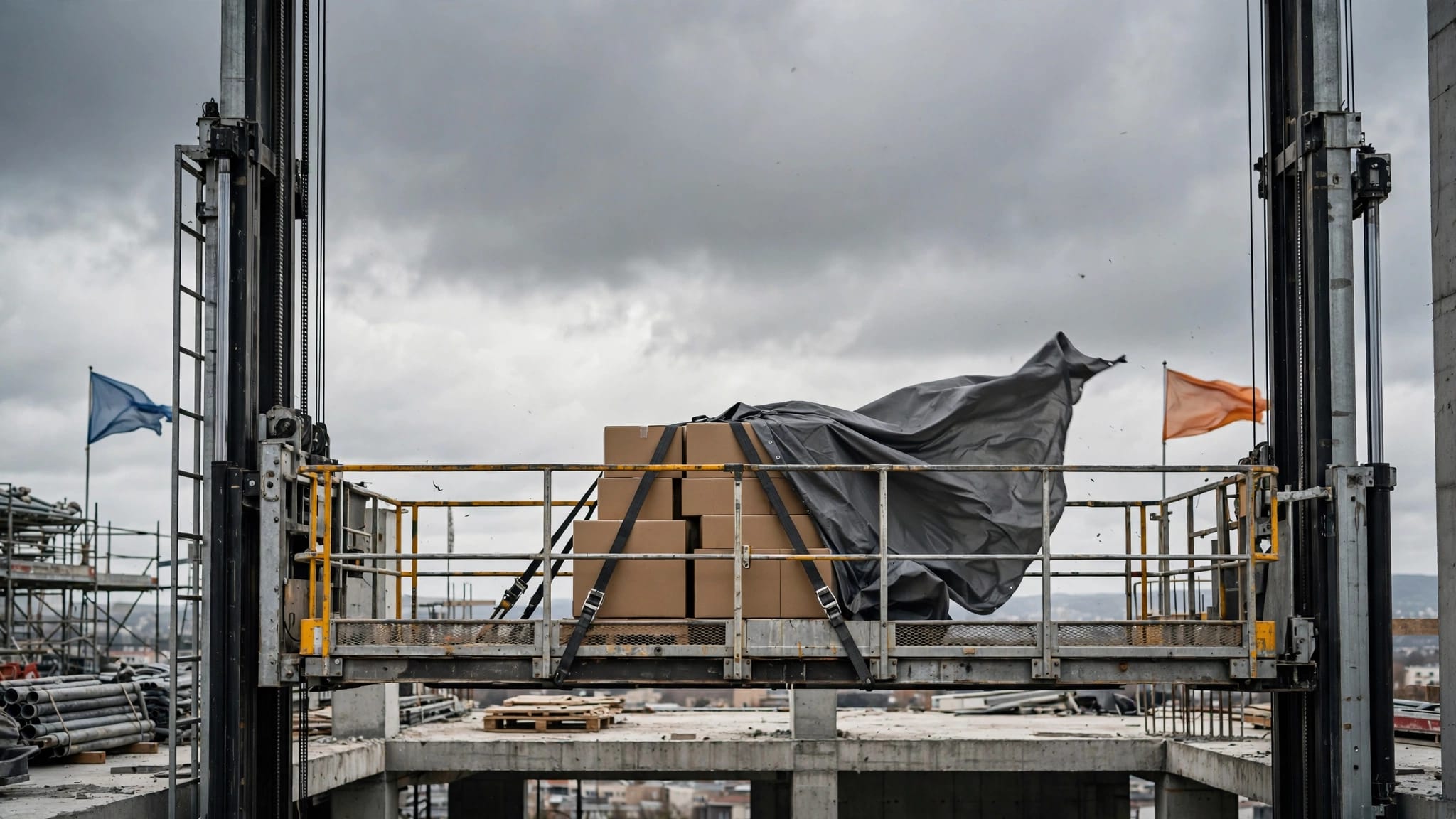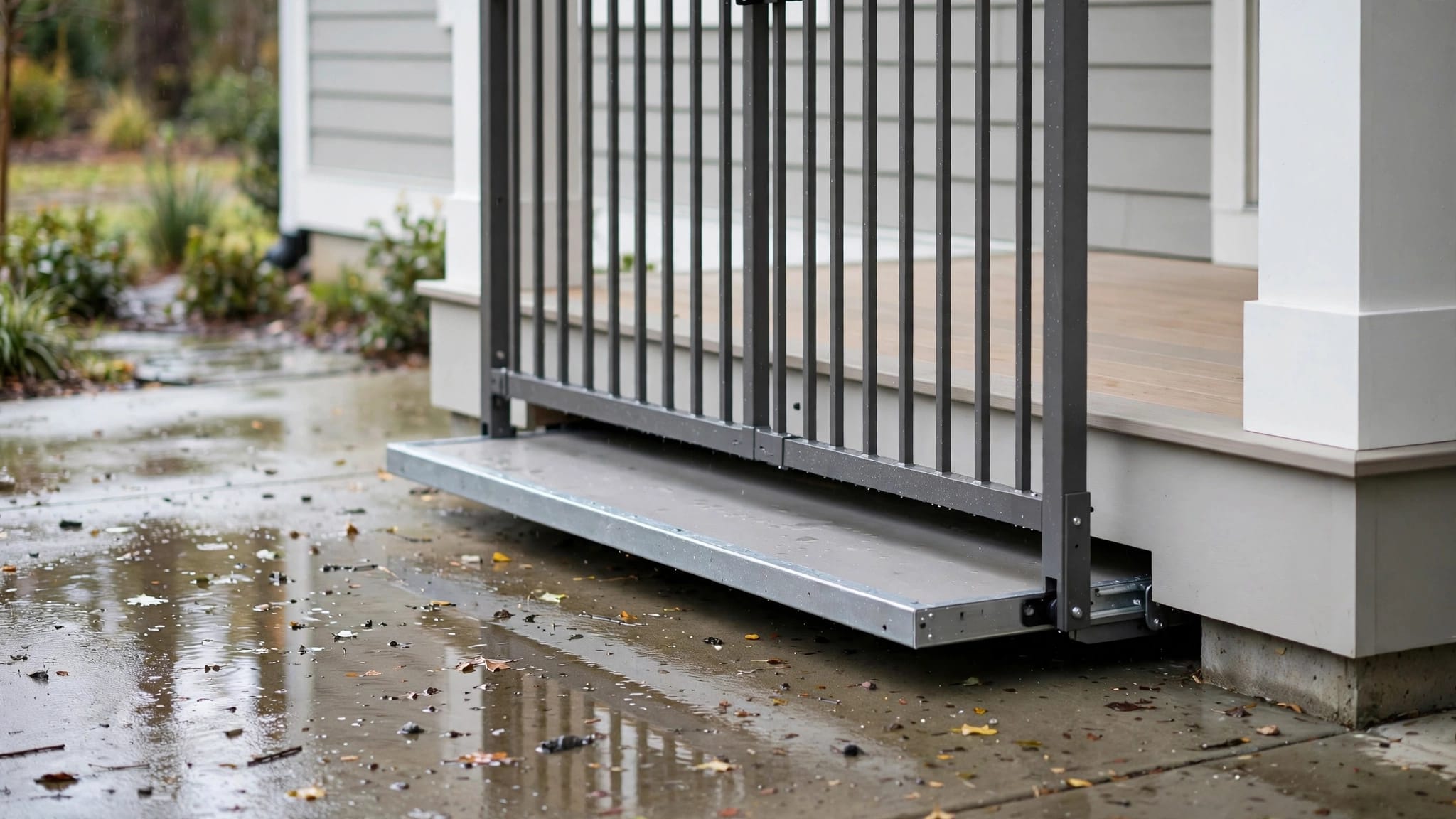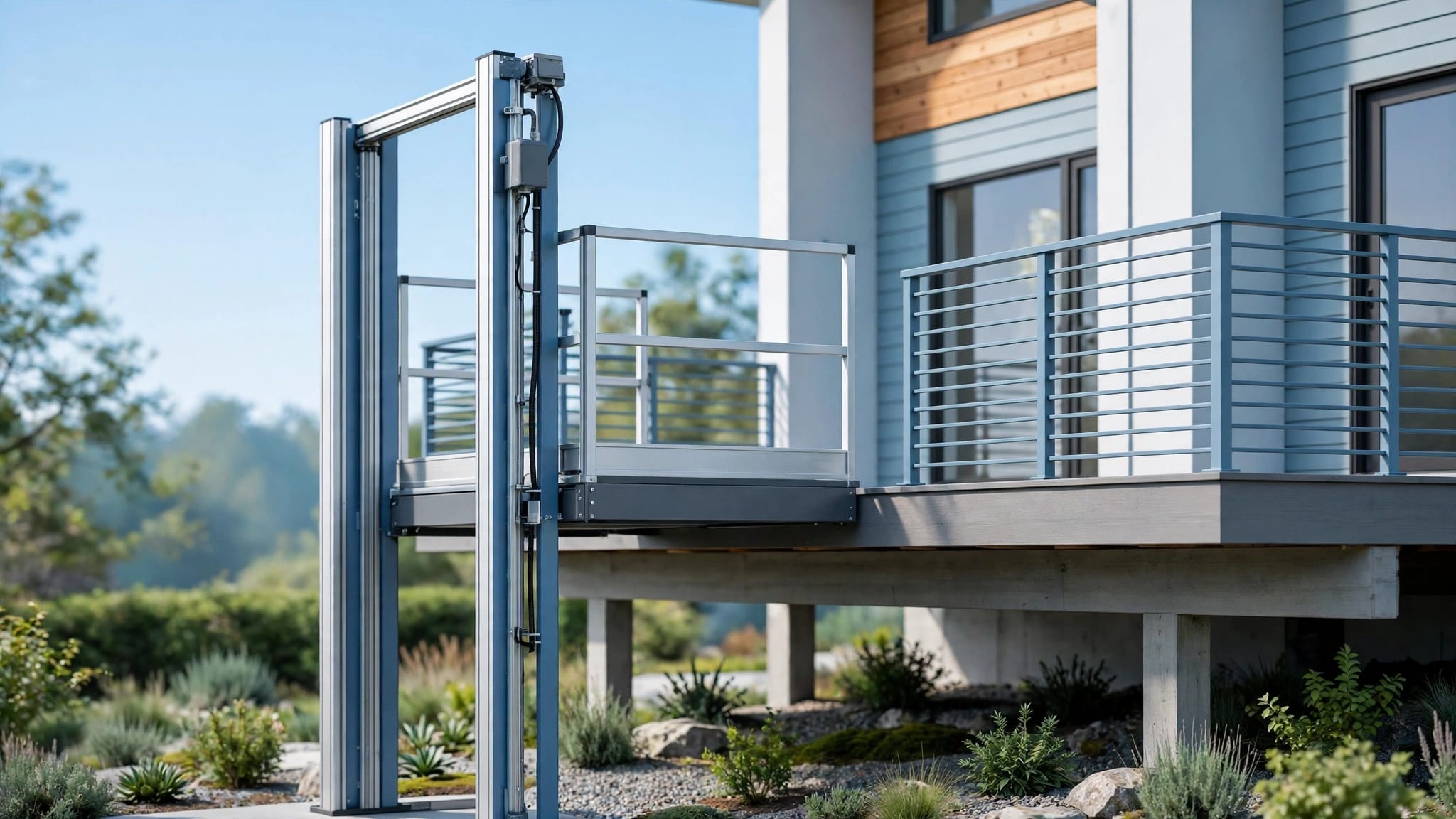
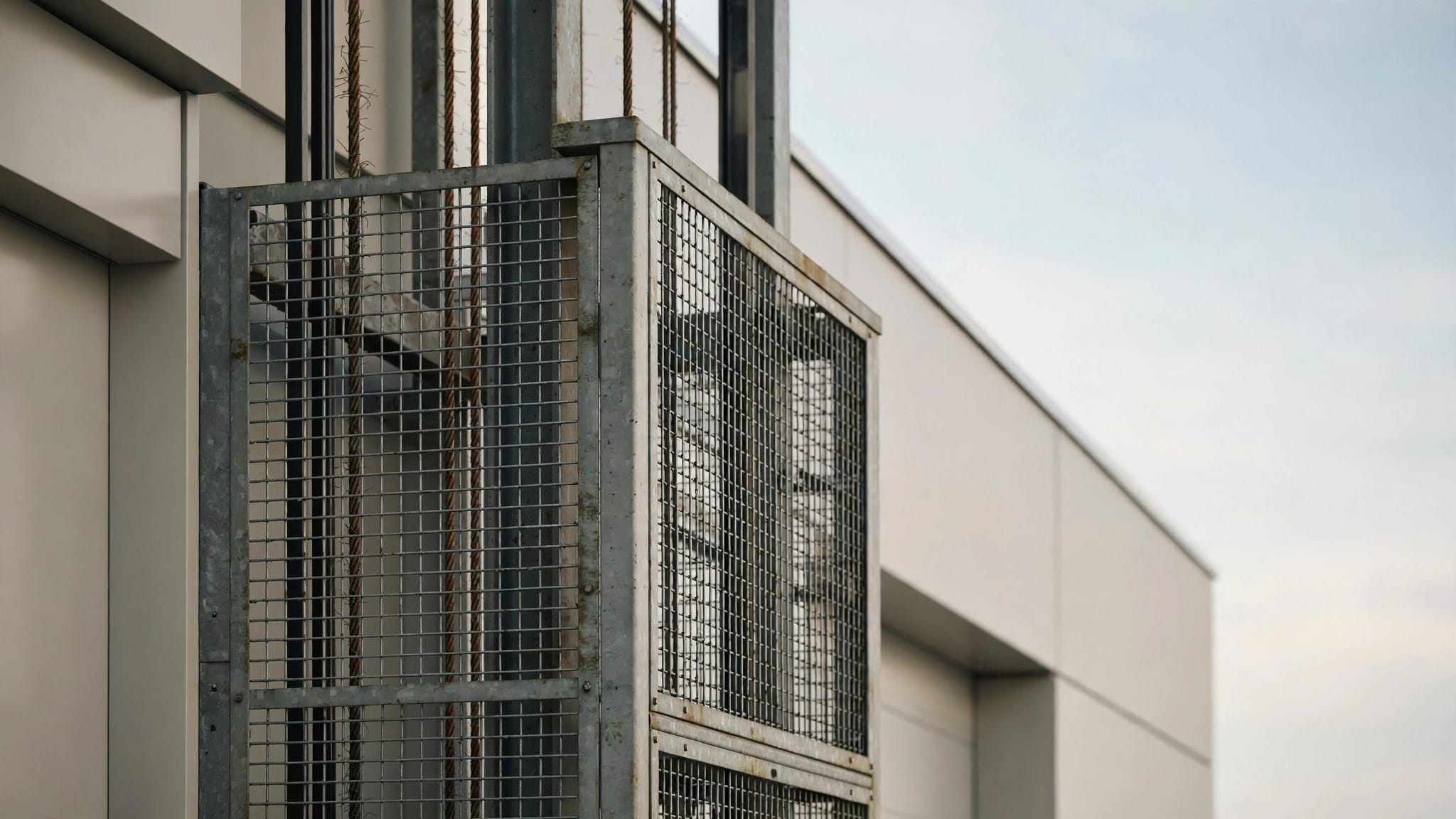
An outdoor lift can look like a simple platform, but Florida permitting depends on what the equipment carries, how far it travels, and who will use it. A Florida lift permit application for a passenger elevator follows a different path from one for a cargo-only lift.
The Florida Building Code, Chapter 399 of the Florida Statutes, DBPR elevator rules, and local building requirements may all apply. Your city or county can also add structural, flood-zone, electrical, or coastal review. Start by identifying the lift type and authority having jurisdiction, or AHJ, before preparing the drawings.
What a Florida lift permit covers in 2026
Florida projects commonly involve two layers of approval. The local building department reviews the construction work, such as the foundation, framing, landings, electrical service, and connections to the building. The Florida Department of Business and Professional Regulation, through its Bureau of Elevator Safety, handles covered vertical transportation equipment.
The Florida Building Code 8th Edition (2023) includes elevator and conveying system requirements in Chapter 30. Chapter 399 covers elevators, platform lifts, and stairway chairlifts. DBPR also directs applicants to review applicable NFPA and National Electrical Code requirements.
A covered conveyance generally needs state approval before installation or alteration. DBPR requires the application to come from a registered elevator company, along with the required fee and a sworn code-compliance statement.
Classify the lift before filing
The phrase "outdoor lift" doesn't identify a single code category. Confirm the product classification with the manufacturer, registered elevator company, design professional, and local AHJ.
| Equipment type | Intended use | Common code path |
|---|---|---|
| Passenger elevator | Carries people between floors or landings | ASME A17.1, Florida Chapter 399, Chapter 30, and local review |
| Vertical platform lift | Carries a wheelchair user and, where designed, an attendant | ASME A18.1, Chapter 399, Chapter 30, and local review |
| Inclined wheelchair lift | Moves a wheelchair along a stair or inclined path | Applicable platform-lift provisions and local review |
| Cargo or material lift | Moves tools, supplies, luggage, or building materials | Manufacturer classification plus AHJ review; passenger use isn't allowed unless expressly approved |
A cargo lift shouldn't be described as a passenger elevator on the permit application. Likewise, a VPL may fit an accessibility project, but its travel, platform, guarding, controls, and landing protection must match the approved design. For a closer comparison of the categories, review these Florida outdoor elevator code requirements.
Confirm the authority having jurisdiction
Ask the local building department which permits it expects before anyone prepares the final package. Depending on the location, you may need a building permit, structural permit, electrical permit, floodplain review, zoning approval, or separate elevator submission.
Some jurisdictions use a local elevator division instead of sending every inspection through the state. Miami Beach, for example, operates an Elevator Safety Division that handles permitting and inspections for vertical conveyances. Palm Beach County also publishes local amendments to the Florida Building Code that include special systems such as elevators, escalators, and lifts.
The correct Florida lift permit sequence depends on whether the project uses state DBPR review, a delegated local program, or a combination of both.
Printable Florida outdoor lift permit checklist
Use this list during project planning. Mark each item only after the responsible party confirms it with the AHJ.
- Confirm the property address, municipality, county, zoning status, and correct building department.
- Identify the equipment as a passenger elevator, VPL, inclined wheelchair lift, cargo lift, or another conveyance.
- Confirm whether the project is a private residence, multifamily property, commercial building, dock, marina, or public-use site.
- Obtain the manufacturer's model number, rated load, travel distance, speed, platform or cab dimensions, and power requirements.
- Select a registered elevator company if Chapter 399 and DBPR elevator permitting apply.
- Complete the current DBPR application for permit to install, alter, or relocate an elevator, commonly identified as form HR 7015.
- Include the required code-compliance affidavit, commonly identified as HR 7023, when the state application requires it.
- Prepare a site plan showing the lift, property lines, building, landings, access route, setbacks, and nearby structures.
- Add foundation, anchorage, framing, landing, guard, gate, and attachment details to the construction drawings.
- Show electrical service, disconnects, controls, weather protection, lighting, grounding, and equipment locations.
- Address drainage, corrosion protection, wind exposure, flood conditions, and coastal details where they affect the installation.
- Provide accessibility information for platform size, approach, controls, thresholds, gates, and landing connections when applicable.
- Include the owner's information, contractor details, design professional information, and required license numbers.
- Pay the applicable fees. DBPR currently lists $325 for a permit to install or relocate, including $250 for the permit and $75 for the initial Certificate of Operation.
- Confirm who will schedule local inspections, state acceptance testing, and any required third-party inspection.
- Keep approved drawings, equipment documentation, inspection reports, and change records available for closeout.
A cargo-only installation deserves an extra classification check. Ask the AHJ in writing whether the equipment falls under the state elevator program or follows a local building, structural, and electrical review only.
Documents reviewers usually need
A complete submittal connects the equipment to the building and the site. A product brochure by itself rarely answers the questions raised by an outdoor installation.
Drawings and site information
The plan set should show the lift's location, travel path, landing elevations, clearances, gates, guards, and connection points. Include the foundation or support structure, especially when the lift attaches to a porch, balcony, deck, elevated home, or commercial landing.
For coastal and flood-prone properties, the reviewer may ask for additional elevation, anchorage, drainage, corrosion, or wind-resistance information. The project may also require structural calculations from a Florida-licensed design professional.
Before the drawings are finished, use an outdoor lift site survey checklist to verify finished floor heights, thresholds, landing access, gate locations, lighting, and drainage conditions.
Product and safety information
Include the manufacturer's installation manual, specifications, electrical data, rated capacity, control details, and applicable certification or listing information. Passenger equipment should identify the safety systems, emergency operation, entrances, interlocks, braking, and communication features required by its approved design.
For a VPL, show platform dimensions, travel limits, guarding, controls, and landing protection. For a cargo lift, state the material-only purpose and post the rated load and operating restrictions. The permit file should never suggest that workers or passengers may ride equipment designed only for materials.
How approval and inspection usually proceed
The schedule changes by AHJ, but most projects follow a similar sequence: classification, local review, state elevator review when applicable, construction, acceptance testing, and closeout.
Before and during construction
A registered elevator company must handle new installations that fall under Florida's elevator safety program. Don't begin covered elevator work before the required state permit is issued. Local construction work may also need approval before excavation, concrete, framing, or electrical installation starts.
Keep the approved plans at the jobsite. If the lift location, landing design, support structure, gate arrangement, or electrical equipment changes, ask the design professional and AHJ whether revised drawings are required.
Outdoor work needs jobsite preparation as well. Confirm that the base is ready, power is available, access is clear, drainage works, and the building connection matches the approved details. A practical outdoor lift installation timeline can help coordinate permits, concrete, electrical work, equipment delivery, and inspection dates.
Acceptance testing and the Certificate of Operation
When the installation is near completion, the registered elevator company schedules the acceptance inspection and required safety tests. A Certified Elevator Inspector, or CEI, witnesses the inspection for covered equipment outside the private-residence exception.
The inspector submits an elevator inspection report. DBPR's acceptance procedure also requires an affidavit from the elevator construction supervisor confirming direct supervision of the installation. That person isn't the general contractor.
If the report has no violations, the CEI may post a Temporary Certificate of Operation for no more than 60 days. DBPR can then issue the Certificate of Operation after receiving the required paperwork.
Commercial, public, and many multifamily installations also have ongoing inspection and maintenance obligations. Florida requires annual inspection by a licensed CEI or an approved local program, with limited exceptions for certain elevators covered by qualifying full-service maintenance contracts. The owner must verify the required service arrangement each year.
Private residences receive different treatment under the pre-use inspection rule, but the exception doesn't remove local building permits or the state installation permit when Chapter 399 applies.
Common application mistakes
Calling every vertical platform a passenger elevator
Using the wrong equipment category can send the package to the wrong reviewer and create confusion about travel, controls, guarding, and inspections. Submit the manufacturer's actual classification, intended use, and applicable standard.
If the equipment will carry people, say so clearly. If it will carry only materials, label it as cargo equipment and prohibit passenger use unless the approved design allows it.
Submitting a brochure without site drawings
A brochure may show the lift's dimensions, but it won't show how the foundation connects to the building or how users reach each landing. Reviewers need the site plan, elevations, attachment details, guards, gates, clearances, and access route.
This omission is common when owners order equipment before measuring existing porches or balconies. Verify finished floor heights and landing conditions first.
Treating the state permit as the only approval
DBPR elevator approval doesn't replace the local building department's review. The project can still need structural, electrical, zoning, floodplain, or coastal permits. Confirm each layer before construction begins.
Leaving inspections until the final day
Acceptance testing requires the right people, safe access, complete installation, working power, and finished landings. Schedule the inspection after the equipment is ready, but before the construction team leaves the site.
Practical preparation tips for property owners and contractors
Choose the lift category during design, not after the drawings are complete. Passenger elevators, VPLs, and cargo lifts have different controls, safety systems, access needs, and approval paths.
Ask the lift company for a permit package early. Request the model-specific drawings, load data, power requirements, anchorage details, installation instructions, and inspection responsibilities.
Set a single permit contact for the owner, contractor, design professional, lift company, and AHJ. That person can track comments, revised sheets, fees, inspection dates, and closeout documents.
Also check the code edition tied to the permit date. DBPR's acceptance procedure uses the code edition in effect when the construction permit application is received, so delaying a submittal can affect the review basis.
Use this checklist for planning, then confirm the final requirements with the local AHJ and qualified design and elevator professionals.
Conclusion
A Florida lift permit application becomes easier to manage when the equipment category is correct and the approval path is clear. Passenger elevators and regulated platform lifts commonly involve DBPR, Chapter 399, Chapter 30, code-compliance documents, and acceptance testing. Cargo lifts require a separate classification review because material-only equipment doesn't automatically follow the passenger elevator process.
The strongest preparation happens before filing: measure the site, document the structure, identify local permits, select the registered elevator company, and schedule inspections early. A complete package gives the reviewer enough information to approve the lift for its actual use, whether it carries people, wheelchairs, or materials.
Recent Posts