Outdoor Pet Lift Safety Around Gates and Platforms

Share this article

One open gate can turn a routine trip between floors into a fall, escape, or pinch injury. Good outdoor pet lift safety starts before the platform moves, with the right equipment, a protected landing, and clear rules for every person who uses the lift.

Pets react quickly to noise, rain, unfamiliar motion, and open edges. Homeowners and property managers need a setup that controls access without creating new hazards. Start with the lift classification, then review the gates, platform surface, controls, and daily operating routine.

Start with the right equipment and site plan

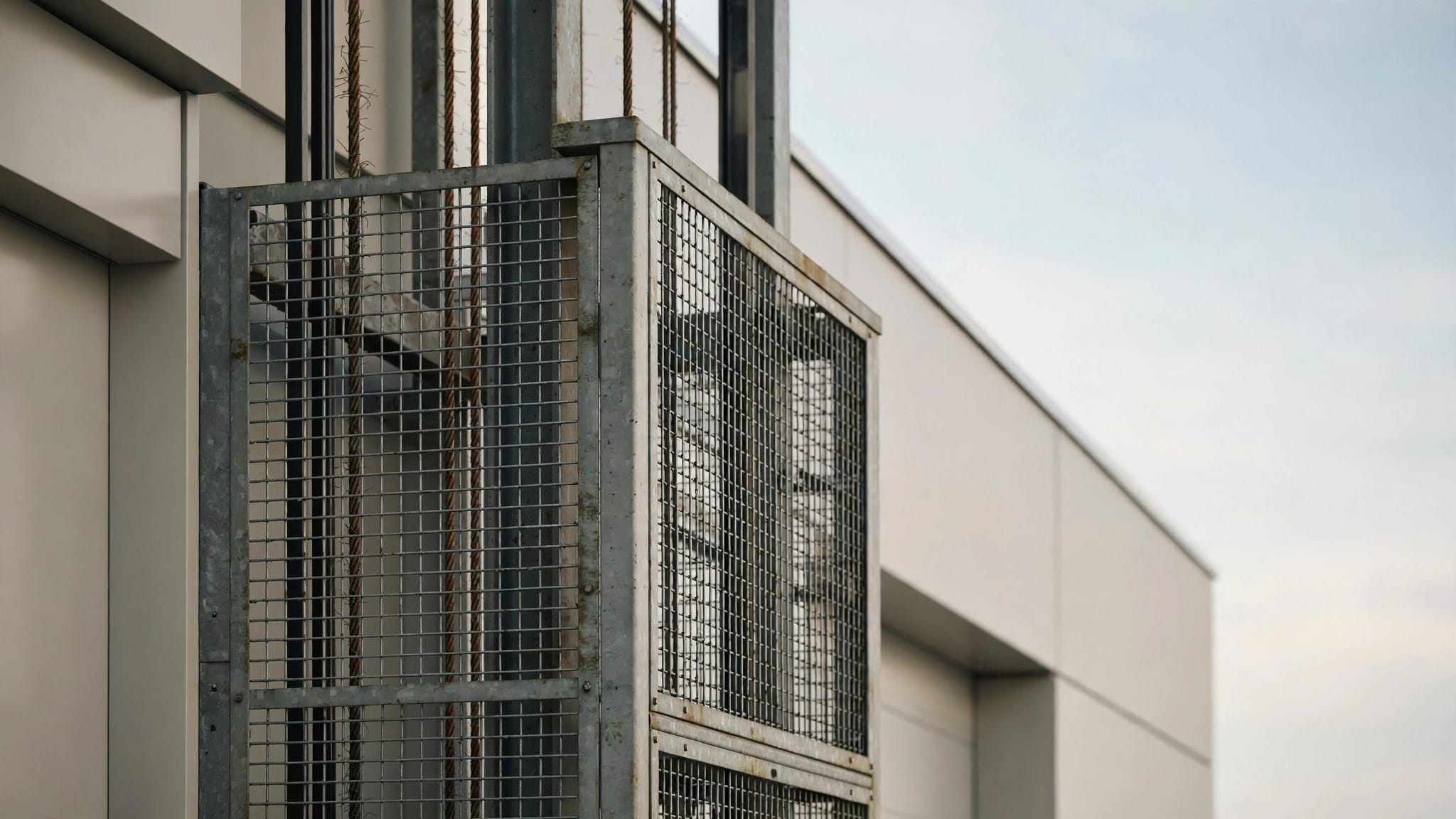
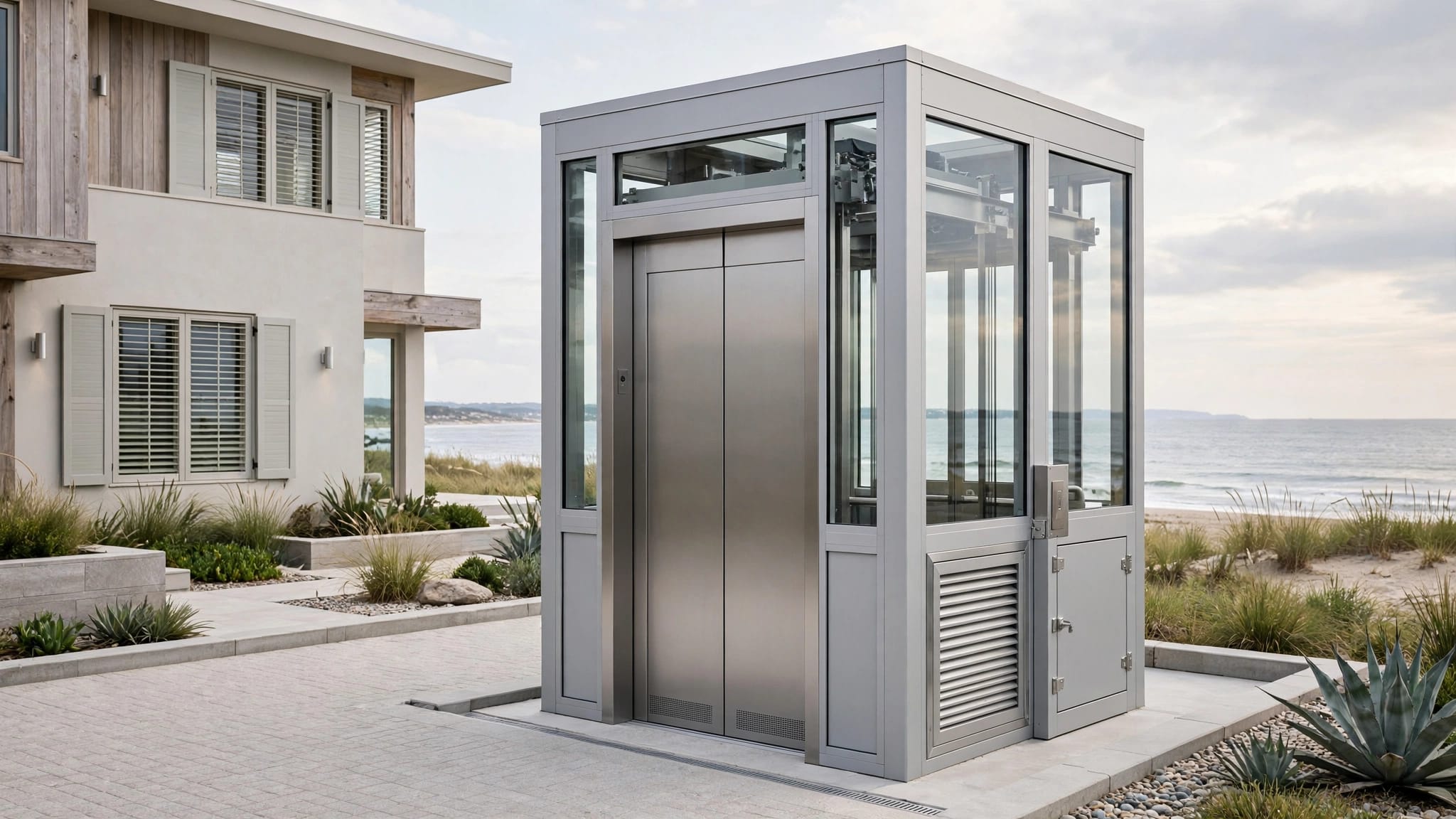
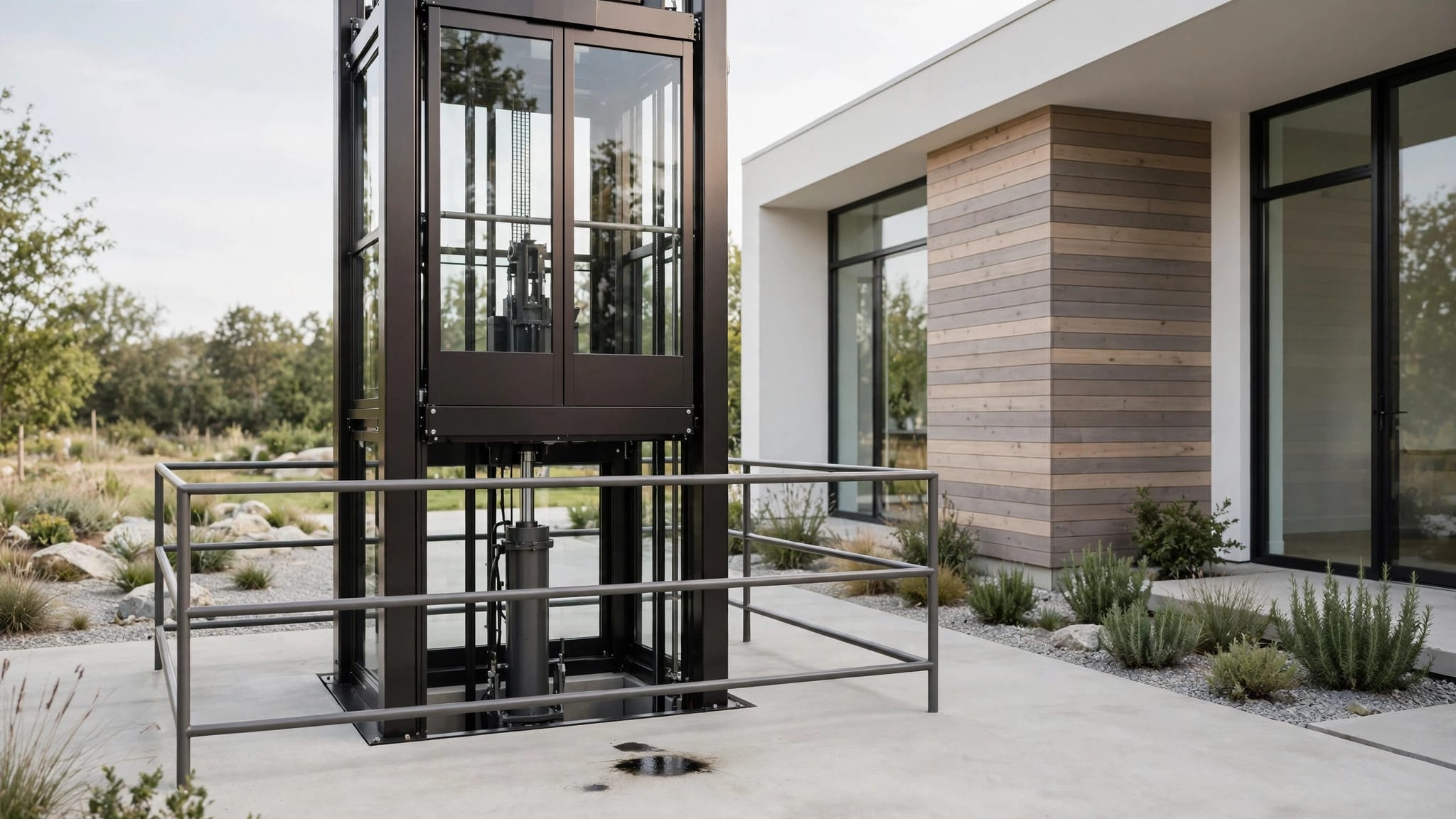
An outdoor lift may be a cargo lift, passenger-compliant elevator, or vertical platform lift (VPL). These systems can look similar at a glance, but their approved uses, controls, gates, and safety requirements differ.

Match the lift to its approved use

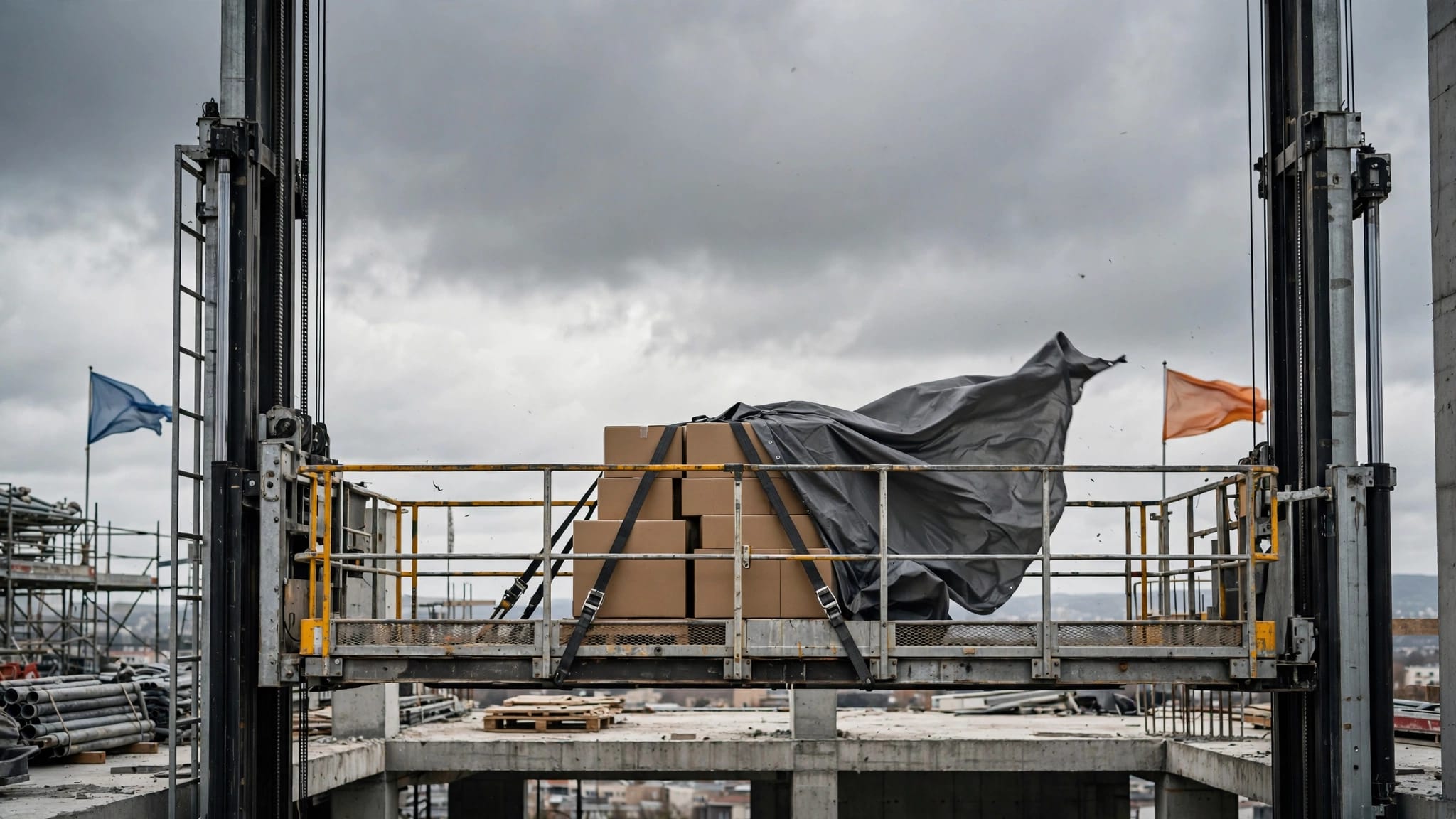
A cargo lift moves materials such as groceries, luggage, tools, or building supplies. Unless the manufacturer explicitly approves animal use, don't place a pet on it, and never allow a person to ride a cargo lift that isn't designed for passengers.

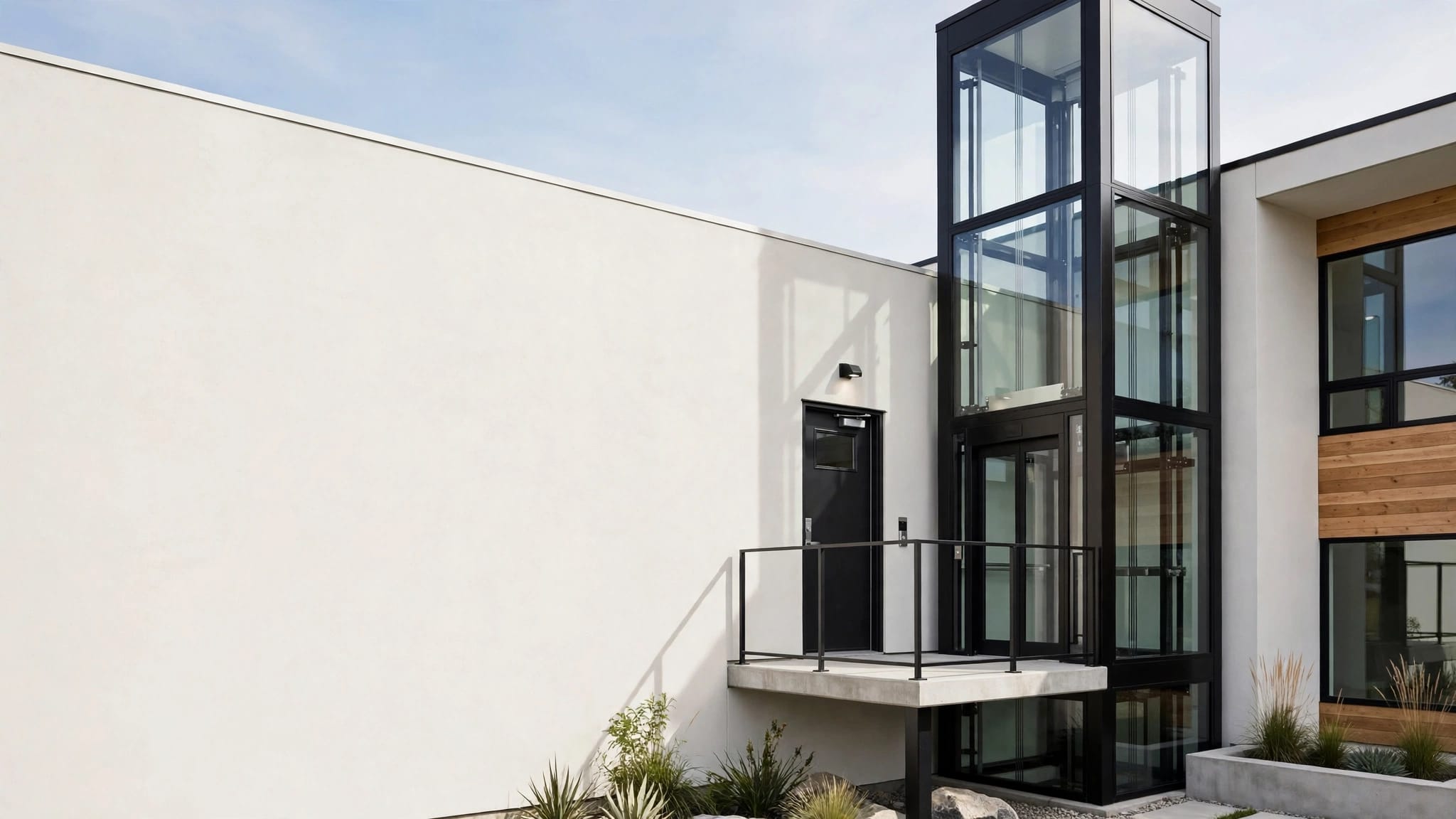
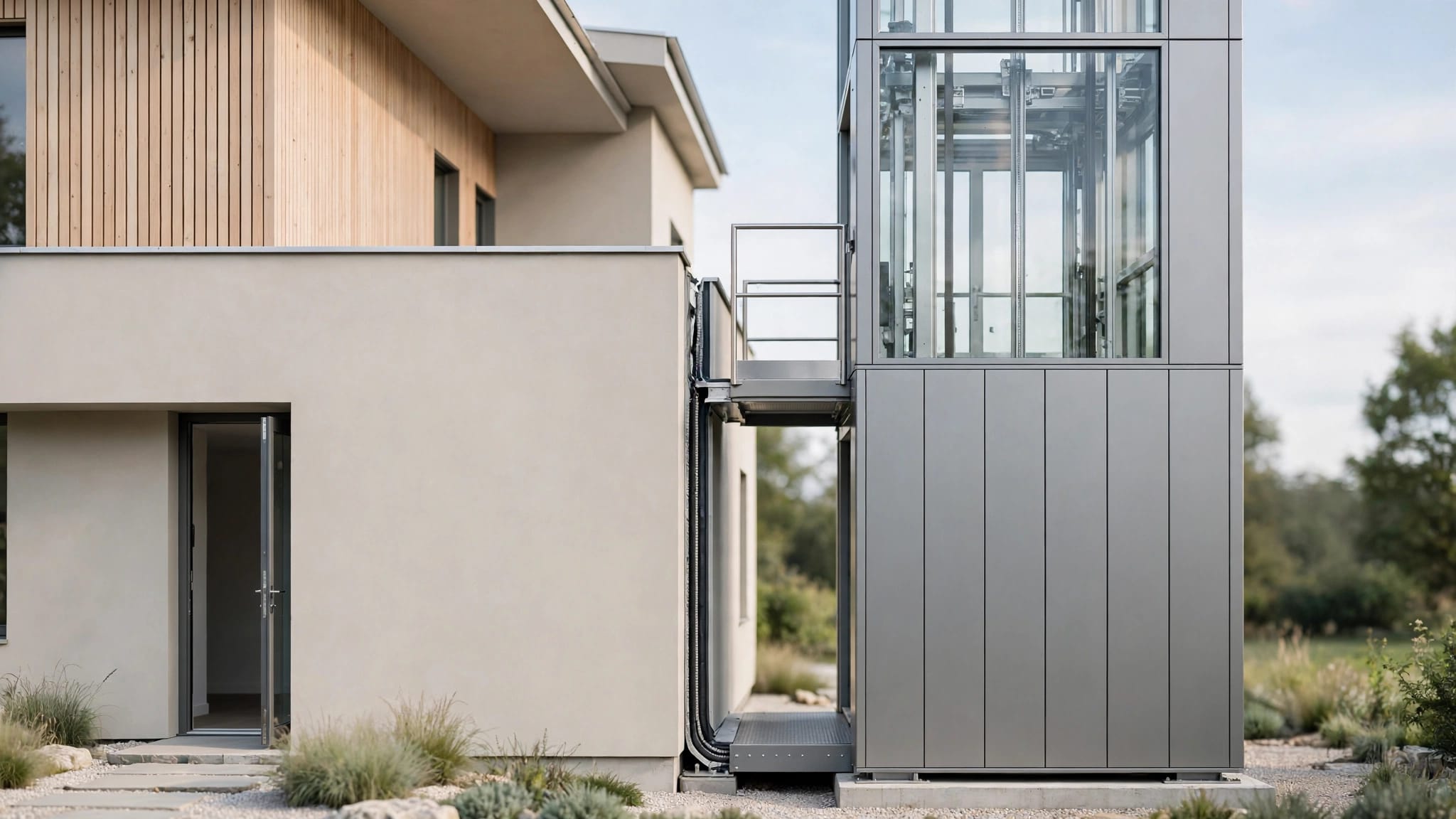
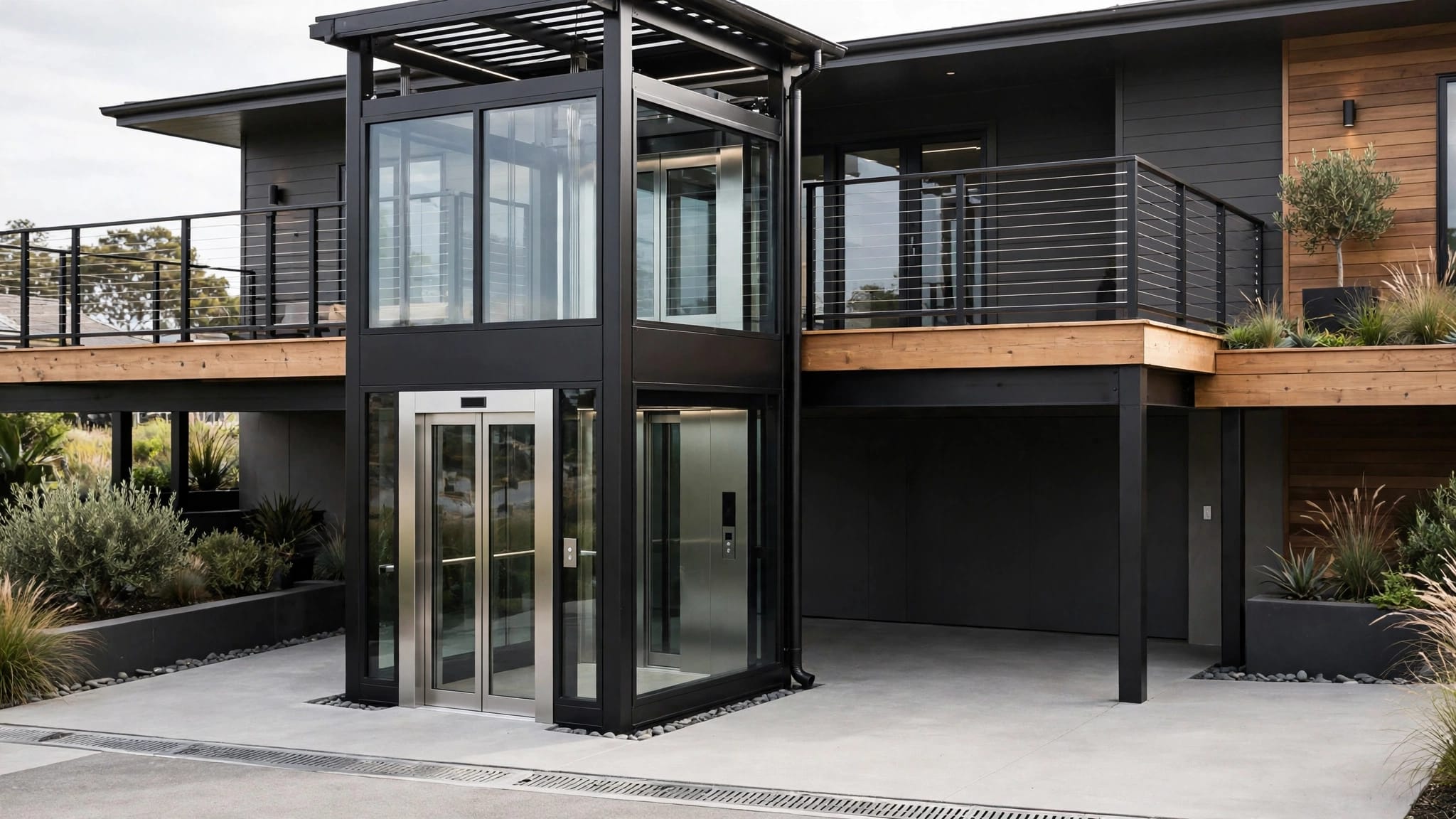
A passenger-compliant elevator is intended for people and may allow pets under the owner's operating rules and the manufacturer's instructions. A VPL usually supports wheelchair access over a limited vertical rise. Its platform, guardrails, gates, and controls must match the intended rider and site.

The applicable code path also varies. VPLs often fall under ASME A18.1, while passenger elevators follow different requirements, such as ASME A17.1, along with local rules. Review the distinction before selecting equipment. This guide to cargo lift versus passenger elevator can help clarify the basic differences.

Map every landing before installation

A pet can reach a lift from a porch, stair landing, driveway, hallway, or shared commercial area. Each approach needs enough room for a person to control the animal without standing near an unprotected edge.

Before construction or retrofit, review finished floor heights, thresholds, drainage, lighting, gate locations, and the direction of travel. An outdoor elevator site survey checklist helps identify conditions that can affect the landing and platform interface.

Watch for nearby stairs, railings, planters, furniture, pool areas, and property boundaries. A gate may block the lift opening while still leaving a route for a small dog or cat to reach another hazard.

Outdoor pet lift safety around gates and platforms

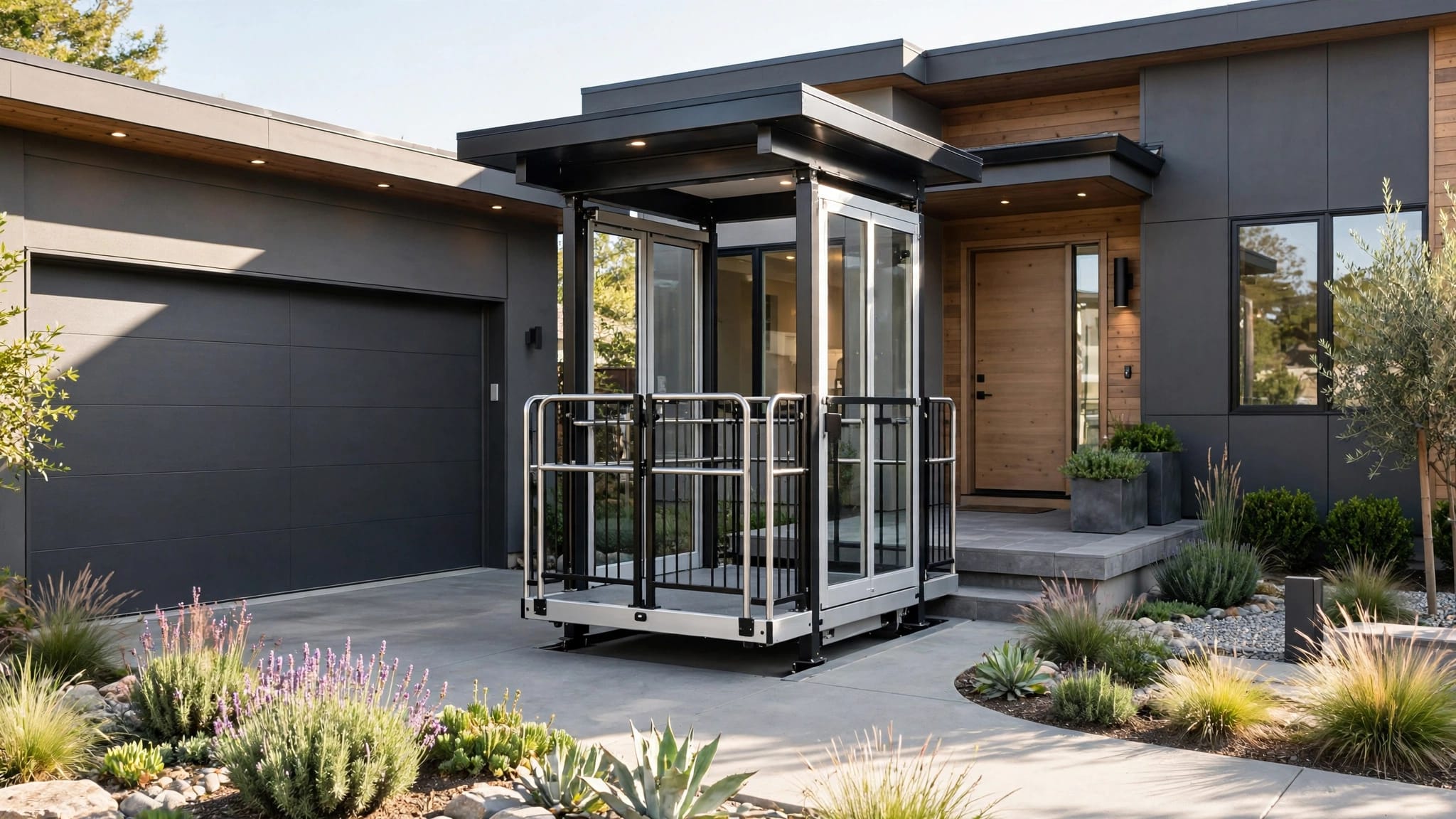
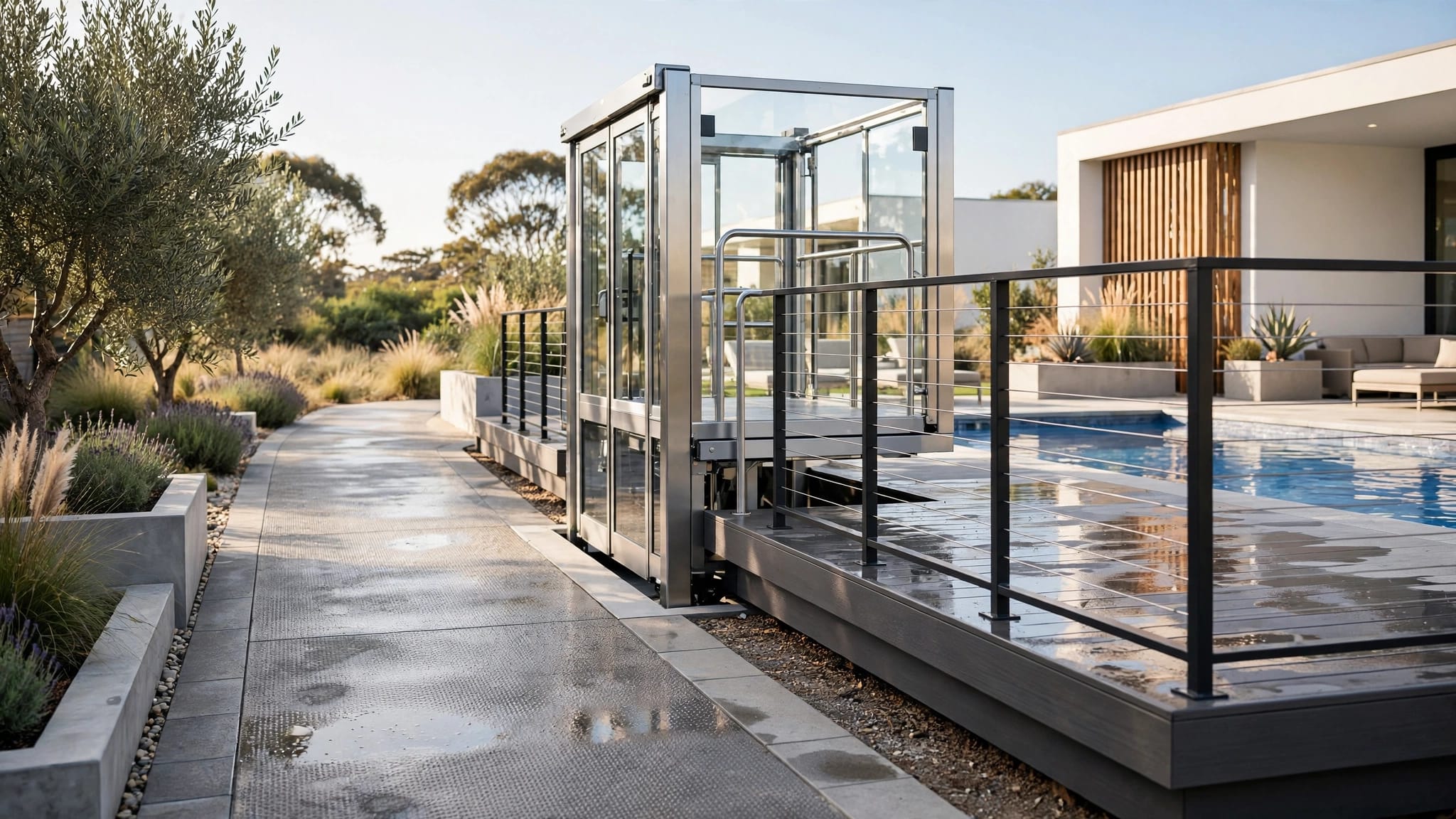
The gate is the main barrier between a pet and the lift opening. It should control access without restricting the operator's view or creating a closing hazard.

Keep the pet outside the hazard zone

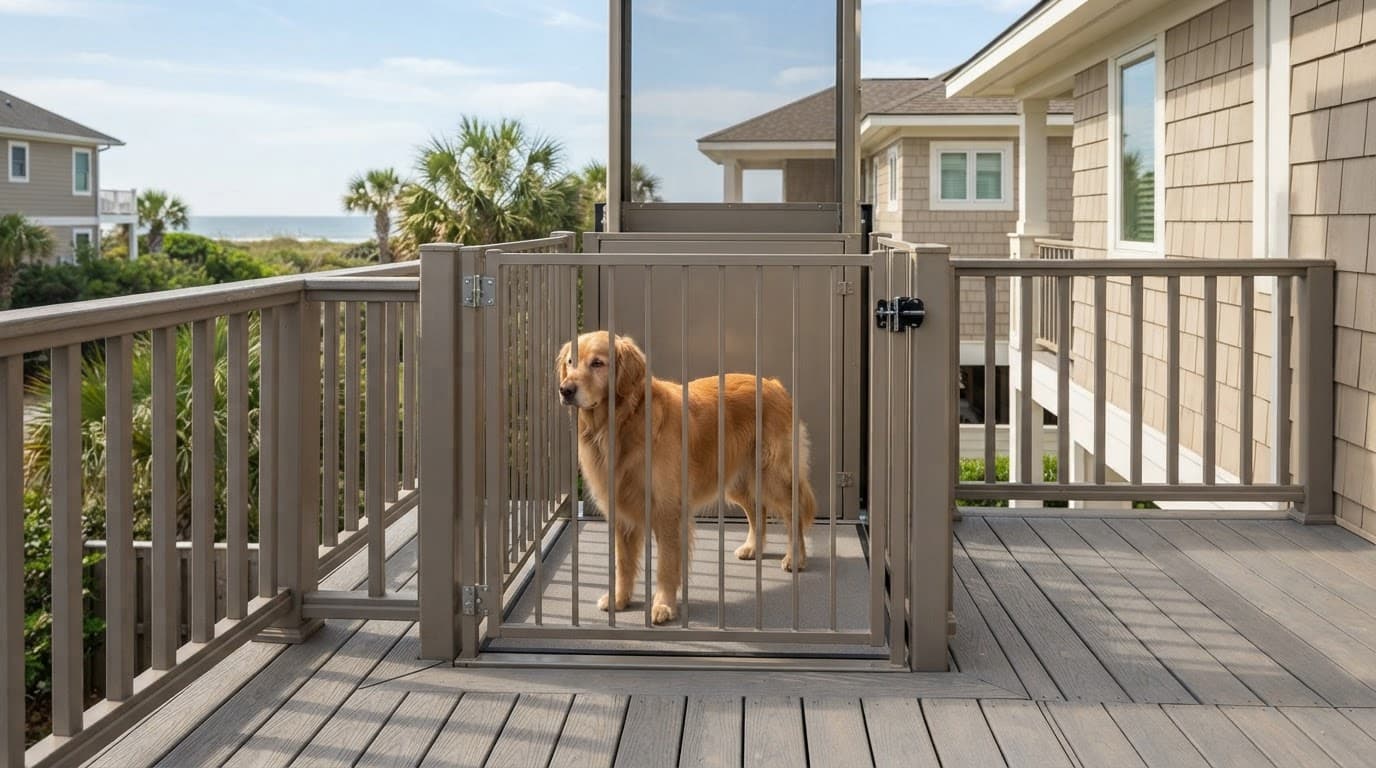
Keep the landing gate closed whenever the platform isn't being loaded or unloaded. Check that it reaches the fully closed position and that the latch engages every time. A gate that rests against a stop without latching can leave an opening for a curious pet.

Use only gates and interlocks specified for the lift model. The arrangement must suit the platform width, landing height, swing direction, and access pattern. Review these exterior elevator safety gates when planning a residential or commercial installation.

Small pets may fit through gaps that seem harmless to an adult. Check the spaces below rails, beside gate posts, and near the platform edge. Don't add improvised mesh, boards, rope, or barriers where they could interfere with the gate, controls, cables, or moving platform.

Remove swing and pinch hazards

A swing gate needs a clear opening path. It shouldn't strike a pet, block a stair, push someone toward the deck edge, or trap an animal against a railing. Mark the swing area during planning, then keep it free of chairs, storage bins, toys, and planters.

Pinch points can occur at hinges, latches, closing edges, thresholds, and gaps between the platform and landing. Keep paws, tails, collars, and leashes away from these areas. Never encourage a pet to cross while the gate is closing.

A gate should close smoothly without slamming or requiring an operator to pull hard. Report binding, loose hardware, excessive movement, or a latch that needs repeated attempts. Don't solve the problem by tying the gate open.

Prevent slips, falls, and entanglement on the platform

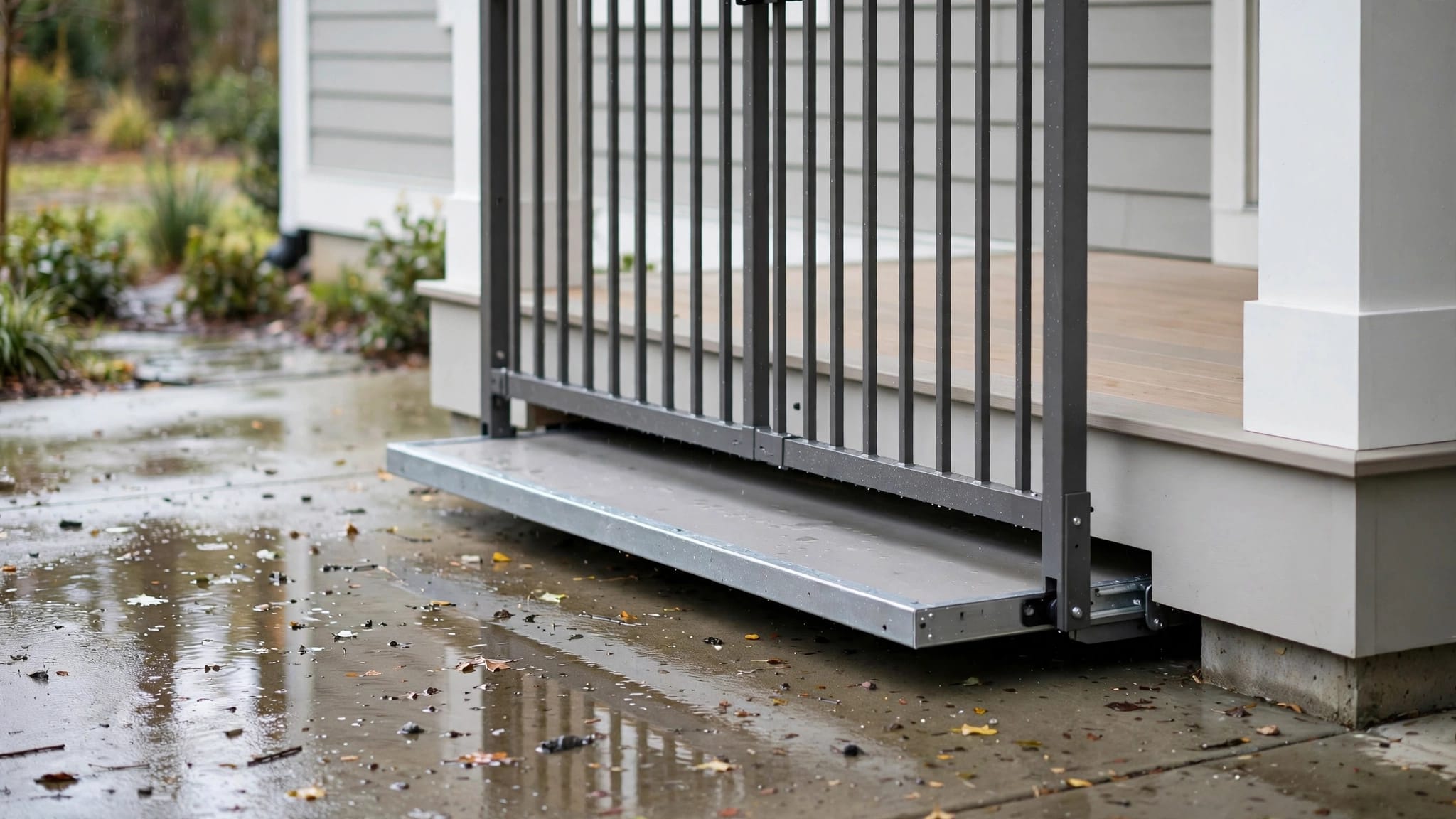
Rain, salt spray, wet paws, algae, mud, and dropped treats can reduce traction. Outdoor pet lift safety depends on the platform staying usable in the weather conditions found at the property, not only on a dry inspection day.

Keep footing dry, clean, and stable

Choose a platform surface with suitable slip resistance for the lift's intended environment. Follow the manufacturer's cleaning instructions, because some cleaners can leave a slick film or damage protective finishes.

Remove leaves, sand, standing water, pet waste, and loose objects before each trip. Keep drainage paths open. If the platform becomes wet, allow it to drain and dry when possible, then check the surface before bringing a pet aboard.

Don't place a loose rug, towel, cardboard sheet, or unapproved rubber mat on the platform. These items can bunch under paws, block drainage, affect a gate, or move toward a gap. If a mat is necessary, use only one approved for that lift and secure it as directed.

Lighting matters after sunset. The operator should see the platform floor, gate latch, threshold, and landing edge without relying on a phone flashlight.

Control collars, leashes, and loose items

A leash can catch on a gate, railing, hinge, or platform edge. Keep it short enough to control the pet, but never wrap it around a gate or attach it to lift hardware. Keep handles, tags, bags, and long straps away from moving parts.

Some pets may need a carrier for safe transport. Use one only when the lift is approved for that animal and the carrier fits within the platform's rated space and load limit. Keep the carrier stable, away from the gate, and clear of controls.

Cats and small dogs need extra attention because they can slip through openings or move under a gate before an operator reacts. Use a separate, secure holding area when the pet is excited, fearful, or difficult to control.

Prevent accidental lift movement during pet use

Accidental movement can cause a fall, crush injury, or escape. The operator should control both the pet and the lift sequence, rather than relying on the animal to stay still.

Protect the controls

Place controls where pets can't press them with a paw, nose, or leash. Keep remote controls, call stations, and key switches out of reach when the lift isn't in use. For a shared property, limit operation to trained users.

Never bypass an interlock, hold a safety switch down, wedge a gate against a sensor, or use a control in a way the manual doesn't allow. These actions can defeat the safety system and create movement with an open gate.

The operator should stand where they can see the pet, gate, platform, and landing. If the lift has a remote control, maintain a clear view throughout the trip. Don't operate it from another room or while distracted.

Use a consistent loading sequence

A repeatable routine reduces mistakes:

  1. Secure the approach area and keep other pets away from the landing.
  2. Check the platform, threshold, gate, and landing for debris or water.
  3. Bring the pet onto the platform only when the equipment allows that use.
  4. Keep the animal clear of the gate, controls, and platform edge.
  5. Close and latch the gate before starting movement.
  6. Confirm that every person and object is clear, then operate the lift.

Stop the lift according to the manufacturer's emergency procedure if the pet moves toward an edge, the gate opens unexpectedly, or the platform behaves differently. Don't reach into a gap or try to force a gate while the equipment is moving.

Inspect, train, and document safe daily use

A safe installation can become unsafe after a storm, impact, corrosion, loose hardware, or an unreported change in the landing area. Regular checks help catch those problems before a pet approaches the lift.

Perform a visual check before use

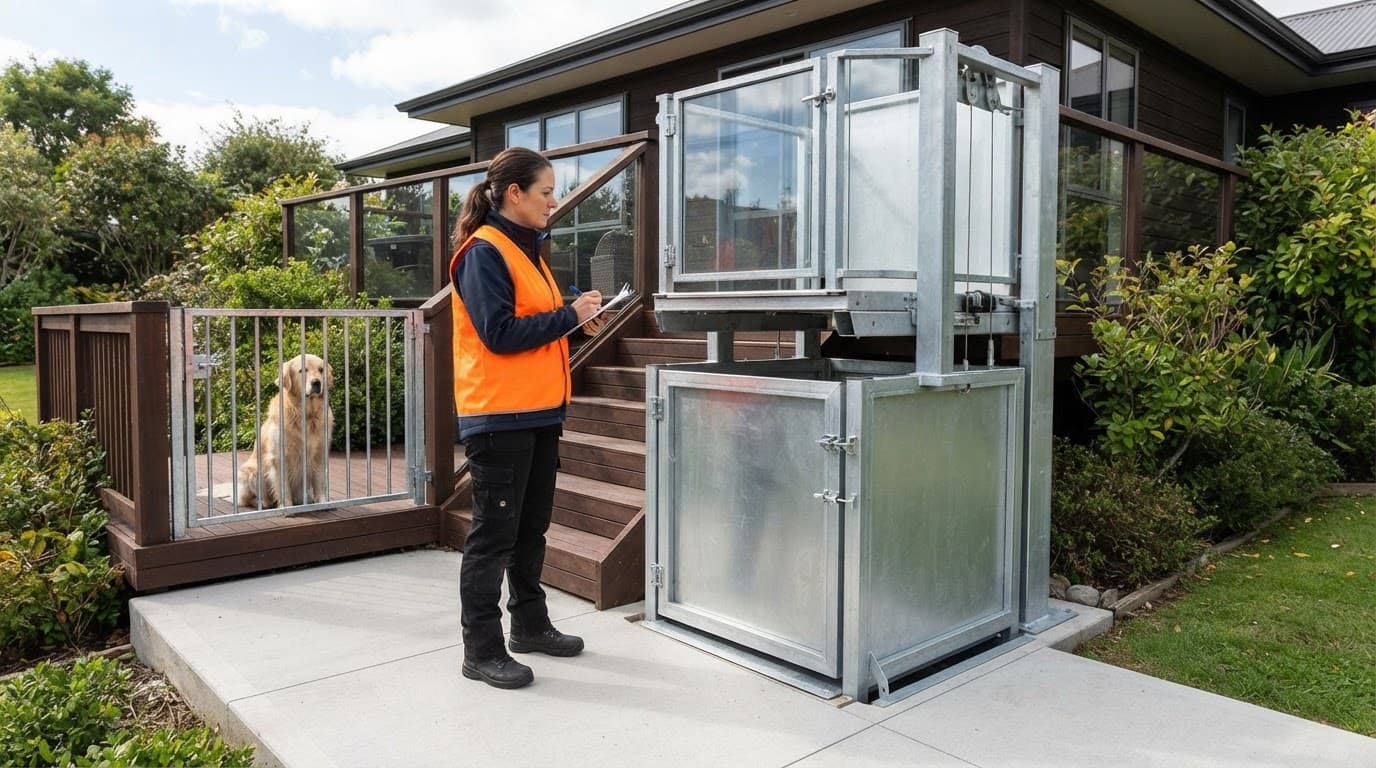
Look at the gate, latch, hinges, guardrails, platform floor, threshold, and surrounding landing. Check for loose parts, sharp edges, rust, cracked panels, unusual gaps, standing water, and objects that could roll or slide.

Run the controls without a pet present when the manufacturer permits that check. Watch for unusual sounds, jerky movement, delayed stopping, uneven travel, or a platform that doesn't align with the landing. Any change from normal operation needs attention.

After heavy rain, salt exposure, flooding, a power interruption, or an impact, keep the lift out of service until the owner, service provider, or another qualified professional determines that it is safe to use.

Train every regular user

Property managers should give residents, staff, contractors, and caregivers the same operating instructions. Cover the approved lift use, weight rating, gate operation, control access, emergency procedure, and pet supervision rules.

Keep written instructions near the lift if the manufacturer and local requirements allow it. Use clear signs when a cargo lift doesn't carry passengers or when pets must remain outside a restricted area.

Schedule maintenance and professional inspections according to the manufacturer, local authority, and applicable code. Keep service records, inspection dates, reported faults, and repairs together. Outdoor pet lift safety improves when every user knows what normal operation looks like and who to call when it changes.

Outdoor pet lift safety do-and-don't guidance

Use these rules as a practical reminder for homes, rental properties, hotels, offices, and other locations with outdoor lifts.

Do these things every time

  • Follow the lift manual, posted capacity, gate instructions, and local requirements.
  • Keep pets supervised at every landing and during every approved ride.
  • Close and latch the gate before movement, even when the trip is short.
  • Keep the platform dry, clean, visible, and free of loose items.
  • Use a carrier or other restraint only when the equipment and instructions allow it.
  • Keep children, other animals, and visitors outside the operating area.
  • Stop use after unusual movement, damage, flooding, or a failed latch.
  • Ask a qualified professional to inspect problems that affect the lift or its safety devices.

Avoid these common mistakes

  • Don't let a pet ride a cargo lift unless the manufacturer expressly approves animal transport.
  • Don't tie a leash to a gate, railing, platform, cable, or control.
  • Don't prop open a gate or place an object under its closing edge.
  • Don't add homemade barriers, mats, ramps, or covers near moving components.
  • Don't let a pet wait beside an open lift entrance.
  • Don't reach through a gate or under a platform to retrieve a toy.
  • Don't allow a pet to operate controls or remain alone on the lift.
  • Don't bypass a gate interlock or continue using equipment after a failed safety check.

Final quick-reference checklist

Before each use, confirm the following:

  • The lift is approved for the intended person, pet, carrier, or material.
  • The approach, landing, threshold, and platform are clear.
  • The gate closes fully, latches, and operates as the manufacturer specifies.
  • Guardrails and protective panels are secure, with no unsafe openings.
  • The platform surface is dry enough and free of debris.
  • Leashes, collars, carriers, and loose items cannot reach moving parts.
  • Controls are out of the pet's reach.
  • The operator has a clear view of the pet and the lift.
  • The pet is calm, supervised, and positioned away from edges.
  • Everyone is clear before movement begins.

If the gate doesn't latch, the platform is slippery, or the lift moves differently, keep it out of service until a qualified person checks it.

Safer lift routines protect pets and people

Outdoor pet lift safety comes down to controlled access, sound equipment choices, dry footing, protected gates, and consistent supervision. A passenger elevator, VPL, and cargo lift each need rules that match their approved purpose.

Review the manufacturer's instructions before allowing any pet near the equipment. Follow local requirements and professional inspection guidance, especially after weather damage or changes to the landing. A careful routine keeps a raised platform useful without treating any lift, gate, or platform as universally safe.

Recent Posts

By Veranda 'Vator August 20, 2026
An outdoor lift can look like a simple platform, but Florida permitting depends on what the equipment carries, how far it travels, and who will use it. A Florida lift permit application for a passenger elevator follows a different path from one for a cargo-only lift. The Flori...
By Veranda 'Vator August 20, 2026
A beach home can sit empty for months while its lift quietly collects salt, humidity, sand, and insects. That is why seasonal home lift maintenance should begin before anyone steps onto the platform or enters the car. A lift left offline for months should not simply be powered...
By Veranda 'Vator August 19, 2026
An accessibility lift can make a Florida home usable again, but the tax result depends on medical need, property value, and who paid the bill. Florida accessibility tax benefits usually come through federal medical-expense rules, not a special Florida homeowner credit. That di...
By Veranda 'Vator August 19, 2026
A commercial building may need an accessible route, but that doesn't automatically mean it needs an elevator or that any wheelchair lift will satisfy ADA platform lift requirements . The right solution depends on the building's use, route, construction type, and the limited si...
By Veranda 'Vator August 18, 2026
Sunlight can age an outdoor lift long before owners notice an obvious failure. A review of UV exposure lift components should start with the plastics, elastomers, coatings, and cable jackets that face direct sunlight. Outdoor elevators, cargo lifts, and vertical platform lifts...
By Veranda 'Vator August 18, 2026
A lift can meet its travel requirements and still fail an accessibility review if the controls or handrail interfere with boarding. Good VPL handrail placement keeps the platform usable, protects the rider, and gives installers a clear layout to verify before construction. VPL...
By Veranda 'Vator August 17, 2026
An outdoor VPL can make a raised entry usable, but a platform that fits a wheelchair doesn't prove the surrounding layout works. The VPL turning space must let a wheelchair user align with the gate, enter without a sharp correction, exit onto a level landing, and change direct...
By Veranda 'Vator August 16, 2026
A platform lift can fit a wheelchair and still fail at the doorway, landing, or gate. Choosing the right VPL platform size starts with the complete power wheelchair and its occupant, not the seat width alone. A vertical platform lift, or VPL, carries a person and mobility devi...
By Veranda 'Vator August 15, 2026
Salt air can shorten the life of an outdoor lift long before the main frame looks damaged. For a coastal lift, the aluminum vs steel towers decision affects corrosion maintenance, hardware, installation, and long-term cost. Aluminum often performs well near the ocean because i...
By Veranda 'Vator August 14, 2026
Salt air can damage lift components long before rust becomes visible. Outdoor home lifts also face humidity, wind-driven rain, storm debris, floodwater, and power interruptions that rarely affect an indoor installation. For coastal homeowners, the choice between hydraulic and...
Show More