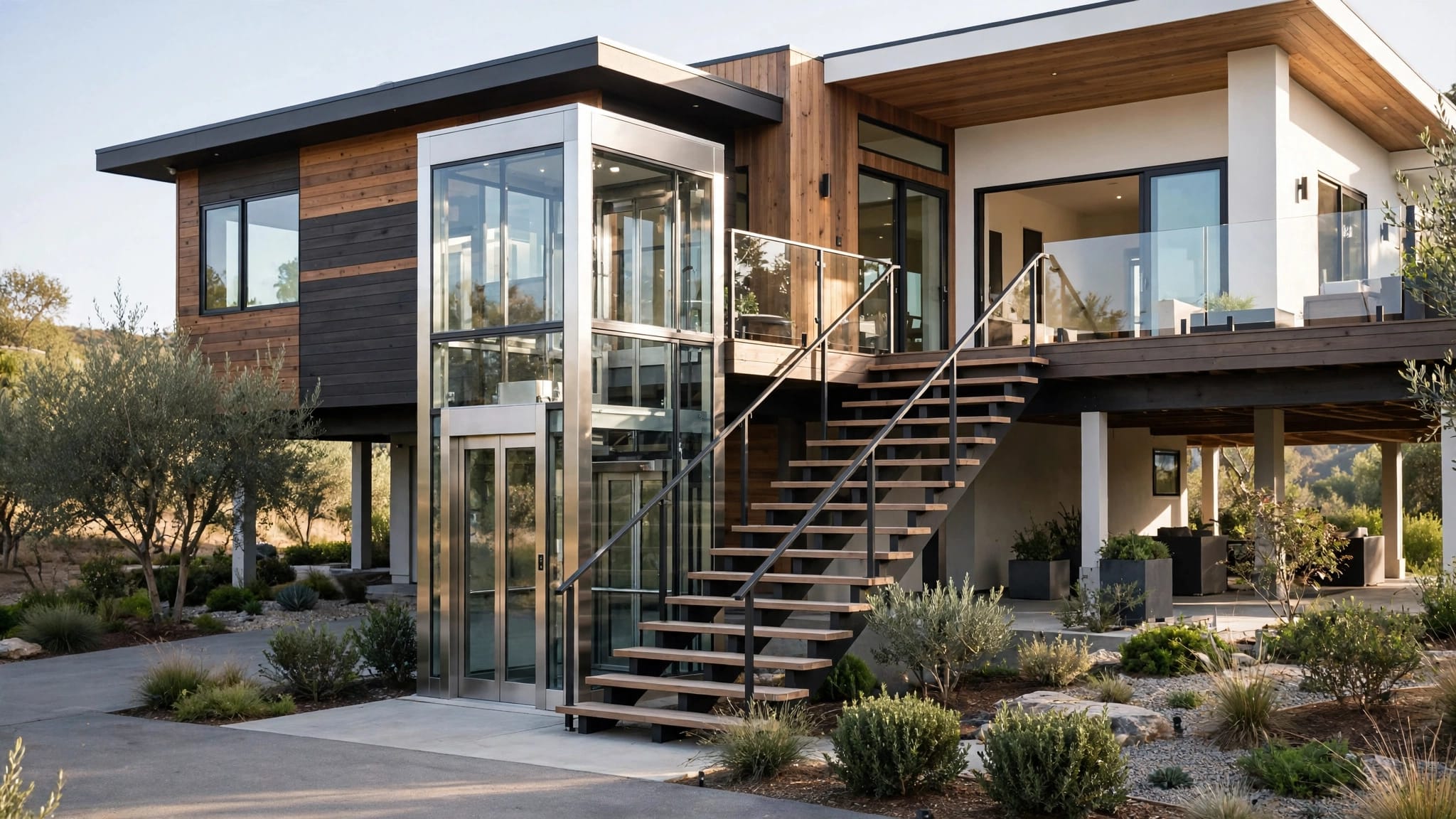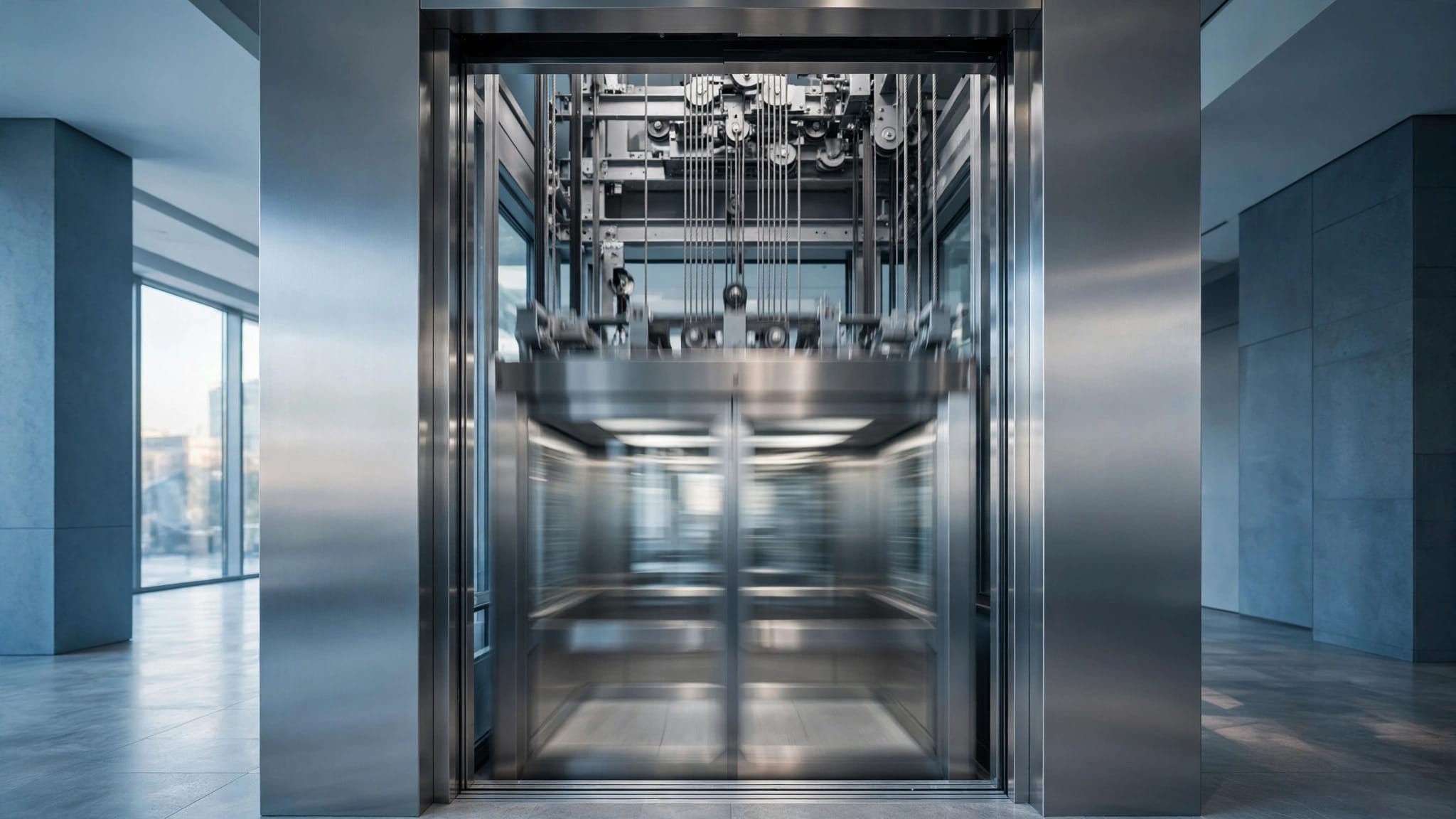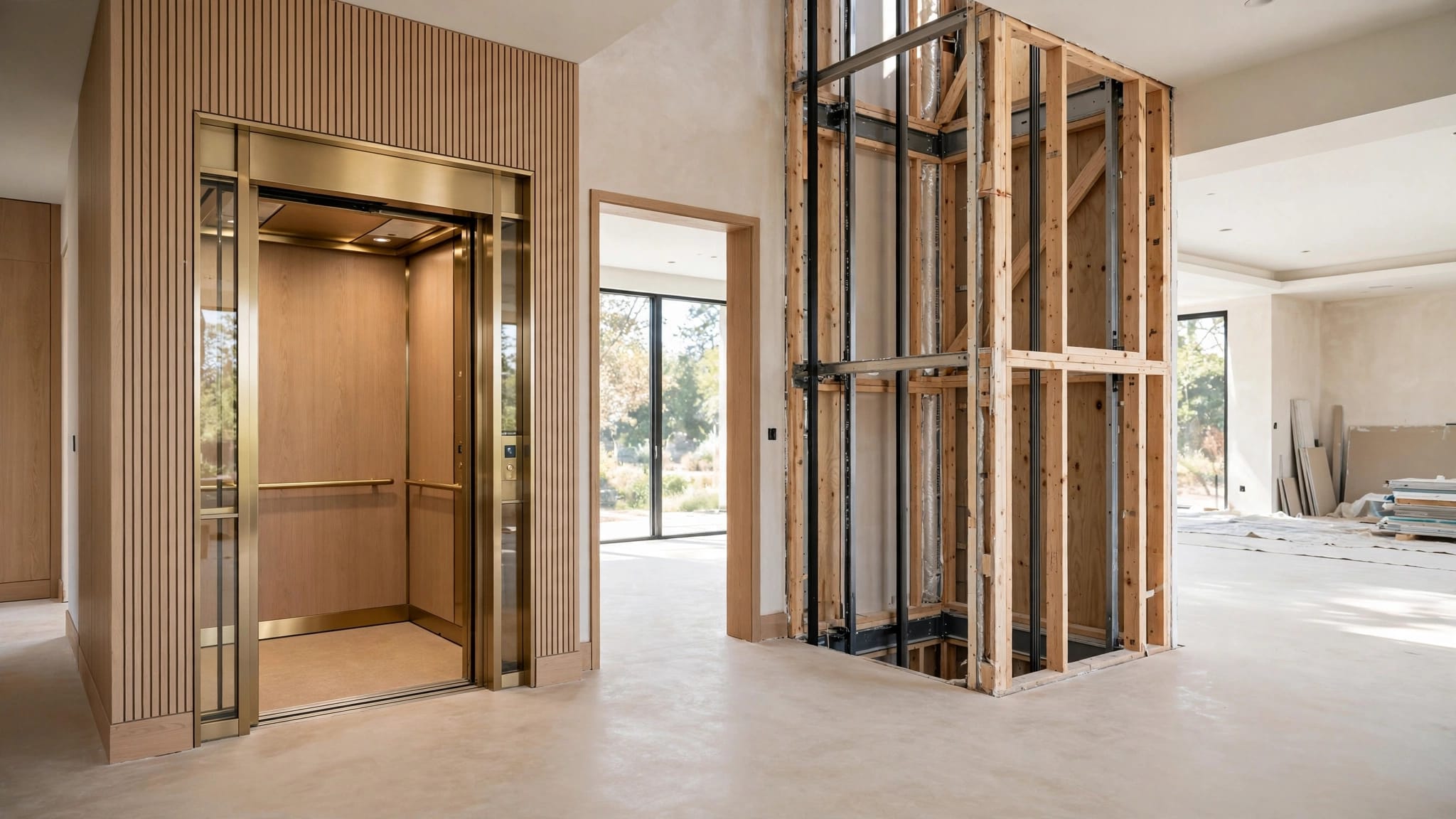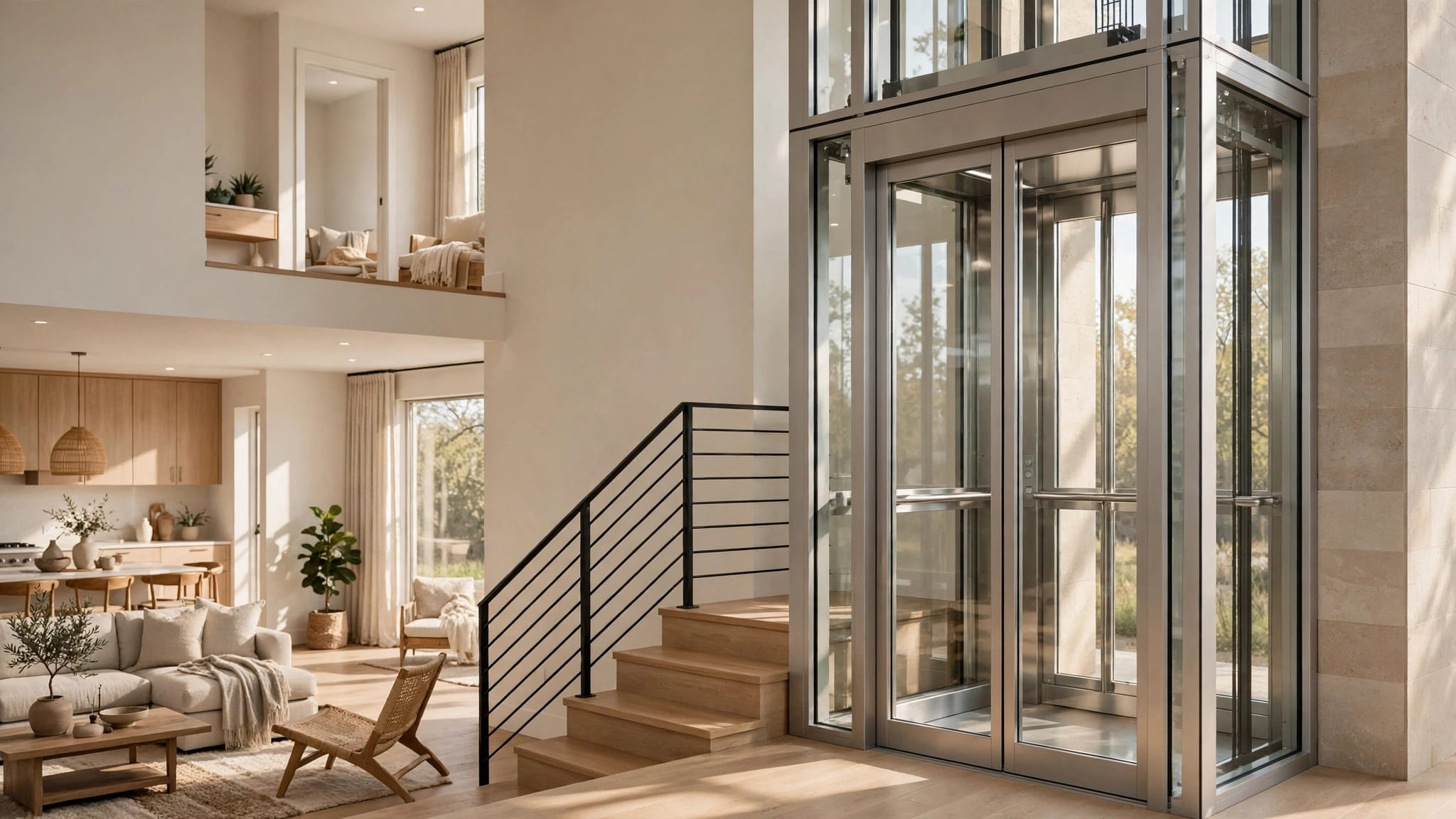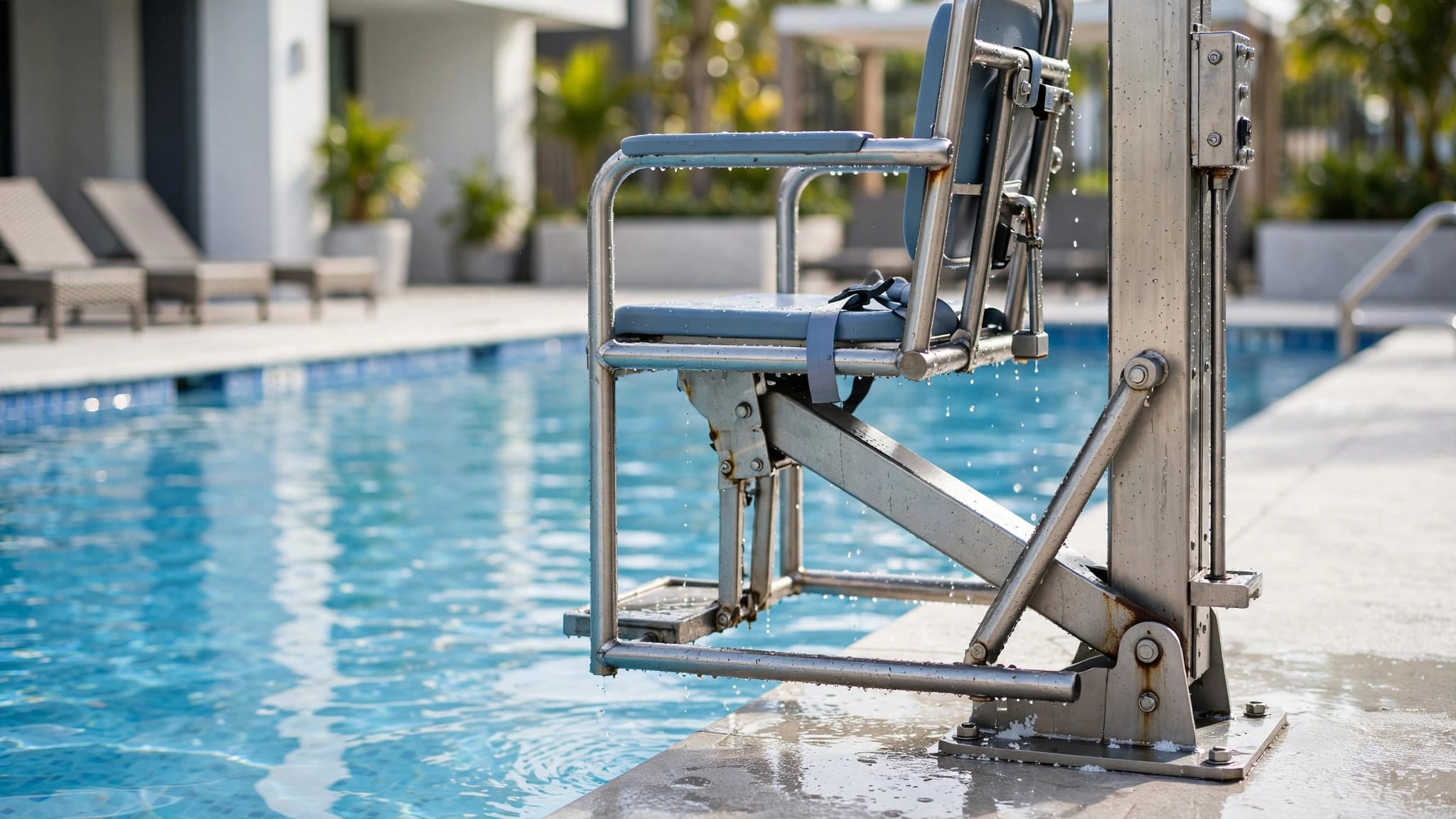
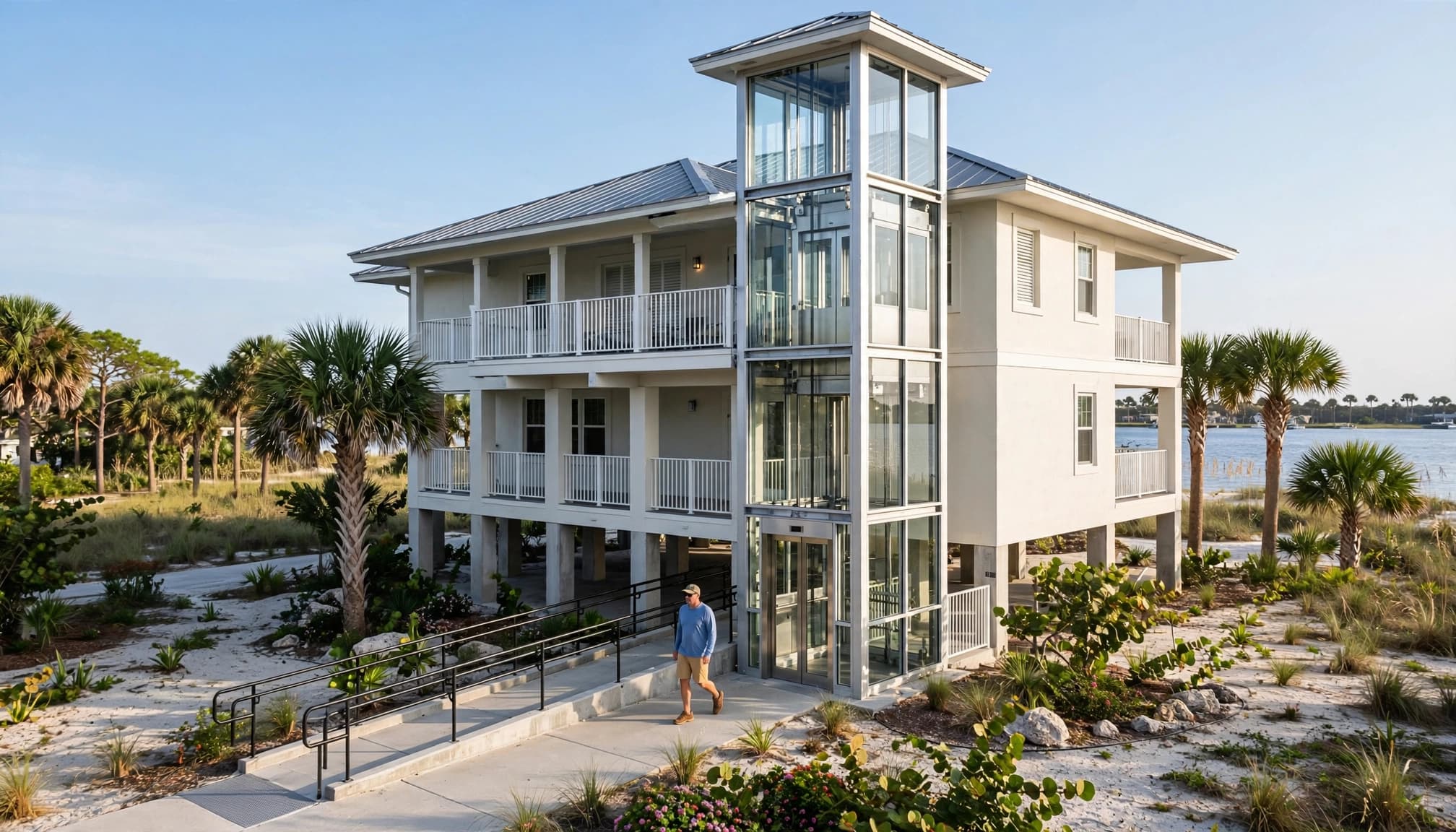
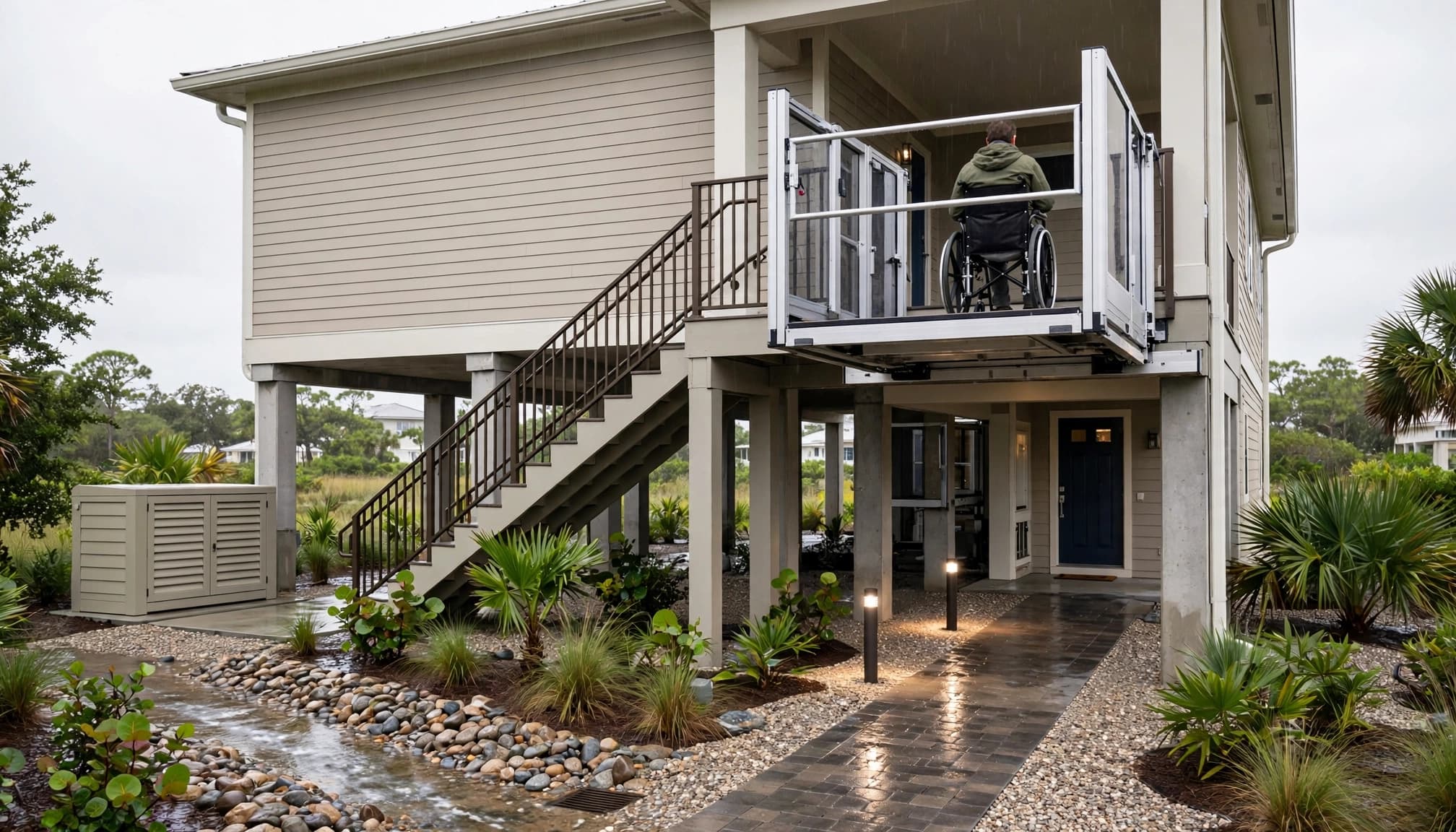

A raised coastal home can stay comfortable for decades when every level remains easy to reach. Outdoor elevator planning gives homeowners a practical way to reduce stair use while protecting daily independence.
The right lift depends on far more than travel height. Your property's layout, future users, weather exposure, flood conditions, local rules, and the type of equipment all shape the decision. A good plan begins with how people will arrive, ride, exit, and stay safe during an outage or storm.
Key Takeaways
- Plan the route to the lift along with the lift itself. A safe elevator does little good if the driveway, walkway, or landing is difficult to reach.
- Match the equipment to its intended use. Cargo lifts move materials, while passenger elevators and vertical platform lifts support people under different requirements.
- Coastal equipment needs a plan for salt deposits, wind-driven rain, standing water, drainage, and storm preparation.
- Protected landings, non-slip surfaces, handrails, gates, lighting, and emergency communication support safer everyday use.
- Qualified local professionals should review the structure, electrical work, flood exposure, permits, and inspection requirements before installation.
Outdoor Elevator Planning Starts With Daily Life
A lift should solve the problems your household has now and remain useful as routines change. Start by mapping a normal week, not by choosing a model from a brochure.
Identify every rider and regular load
List the people who may use the lift, including homeowners, visiting relatives, caregivers, and guests. Consider whether someone may use a wheelchair, walker, cane, or portable oxygen equipment in the future.
Then list what travels between levels. Groceries, luggage, laundry, beach chairs, mobility equipment, and trash may need different platform space than a single rider. Frequency matters too. A lift used once a week has different demands than one used several times a day.
Plan for changing mobility without guessing
Aging in place means giving yourself choices before stairs become a daily barrier. A direct route from parking to the lift, then from the upper landing to the kitchen, bedroom, and main living area can make the home easier to use.
Keep a stair route available as well. Stairs may still be needed during a fire, severe weather event, maintenance visit, or equipment outage. Local professionals can help determine whether the home's layout supports a house-attached tower, a freestanding tower, or another approach.
Choose the Right Type of Outdoor Lift
The safest choice comes from the intended rider and load. A large platform does not mean a lift is approved for passengers.
Passenger elevators for regular person travel
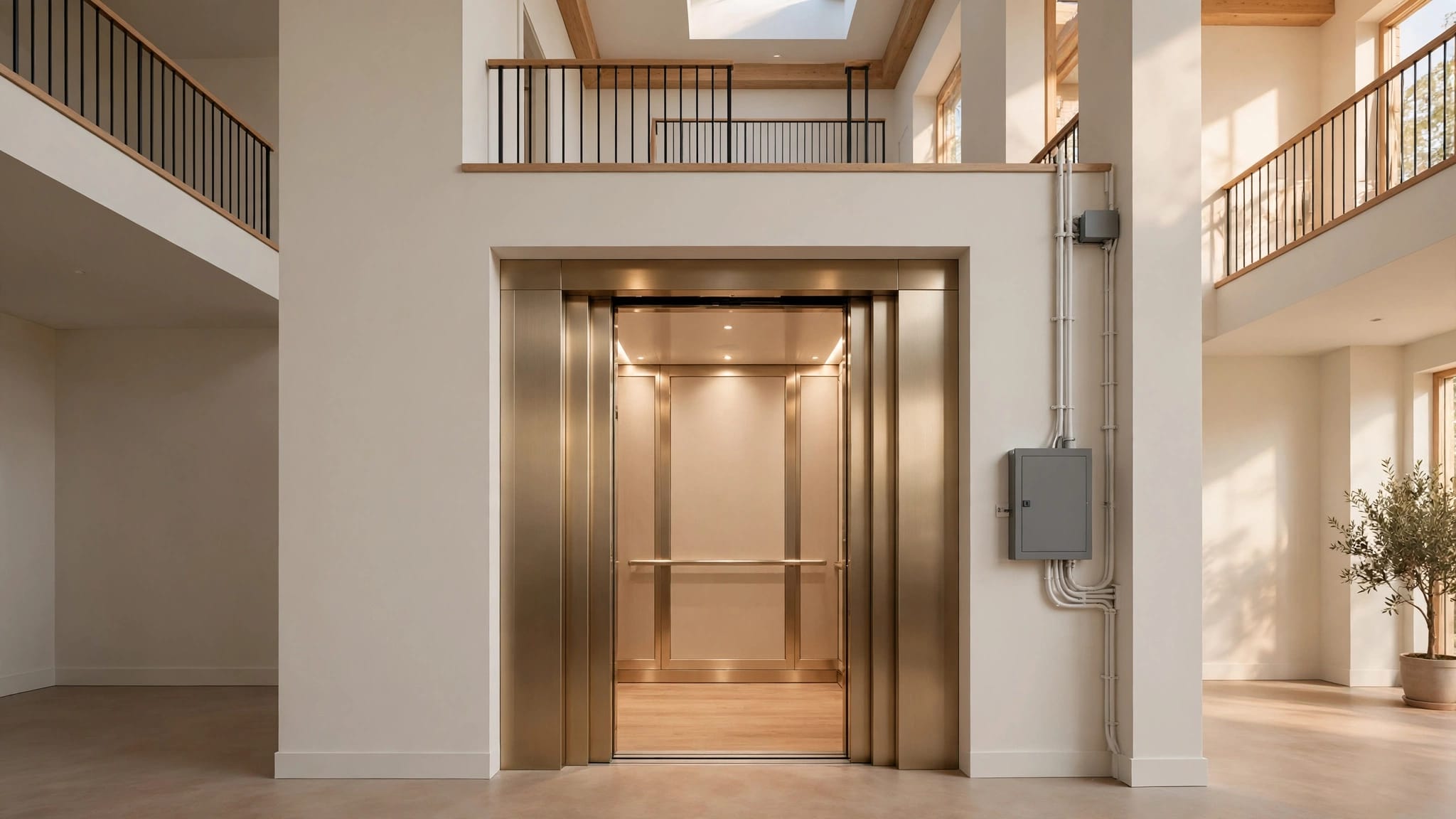
A passenger-compliant outdoor elevator may suit multistory homes where family members need dependable access between several levels. It can also make travel easier for guests, caregivers, and people carrying personal items.
Published specifications for the Veranda Vator Person Lift include a 750-pound capacity, a standard 46 by 47.75-inch platform, and travel at 16 feet per minute. An optional speed package is listed at 32 feet per minute. Those specifications are product details, not a substitute for a site review, code evaluation, or local approval.
VPLs and cargo lifts have different jobs
A vertical platform lift, often called a VPL, is designed to carry a wheelchair user or another mobility device over a vertical rise. Veranda Vator's FAQ states that its VPLs are limited to 14 feet of upward travel, so confirm the available travel for the exact product under consideration.
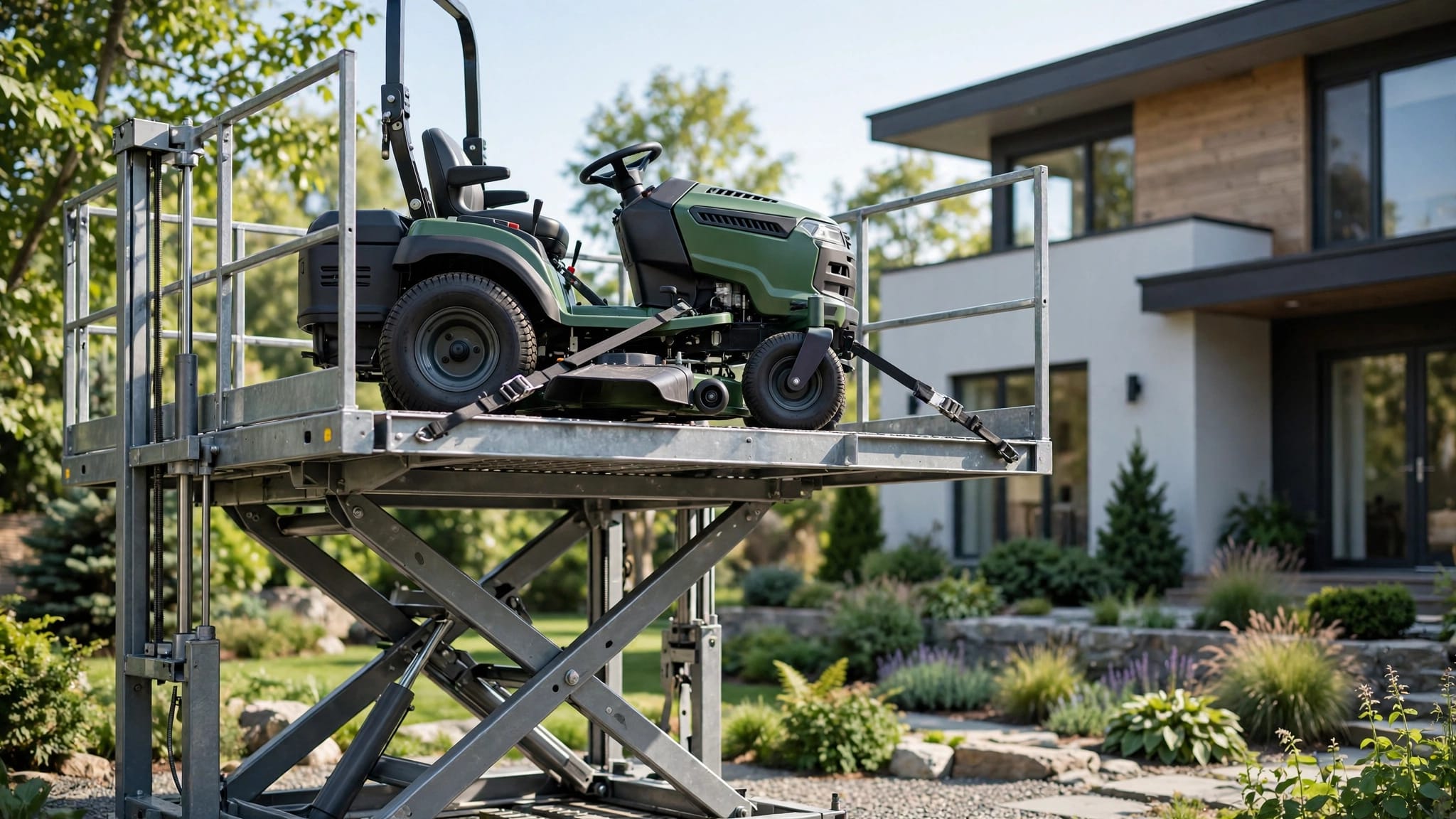
A cargo lift moves materials such as groceries, boxes, tools, and beach gear. Nobody should ride a cargo lift unless its manufacturer has designed and approved it for passenger use. Review the cargo lift vs. passenger elevator for elevated homes before treating a material lift as an accessibility solution.
| Lift type | Best fit | Main planning question |
|---|---|---|
| Passenger elevator | Regular travel between multiple stories | Can the structure, landings, doors, and electrical service support it? |
| Vertical platform lift | Wheelchair access over a shorter rise | Does the platform fit the rider, mobility device, and approach path? |
| Cargo lift | Groceries, luggage, and supplies | Is it strictly for materials, with no passenger use? |
The equipment classification should follow the real use case, not the least expensive option.
Survey the Site Before Ordering Equipment
A coastal lift project begins on the ground. Measurements, access paths, structure, and water movement should be reviewed before final equipment selection.
Follow the full route from parking to every stop
Walk from the driveway, garage, or street parking to each planned landing. Look for uneven pavers, loose shell, sand buildup, narrow turns, low lighting, and drainage swales that could become difficult after rain.
A wheelchair or rolling cart needs enough turning room at the lower and upper landings. Doors and gates must open without blocking a stair edge or narrowing the route. An outdoor elevator site survey checklist can help organize the information your installer, builder, and designer need.
Review support, location, and vertical travel
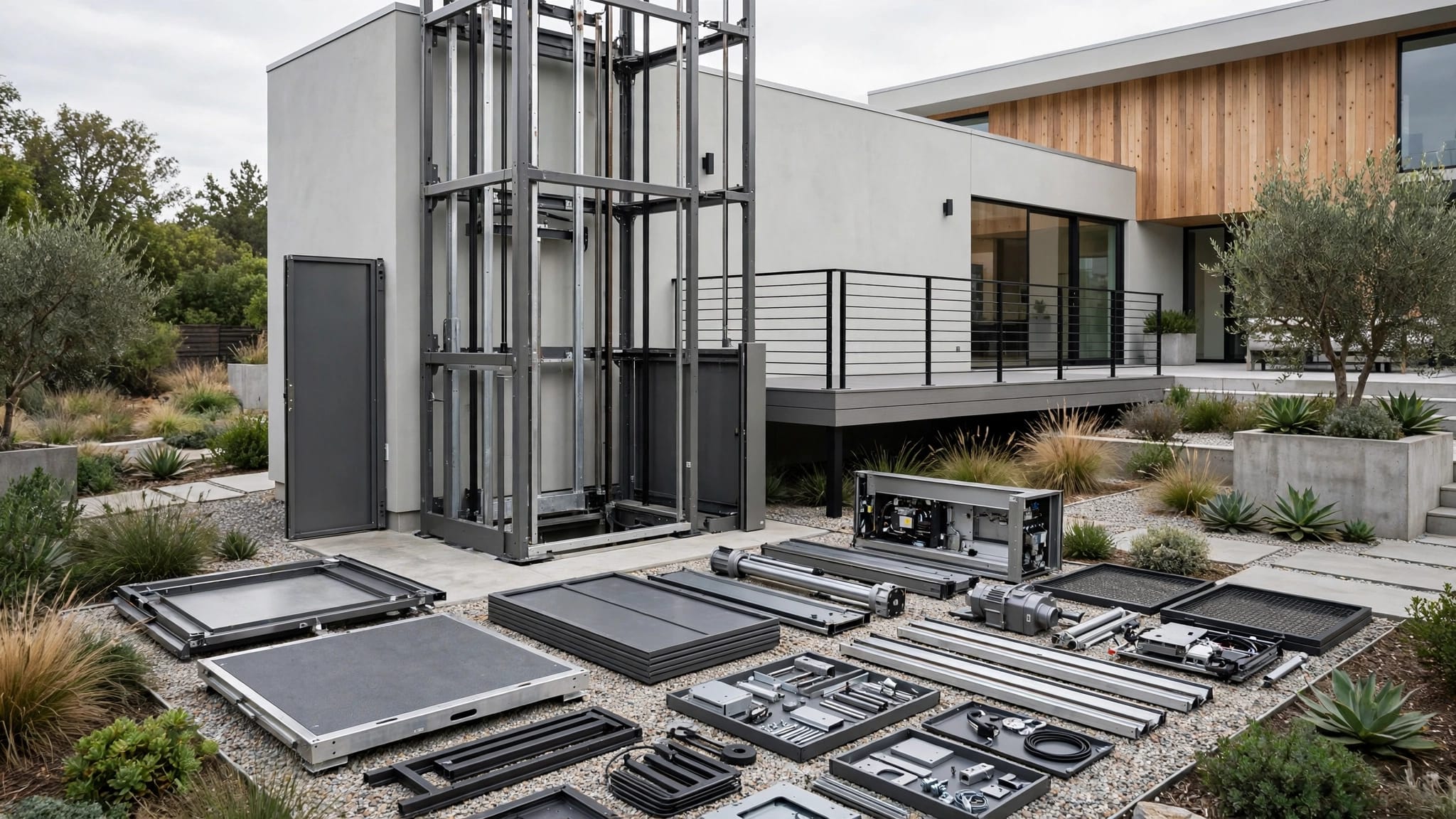
Measure the height between stops, but don't stop there. The project team must also inspect the attachment points, foundation conditions, landing framing, and the available area for gates and equipment.
A house-attached tower can reduce the distance to interior rooms. A freestanding tower may fit better when the existing structure cannot support the proposed attachment. A qualified structural professional should determine the support and anchoring approach for the actual home.
Design for Salt Air, Rain, and Wind
Coastal exposure changes how exterior equipment ages. Salt particles settle on metal, electrical enclosures, rails, gates, cables, and hardware, even at homes set back from the water.
Choose materials for the exact exposure
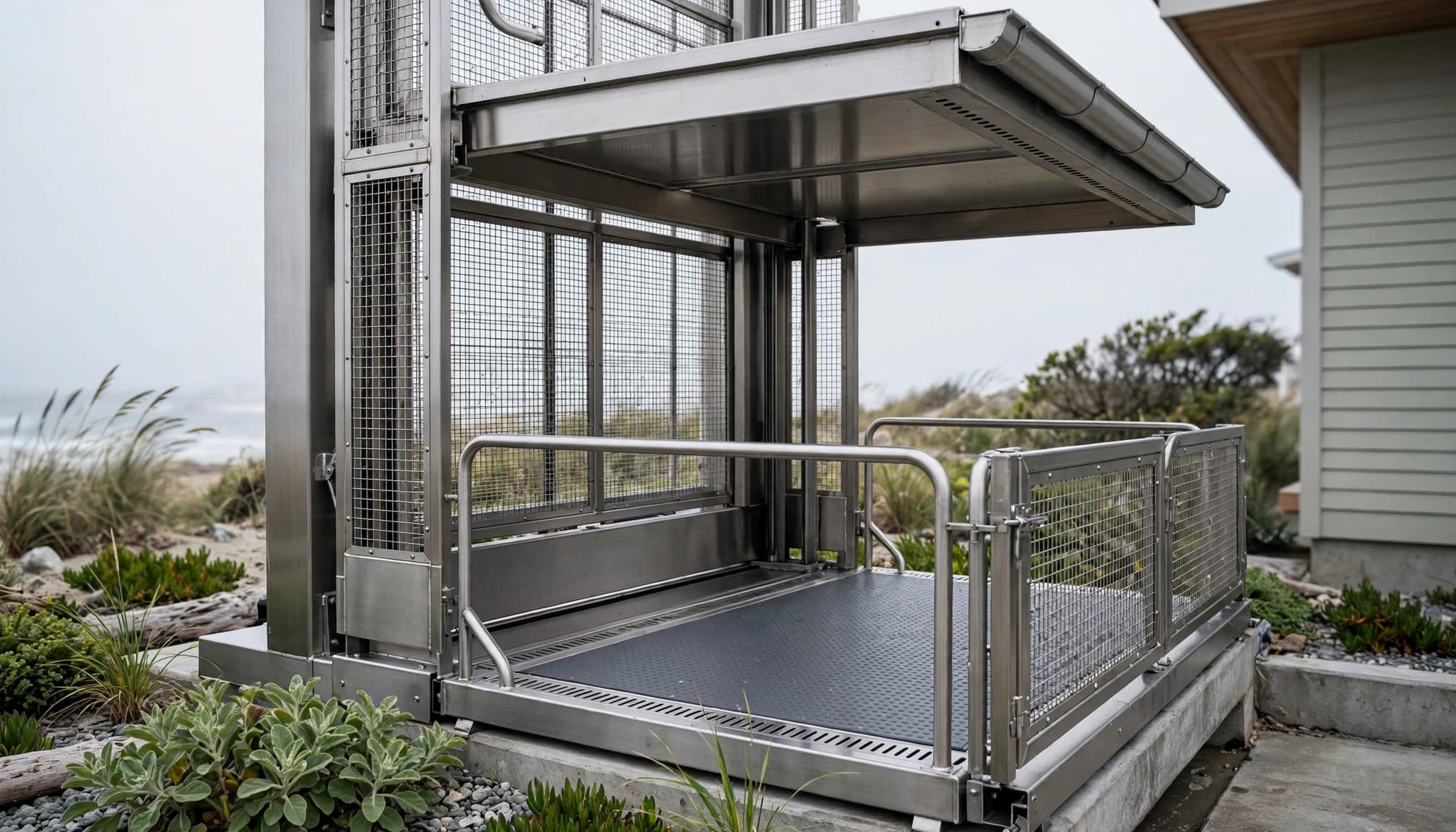
Aluminum often performs well near the ocean because it develops a protective oxide layer. Stainless steel can offer better resistance than ordinary carbon steel, although it can still corrode when salt remains on damp surfaces.
Ask which grades, coatings, fasteners, hinges, cables, and electrical enclosures the manufacturer recommends for the property's exposure. Published Veranda Vator Person Lift features include aluminum and stainless-steel construction, four quarter-inch stainless-steel aircraft cables, and a solid stainless-steel drive shaft. Local conditions still determine what maintenance the equipment will need.
Prepare for wind and storm debris
A covered location can reduce direct rain and spray, yet it does not eliminate humidity or wind-blown salt. Your plan should address how gates, panels, controls, and tower components will be protected when a tropical storm or hurricane approaches.
Ask the manufacturer how the lift should be parked, secured, disconnected, or protected before a storm. Avoid improvised covers that trap moisture or interfere with moving parts. Also discuss lift capacity early, because people, wheelchairs, coolers, and carts affect more than a stated weight rating. Use this guide to choose lift capacity for a beach home.
Keep Water Moving Away From the Lift
Standing water accelerates corrosion and can create a slip hazard. On coastal properties, drainage needs attention at the base, every landing, and the approach route.
Direct roof runoff away from doors and controls
Do not allow roof runoff to pour onto a landing, enclosure, threshold, or control location. Downspouts, gutters, grading, and surface drains should move water away without sending it toward the home's foundation.
Sand and leaves can block drainage channels after a storm. A design that looks dry on a sunny day may collect water during a heavy rain. Your installer and site contractor should identify where water travels during typical storms before construction starts.
Address flood exposure before installation
Floodwater can damage controls, wiring, drive components, and the structure that supports a lift. The right finished elevations, materials, electrical locations, and protection measures depend on the local flood conditions and the approved project design.
A lift that remains physically intact after flooding may still need professional inspection before anyone uses it again.
Do not assume any outdoor elevator is floodproof. Discuss flood elevation, washout risk, soil conditions, and recovery steps with qualified local professionals and the authority having jurisdiction.
Plan Electrical Service, Backup Power, and Rescue
Outdoor elevator planning should include normal power, loss of power, and the steps people follow if a rider cannot exit. Coastal humidity, driving rain, salt spray, and standing water make careful electrical design especially important.
Ask what happens during a power outage
Some lifts offer battery lowering or another limited backup feature. That may allow a controlled exit at a nearby landing, but it does not mean the lift can operate normally throughout a blackout.
If you want generator support, ask the manufacturer, electrician, and inspector whether the generator can carry the lift's starting and operating loads. Confirm the transfer sequence, equipment protection, permitted connection method, and what features will work on backup power.
Write down a household rescue plan
Every regular user should know the emergency phone numbers, the lift's location, and who to call for service. Keep access to the lift clear for responders and technicians, especially after a storm.
Do not use an elevator during fire or smoke conditions unless local emergency officials direct otherwise. The home needs a separate protected exit route. Discuss what happens if a gate is damaged, a rider is stranded between stops, or floodwater has reached the equipment.
Make Landings Safer in Wet Conditions
Most falls happen before entering or after leaving the lift. A safe landing is level, bright, dry, and easy to use with a mobility device or loaded cart.
Build traction into the walking surface
Choose a slip-resistant surface for each landing and the route leading to it. Smooth tile, painted decking, and algae-covered concrete can become dangerous after rain or morning humidity.
Continuous handrails support people who use stairs beside the lift. They should be easy to grasp and placed where they do not interfere with gates, door swings, or wheelchair turning space. Good lighting should cover steps, thresholds, controls, and changes in elevation without creating glare.
Protect open sides and gate areas
Landing protection needs to match the lift, platform, and local requirements. Gates should close securely, provide safe edge protection, and leave enough room for riders to enter and exit without stepping toward an open side.
Gate configuration matters for both safety and daily convenience. A swing gate needs clear space, while a poorly placed gate can conflict with a stair or narrow a landing. Review exterior elevator gate safety features when comparing options.
Confirm Codes, Permits, and Project Roles
Residential accessibility does not remove the need for local review. Requirements can differ by municipality, property type, lift classification, travel height, coastal zone, and whether the home is part of an HOA.
Know which standards may apply
The U.S. Access Board identifies ASME A17.1 for elevators and ASME A18.1 for platform lifts. ASME A18.1 covers platform lift design, installation, inspection, testing, maintenance, repair, structural support, and related safety topics.
Local jurisdictions decide what they have adopted and how they apply it. Ask your building department which edition, permits, drawings, inspections, and contractor credentials apply. Florida homeowners can begin with these outdoor elevator code requirements, then confirm details locally.
Coordinate the right people early
The manufacturer can explain product limits and required clearances. The installer can assess equipment placement. A qualified electrician can plan power and protective measures, while a structural professional can evaluate attachment and support.
Bring the builder, architect, contractor, and HOA into the discussion early when those parties are involved. This reduces late changes to framing, drainage, exterior finishes, and landings. Product suitability always depends on the property and local requirements.
Maintain the Lift for Coastal Service
No exterior lift material is maintenance-free. Salt and moisture can affect moving parts, fasteners, electrical connections, bearings, safety switches, and protective finishes.
Rinse and inspect exposed surfaces
Follow the manufacturer's cleaning instructions. Freshwater rinsing can help remove salt deposits from exposed surfaces, but avoid directing water into controls, electrical enclosures, or areas the manufacturer says to keep dry.
Watch for bubbling finishes, white deposits, red rust, sticking gates, unusual sounds, slow travel, damaged seals, or water that remains around the base. Report changes promptly instead of applying makeshift repairs.
Schedule professional service and storm checks
Use the manufacturer's recommended maintenance schedule and any inspection schedule required locally. A qualified technician should perform repairs, safety adjustments, and post-storm evaluations.
After major wind, flooding, or debris impact, keep the lift out of service until the appropriate professional has reviewed it. Even an apparently normal ride can hide damage to electrical components, controls, or safety systems.
FAQ About Outdoor Elevators for Aging in Place
Can a cargo lift carry a person?
Only if the manufacturer has designed and approved that exact lift for passenger use. A cargo lift may have enough physical room for a person, yet its classification, controls, gates, and safety systems can differ from passenger equipment.
Is an outdoor elevator a good choice for a coastal home?
It can be, particularly for elevated homes with limited indoor space or difficult stair access. However, the final choice depends on the home's structure, route to the lift, travel height, salt exposure, wind conditions, drainage, flood risk, and local approvals.
Does a backup generator make the elevator safe during an emergency?
A generator may support some operation when utility power fails, but its role depends on the lift model, electrical design, generator capacity, and approved operating plan. It does not replace a protected emergency exit route or authorize elevator use during fire or smoke conditions.
A Safer Path Through a Coastal Home
The strongest outdoor elevator plan begins with the everyday route, then matches the equipment to the people and loads that will use it. Salt-air protection, drainage, secure landings, emergency planning, and professional maintenance all deserve equal attention.
A lift can make an elevated home easier to live in for years, provided the property, equipment, and local requirements work together. Thoughtful planning turns accessibility into a dependable part of daily life.
Recent Posts