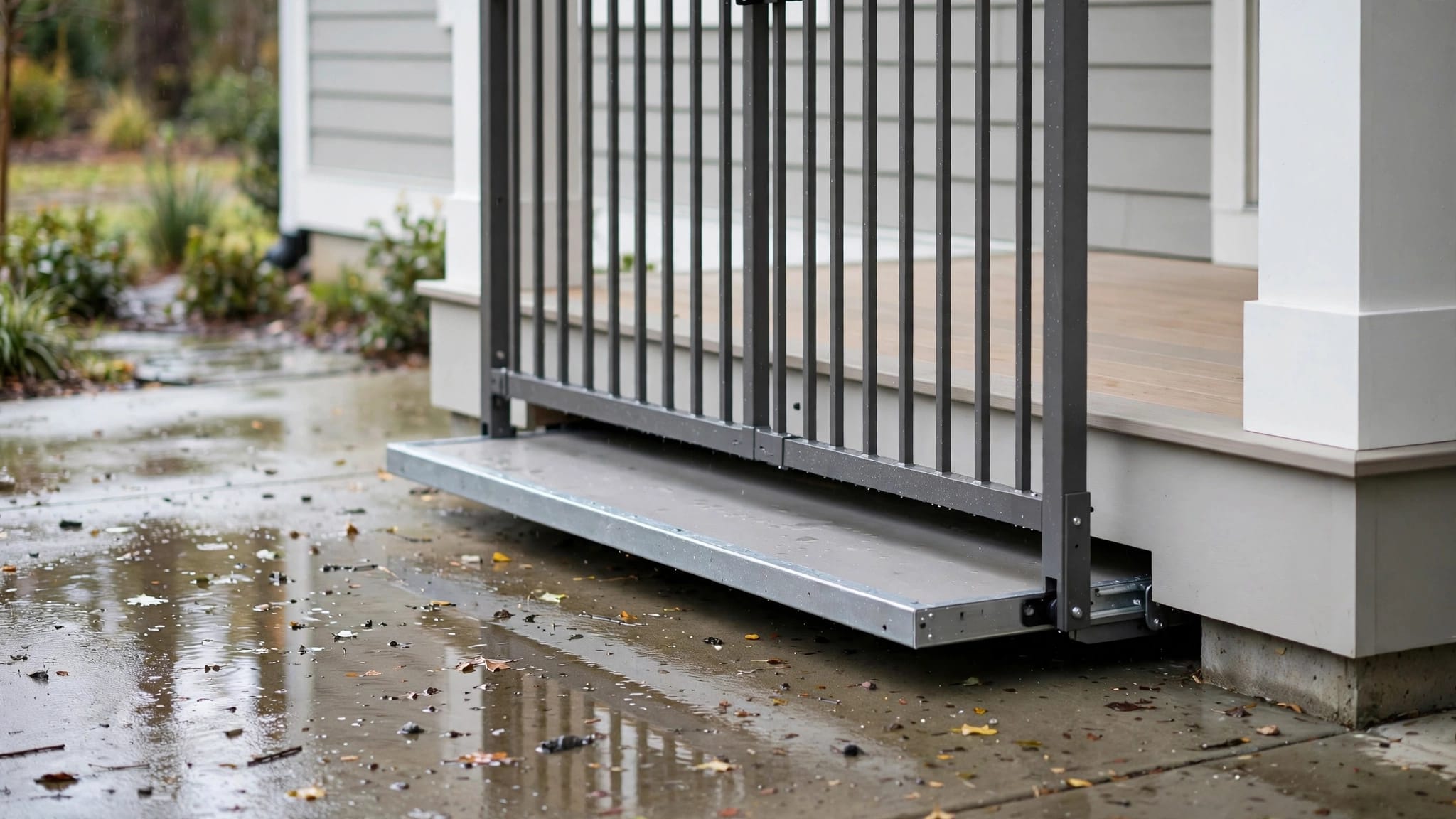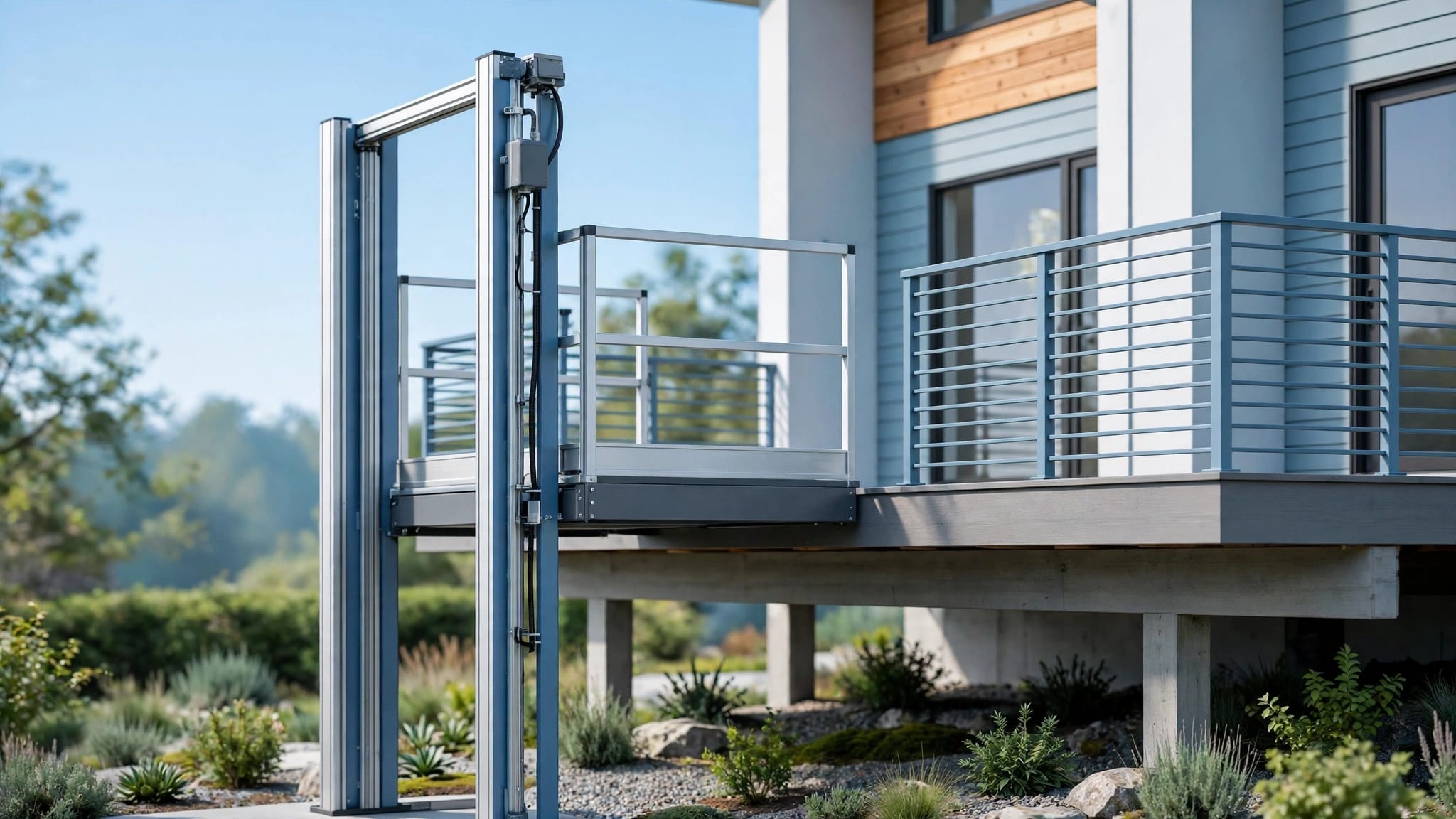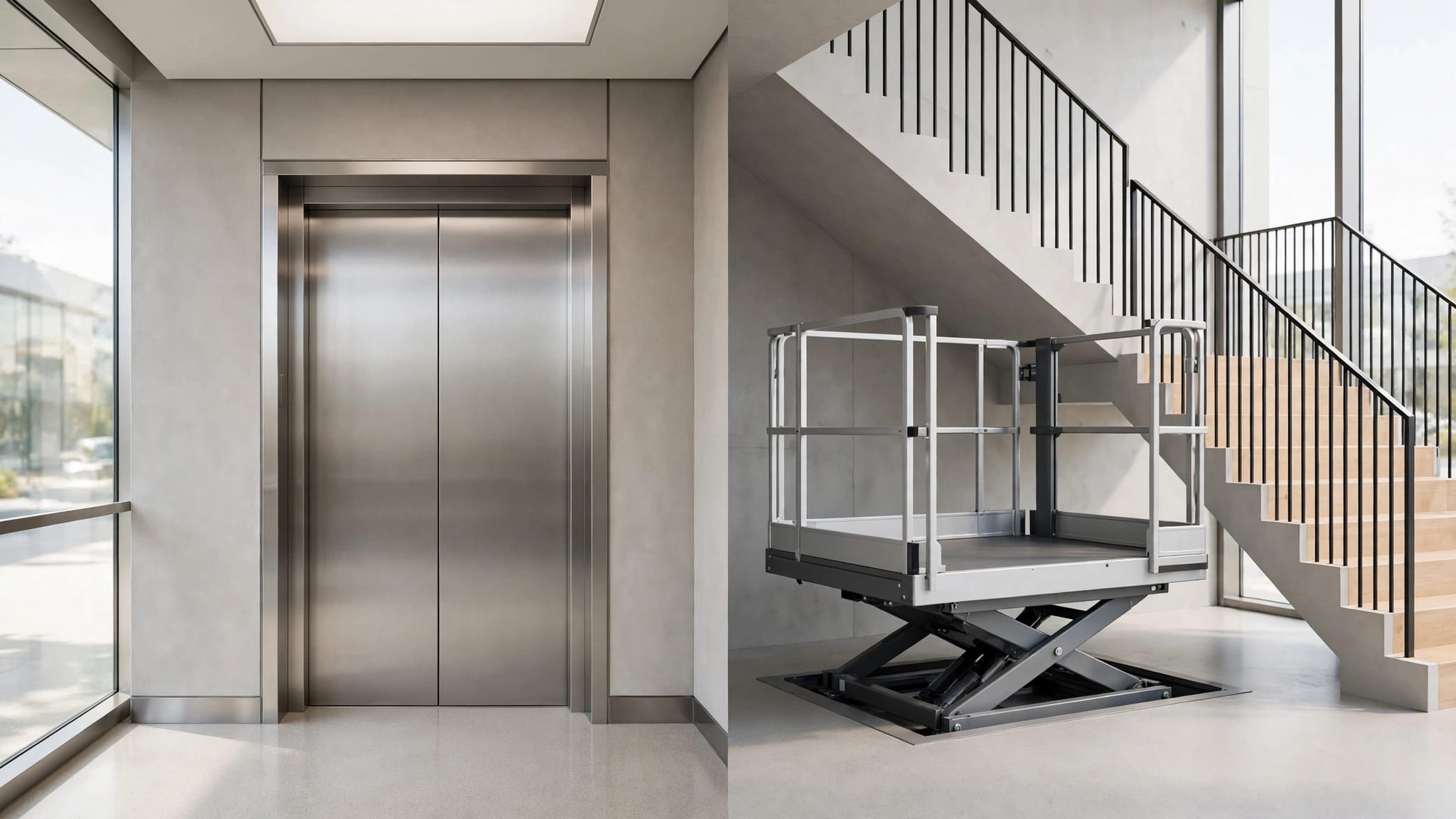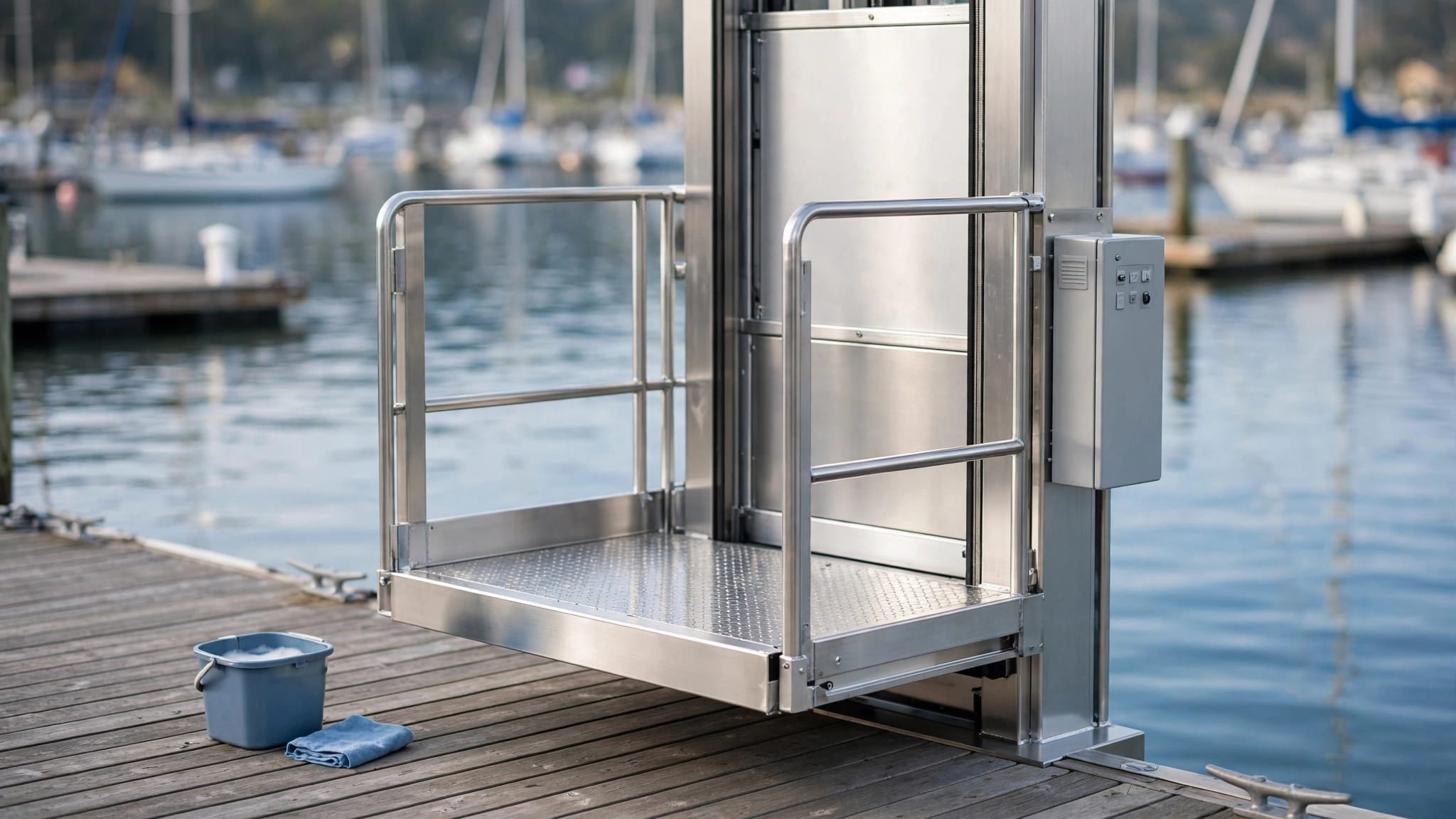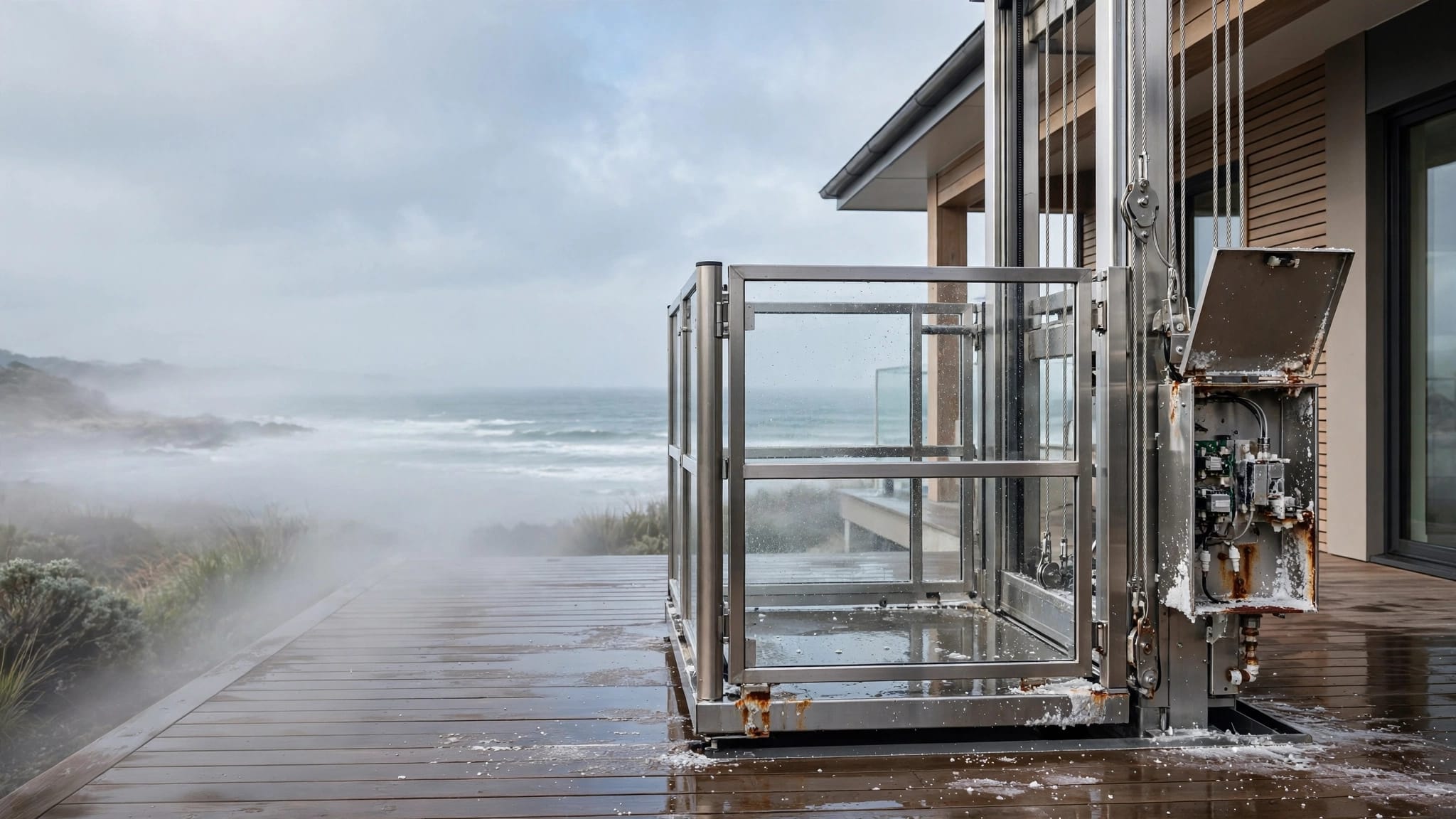
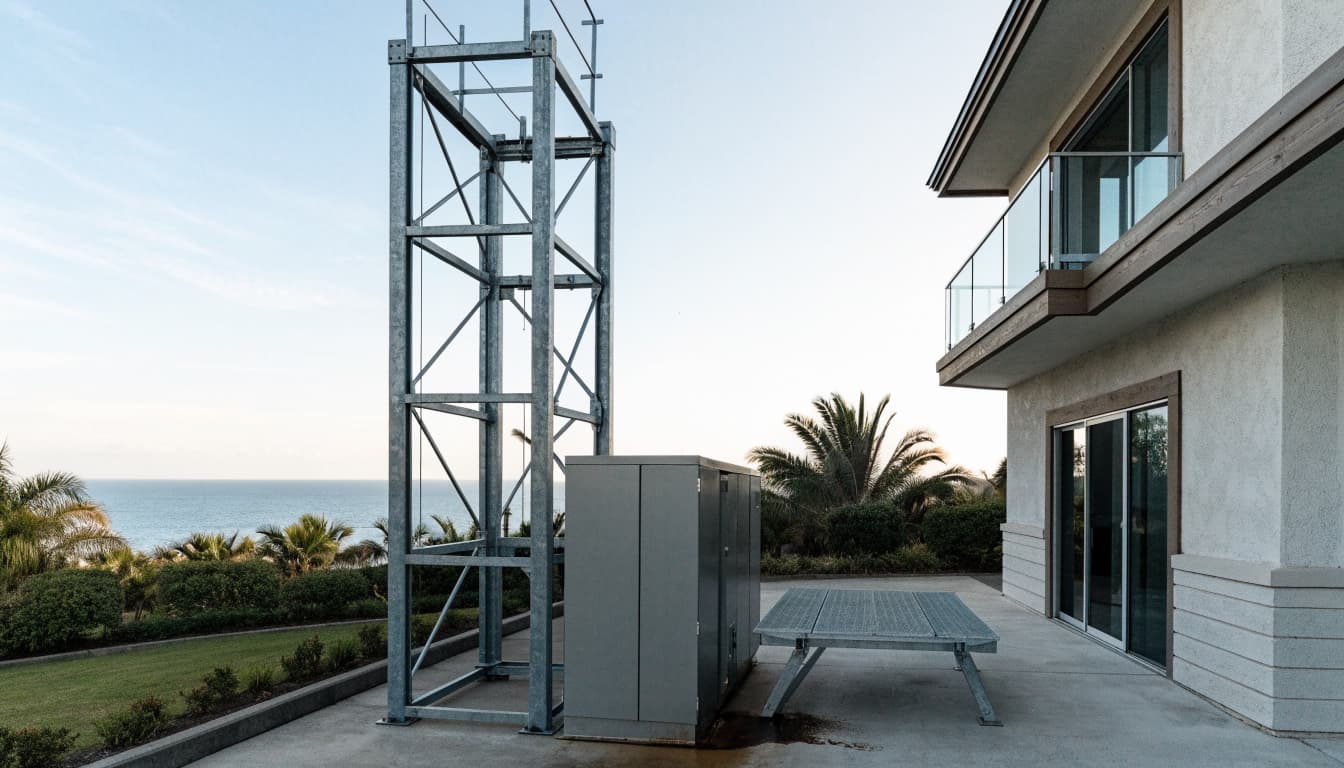
A wet patch beside your outdoor lift can make you wonder whether it's safe to use. If you suspect an outdoor elevator oil leak , stop using the equipment and keep people away until a qualified elevator technician evaluates it. A stain alone can't tell you what leaked or where it came from.
The safest response starts with what you can observe from a distance , without opening equipment or touching the liquid.
First, confirm what kind of lift you have
Hydraulic and electric lifts have different components
A hydraulic lift uses fluid pressure to move its lifting mechanism. Some systems pump fluid into an actuator that pushes the car upward, although the arrangement depends on the equipment. An electric lift may have no hydraulic lifting system at all. Veranda 'Vator's hydraulic lift system basics explain these differences alongside cargo lifts, passenger elevators, and vertical platform lifts.
If you don't know the drive type, check the owner's records when they're accessible away from the hazard. Give the technician the make and model if you have them. Don't open a cabinet or enter a machinery area to identify the system.
A stain isn't a leak diagnosis
A dark mark near the lift might be hydraulic fluid, but its appearance doesn't confirm that. Outdoor equipment also sits near rainwater, drainage paths, landscaping, and other building systems.
Treat a new or unexplained liquid as a reason to restrict access and request service. Leave identification, cleanup instructions, and any assessment of the lift's condition to qualified personnel. This matters even when the platform still moves: movement doesn't establish that the equipment is safe.
Warning signs of an outdoor elevator oil leak
Changes you can see from a safe location
Look for a new wet area or recurring stain near the lift base, an equipment enclosure, or an exposed hydraulic component. Liquid collecting on a landing or moving toward a drain also warrants prompt attention. None of these observations identifies the liquid or proves which part needs repair.
Don't step closer to compare its color or smell. Don't touch it, collect a sample, or move objects through it. A small amount on a walking surface can create a slip concern, while liquid near electrical equipment or standing water calls for extra distance.
Operating changes that deserve a separate report
A lift that stops short of a landing, travels unevenly, makes an unfamiliar sound, or shows a fault needs service attention too. Those changes don't prove an oil leak. Report them alongside the visible condition so the technician can assess both.
Avoid another trip to see whether the problem repeats. Repeated operation can expose riders or workers to an unresolved fault. If a display shows a code that you can photograph without approaching the hazard, include the image when you contact the service company.
Respond without approaching the equipment
Stop use and keep others clear
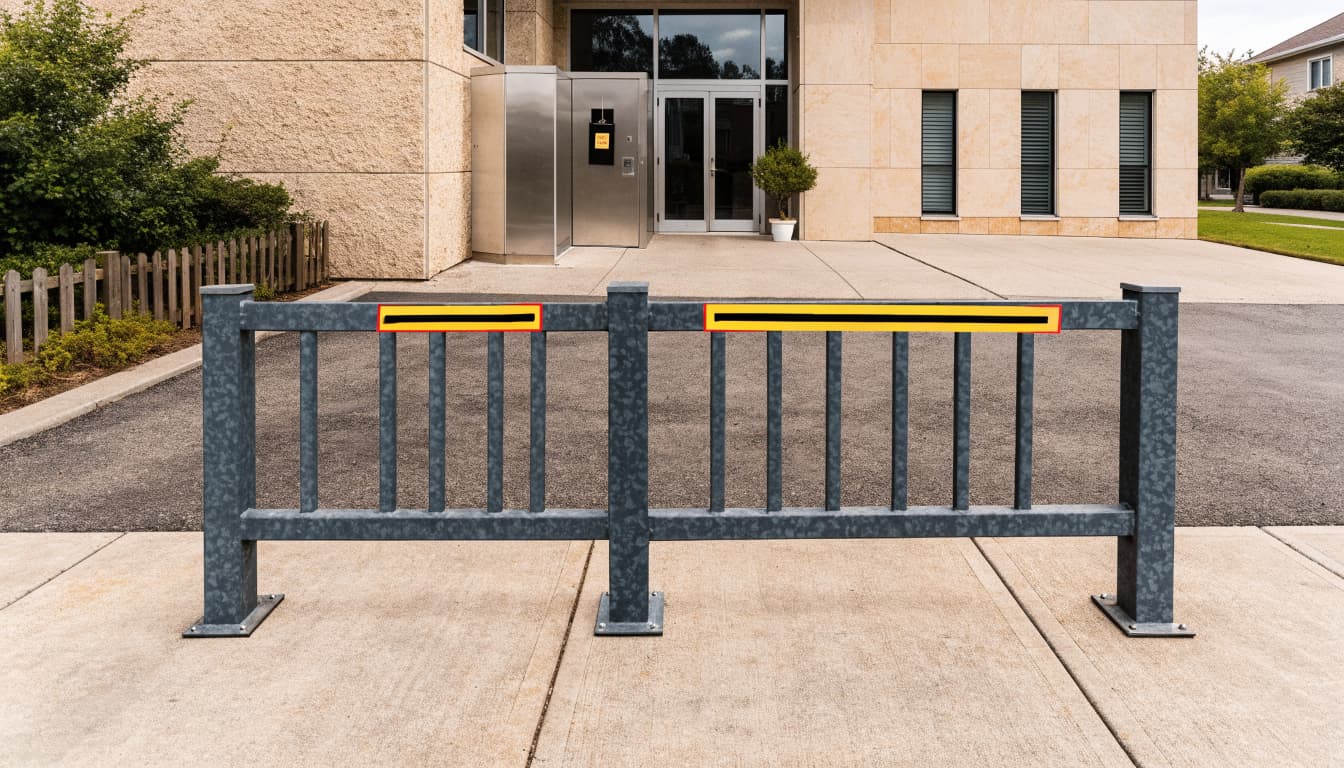
Tell household members, guests, or staff that the lift is out of service. Keep people away from the platform, gates, landing, equipment enclosure, and any affected pavement. If you can place a barrier without entering the affected area , do so. Otherwise, warn people from a safe position and follow your site's emergency procedures.
Don't press the controls, reset a fault, open a panel, or attempt to shut off equipment from an unsafe location. If liquid is near a drain, water, or electrical installation, tell the service provider promptly. Follow site procedures for notifying the property manager or other responsible contact as well.
Call qualified help
Contact a qualified elevator technician or the lift's designated service company. Explain that you suspect a fluid leak and describe only what you observed. If there is an immediate danger, such as fire, smoke, a person in distress, or a hazardous area you can't secure, follow site emergency procedures and call emergency services.
Don't try to absorb the liquid, tighten a fitting, add oil, or arrange an informal test ride. The repair and the decision to return the lift to service belong to qualified personnel.
If someone is inside the lift
An occupied lift changes the priority. Confirm the person's location and condition using the lift's emergency communication system or another safe way to speak with them. Then follow the posted entrapment procedure and contact the service company. Call emergency services if the person is injured, distressed, unable to communicate, or faces another immediate danger.
Keep other people clear of the landings and tell responders about the suspected liquid, nearby water, and any electrical concerns. Provide the property address, lift identification, and last known car position if you know them.
Never force doors, climb between landings, ask someone to move the car, or attempt a technical rescue. Even after the occupant is safely released, leave the lift out of service until a qualified technician assesses it and authorizes its use.
Give the service team useful observations
Describe the condition precisely
A short, factual report helps the technician prepare without asking you to investigate. Share where you first saw the liquid, when you noticed it, and whether the area appears to be growing. Mention any new sound, uneven stop, fault code, or interrupted trip.
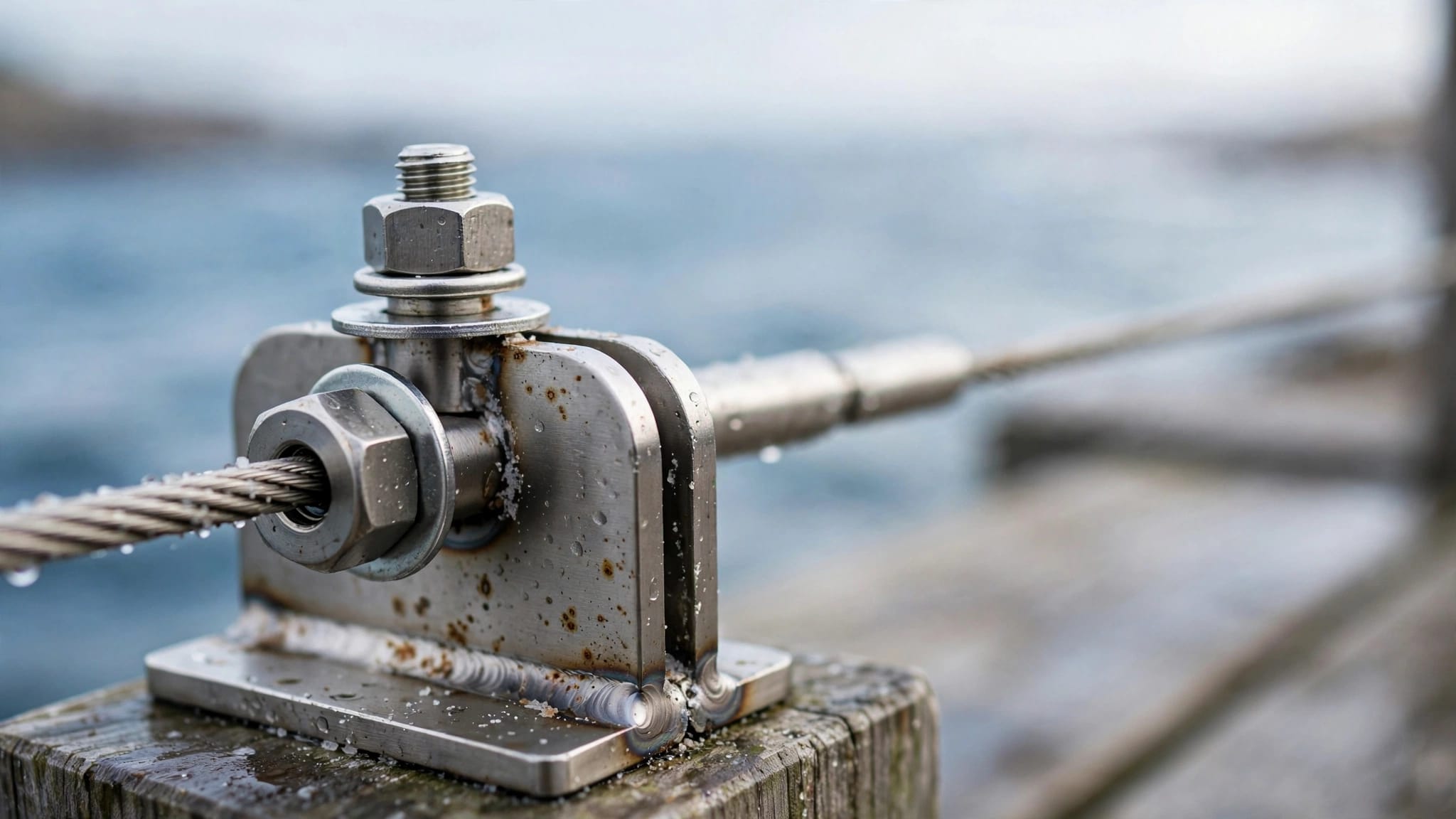
Also report recent rain, flooding, storm damage, power interruption, or construction near the lift. In coastal locations, moisture and salt exposure are relevant background, but they don't identify the cause of a stain. Take a photo only if you can do it without entering a hazardous area.
Identify the lift's intended use
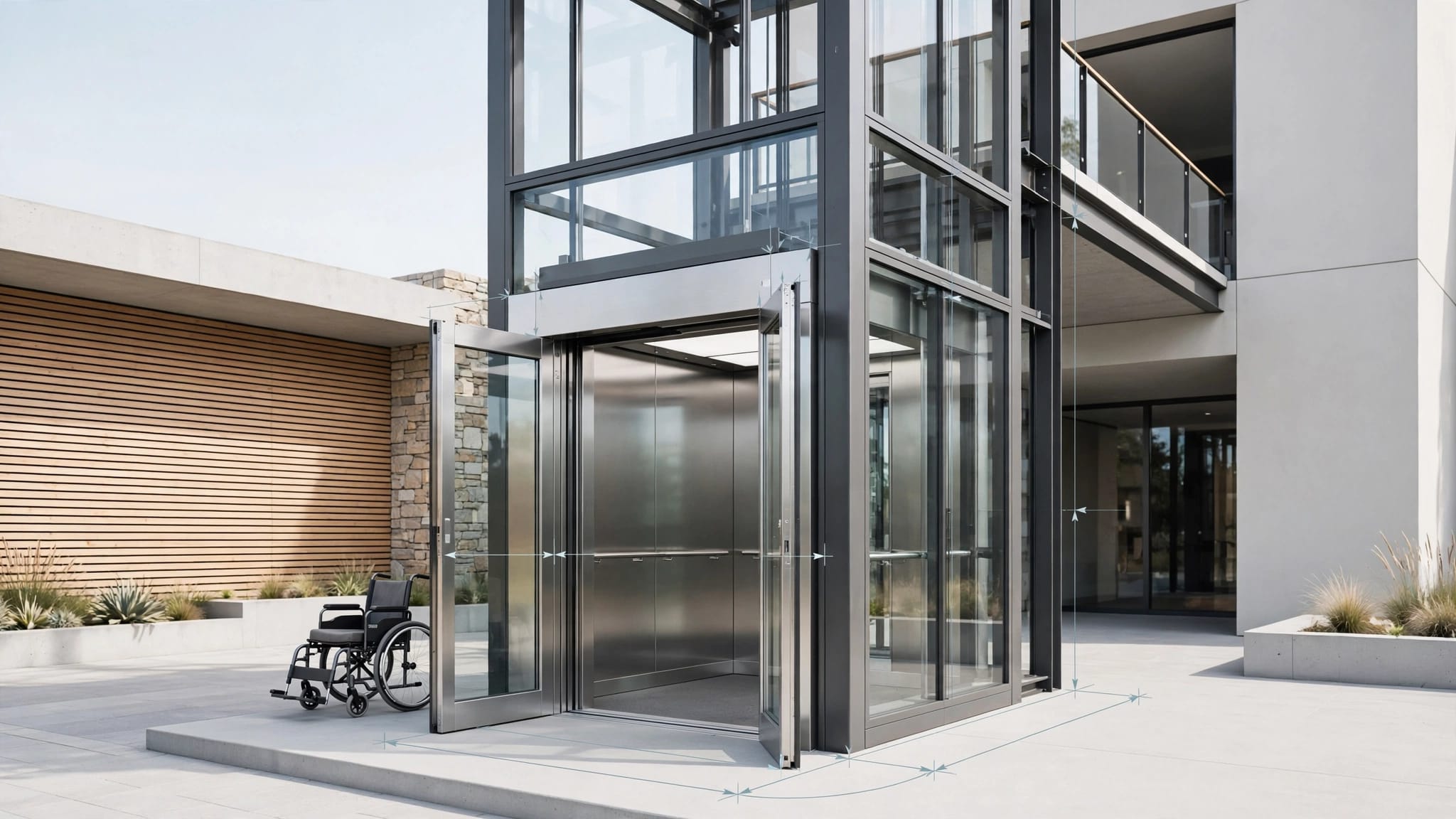
Tell the service company whether the equipment is a cargo lift, passenger elevator, or vertical platform lift. Cargo lifts move materials and aren't automatically approved to carry people. Passenger elevators and wheelchair-accessible platform lifts have different designs and service needs. The professional inspection guidance for outdoor lifts explains why the equipment category matters.
Keep the manual and past service reports available for the technician if they're stored somewhere safe. An earlier repair or recurring stain may help the service team establish a timeline.
Let the technician determine the cause
The visible liquid may be only part of the problem
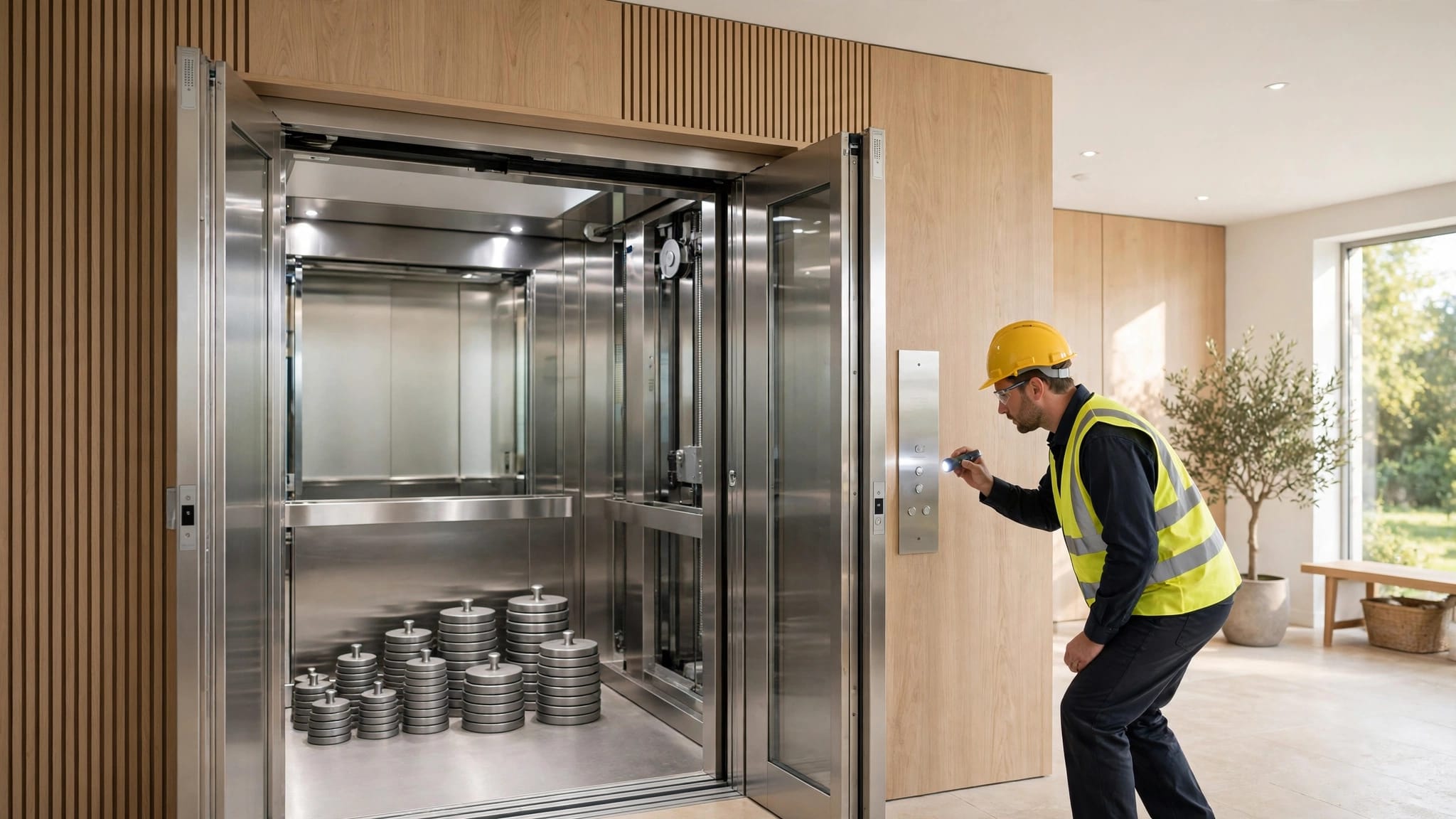
A qualified technician can identify the fluid, locate its source, and check the affected components. Depending on the lift's design and condition, that assessment may include hydraulic equipment, the travel path, protective devices, and areas exposed to weather. Water entry or corrosion can require attention alongside the suspected leak.
Hydraulic pressure, gravity, and elevated components can remain hazardous during service. That is why energy isolation and repair aren't owner tasks. Veranda 'Vator's outdoor elevator lockout-tagout procedures describe the hazards maintenance crews must account for.
Ask what must happen before use resumes
Request a written service report that identifies the finding, work completed, and any remaining concerns. Ask whether affected surfaces or collected water need handling by a suitable contractor. If liquid could reach a drain or the ground, ask the service provider and the appropriate local authority about containment and disposal.
Don't treat a cleaned stain or a successful trip as proof that the issue is resolved. Wait for the qualified technician's clearance before removing an out-of-service notice or allowing another ride.
Plan for outdoor exposure after the immediate issue
Keep drainage and access in view
Rain, heat, salt air, and storm debris place extra demands on outdoor lifts. Keep landing approaches clear and report damaged covers, seals, or drainage changes. Don't rinse suspected oil into a drain or pressure-wash equipment to remove a mark.
For coastal properties, the outdoor lift maintenance checklist offers a starting point for routine care. Follow the installed lift's manual for approved owner tasks and service timing.
Review the installation when problems recur
Repeated fluid concerns call for a discussion about equipment protection, drainage, and the service history. Ask the technician whether the pump location, enclosure, or exposure conditions need further review. Builders planning a new lift can also compare hydraulic and electric outdoor lifts with the property's conditions in mind.
An electric drive avoids a hydraulic lifting system's oil-leak concern, but it still needs protection and maintenance outdoors. The right choice depends on the lift's intended use and the site, not on a stain seen at another property.
Key Takeaways
- Stop using a lift when you notice unexplained liquid or unsafe operation. Keep people away and follow site emergency procedures.
- Observe and photograph conditions only from a safe location. Don't touch the liquid, open equipment, operate the lift, or attempt cleanup or repairs.
- Give a qualified elevator technician the lift details, occupant status, location of the liquid, and any recent weather or operating changes.
- Return the lift to service only after a qualified technician has evaluated the problem and cleared it for use.
FAQ
Can I use the lift if I see only a small spot?
Keep it out of service until a qualified technician evaluates the spot. Its size and appearance don't establish what the liquid is or whether continued operation is safe. Restrict access without stepping into the affected area.
Should I turn off the power to a leaking outdoor elevator?
Follow your site's emergency procedures, but don't approach a wet or hazardous disconnect. Don't open an electrical enclosure or improvise an isolation procedure. Tell the service company about any liquid near electrical equipment so qualified personnel can manage it safely.
Who should clean up the liquid?
Ask the elevator service provider how the material should be identified and handled. If it has reached water, a drain, or soil, the response may also involve an appropriate cleanup contractor or local authority. Don't touch it or wash it away.
Conclusion
A suspicious wet patch near an outdoor lift deserves a careful response, not a closer inspection by its owner. Keep people clear , report what you can see safely, and let a qualified elevator technician identify the cause.
The lift should stay out of service until that evaluation is complete and the technician clears it for use.
Recent Posts