
Cargo Lift Wind Safety: Protect Loads and Know When to Stop

Share this article

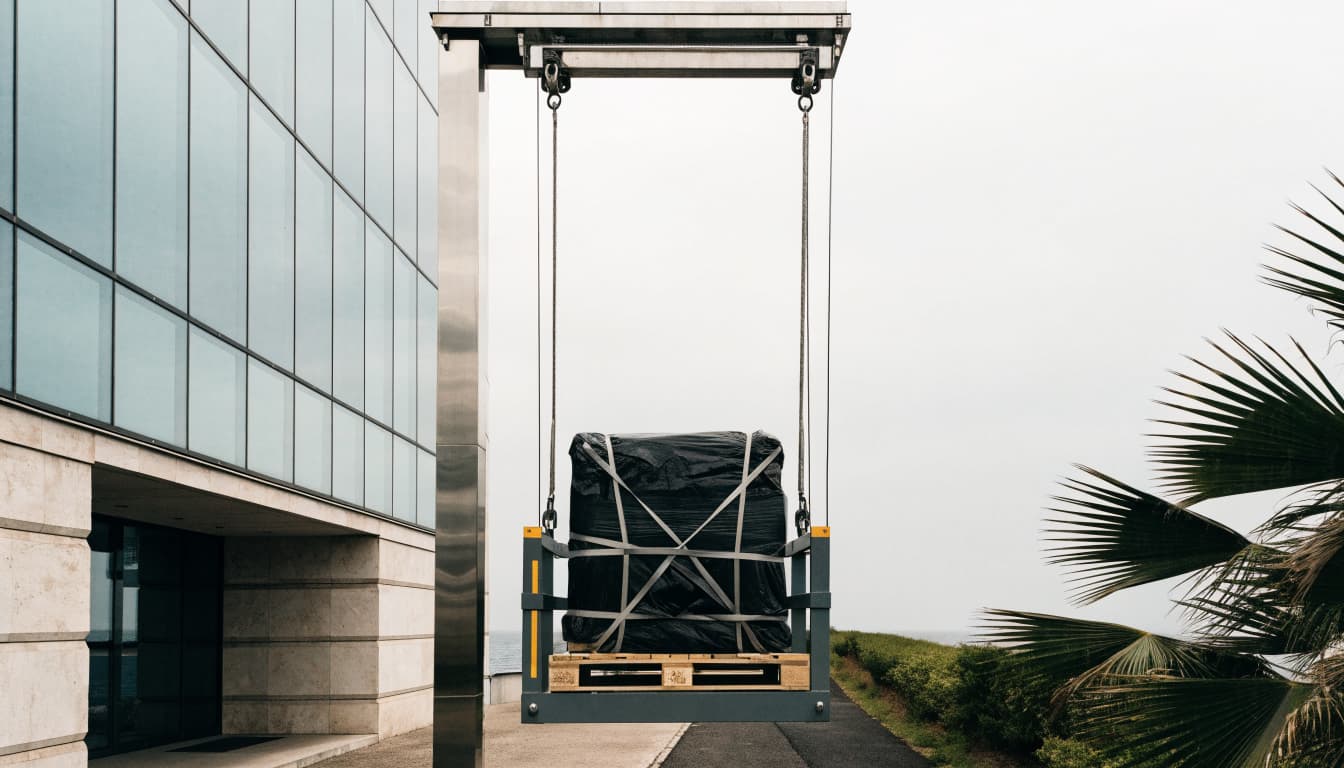
For cargo lift wind safety, start before the platform moves . A box that stays put on the ground can shift at an exposed landing. There’s no universal wind speed threshold, so assess whether the lift and load suit conditions at the site.

Wind restrictions vary by lift, installation, and load. A well-secured box doesn't make unsafe weather acceptable, and a lift's structural wind rating isn't approval to operate in current conditions. Start with the manufacturer instructions and a plan for changing conditions.

Cargo lift wind safety starts with the right limits

Identify what the equipment can carry

A cargo lift moves materials. An aerial lift, passenger-compliant elevator, or vertical platform lift (VPL) is designed for people and has different safety requirements. Never let someone ride a material-only platform, even to steady a load. Equipment designed for people may require fall protection, but that doesn't make riding a material-only lift acceptable.

This distinction matters when reading wind guidance. OSHA regulations for crane-suspended personnel platforms don't set a universal operating limit for an outdoor cargo lift. ANSI standards and CSA standards address the mobile elevating work platform (MEWP), not every fixed lift attached to a home or building. A scissor lift or boom lift rating doesn't establish operating limits for a fixed cargo lift. An indoor-only MEWP rating doesn't authorize outdoor use, so follow that machine's instructions.

Find the limits for your installation

Read the manual and equipment markings for rated capacity, permitted load dimensions, outdoor-use restrictions, and shutdown steps. Then check the site lift plan. If either leaves the operating limit unclear, ask the manufacturer or a qualified service provider before using the lift in wind.

Also separate operating conditions from structural design . A tower designed to resist severe wind while parked may have much stricter conditions for moving a loaded platform. Builders can use an outdoor lift site assessment to identify exposure and confirm the instructions for a proposed location.

Read the wind exposure where the lift travels

Check both landings and the full path

A ground-level loading area may feel sheltered while the upper landing faces open water or a gap beside the building. Wind direction and wind speed can differ between landings and along the platform path, so don't assume conditions at the lower control station reflect the full route. Before loading, check the path, gates, structures, and changing weather hazards, and identify power lines during site planning. Follow applicable electrical-clearance procedures.

Side winds deserve attention because they push against the load and platform. Wind from another direction can still move loose materials or interfere with a gate. Don't infer safety from how the air feels at the lower control station.

Account for the building and added surfaces

Nearby walls, corners, screens, and enclosures affect site exposure. A new panel may shield cargo in one position while adding wind pressure to the lift structure. Have a qualified designer review proposed additions rather than fastening them to the tower or platform.

For coastal properties, outdoor elevator wind-load design includes the tower, guides, gates, anchors, and building connections. A hurricane-rated building doesn't automatically establish that an added lift is suitable for the same exposure.

Secure cargo without creating a new hazard

Keep weight controlled and contained

Check the total load against the lift's rated capacity , including the cart or other loading equipment. Position heavy items low and near the platform center to improve cargo stabilization, following the manufacturer's loading directions. Lock cart wheels or otherwise prevent rolling.

Keep every item within the marked platform boundaries. A handle, strap, or box corner that projects into a mast, gate, or landing can snag during travel. Close and latch gates before movement, and keep people clear of the travel path.

Weight alone doesn't describe the wind risk. A tall, light box may catch more air than a compact, heavier package, and wind gusts can make it harder to control. If a load is awkward or can't be restrained as directed, split it into smaller trips or postpone the move.

Use approved restraints, not makeshift barriers

Secure loose pieces to approved anchor points with suitable restraints. Confirm that straps can't trail into rails, controls, or moving parts. Don't tie cargo to gates, cables, guide components, or building features unless the manufacturer expressly permits that arrangement.

Avoid carrying broad panels, signs, tarps, or other items that can act like sails in an exposed lift. Attaching a banner or screen to a platform also changes the surface that wind can push. Seek manufacturer approval and any required engineering review for an accessory; a tight strap doesn't cancel that added force.

Monitor conditions at the lift, not only on a forecast

Combine forecasts with site observations

Check the forecast before a shift or planned delivery, including wind gusts and approaching storms. At the site, watch for changes at the upper landing and along the lift path. A regional weather report can't show every condition beside a particular building.

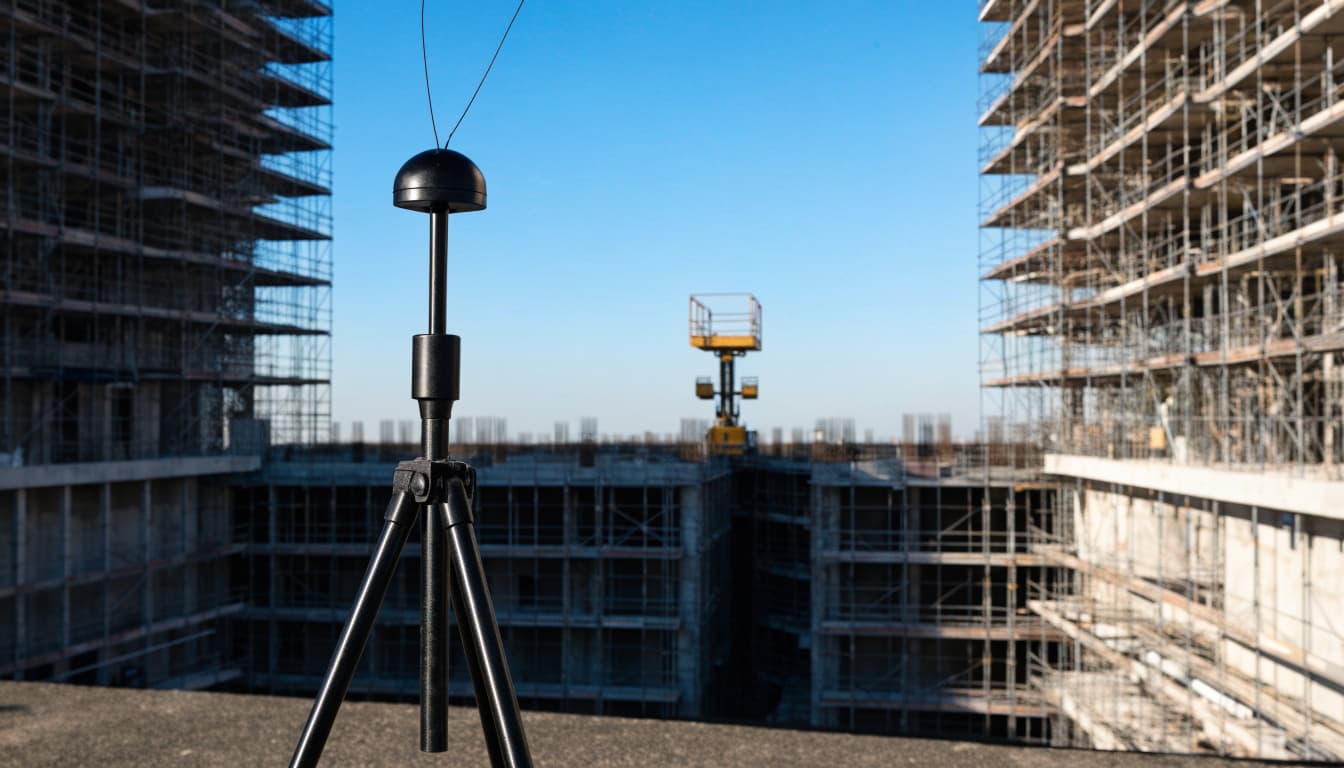
Where the lift plan calls for an anemometer, use a suitable instrument in an approved, representative location. If readings are needed near the exposed upper landing, arrange safe sensor placement. Never send someone onto a cargo platform to measure wind. Record wind speed readings and observations according to the site's procedure.

The Beaufort Wind Force Scale can help people describe visible wind effects. Moving branches or blowing debris are warning signs, but visual observations don't replace a required instrument or equipment-specific limit.

Make the stop decision early

Agree in advance who checks conditions, who can stop work, and who contacts the owner or supervisor. Operators should follow the wind restrictions in the manual and lift plan, using the stricter instruction if they differ. If poor visibility, flying debris, load movement, or other weather hazards make control uncertain, do not start another trip .

Cargo lift wind safety depends on the full situation, not one number. A shift in wind direction or a newly exposed load can make a previously routine trip unsafe. Reassess after each weather change rather than treating the morning check as approval for the day.

Respond safely when gusts rise during a trip

Stop movement using the approved procedure

If wind speed rises or wind gusts intensify, use the lift's controls and follow its manual and site emergency plan. Keep bystanders away from the platform, travel path, and landings. Don't reach into a moving lift, grab a shifting load, or enter the platform to hold it down.

A designated parking position may be part of the manufacturer's storm procedure. However, don't command another trip to reach it if movement is unsafe. Ask the manufacturer or qualified service provider how to secure an occupied platform path or stranded load without exposing people to further risk. For a material-only lift, "occupied" means it holds cargo, never passengers.

Control the area until the load is safe

If the platform stops away from a landing, block access at both ends. Notify the person responsible for the lift and follow the approved recovery procedure. Don't bypass an interlock, open a gate over an unprotected drop, or pull cargo through a gap.

Once conditions permit safe access under the approved procedure, remove and secure loose materials. Then check whether straps, packaging, or debris entered the rails or gate areas. Waterfront sites need particular attention because wind can deposit unsecured items in the cargo lift travel path.

A restrained load can still present a wind hazard if its size exposes the platform to forces the lift wasn't approved to handle.

Shut down before severe weather and inspect afterward

Leave the lift in its specified storm position

Don't store groceries, supplies, or tools on an outdoor platform while a storm approaches. Remove loose cargo when it's safe, clear nearby objects that could enter the lift path, and follow the manufacturer instructions for parking, securing, and shutting down the equipment. Power isolation may be required, but use only the specified method.

Record who completed the shutdown and where the instructions are kept. For coastal sites, a written outdoor lift storm-preparation plan helps owners and staff avoid improvising when conditions worsen.

Treat damage and abnormal movement as service issues

After high winds, check from a safe position for debris, damaged gates, loose hardware, bent components, and water near electrical equipment. Don't restart the lift after impact, flooding, electrical trouble, or visible wind damage.

A new scraping sound, jerky movement, or gate that won't latch also calls for service. Leave the equipment out of use and arrange an inspection by a qualified technician. An empty platform running normally doesn't prove the lift is ready for a loaded trip.

Build wind decisions into everyday operation

A homeowner may use a cargo lift occasionally, while a commercial loading area may run it throughout the day. Provide safety training on the actual installed equipment, including its capacity, gate sequence, normal controls, emergency stop, and shutdown instructions. This supports worksite safety by ensuring users know when to stop work and how to report a fault. Repeat the briefing when procedures or operators change.

Employers should identify the rules that apply to their equipment and workplace. Training for an aerial lift or MEWP doesn't replace task-specific instruction on a fixed cargo lift.

Keep the manual and service contact accessible. Review the plan after changes to the building, enclosure, or loading routine. A new screen, larger delivery item, or relocated loading area may call for another manufacturer or engineering review before operations resume.

Key takeaways

  • Follow the installed lift's manual and site plan; don't apply a wind limit from another type of equipment.
  • Keep loads centered, within capacity, fully contained, and restrained at approved points.
  • Watch conditions at exposed landings as well as ground level, and stop when safe control is uncertain.
  • Use the approved shutdown procedure before storms and seek qualified inspection after suspected damage.

Common questions about cargo lifts and wind

Is there one OSHA wind-speed limit for every cargo lift?

No. Requirements depend on the equipment and work. A wind speed rule for a crane-suspended personnel platform or a MEWP isn't the operating limit for every fixed material-only lift. Follow the manufacturer's instructions, applicable rules, and the site plan. If they don't establish safe conditions for the job, don't proceed until you get qualified guidance.

Can an outdoor wind rating make a load safe to move in gusts?

No. A wind rating may describe a specific equipment configuration or structural design condition. It doesn't approve every load shape or operating condition. The platform's capacity, load dimensions, approved restraints, and current site conditions still govern the decision.

Should you lower the platform when the wind picks up?

Follow the manufacturer's emergency and storm instructions. Lowering or parking may be appropriate under those instructions, but starting another trip during unsafe conditions can increase risk. Keep people clear and seek qualified help if the platform or load can't be secured safely.

Keep the decision ahead of the wind

The box that seemed stable at ground level may face different conditions at the upper landing. Safe load control starts with the right lift limits, a contained load, and attention to changing weather.

When those conditions no longer support a safe trip, stop. Protecting the cargo also means knowing when it should stay where it is.

Recent Posts

By Veranda 'Vator • September 26, 2026
A platform that stops a little above the porch can turn an ordinary delivery or wheelchair trip into a fall hazard. Outdoor elevator leveling problems deserve attention even when the lift still moves and its gates appear to work. You can check the landing and surrounding area...
By Veranda 'Vator • September 25, 2026
An outdoor lift that travels past its intended stopping point can leave a passenger at an unsafe landing or put the equipment against the end of its travel path. Endpoint protection helps prevent that overrun. Lift limit switches tell the control system when the car or platfor...
By Veranda 'Vator • September 24, 2026
A lift can look right for your building and still follow the wrong approval path. If you're comparing A17.1 vs A18.1 , the first question is what the equipment is designed to carry, not what a seller calls it. Passenger elevators, wheelchair platform lifts, and cargo lifts hav...
By Veranda 'Vator • September 23, 2026
Salt can settle on an outdoor lift long before you see rust. Before cleaning, check what kind of lift you own. A dock hoist and an outdoor cargo lift, passenger elevator, or vertical platform lift have different controls and safety components. The safest approach is finish-fir...
By Veranda 'Vator • September 22, 2026
A lift can fit a wheelchair and still be difficult to use. The difference often comes down to door clearance, landing space, turning room, and the chair's full operating footprint. When comparing elevator cab dimensions , start with the equipment type and the user's actual mov...

By Veranda 'Vator • September 21, 2026
A lift can change whether a tenant can safely reach a raised rental home, porch, or upper floor. However, the Fair Housing Act requirements for a lift depend on the person's disability-related need, the type of equipment, the property's structure, and applicable state and loca...
By Veranda 'Vator • September 20, 2026
A residential lift load test is more than placing weights on a platform and pressing a control. It checks whether the installed equipment performs safely under a controlled load, according to the manufacturer's instructions and the requirements adopted by the local authority....
By Veranda 'Vator • September 19, 2026
Salt air can damage an outdoor lift before you see obvious rust. For homeowners, coastal lift service contracts should address humidity, wind-driven rain, flooding, storms, corrosion, and the equipment's intended use. A low-cost plan may cover scheduled visits but exclude part...

By Veranda 'Vator • September 18, 2026
Salt air can damage stainless fasteners long before a lift shows obvious rust. Stainless hardware corrosion often begins as residue, staining, or pitting around a joint, then spreads where moisture remains trapped. Property owners and maintenance teams can catch early changes...
By Veranda 'Vator • September 17, 2026
A small commercial building may need reliable access between floors without the footprint of a full-size passenger elevator. LULA elevators can fit that gap, but only when the building, travel distance, accessibility needs, and local code path support the choice. A limited-use...
Show More