Outdoor Elevator Safety Policies for Beach Rentals

Share this article

An outdoor lift can make a raised beach house far easier to enjoy, but it can also create serious risk when guests mistake a cargo platform for a passenger elevator. Clear outdoor elevator safety rules protect guests, staff, and equipment before the first suitcase reaches the landing.

Rentals change hands often, and familiar habits disappear with each check-in. A short, visible policy gives families clear boundaries for riders, gates, loading, storms, and problems. Start with an equipment-specific plan, then place the rules in booking messages, the house guide, and at each landing.

Match the policy to the lift's intended use

Every rental policy begins with the installed equipment. Read the manufacturer's manual for its rated capacity, approved riders, loading directions, weather limits, and emergency procedures. If a generic policy conflicts with the manual, the manual controls.

For properties still deciding what belongs beside an elevated home, comparing cargo lifts and passenger elevators helps clarify why a material platform is not a substitute for a people-moving system.

Passenger elevators and mobility access

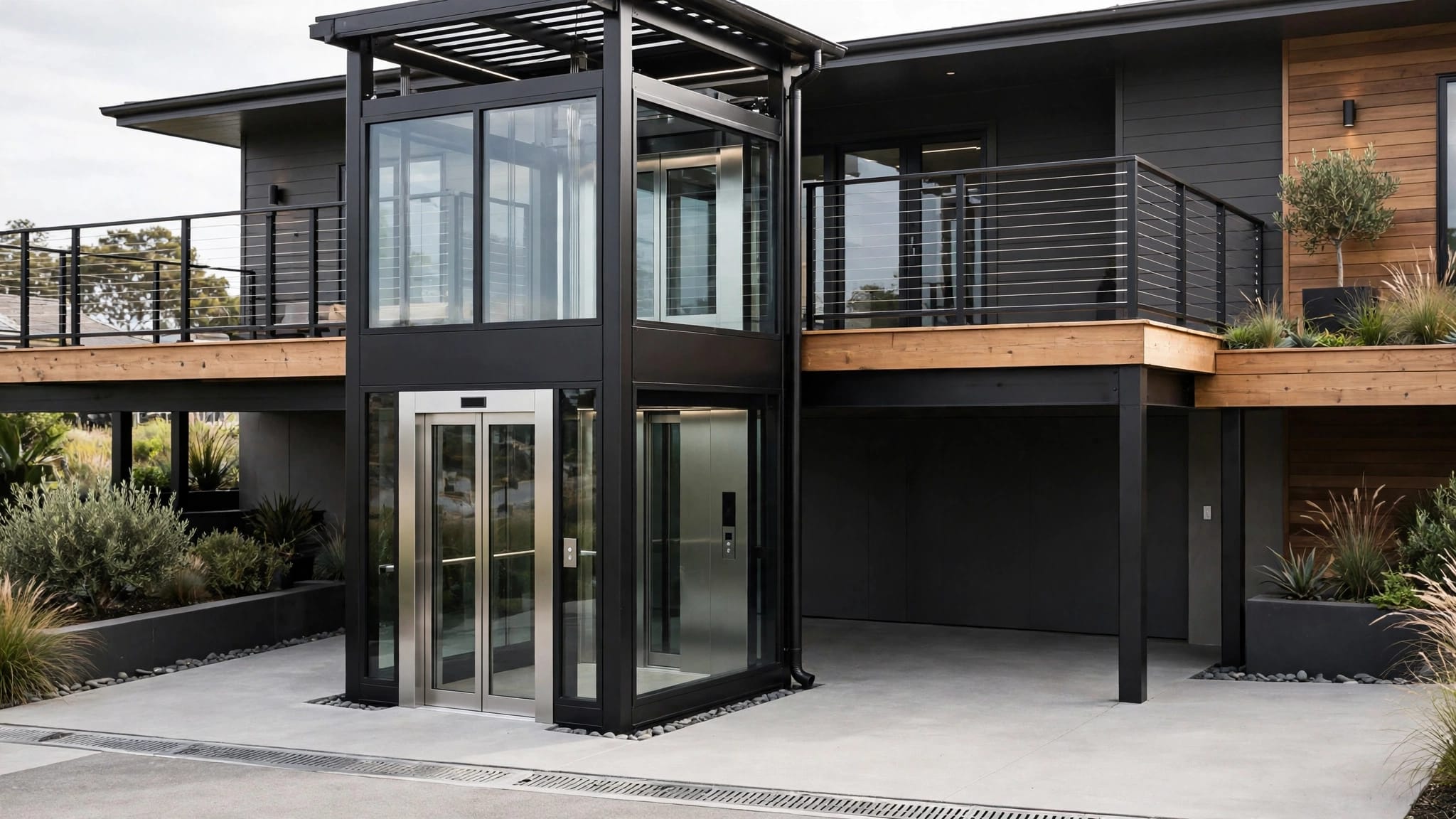
Only equipment designed, installed, and approved for passenger travel should carry guests. Identify the lift accurately in rental listings and guest materials. Calling every exterior lift an "elevator" can encourage unsafe use.

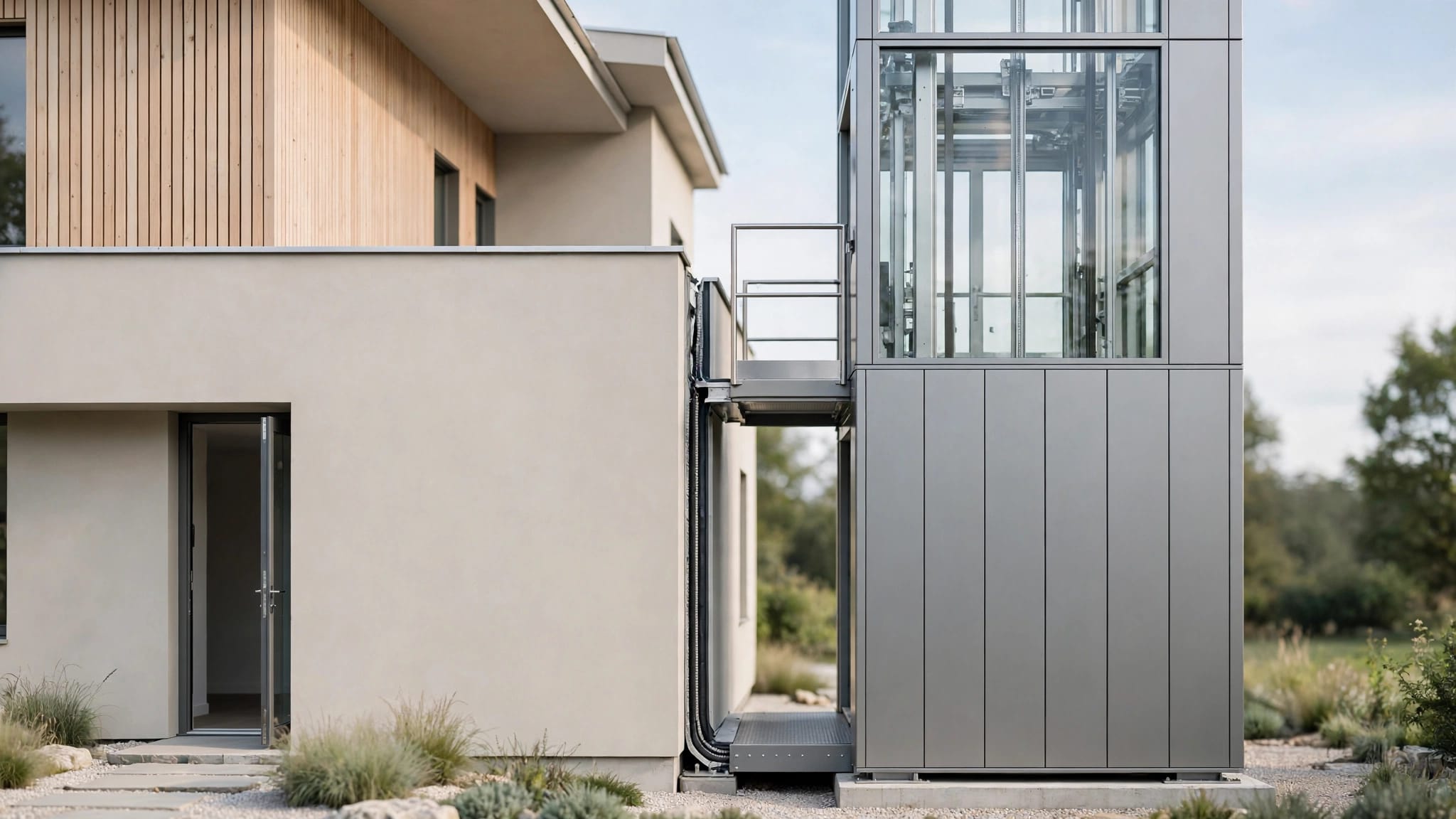
A vertical platform lift may support certain mobility needs, but the manual still controls its operation, capacity, and rider requirements. Confirm that the platform, landing clearances, controls, and approach route fit the property's actual use before promising accessibility to guests.

Cargo lifts need separate rules

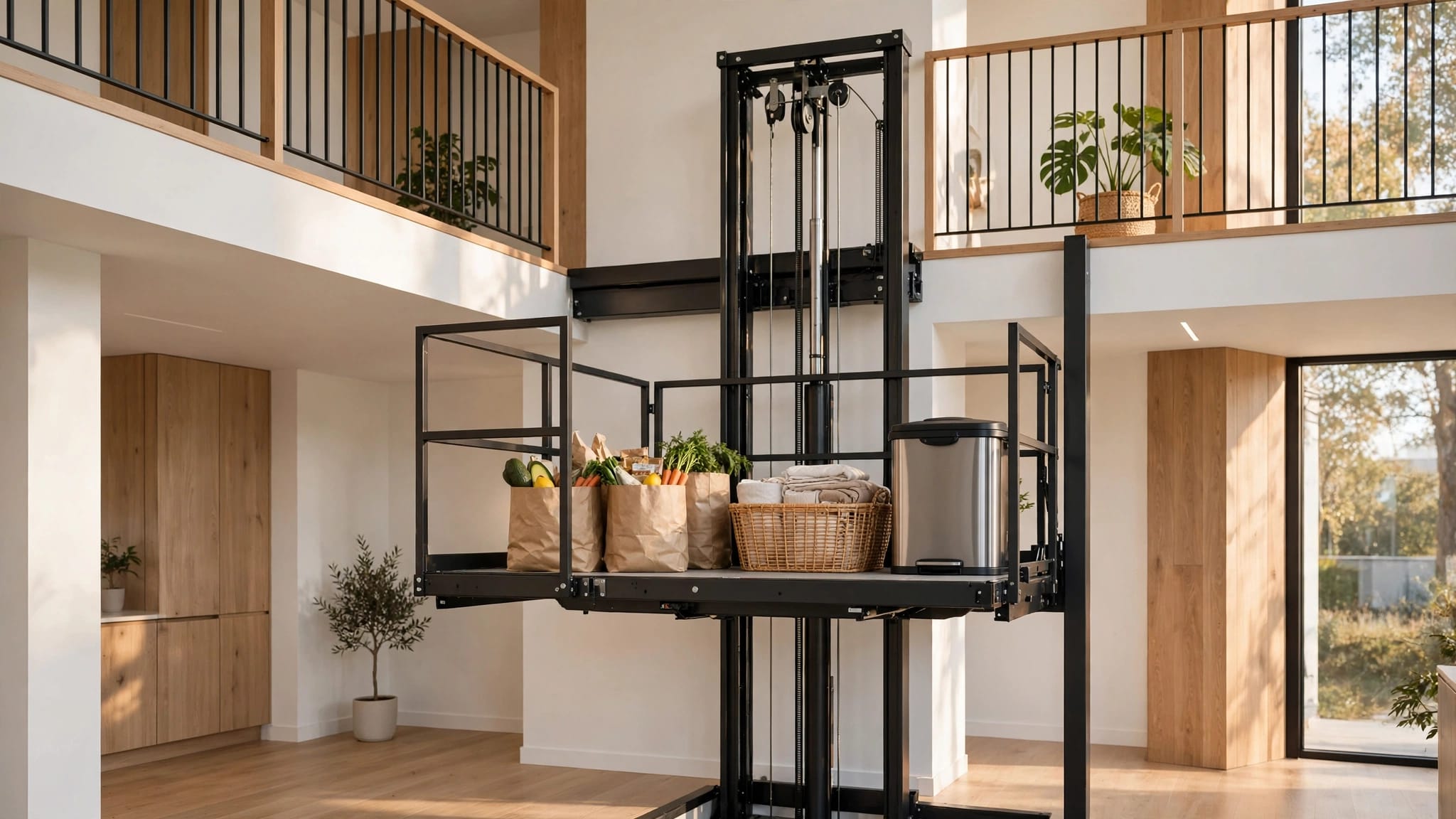
Cargo lifts move beach gear, groceries, luggage, furniture, and maintenance supplies. Unless the manufacturer states that a unit is passenger-rated and local approvals allow it, no guest, child, pet, or employee should ride it.

Keep cargo-lift controls secured when the home is occupied by guests. Give cleaners, maintenance teams, and delivery workers separate instructions for loading and unloading materials.

Guest-facing outdoor elevator safety rules

Guests are more likely to follow a policy when it uses plain language and appears before arrival. Put the most important rules in the welcome message, then repeat them near the lift without covering manufacturer labels or safety notices.

Keep directions short and direct

Avoid broad wording such as "use carefully." Instead, explain who may ride, what the capacity limit means, what to do with luggage, and when the lift must remain unused.

Staff should also know the same rules. A guest who sees a cleaner prop open a gate or overload a platform may assume that behavior is acceptable.

Sample beach house elevator policy

Use and adapt this language to fit the installed model, its manual, and local requirements:

Use the outdoor elevator only if it is designated for passenger use. Follow the posted capacity and the manufacturer's operating instructions at all times.

An adult must supervise children. Keep pets close and clear of doors and gates. Keep luggage, carts, and beach gear stable, inside the platform, and away from controls.

Wait for doors and gates to close completely. Never wedge, hold, bypass, or reach through a door or gate.

Do not operate the lift during severe weather, standing water, a power outage, or after suspected damage. Report unusual sounds, uneven stops, damaged gates, or error messages to the property manager immediately.

Doors, gates, and loading need daily attention

Doors and gates are more than entry points. They help prevent falls, limit access to moving equipment, and keep the platform in its intended operating condition. Outdoor elevator safety depends on keeping those protective parts intact.

Keep gates and interlocks intact

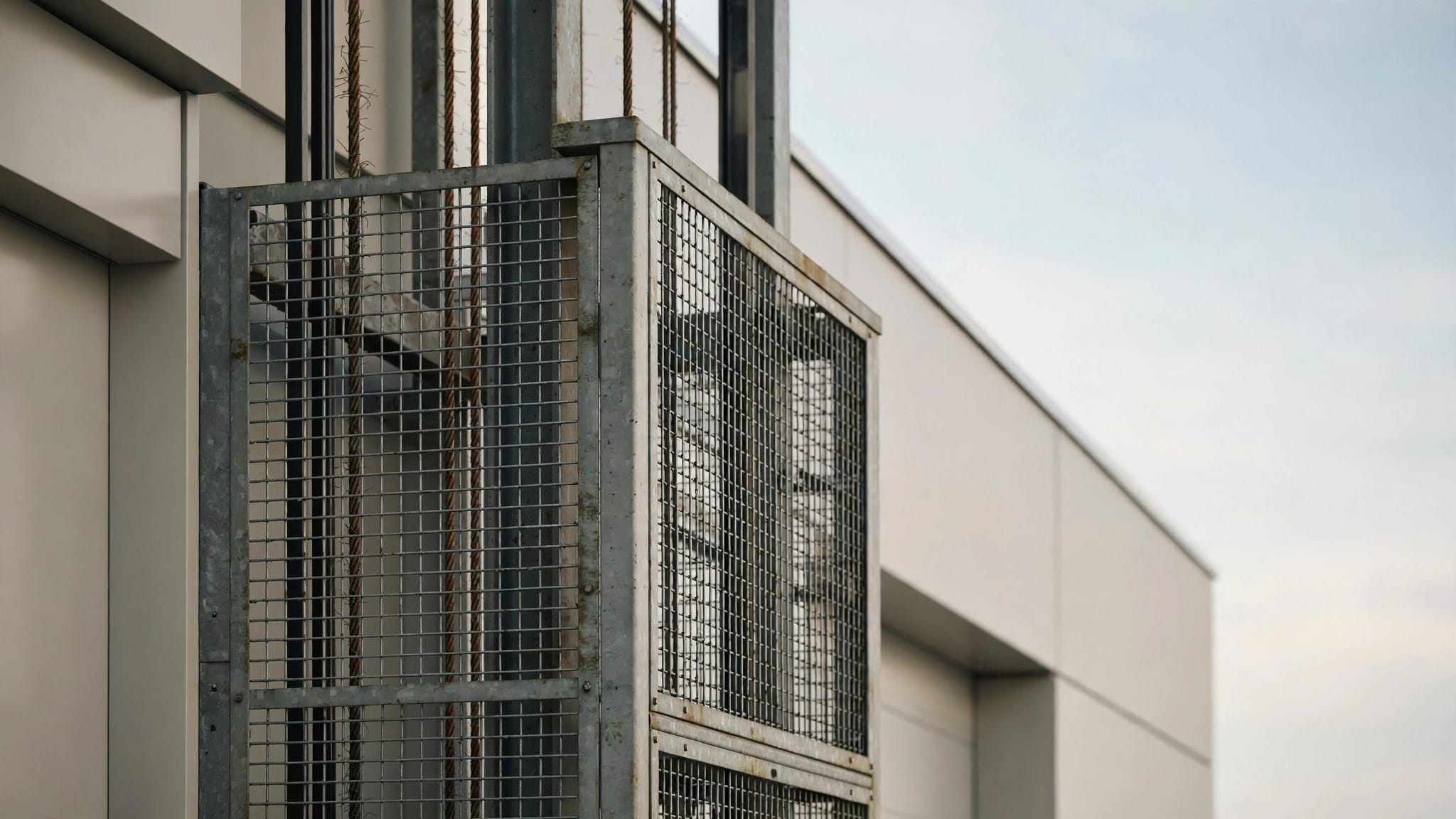
Managers should confirm that doors and gates close, latch, and operate as the manufacturer intended. Never tie back a gate, defeat an interlock, or use an object to hold a door open.

The landing area also needs room for safe entry and exit. A swing gate should not open toward stairs, a rail edge, or a narrow walkway. Review safe gates for outdoor elevators when evaluating gate clearance, materials, and coastal exposure.

Treat capacity as a firm limit

The rated capacity comes from the specific lift and its configuration. Guests must count the combined weight of riders, wheelchairs, mobility devices, pets, luggage, and beach equipment. A crowded platform can interfere with controls, door movement, and safe footing.

Keep loads balanced and within the platform boundary. For pets, avoid leashes crossing the threshold or gate path. If luggage is bulky, guests should make separate trips rather than blocking the entrance.

A posted capacity is a hard ceiling, not an estimate that changes because the trip is short.

Set clear rules for storms, water, and outages

Salt air, wind-driven rain, humidity, and flood conditions put outdoor equipment under more stress than an indoor lift. The lift manufacturer should provide the operating limits and shutdown steps for that model and installation.

Take the lift out of service before unsafe weather

Create a written storm plan with clear triggers. Follow the manufacturer's wind, rain, storm-preparation, and shutdown instructions, along with local evacuation orders and property procedures. Do not guess at a lift's wind rating or assume a weather-resistant finish makes operation safe in every condition.

Before a major storm, secure the area as the manufacturer directs. Remove loose objects near landings, protect exposed components if approved for the model, and tell arriving guests that the lift is unavailable.

Treat water exposure and power loss seriously

Standing water near controls, doors, landings, the drive area, or electrical components is a reason to stop use. Saltwater exposure, floodwater, or water intrusion after heavy rain can damage components that look normal from the outside.

During a power outage, guests should leave the elevator unused unless the manufacturer provides a documented backup-power procedure for the installed unit. The lift is not a substitute for an emergency evacuation plan. Keep stairs and other approved exits clear and usable.

Respond quickly to malfunctions and entrapment

A rental manager should never try to "get one more weekend" from a lift that shows a fault. Remove an outdoor elevator from service whenever it behaves unpredictably or no longer meets the manufacturer's operating conditions.

Close the lift after warning signs

Take the unit out of service if it stops unevenly, makes unusual noises, fails to close a gate, shows visible damage, smells hot, has water exposure, or operates inconsistently. Block guest access, notify upcoming arrivals, and contact a qualified elevator service provider.

Do not reset protective devices, adjust cables, remove covers, or attempt a repair. Outdoor elevator safety brakes are part of a larger protective system and should only be inspected by qualified professionals.

Give guests a calm entrapment procedure

Provide a property contact number and the lift's emergency instructions in the welcome guide. If a rider has a medical emergency, fire risk, or immediate danger, guests should call emergency services first.

Guests should never force doors, climb out, or try to open a gate from inside the lift. Only a qualified elevator professional or authorized emergency responder should release an entrapped rider. After a serious incident, only qualified professionals should inspect, repair, and approve the lift for return to service.

Use a pre-rental safety checklist

A brief inspection before every arrival catches obvious hazards before guests discover them. Follow the manufacturer's assigned inspection steps and leave technical service work to qualified personnel.

Owner and manager pre-rental checklist

  • Confirm that the lift's approved purpose matches the planned guest use, whether passenger travel, mobility access, or materials only.
  • Review the manufacturer's manual for model-specific operating limits, weather restrictions, cleaning directions, and emergency contacts.
  • Keep every landing, stair approach, and exit route dry, lighted, and free of luggage, furniture, sand buildup, and loose gear.
  • Check visible doors, gates, latches, guardrails, controls, and platform surfaces for damage, corrosion, obstruction, or unusual movement.
  • Perform only the visual and operating checks assigned to the owner or manager in the manual. Do not bypass protective features to test the unit.
  • Confirm that capacity labels, permitted-use notices, and the property manager's reporting instructions remain visible and readable.
  • Check for water intrusion, standing water, storm damage, tripped power, or signs that salt exposure has affected the equipment.
  • Verify that required maintenance visits, inspections, permits, and certificates are current for the property's use and jurisdiction.
  • Confirm that staff know how to take the lift out of service, protect the area, and contact the approved service provider.
  • Record the inspection date, findings, service calls, and any period when the lift was unavailable to guests.

Keep code, permits, and insurance aligned

Local rules can change based on the lift type, installation, property location, and whether a vacation rental is treated as a private residence, transient lodging, or public-use property. A policy can't replace required permits, inspections, or approved installation.

Check the rules that apply to your property

In Florida, Chapter 399 covers a broad range of vertical conveyances. Florida's Bureau of Elevator Safety exempts conveyances serving only one-family residences from its permitting and certificate-of-operation process, while public-use conveyances may face different requirements.

Vertical platform lifts also fall under a different standards category than conventional passenger elevators. ASME A18.1 addresses platform lifts and stairway chairlifts. Review Florida outdoor elevator code requirements with the installer, local building official, and qualified service company before opening the rental.

Keep records and coverage current

Save manuals, service reports, inspection records, permits, contractor contacts, and storm procedures in one property file. Give the same information to the rental manager and backup contact.

Ask your insurance carrier about the equipment, coastal exposure, guest use, and any maintenance documentation it requires. Coverage terms differ, so confirm them before a claim forces the question.

A safer rental starts with firm boundaries

Beach house guests don't need a technical manual. They need accurate instructions, a clearly approved lift, and a manager who closes the unit when something looks wrong.

The strongest policy follows the manufacturer's directions, respects local requirements, and treats gates, weather, water, and capacity limits as daily operating conditions. Outdoor elevator safety becomes part of the rental experience when those boundaries stay clear before every stay.

Recent Posts

By Veranda 'Vator August 23, 2026
An outdoor cargo lift can save backs, reduce stair trips, and move bulky supplies safely, but only when people use it for its intended purpose. Cargo lift operator training gives operators a repeatable routine before every load moves. Weather, uneven ground, open gates, and a...
By Veranda 'Vator August 22, 2026
Outdoor elevator placement becomes difficult when the only open side yard sits beside a property line, utility corridor, or access easement. A few feet on a sketch can disappear once zoning setbacks, foundations, landing clearance, and service access enter the plan. If you're...
By Veranda 'Vator August 22, 2026
A lift can look finished while important safety details remain untested. An outdoor elevator checklist helps you inspect the installation, watch every demonstration, collect the right documents, and identify problems before accepting the property. Your handover should cover th...
By Veranda 'Vator August 21, 2026
One open gate can turn a routine trip between floors into a fall, escape, or pinch injury. Good outdoor pet lift safety starts before the platform moves, with the right equipment, a protected landing, and clear rules for every person who uses the lift. Pets react quickly to no...
By Veranda 'Vator August 20, 2026
An outdoor lift can look like a simple platform, but Florida permitting depends on what the equipment carries, how far it travels, and who will use it. A Florida lift permit application for a passenger elevator follows a different path from one for a cargo-only lift. The Flori...
By Veranda 'Vator August 20, 2026
A beach home can sit empty for months while its lift quietly collects salt, humidity, sand, and insects. That is why seasonal home lift maintenance should begin before anyone steps onto the platform or enters the car. A lift left offline for months should not simply be powered...
By Veranda 'Vator August 19, 2026
An accessibility lift can make a Florida home usable again, but the tax result depends on medical need, property value, and who paid the bill. Florida accessibility tax benefits usually come through federal medical-expense rules, not a special Florida homeowner credit. That di...
By Veranda 'Vator August 19, 2026
A commercial building may need an accessible route, but that doesn't automatically mean it needs an elevator or that any wheelchair lift will satisfy ADA platform lift requirements . The right solution depends on the building's use, route, construction type, and the limited si...
By Veranda 'Vator August 18, 2026
Sunlight can age an outdoor lift long before owners notice an obvious failure. A review of UV exposure lift components should start with the plastics, elastomers, coatings, and cable jackets that face direct sunlight. Outdoor elevators, cargo lifts, and vertical platform lifts...
By Veranda 'Vator August 18, 2026
A lift can meet its travel requirements and still fail an accessibility review if the controls or handrail interfere with boarding. Good VPL handrail placement keeps the platform usable, protects the rider, and gives installers a clear layout to verify before construction. VPL...
Show More