
Outdoor Elevator Leveling Problems: Safe Checks and Service

Share this article

A platform that stops a little above the porch can turn an ordinary delivery or wheelchair trip into a fall hazard. Outdoor elevator leveling problems deserve attention even when the lift still moves and its gates appear to work.

You can check the landing and surrounding area without touching the machinery. If the platform remains uneven, stops inconsistently, or behaves differently after a storm, take it out of service. The first step is recognizing what changed without putting anyone near a moving or raised platform.

Key Takeaways

  • Keep people and cargo off a lift that doesn't stop safely at its landing. Don't step across an uneven threshold.
  • From a safe position, look for debris, standing water, visible damage, and gates that don't close normally.
  • Don't bypass an interlock, repeatedly cycle the lift, force a gate, or attempt an electrical, hydraulic, or mechanical repair.
  • Record what you observed and contact a qualified service technician when leveling remains unsafe or the cause is unclear. The manufacturer's instructions for your model take precedence.

How to recognize outdoor elevator leveling problems

A platform should arrive at the landing position specified for its design. Without the model's documentation and a qualified assessment, don't assume a particular height difference is acceptable.

Watch the platform edge and threshold

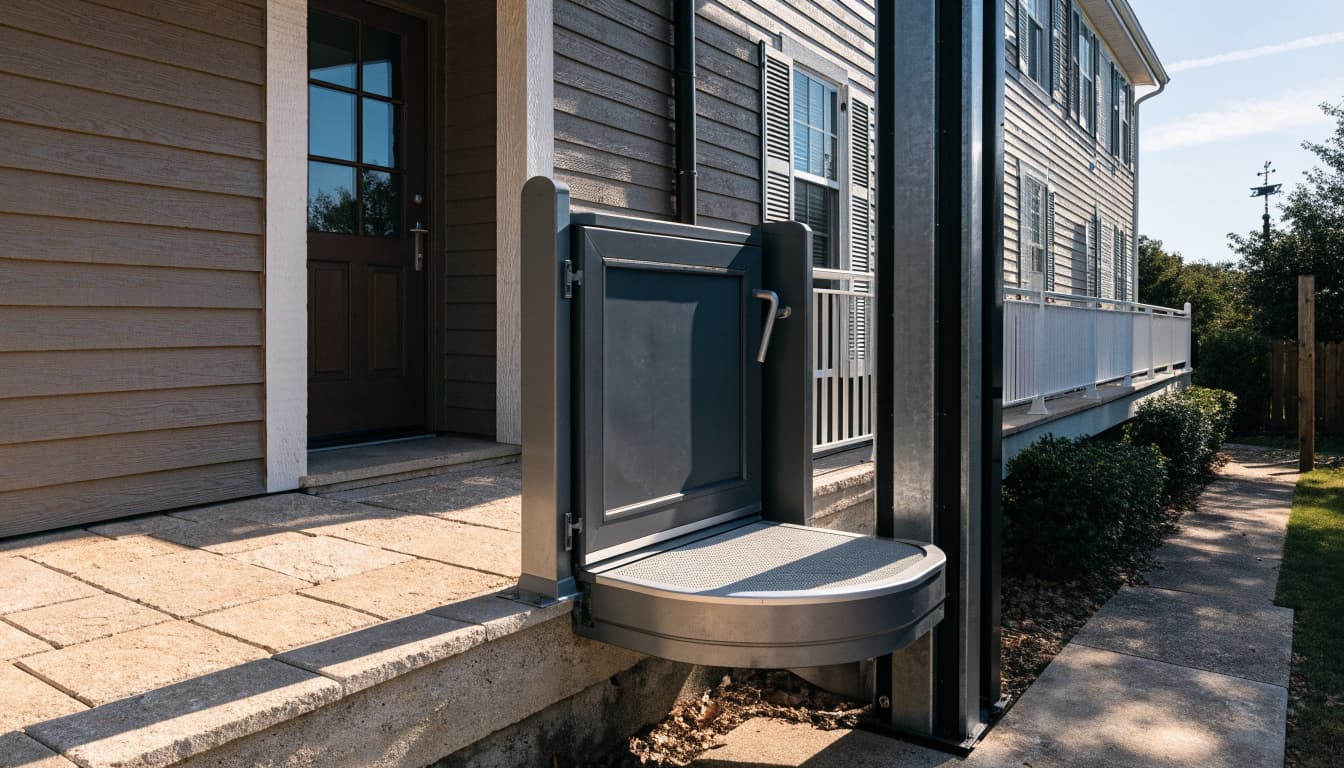
A visible step between the stopped platform and finished floor is a warning sign. So is a new lip that catches cart wheels, luggage, or a wheelchair caster. Notice whether the platform appears to stop at different heights on separate trips, but don't run extra trips to confirm a suspected fault.

An uneven stop can create a trip hazard even if the gap looks small. Leave the gate closed and keep users away until a technician determines whether entry or exit is safe.

Notice other changes at the same time

Grinding, scraping, jerky movement, or an unfamiliar fault display adds useful context. A gate that no longer closes normally may point to a separate entrance problem or a fault affecting operation.

Record what you can see from a safe place. Don't reach into the threshold, lean over a landing edge, or try to measure the mismatch while the lift is suspended.

What to do when the platform misses a landing

Treat a new leveling problem as an operating fault. An apparently minor difference can affect a wheelchair user's exit or a worker moving a loaded cart.

Stop use and protect the area

Follow the model's shutdown instructions and prevent another trip. Keep people away from the platform path and both landings. At a commercial property, tell staff the lift is unavailable and direct users to another approved route when one exists.

Don't try to finish a cargo move by entering a raised platform or reaching across its edge. Never stand beneath it. If a gate won't open normally, leave it alone rather than forcing the latch.

If someone is stranded, use the approved emergency plan

A rider in a passenger elevator or vertical platform lift should use its provided emergency communication feature when available. Contact the designated service provider or building contact. If someone is injured or faces an immediate medical danger, call emergency services.

Don't attempt a self-rescue, override an interlock, or move the equipment by force. The approved response depends on the installed model and its emergency procedures. For more context on entrance behavior, see lift gate interlocks and safe operation.

Safe checks you can make without opening equipment

Owner checks are observations, not diagnosis. Use the inspection points in your manual, and stay on stable ground or a clear landing. If access itself is unsafe, wait for service.

Look at the approaches and visible surfaces

Check for leaves, sand, hoses, boxes, or other objects near the landing. Note standing water, slippery decking, storm debris, damaged covers, bent metal, or obvious corrosion. Remove loose items only from areas the manufacturer identifies as safe for routine owner care.

Keep hands and feet away from gates, guide areas, and the platform edge. Don't clear a blockage inside a shaft or guarded area. If you see floodwater near electrical equipment, keep clear and arrange an inspection.

Write down what happened

Note which landing was involved, whether the platform stopped above or below it, and any sound or displayed fault. Include the date, recent weather, and whether the problem appeared after a power outage or heavy load. A photo taken from a safe location may help the technician.

Don't run repeated test trips to gather more evidence. The coastal Florida outdoor lift maintenance checklist also covers routine observations around drainage, gates, and weather exposure.

Why an outdoor lift may stop at the wrong height

Several faults can produce a similar-looking stop. A clear landing doesn't prove that the controls, stopping system, or platform position is correct.

Position feedback and stopping components

Depending on the design, a technician may investigate a limit switch, encoder, sensor, or landing reference. A position-related fault can make the indicated location unreliable. If the equipment displays a code, write it down rather than guessing what it means or attempting a reset.

The guidance on outdoor elevator error codes describes limit and position faults as reasons to keep landings clear and call before further movement. Only qualified service personnel should inspect or adjust those components.

Weather, wear, and the building interface

Salt spray, moisture, and storm debris can affect exposed equipment. A technician may also need to examine gates, guides, brakes, drive components, or the relationship between the lift and finished landing. The visible mismatch alone can't identify which part needs attention.

After flooding, major wind damage, or water intrusion, don't restore normal use based on a quick visual check. Arrange a qualified inspection. Never open a control cabinet, adjust a switch, add hydraulic fluid, or try to lubricate a component to correct leveling.

Lift type changes the safety response

People often use "outdoor elevator" for several kinds of equipment. Identify the installed lift before discussing access, service, or rescue. The categories have different approved uses and safety requirements.

Equipment Intended use Concern when it stops unevenly
Cargo lift Materials, unless expressly designed and approved for passengers Keep workers off the platform and prevent unsafe loading or unloading.
Passenger elevator People and approved goods Protect riders and follow its emergency communication and service procedures.
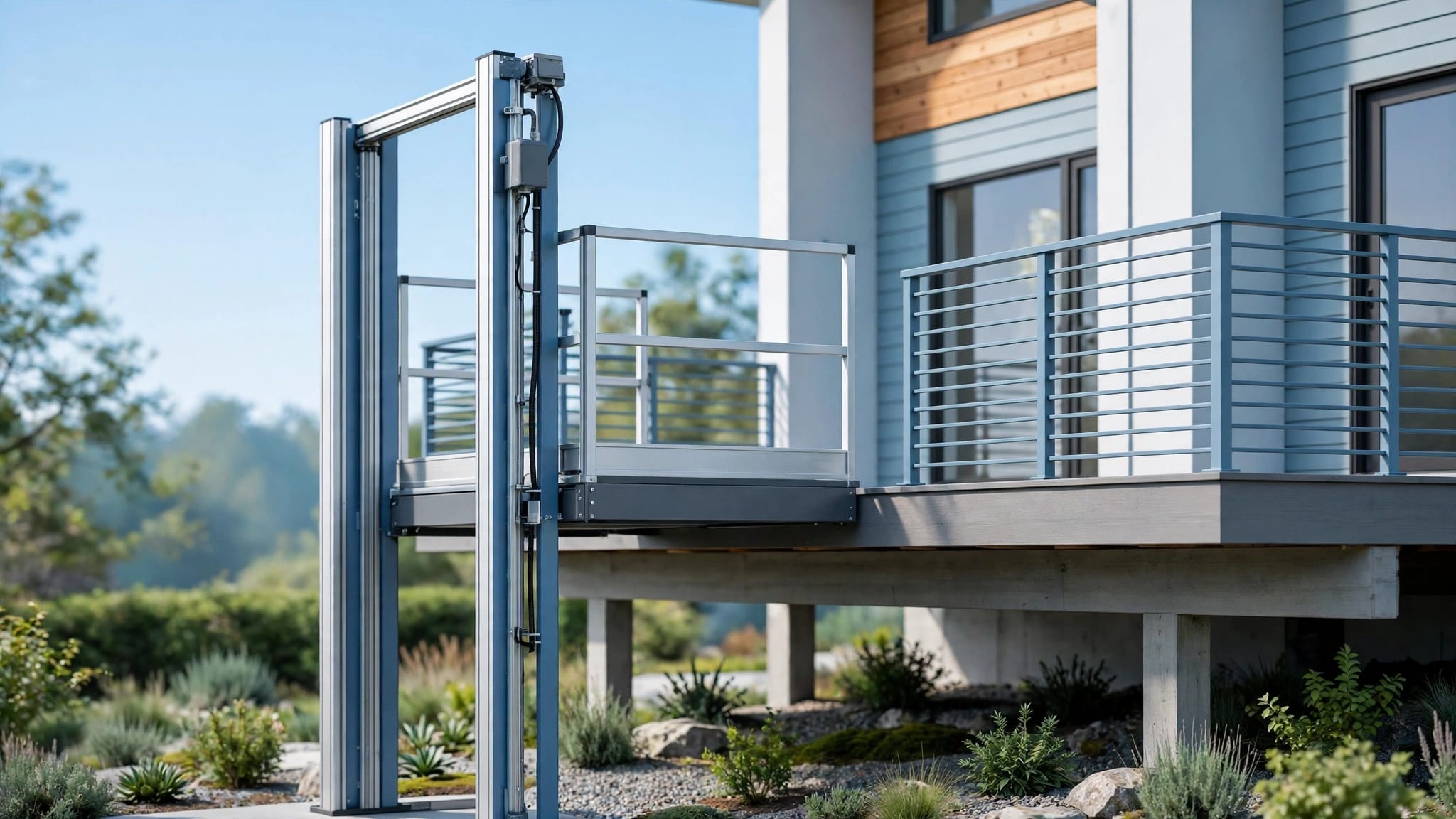
Vertical platform lift Approved platform access, often for wheelchair users Prevent an unsafe transition between the platform and landing.

A cargo lift isn't automatically a passenger lift. Don't let someone ride one to inspect its stopping position. Likewise, don't assume the emergency controls on one platform lift work like those on another.

Passenger elevators commonly fall under ASME A17.1, while many vertical platform lifts follow ASME A18.1. The standards aren't interchangeable; the equipment, manufacturer, and local authority determine applicable requirements. Professional outdoor lift inspection guidance explains why the lift category matters when planning service.

When to call a qualified service technician

Call when the platform fails to stop at its expected position, stops at inconsistent heights, or shows a position fault. A gate that won't latch, unusual movement, or an unexplained noise also warrants stopping use. If you can't tell whether the landing is safe, keep the lift out of service.

Give the technician a useful fault history

Have the manufacturer, model, and serial number ready if available. Describe the landing, direction of travel, observed height mismatch, sounds, and any displayed code. Mention recent flooding, storms, outages, or changes in normal loading.

Share photos taken from safe positions and any previous service reports. Don't try another cycle simply to recreate the problem for the appointment.

Leave repair and return-to-service decisions to the technician

Electrical controls, hydraulic systems, brakes, cables, guides, and interlocks require model-specific procedures. Qualified crews also have to control stored energy and the risk of unexpected movement. Outdoor elevator lockout tagout procedures explain why maintenance is more involved than switching off a control.

Ask the service provider to confirm safe stopping at the required landings before the lift returns to use. Keep the fault and repair record with the equipment documents.

Reduce repeat faults in outdoor conditions

Keep approaches clear and drainage working around the landings. Follow the manufacturer's instructions for cleaning exposed surfaces; don't pressure-wash controls or direct water into equipment. Report new rust, loose-looking covers, sticking gates, or unusual sounds before they become routine.

Schedule professional maintenance according to the manufacturer and applicable local requirements. Outdoor use may call for extra attention after severe weather, particularly where salt air and wind-driven rain reach the lift. The account of how salt air damages outdoor elevator components explains why visible corrosion deserves more than a cosmetic check.

A service log helps distinguish a one-time event from a recurring stop at the same landing. Still, a history of normal operation doesn't make a new mismatch safe.

Frequently asked questions

Can I use the lift if the platform is only slightly uneven?

Don't decide by appearance alone. The acceptable stopping position depends on the model and applicable requirements. Keep the lift out of service if entry, exit, or loading is unsafe, and ask a qualified technician to assess the mismatch.

Should I reset the lift to see whether leveling improves?

Don't use repeated resets or trips to work around a fault. Follow only the owner actions expressly permitted in the manufacturer's instructions. If the cause is unclear or the platform stops unevenly again, arrange service.

Can I clear debris near the landing myself?

You can remove loose debris from a safe, accessible approach if the manufacturer's instructions allow it. Stay clear of the platform path and guarded areas. Leave anything caught in a gate, guide, shaft, or moving component for qualified service personnel.

The safest next step

A platform that misses its landing has changed the way people or cargo can enter and leave safely. Stop use, protect the area, and record what you can observe without approaching moving equipment.

Clear surroundings may help prevent trouble, but they don't diagnose an uneven stop. Return the lift to service only after the cause is assessed under the model's instructions and safe operation is confirmed.

Recent Posts

By Veranda 'Vator • September 25, 2026
An outdoor lift that travels past its intended stopping point can leave a passenger at an unsafe landing or put the equipment against the end of its travel path. Endpoint protection helps prevent that overrun. Lift limit switches tell the control system when the car or platfor...
By Veranda 'Vator • September 24, 2026
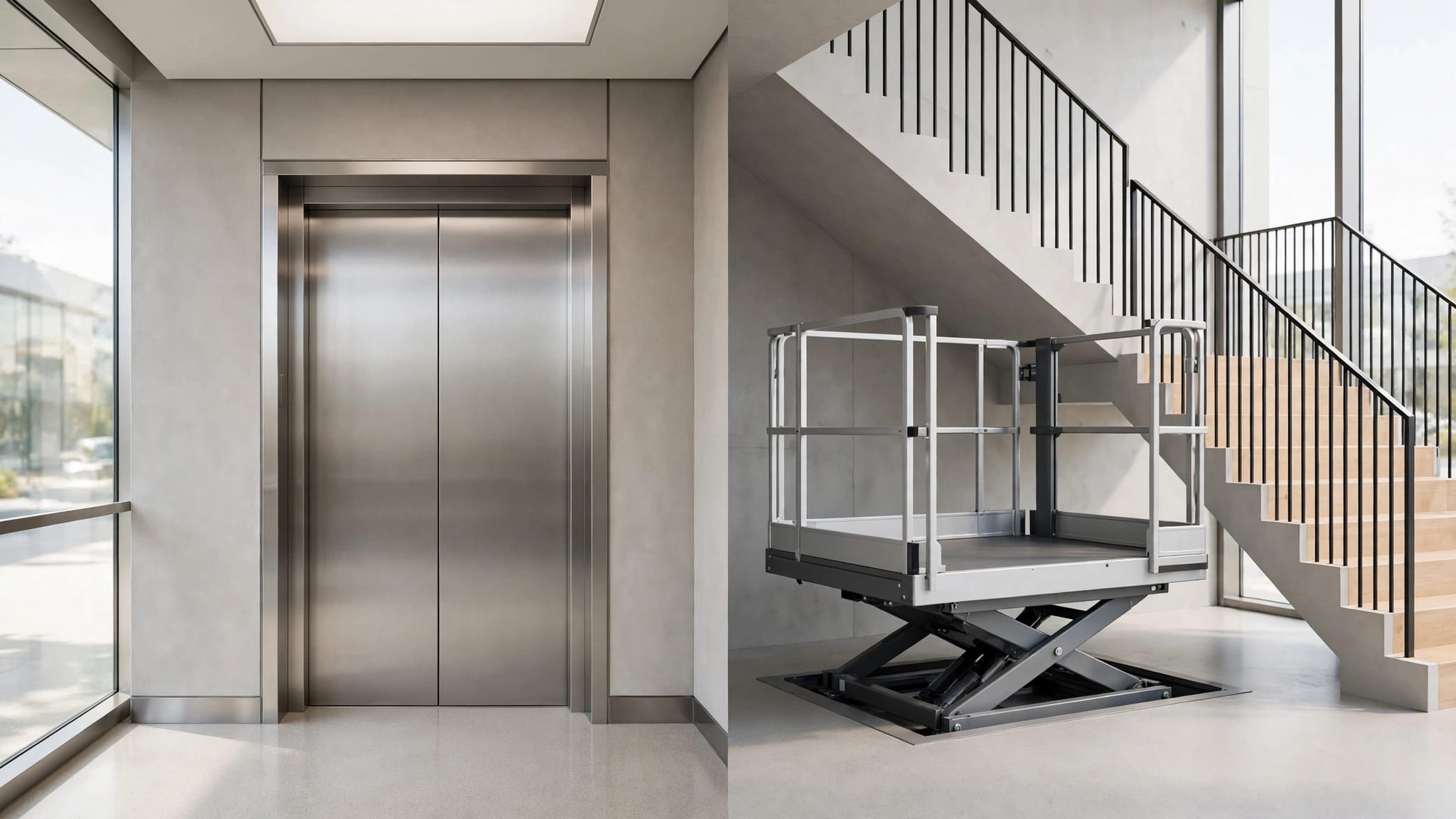
A lift can look right for your building and still follow the wrong approval path. If you're comparing A17.1 vs A18.1 , the first question is what the equipment is designed to carry, not what a seller calls it. Passenger elevators, wheelchair platform lifts, and cargo lifts hav...
By Veranda 'Vator • September 23, 2026
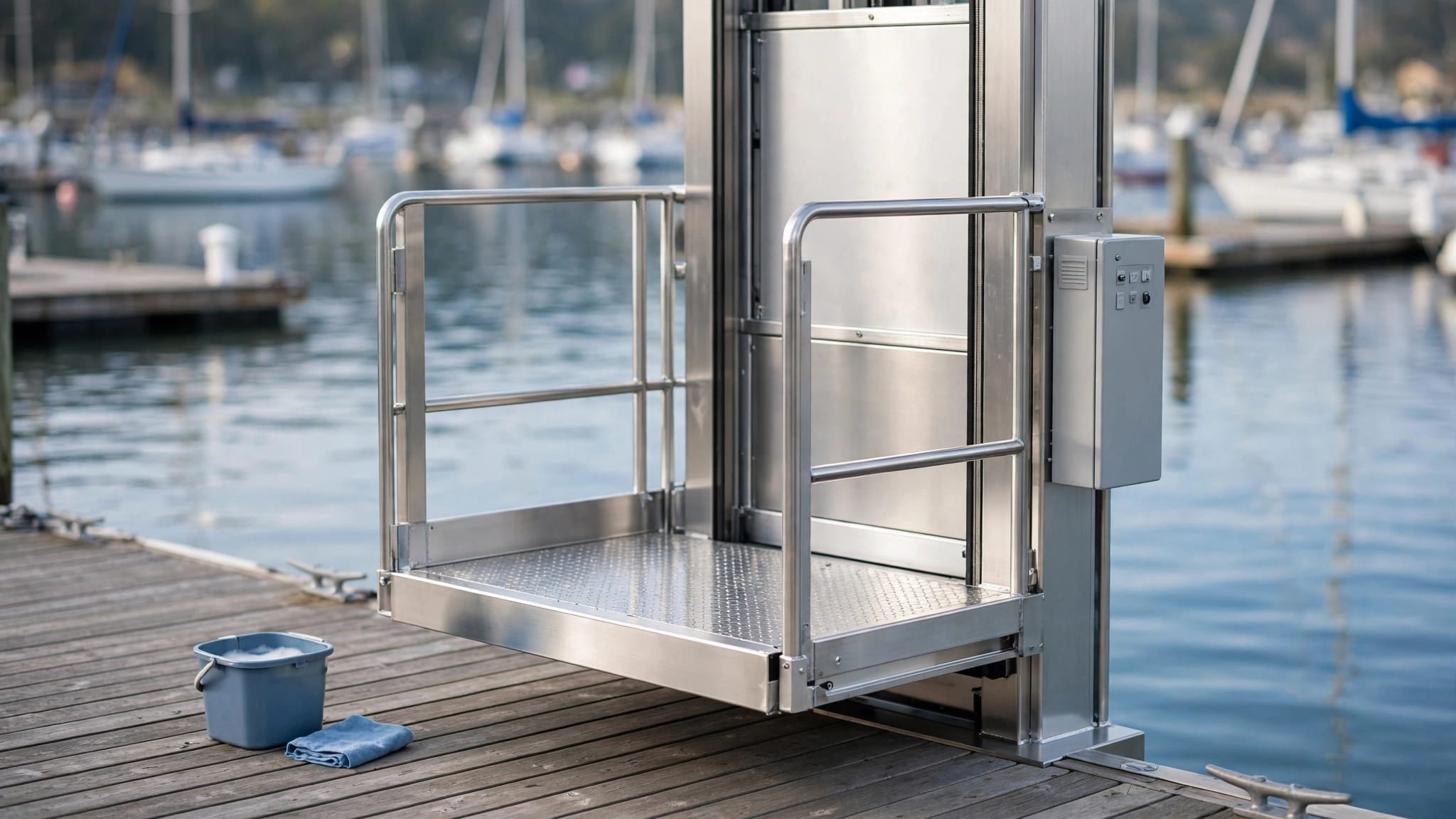
Salt can settle on an outdoor lift long before you see rust. Before cleaning, check what kind of lift you own. A dock hoist and an outdoor cargo lift, passenger elevator, or vertical platform lift have different controls and safety components. The safest approach is finish-fir...
By Veranda 'Vator • September 22, 2026
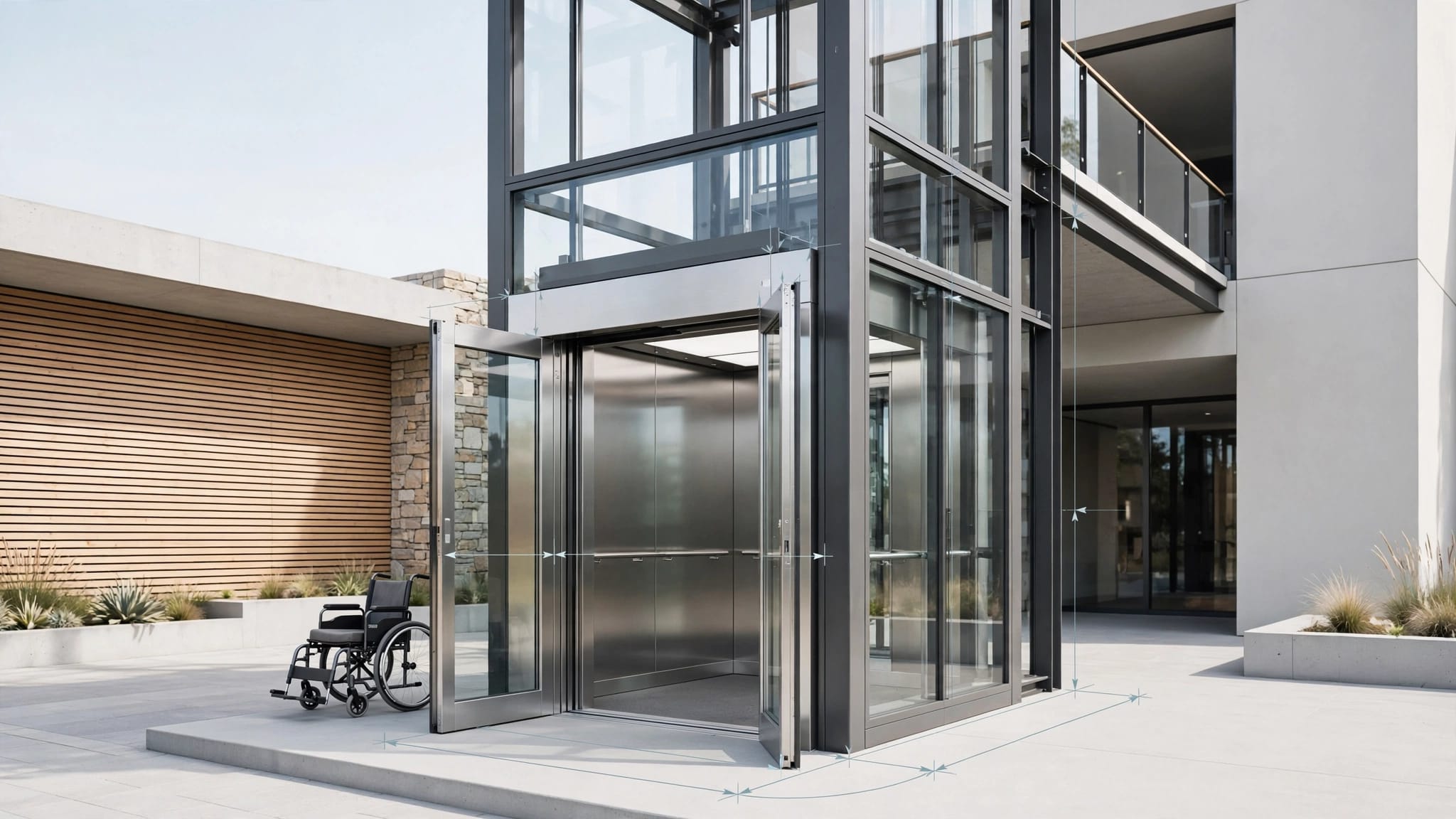
A lift can fit a wheelchair and still be difficult to use. The difference often comes down to door clearance, landing space, turning room, and the chair's full operating footprint. When comparing elevator cab dimensions , start with the equipment type and the user's actual mov...

By Veranda 'Vator • September 21, 2026
A lift can change whether a tenant can safely reach a raised rental home, porch, or upper floor. However, the Fair Housing Act requirements for a lift depend on the person's disability-related need, the type of equipment, the property's structure, and applicable state and loca...
By Veranda 'Vator • September 20, 2026
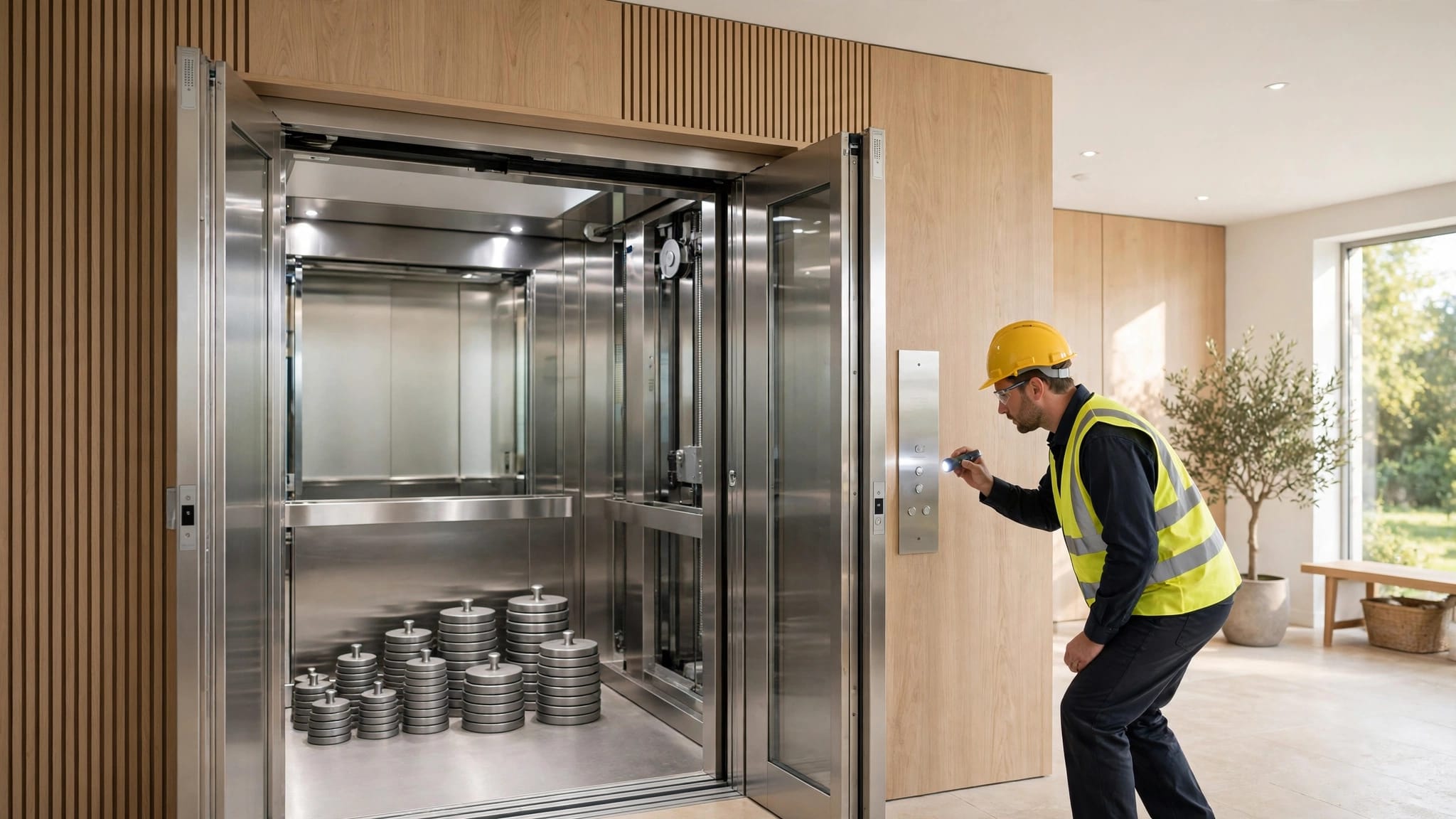
A residential lift load test is more than placing weights on a platform and pressing a control. It checks whether the installed equipment performs safely under a controlled load, according to the manufacturer's instructions and the requirements adopted by the local authority....
By Veranda 'Vator • September 19, 2026
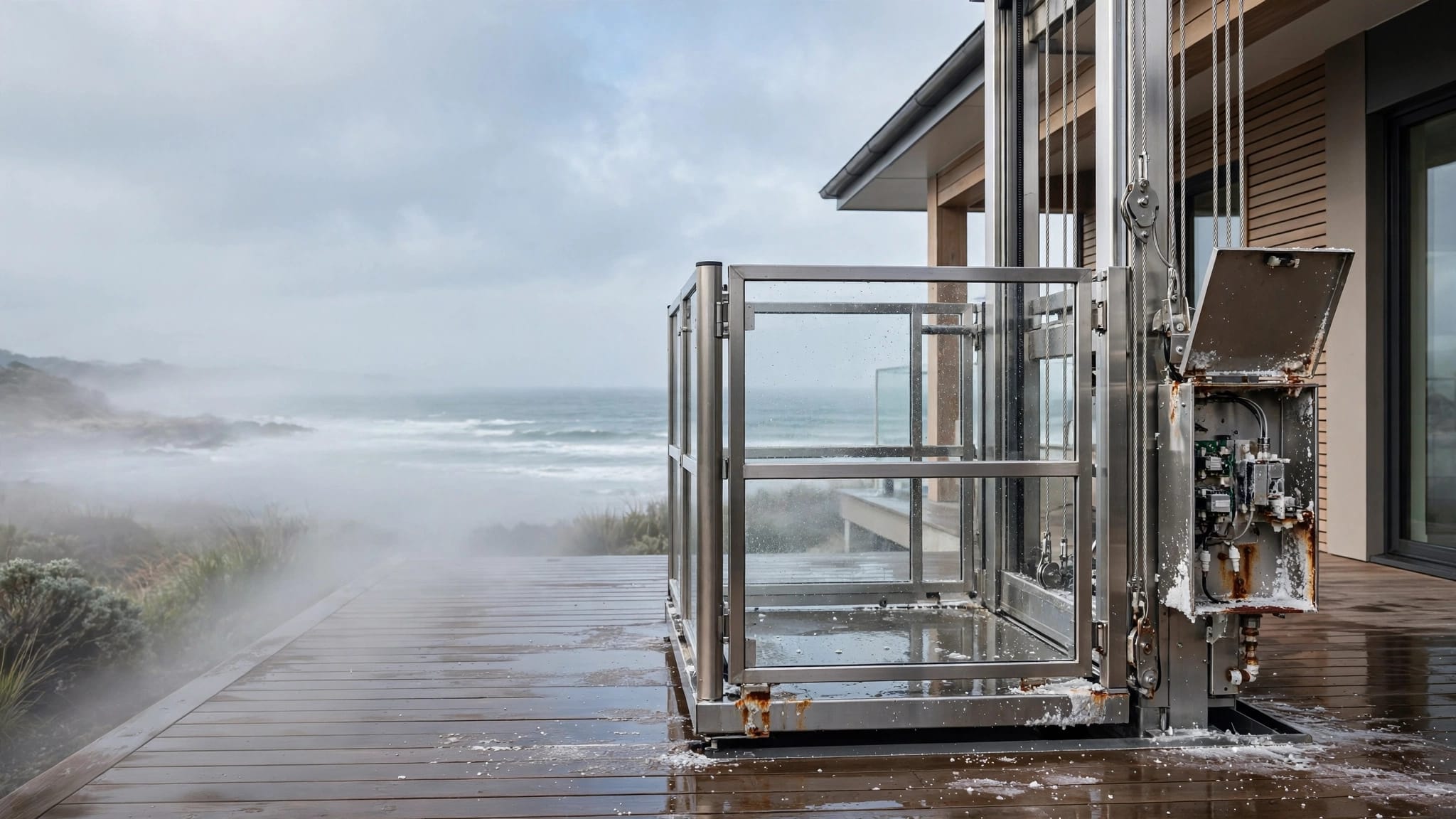
Salt air can damage an outdoor lift before you see obvious rust. For homeowners, coastal lift service contracts should address humidity, wind-driven rain, flooding, storms, corrosion, and the equipment's intended use. A low-cost plan may cover scheduled visits but exclude part...

By Veranda 'Vator • September 18, 2026
Salt air can damage stainless fasteners long before a lift shows obvious rust. Stainless hardware corrosion often begins as residue, staining, or pitting around a joint, then spreads where moisture remains trapped. Property owners and maintenance teams can catch early changes...
By Veranda 'Vator • September 17, 2026
A small commercial building may need reliable access between floors without the footprint of a full-size passenger elevator. LULA elevators can fit that gap, but only when the building, travel distance, accessibility needs, and local code path support the choice. A limited-use...

By Veranda 'Vator • September 16, 2026
The right number of residential lift stops depends on where people, wheelchairs, vehicles, luggage, or supplies need to enter and exit. There is no universal number that suits every home. A two-story house may need two stops, while an elevated coastal home could need three or...
Show More